Are Polybutylene Pipes Safe? What Homeowners Must Know
Polybutylene plumbing is not considered safe for long-term use due to its tendency to chemically degrade and rupture, leading to leaks and potential water damage. Homeowners should be vigilant and inspect for gray tubing marked “PB,” and if leaks are discovered, they should shut off the water immediately. It is advisable to plan for a full replacement of the plumbing system rather than relying on temporary fixes. Continue reading for practical tips on inspection, emergency measures, and guidance on replacement.
What Is Polybutylene Pipe?
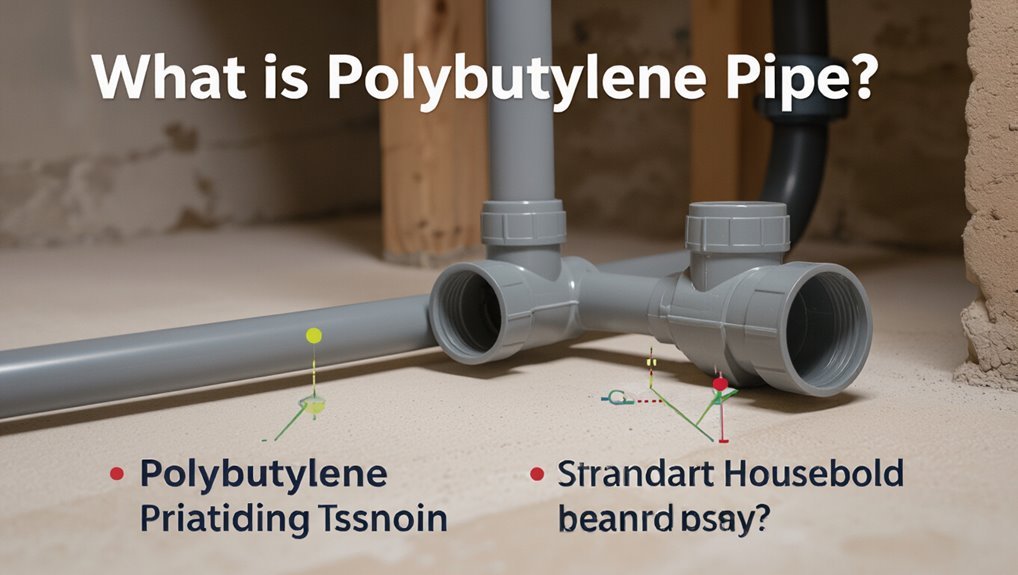
Polybutylene pipe is a flexible, gray or black plastic tubing made from the polymer polybutylene (PB), introduced in the 1970s as a low-cost alternative to copper and PVC for residential water distribution.
It is lightweight, easily bent, and joined with plastic or metal fittings using crimp rings or push-fit connectors.
Manufactured in long coils, PB offered rapid installation and reduced labor costs.
Chemical resistance and low initial cost drove adoption, but later concerns arose about degradation under oxidants like chlorine.
Typical sizes matched common residential needs, and systems often replaced earlier metal piping in new construction.
Where to Look and How to Spot Polybutylene in Your Home
Homeowners should inspect common plumbing routes—basements, crawlspaces, utility rooms, and behind appliances—for visible piping.
Polybutylene often bears printed markings or codes along the length, typically in gray or dark colors, which can include the letters “PB” or manufacturer names.
Attention to pipe texture, color, and any stamped letters helps distinguish polybutylene from copper or newer plastic varieties.
Where Pipes Are Located
In basements, crawl spaces, utility rooms and behind access panels, plumbing runs that could be made of polybutylene are most commonly found.
Homeowners should trace water lines from the main shutoff, hot water heater and exterior hose bibs.
Inspect visible runs along joists, foundation walls and under sinks; polybutylene often appears as continuous, smooth, gray tubing without copper fittings.
Check laundry areas, HVAC condensate lines and garages where water lines enter.
Note pipe routing toward bathrooms and kitchens through floors and walls.
Exterior meter-to-house lines and service entrances may also contain similar piping.
Observe joints and fittings for nonmetallic transitions.
How To Identify Markings
Several clear places on water lines should be checked for manufacturer markings, model numbers, or certification stamps that confirm polybutylene content.
Inspect visible runs in basements, crawlspaces, utility closets, and under sinks; markings often repeat every few feet.
Look for abbreviations like “PB,” “Poly-B,” or “Polybutylene,” plus brand names (e.g., Zurn, U.S. Brass) and date codes.
Stamped pressure ratings or NSF/ASTM certifications can also indicate material.
If markings are faded, examine fittings and exposed ends for pipe color and texture—typically gray, bluish-gray, or black—and consult a plumber or lab test for definitive identification.
Act Now or Monitor? A Homeowner’s Triage Checklist
When faced with suspected polybutylene plumbing, a practical triage separates immediate hazards from issues that can be monitored: assess visible leaks, water stains, pressure fluctuations and any soft or discolored fittings; if active leaking, moisture near electrical fixtures, or sudden loss of water pressure is present, treat it as an urgent repair and isolate the affected supply.
A homeowner should then categorize conditions, document locations, and decide on temporary measures versus professional evaluation.
Prioritize safety, contain water, and avoid DIY fixes that risk more damage. Use this checklist to guide prompt, measured action.
- Confirm active leaks and safety risks
- Photograph problem areas
- Shut off and isolate affected lines
- Apply temporary containment like buckets or towels
- Schedule a licensed plumber for assessment
Why Polybutylene Fails and How Leaks Start
Exposed to chlorine, fluctuating water pressure, and long-term mechanical stress, polybutylene pipe systems degrade through chemical oxidation and material fatigue, which together create microscopic cracks that grow into leaks.
Over time the polymer’s molecular chains break down, reducing tensile strength and making fittings brittle. Stress concentrations form at bends, crimps and connection points, accelerating crack propagation.
Thermal cycling and water hammer increase internal stresses, while abrasive particulates erode surfaces. Small fissures widen under continual flow until seals fail or joints separate.
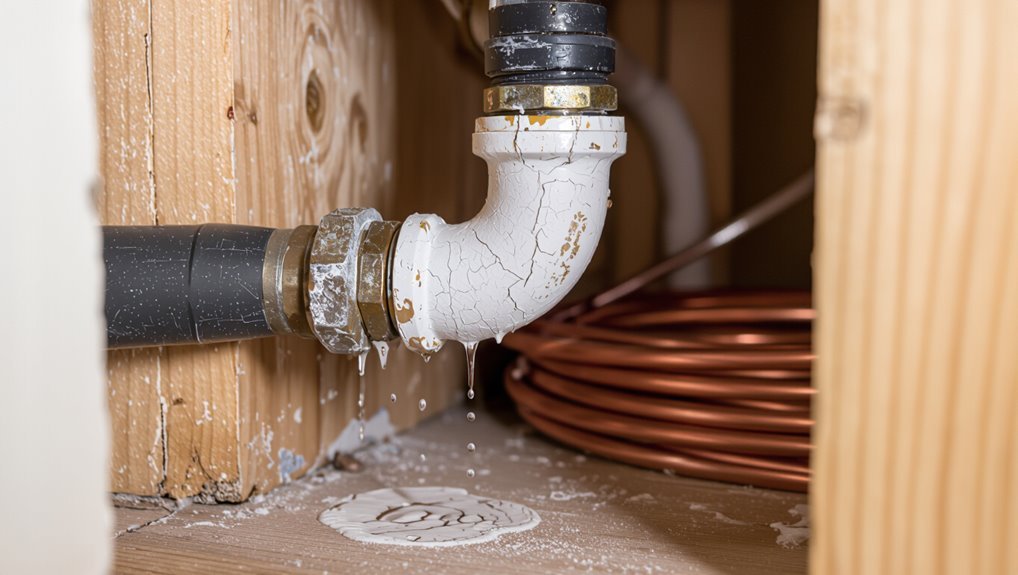
Visible symptoms include pinhole leaks, staining, and unexplained pressure loss; these indicate progressive structural failure rather than isolated defects.
Replacement Options for Polybutylene: Materials, Pros, and Lifespans
Common replacement choices include copper and cross-linked polyethylene (PEX), each offering distinct advantages.
Copper provides proven durability and resistance to UV and rodents, while PEX is flexible, easier to install, and typically resistant to scale and corrosion.
Expected service life for properly installed PEX is often estimated at 40–50 years, while copper systems can last 50 years or more under favorable conditions.
Copper Replacement Pros
Considered a traditional and durable choice, copper piping offers strong corrosion resistance, high heat tolerance, and a proven service life often exceeding 50 years in typical residential applications.
Copper’s rigidity reduces movement-related failures; it resists UV and microbial attack; and it is fully recyclable.
Installation requires soldering or mechanical fittings and generally demands skilled labor.
Cost is higher than many plastics, but longevity and reliability often justify the investment.
Maintenance needs are low, though acidic water can accelerate wear.
Overall, copper represents a conservative, well-understood replacement where long-term performance and fire resistance matter.
- Long service life
- Corrosion resistance
- High temperature tolerance
- Low maintenance
- Recyclable material
PEX Lifespan Estimates
Often chosen for its flexibility and ease of installation, cross-linked polyethylene (PEX) provides a widely used replacement for polybutylene with projected lifespans typically ranging from 30 to 50 years under normal residential conditions. PEX resists corrosion, tolerates freeze-thaw cycles better than rigid alternatives, and simplifies repairs. Lifespan depends on water quality, installation quality, UV exposure, and operating temperatures. Manufacturers and independent studies suggest conservative service life estimates, but periodic inspection is advised. Selection should consider local code acceptance and long-term performance data. Comparative lifespan summary:
| Attribute | Typical Estimate |
|---|---|
| Service life | 30–50 years |
| Durability factors | Water quality, UV, heat |
Temporary Fixes and Emergency Steps Before the Plumber Arrives
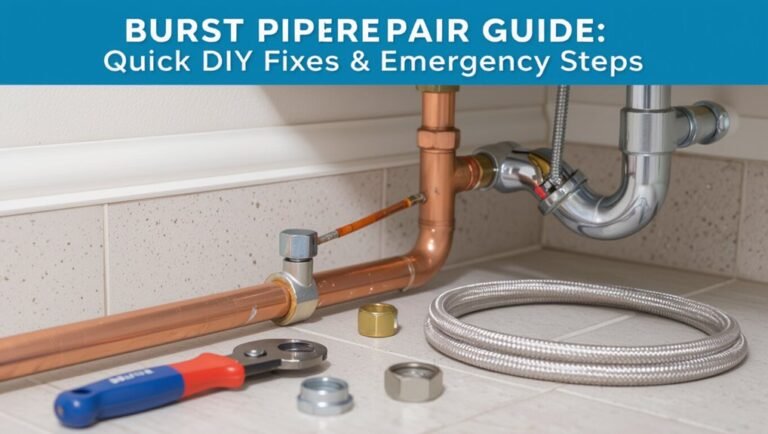
When a polybutylene pipe fails, quick, focused actions can limit water damage and reduce risk until professional help arrives. The homeowner should shut off the main water supply, clear furniture and valuables, and record damage for documentation. Temporary containment and safety measures buy time.
- Close the main shutoff and any local valves.
- Collect water with buckets and towels; protect floors with plastic.
- Apply a pipe clamp, rubber patch, or hose repair kit if reachable.
- Turn off electricity near standing water; avoid contact with energized areas.
- Photograph the leak and note time, flow rate, and affected fixtures.
Typical Costs, Insurance Issues, and What to Expect in an Estimate
Typically, homeowners face a range of costs for polybutylene pipe issues that depend on the extent of damage, the number of fittings and fixtures affected, and whether a partial repair or full re-pipe is required.
Estimates usually itemize labor, materials (pipe, fittings, valves), access and restoration (drywall, flooring), and permit fees.
Insurance may cover sudden, accidental water damage but often excludes gradual deterioration or preexisting conditions; policyholders should review limits, deductibles, and required documentation.
Contractors commonly provide written estimates with line-item pricing, timelines, warranty terms, and change-order policies—compare two or three bids and verify contractor licensing before proceeding.
Finding a Qualified Plumber: Questions to Ask and a Checklist
Before hiring a plumber for polybutylene pipe work, homeowners should prepare targeted questions and a concise checklist to vet qualifications, experience with polybutylene specifically, licensing, insurance, and warranty terms.
The evaluator should confirm past polybutylene jobs, preferred replacement materials, inspection procedures, and adherence to local codes.
References and documented estimates reveal reliability.
Verify that permits will be obtained and that liability and worker’s compensation insurance are current.
Clarify warranty scope and response time for leaks.
A short checklist guides decisions and protects the property owner’s interests.
- Ask about polybutylene-specific experience
- Request license and insurance proof
- Get written estimate and scope
- Confirm permits and code compliance
- Understand warranty and response terms
Conclusion
Polybutylene pipes present hidden risk, visible deterioration, and urgent replacement needs. Homeowners should locate piping, assess damage, and prioritize immediate action or careful monitoring. Understand failure causes, weigh replacement materials and lifespans, and use temporary measures only until professionals arrive. Expect variable costs, insurance hurdles, and detailed estimates. Seek licensed plumbers, ask the right questions, and follow a checklist—prevent leaks, prevent damage, prevent surprises; choose safety, choose durability, choose confidence.