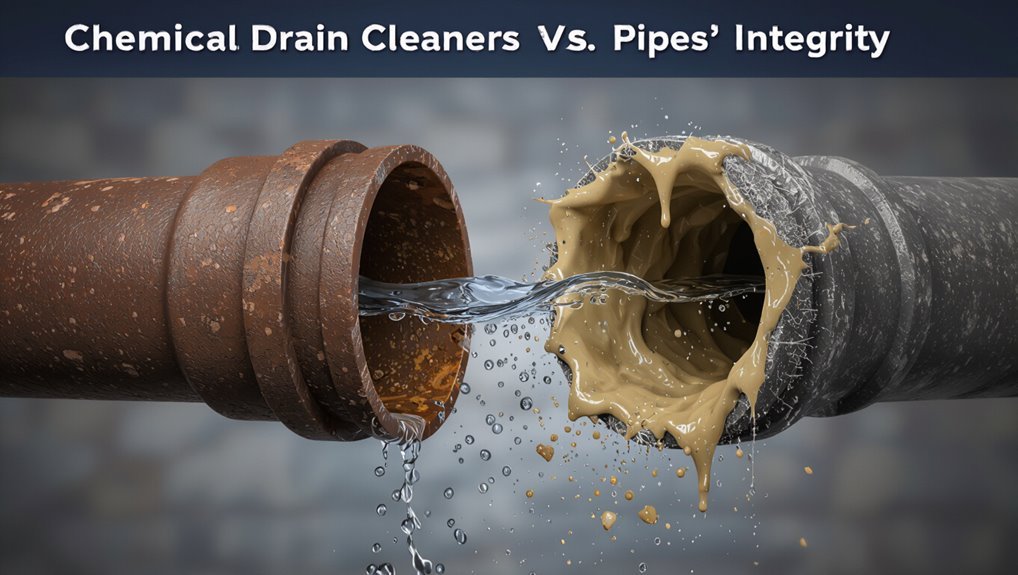
Is Drain Cleaner Bad for Pipes? Safe Alternatives & Tips
Yes, chemical drain cleaners can be harmful to pipes, particularly with frequent use or in older plumbing systems. These strong chemicals can generate heat and strip protective layers, leading to issues like softened PVC, pitting in metal pipes, and weakened joints and seals. Immediate consequences may include blistering, unpleasant odors, and localized leaks, while long-term use can thin pipe walls and encourage corrosion. For safer alternatives to clear clogs, consider using enzymatic cleaners, plungers, or augers. Always follow safety precautions and consult a plumber for persistent or widespread issues to determine appropriate next steps.
Short Answer: Can Chemical Drain Cleaners Damage Pipes?
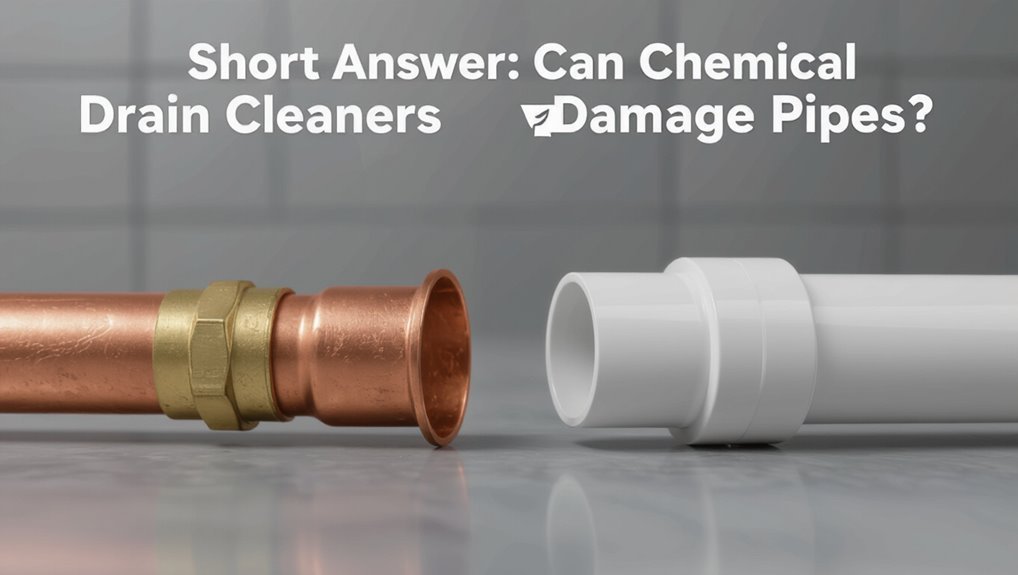
Chemical drain cleaners can damage pipes, especially with repeated use or when the wrong product is applied to certain materials. Corrosive formulations break down organic clogs but can also weaken metal, plastic, and solder joints over time.
Heat from chemical reactions may soften PVC or compromise seals. Hard deposits and partial clogging increase residence time, intensifying exposure.
Occasional, correct-use applications may clear drains without immediate failure, yet cumulative effects raise risk. Alternatives like mechanical augers, enzyme treatments, or professional snaking reduce chemical contact and limit long-term pipe deterioration, preserving plumbing integrity and delaying costly repairs.
Health and Safety Risks of Using Drain Cleaners
Chemical drain cleaners pose risks that include severe chemical burns from splashes or skin contact.
They can release toxic fumes that irritate eyes, throat, and lungs or worsen respiratory conditions.
Improper disposal or spills can also lead to environmental contamination of soil and water.
Chemical Burn Risk
Handle drain cleaners with caution: concentrated lye, sulfuric acid, and oxidizers can cause rapid, severe burns on skin, eyes, and respiratory tissues. Contact may produce immediate pain, blistering, and tissue destruction; delayed effects can obscure injury extent.
Clothing and jewelry trap chemicals, prolonging exposure. First aid requires removing contaminated clothing, flushing affected areas with copious water, and seeking medical evaluation for chemical burns—do not neutralize with other chemicals.
Children and pets are especially vulnerable. Proper storage, use of gloves, eye protection, and careful pouring reduce risk. Professional servicing is preferable for persistent or complex clogs to minimize harm.
Toxic Fumes Exposure
In addition to direct contact hazards, drain cleaners can release toxic fumes that pose serious respiratory and systemic risks. Vapors may irritate eyes, throat, and lungs; asthma sufferers face heightened danger. Exposure can cause coughing, wheezing, headache, dizziness, or chemical pneumonitis in severe cases. Proper ventilation, respiratory protection, and avoiding mixing products reduce risk. If inhalation occurs, move to fresh air and seek medical attention for persistent symptoms.
| Fume Type | Common Source | Health Effect |
|---|---|---|
| Chlorine | Bleach mixes | Respiratory distress |
| Ammonia | Household cleaners | Eye irritation |
| Sulfuric | Strong acids | Chemical burns |
Environmental Contamination
When drain cleaners enter wastewater systems or soil, they can harm aquatic life, disrupt treatment processes, and contaminate groundwater.
Corrosive chemicals and persistent compounds alter pH and oxygen levels, killing fish, invertebrates, and beneficial microbes.
Sewage treatment plants may struggle with neutralizing extreme alkalinity or acidity, increasing operational costs and discharging partially treated effluent.
Contaminants migrating into groundwater pose long-term risks to drinking water sources and ecosystems.
Accidental spills and improper disposal concentrate toxins in sediments, bioaccumulating in food chains.
Minimizing use, following disposal regulations, and choosing biodegradable alternatives reduces environmental contamination and ecosystem damage.
How Drain-Cleaner Formulas Differ (Caustic, Oxidizing, Enzymatic)
Different drain-cleaner types act by distinct chemical mechanisms: caustic cleaners saponify and dissolve organic matter while oxidizing agents break down and gasify debris.
Enzymatic products use biological catalysts to slowly digest organic buildup without harsh reactions.
Compatibility with pipe materials and fixtures varies, so choosing the correct formula and following label guidance is essential.
Caustic vs Oxidizing
Drain-cleaner formulas split into distinct chemical classes—caustic, oxidizing, and enzymatic—each using different reactions to break down clogs.
Caustic cleaners (sodium hydroxide or potassium hydroxide) saponify fats and dissolve organic matter through strong alkalinity and heat; they act quickly on grease but can soften PVC, corrode metal joints, and damage finishes if misused.
Oxidizing cleaners (peroxides, hypochlorite, persulfates) release oxygen to oxidize and fragment organic material, producing heat and gas; they are effective on organic clogs but may discolor fabrics, release irritant fumes, and accelerate corrosion on certain metals.
Appropriate selection balances material compatibility and clog type.
Enzymatic Cleaner Action
Although operating far more slowly than chemical alternatives, enzymatic drain cleaners use targeted biological catalysts to break down organic clog components into soluble, washable fragments. They rely on specific enzymes—proteases, lipases, and amylases—to digest hair, grease, and starches without harsh reactions. Enzymatic formulas work best with standing water and regular maintenance; effectiveness depends on temperature, pH, and contact time. They pose lower corrosion and fume risks, making them suited for routine care rather than emergency clearing of dense blockages. Results accumulate over repeated applications rather than immediate, violent clearing typical of caustic or oxidizing agents.
| Enzyme Type | Target | Typical Use |
|---|---|---|
| Protease | Hair | Weekly maintenance |
| Lipase | Grease | Kitchen drains |
| Amylase | Starch | Laundry lines |
| Cellulase | Paper | Bathtub drains |
Material Compatibility Considerations
When evaluating material compatibility, users should match the chemical action of a drain cleaner to the pipe and fixture materials to prevent damage or accelerated wear. Choice depends on substrate: PVC, ABS, copper, brass, cast iron, enamel and galvanized steel respond differently to caustic, oxidizing, and enzymatic formulas. Consider reaction type, temperature, and sealants; test or consult manufacturer guidance before use. Avoid mixing products.
Recommended assessments include:
- Check manufacturer labels for compatible materials
- Prefer enzymatic for plastic and delicate finishes
- Use oxidizers cautiously on metal, avoiding aluminum
- Reserve strong caustics for resistant cast iron
- Inspect seals and joints afterward
When Chemical Reactions and Heat Harm PVC and Metal
Exposed to strong drain-cleaning chemicals and the heat they generate, PVC and common plumbing metals can soften, warp, corrode, or fracture, creating leaks and structural failure.
Chemical attack can break polymer chains in PVC, reducing strength and making joints brittle.
Exothermic reactions—especially when acids and alkalis mix or contact organic material—raise local temperatures, accelerating degradation and distorting plastic fittings.
Metals face accelerated corrosion: oxidizers strip protective films, while heat increases reaction rates and stresses soldered or threaded connections.
Repeated or concentrated exposure compounds damage, shortening service life and increasing failure risk.
Professional assessment is advised after chemical treatment.
Which Pipe Materials Are Most Vulnerable
Certain materials show greater susceptibility to drain-cleaner chemicals and the heat they produce: PVC and other thermoplastics, galvanized steel, copper, and older lead or brass fittings. Chemical strippers and exothermic reactions can soften or pit plastics and metals, accelerating failure. Choice of cleaner, concentration, and exposure time determine damage risk. Professional assessment is advised when unsure of pipe type.
- PVC and CPVC: soften, warp, or crack under strong alkalis and heat
- Galvanized steel: coating can be stripped, exposing steel to corrosion
- Copper: can be etched or weakened by acidic or oxidizing agents
- Lead/brass: alloy components react variably
- Cast iron: susceptible to localized pitting
Why Older or Corroded Plumbing Reacts Worse
Older or corroded plumbing often has weakened pipe walls that cannot withstand harsh chemical exposure.
Corrosion creates pits and rough surfaces that increase the speed and intensity of chemical reactions with drain cleaners.
This combination raises the risk of leaks, structural failure, and accelerated deterioration when strong cleaners are used.
Weakened Pipe Walls
Prone to thinning from years of water flow and chemical exposure, corroded pipe walls lose the protective layers that once resisted caustic cleaners, making them far more susceptible to pitting, perforation, and accelerated failure when exposed to strong drain-opening chemicals.
Older metal and degraded plastic fittings may hide micro-cracks that expand under chemical attack.
Routine use of harsh chemical cleaners increases the chance of sudden leaks or structural collapse in weakened sections.
Inspection and gentler maintenance reduce risk.
- Reduced wall thickness lowers pressure tolerance
- Hidden fissures propagate under stress
- Joints and seals become brittle
- Localized pitting creates leak points
- Repairs often require section replacement
Accelerated Corrosion Reactions
Corrosion accelerates in aged plumbing because protective films and passivation layers have been compromised, exposing fresh metal or degraded polymer surfaces to aggressive chemicals. Older pipes develop pits and crevices where drain cleaners concentrate, increasing local reaction rates. Electrochemical differences between patched and intact areas create galvanic cells, speeding metal loss. Porous scale traps caustics, sustaining attack. Reactions produce hydrogen gas and soluble metal ions that weaken joints and fittings. Inspection and noncaustic treatments reduce risk; mechanical clearing avoids chemical exposure. Regular maintenance and replacement of compromised sections prevent accelerated degradation and costly failures.
| Issue | Mechanism | Consequence |
|---|---|---|
| Pitting | Localized attack | Leak initiation |
| Galvanic action | Dissimilar metals | Rapid loss |
| Scale entrapment | Chemical concentration | Sustained corrosion |
| Polymer aging | Microcracks | Chemical permeation |
Immediate vs. Long-Term Pipe Damage: What to Expect
In evaluating drain cleaner risks, immediate pipe damage typically appears as visible blistering, pitting, or softening of the pipe wall where a chemical concentrates. Immediate effects are localized, often detectable by discoloration, odors, or leaks.
Long-term damage manifests as thinning, weakness at joints, and accelerated corrosion that shortens service life. Frequency and chemical strength determine progression; repeated exposures worsen integrity over months to years.
- Plastic pipes may deform or craze from strong solvents
- Metal pipes can develop surface pits that become corrosion sites
- Seals and gaskets can harden, crack, or fail
- Microfractures grow under stress cycles
- Repair needs escalate with delayed detection
When a Drain Cleaner Can Make a Clog Worse
While immediate and cumulative pipe damage is a major concern, certain clogs can also be worsened by chemical cleaners. Thick grease, hair mats, and solidified debris may partially dissolve or soften unevenly, creating narrow passages that trap more material downstream.
Chemical reactions can heat or corrode fragile joints, causing collapse or shifting that blocks flow. In sewer lines, dissolved solids can re-solidify farther along, forming tougher plugs.
If a plumber has inserted tools or the line contains plastic fittings, aggressive chemicals may fragment deposits into pieces that lodge in bends. Consequently, inappropriate use of drain solvents can transform manageable clogs into more severe obstructions.
First Try: Safe Enzymatic and Bacterial Drain Treatments
Enzymatic and bacterial drain treatments use natural enzymes and microbes to break down organic matter without harsh chemicals. They are most effective for routine maintenance and gradual organic buildup in kitchen and bathroom pipes rather than for solid obstructions.
Over time, regular use can reduce recurring odors and slow future clogs by maintaining a biologically active, self-cleansing environment.
How They Work
As a biological alternative to caustic chemicals, safe enzymatic and bacterial drain treatments rely on naturally occurring microbes and their enzymes to break down organic matter in pipes. These products introduce selected bacteria that feed on grease, hair, soap scum, and food residues, converting them into water, carbon dioxide, and biomass. Enzymes accelerate specific bonds (proteins, fats, carbohydrates), improving breakdown without harming pipe materials. Activity depends on temperature, pH, and residence time; repeated applications establish a stable microbial community. Application is typically liquid or powder; formulations vary in strain mix and enzyme specificity.
- Target organic buildup
- Enzymes catalyze bond cleavage
- Bacteria consume decomposition products
- Conditions affect efficacy
- Non-corrosive, gradual action
Best Use Cases
Following an explanation of how enzymatic and bacterial treatments break down organic deposits, their best use cases focus on maintenance and mild to moderate clogs caused by organic matter.
Ideal applications include kitchen sinks with food residue, bathroom drains accumulating hair and soap scum, and laundry lines with lint buildup.
They suit regular preventive use, especially in older plumbing where harsh chemicals risk damage.
These treatments perform poorly on mineral scale, grease-heavy blockages, or deep sewer line obstructions and are not appropriate for immediate emergency clearing.
Users should follow product instructions, allow dwell time, and combine with mechanical cleaning when needed.
Long-Term Benefits
When used regularly, safe enzymatic and bacterial drain treatments gradually restore and preserve pipe flow by breaking down organic buildup into water-soluble compounds that are easier to flush away.
Over time, these products reduce odors, slow re-clogging, and minimize the need for harsh chemicals or mechanical intervention. They support healthier plumbing ecosystems and extend fixture lifespan when applied per instructions.
- Gradual reduction of grease and hair accumulation
- Fewer emergency clogs and costly repairs
- Lower corrosion risk versus caustic cleaners
- Safer for septic systems and municipal treatment
- Improved indoor air quality from fewer odors
Plunge and Snake a Clog Safely (Step-by-Step)
Start by clearing the area and assembling a plunger and a drain snake, then put on chemical-resistant gloves and eye protection.
For a plunger, seal overflow openings and add water to cover the cup. Position the plunger over the drain, push gently to expel air, then pump vigorously for 15–20 seconds.
If resistance remains, switch to a hand auger: feed the snake slowly, rotating clockwise to catch debris. When tension is felt, retract while continuing rotation to pull material free.
Flush the drain with hot water to confirm flow.
Sanitize tools and dispose of removed debris safely.
DIY Nonchemical Mixes That Work : And Ones to Avoid
The article compares simple, nonchemical approaches for clearing slow drains, focusing on the baking soda-and-vinegar reaction and a hot-water flush. It outlines how each method is performed, the types of clogs they may help with, and practical limitations.
Safety considerations and situations where these methods should be avoided are noted.
Baking Soda + Vinegar Mix
Often touted as a harmless, homemade solution, the baking soda and vinegar mix relies on an acid-base reaction that produces fizzing and temporary agitation of debris; however, its effectiveness as a drain cleaner is limited to loosening light clogs and is not a substitute for mechanical removal or commercial enzyme products.
It can help with minor odors and surface grime but will not dissolve hair or hardened grease.
Use cautiously in older metal pipes. Expect short-lived results; repeat use offers diminishing returns. Consider these points before trying it:
- Best for fresh, mild odors
- Ineffective on hair masses
- Safe for most modern plastics
- Not a grease solvent
- Temporary relief only
Hot Water Flush Method
When used correctly, a hot water flush is a simple, nonchemical method that can dissolve and carry away fresh grease and soap buildup before it solidifies; it involves pouring or running near-boiling water down the drain in controlled amounts to warm pipes and melt soft blockages without damaging most modern plastic plumbing.
The technique works best for recent, mild clogs: heat the kettle, pour in stages with short pauses to avoid thermal shock, and follow with hot tap water for several minutes.
It is ineffective on hair, mineral scale, or solids and should not replace mechanical clearing for stubborn obstructions.
Biodegradable Commercial Products Worth Choosing
Among available options, biodegradable commercial drain cleaners that balance effectiveness with reduced environmental impact deserve priority selection; they use enzymatic or plant-based formulations to break down organic clogs without harsh caustics, minimizing pipe corrosion and toxic runoff.
Such products typically act slower than strong chemicals but are safer for plumbing, septic systems, and municipal treatment. Selection should favor certified biodegradable labels, low-toxicity ingredients, and reputable manufacturers. Regular use as maintenance can prevent buildup. Consider these features when choosing:
- Enzyme blends targeting grease and hair
- Plant-based surfactants for residue removal
- Low VOC and noncorrosive claims
- Septic-safe certification
- Clear ingredient disclosure
How to Protect Pipes If You Must Use a Chemical Cleaner
Even with biodegradable options preferred, there are situations where a chemical drain cleaner may be the only practical choice; in those cases, steps should be taken to protect pipes and surrounding plumbing. The user should read labels, choose milder formulations, dilute when allowed, and limit contact time. Ventilate the area, wear protective gear, and remove nearby metal or rubber fittings temporarily. After use, flush thoroughly with plenty of water to dilute residues. If corrosion risk exists, consult a plumber before repeating treatments.
| Emotion | Reminder |
|---|---|
| Caution | Read labels |
| Fear | Avoid prolonged contact |
| Relief | Flush well |
| Trust | Consult plumber |
Signs You’ve Damaged Pipes : How to Inspect Them
After using a chemical cleaner, homeowners should inspect visible plumbing for clear signs of damage—corrosion, pitting, blistering, softened or cracked seals, and discolored water flow—since these indicators often appear before a full failure.
A focused inspection notes leaks, odd odors, reduced flow, and residue. Look under sinks, around joints, and at traps; gentle probing with a dry cloth, flashlight, and mirror helps.
If metallic pipes show flaking or PVC has crazing, document it. Immediate temporary measures include shutting off water and containing drips.
- Visible corrosion or flaking
- Wet spots or active drips
- Foul or chemical odors
- Cloudy or discolored effluent
- Cracked or deformed seals
When to Stop DIY and Call a Professional Plumber
Noting physical damage or persistent leaks is a clear signal that a homeowner should stop troubleshooting and contact a licensed plumber.
Professional intervention is also warranted when clogs resist mechanical clearing, when multiple fixtures back up simultaneously, or when sewer odors or gurgling indicate deeper system problems.
Complex issues—corroded pipes, hidden leaks behind walls, sewer line damage, or repeated failures after temporary fixes—require diagnostic tools and permits beyond DIY scope.
A plumber can evaluate structural risks, shut off water safely, perform camera inspections, and implement durable repairs.
Prioritizing safety and preventing escalation justifies timely professional involvement.
Cost and Environmental Trade-Offs: Cleaners vs. Pros
In comparing chemical drain cleaners to professional plumbing services, homeowners must weigh immediate price differences against long-term costs and environmental impacts. Chemical cleaners are cheap and fast but can corrode pipes, damage seals, and introduce toxic effluent; professionals cost more upfront yet often provide durable repairs and safer disposal. Decisions hinge on frequency of clogs, pipe age, and local hazardous-waste rules.
- Short-term cost: consumer cleaner vs service call
- Long-term repair risk and replacement expense
- Environmental toxicity and municipal disposal limits
- Health risks from fumes and skin exposure
- Warranty and liability differences between DIY and pro
Preventive Habits to Reduce Clogs and Avoid Cleaners
Given the trade-offs between cheap chemical fixes and professional repairs, adopting simple preventive habits can greatly reduce the need for either option.
Regularly straining sinks, installing hair traps in showers, and avoiding grease down drains prevent solids and fats from accumulating. Running hot water after dishwashing helps flush residues.
Periodic mechanical cleaning with a plunger or a handheld drain snake removes early buildups before they harden. Disposing of coffee grounds, egg shells, and fibrous vegetable scraps in compost or trash rather than sinks reduces blockages.
Routine inspection of slow drains and prompt minor maintenance avoid escalation to stubborn clogs or corrosive treatments.
Quick Decision Guide: What to Try for Common Clog Types
When facing a slow or stopped drain, a quick decision guide helps determine whether a simple home remedy, a mechanical tool, or professional service is appropriate. The guide categorizes clogs and suggests efficient first responses, escalation steps, and when to stop to avoid damage. It emphasizes safety and pipe-friendly methods, reserving chemicals for only rare, compatible situations.
For common blockages consider:
- Hair in bathroom drains: remove cover, use a drain snake or hook tool.
- Grease in kitchen sink: hot water, baking soda + vinegar, mechanical auger if needed.
- Toilet clogs: plunger, closet auger.
- Shower slow drain: enzymatic cleaner.
- Deep or recurring clogs: call a plumber.
Conclusion
Chemical drain cleaners can damage pipes and pose health risks, yet 60% of households report using them first—an ironic statistic that underscores both reliance and risk. Strong caustic or oxidizing formulas generate heat and corrosion; PVC softens at elevated temperatures, and older metal pipes may pit. Safer enzymatic options, mechanical methods, or calling a plumber often prevent harm. Prioritizing preventive habits and informed choices reduces repairs, exposures, and environmental impact over time.