How to Unclog Coffee Grounds From Sink Quickly and Safely
To quickly and safely unclog coffee grounds from your sink, first stop using the sink and remove any visible grounds with gloves. Then, flush the drain with hot (not boiling) water and dish soap to help break down grease. Use a plunger to apply firm pressure. If the clog persists, try a baking soda and vinegar mixture or an enzyme drain cleaner, or use a drain snake for deeper blockages. Avoid harsh chemicals and boiling water to protect your pipes. Follow these steps for effective unclogging and prevention tips.
Why Coffee Grounds Clog Sinks and Why Fast Action Matters
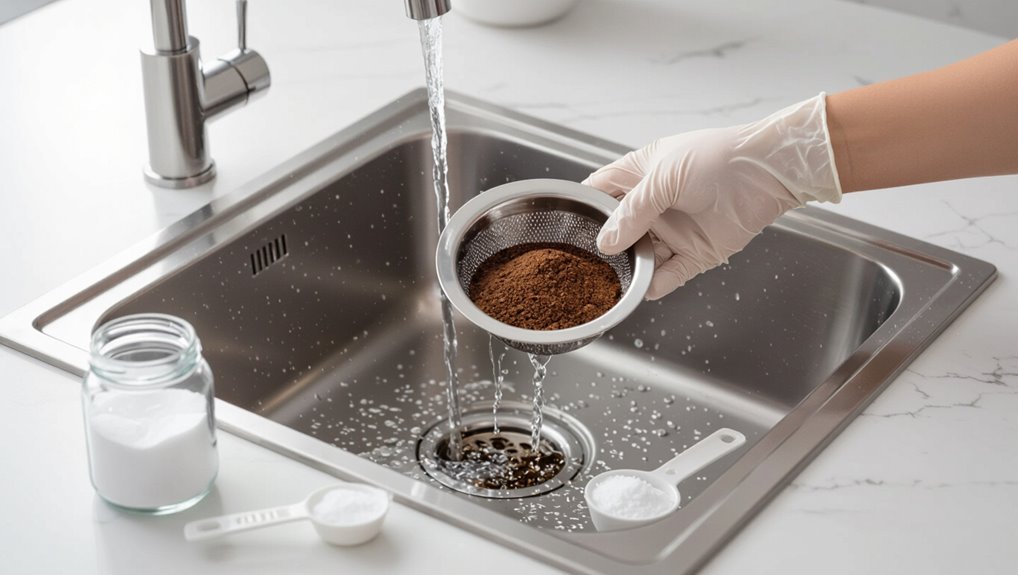
Coffee grounds tend to clump and bind with grease inside pipes, forming dense masses that resist normal flow.
Early signs of a grounds-related clog include slow drainage, gurgling sounds, and sewage odors.
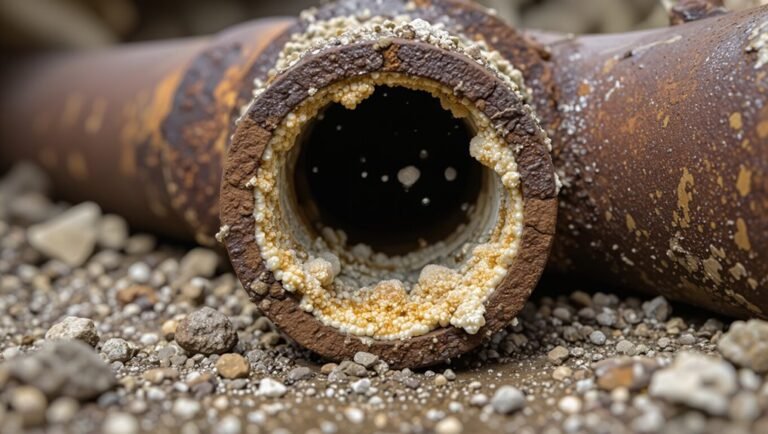
If left untreated, buildup can cause complete blockages, pipe corrosion, and costly repairs.
How coffee grounds behave in plumbing
Pouring grounds down a drain sends tiny, dense particles into pipes where they behave differently than liquid waste.
In plumbing, abrasive granules settle, adhere, and combine with grease, forming compact masses. Flow variations push accumulations into traps and joints.
Understanding this informs how to unclog coffee grounds from sink quickly: prompt mechanical removal and avoiding dispersal reduce buildup and prevent persistent blockages.
Common signs of a grounds-related clog
Noticeable changes in sink performance often signal a grounds-related clog: slow draining, gurgling sounds, or water pooling around the strainer are common early indicators.
Other signs include recurring bad odors localized to the sink, bubbling when nearby fixtures are used, and coffee residue visible on the drain or trap.
Early recognition enables prompt cleaning before more complex interventions become necessary.
Risks of leaving grounds buildup untreated
Those early signs—slow draining, gurgling, pooling water, and odors—can quickly escalate if grounds are ignored.
Accumulated coffee solids compact, trapping grease and debris, reducing flow and causing backups. Persistent buildup accelerates corrosion, damages seals and pipes, invites bacterial growth and foul smells, and increases repair costs.
Prompt removal prevents odors, health hazards, and more invasive plumbing interventions.
Immediate Safe Actions to Unclog Coffee Grounds
The first steps focus on stopping use, removing visible grounds, and pouring hot (not boiling) water to dissolve grease and loosen deposits.
If the clog persists, manual methods such as a plunger or a drain snake/handheld auger can be employed to reach deeper blockages.
A professional plumber should be contacted when DIY efforts fail, when persistent backups occur, or when the user is unsure how to proceed safely.
Step 1 Stop using the sink and remove visible debris
Stop using the sink immediately to prevent further clogging and any risk of overflow.
The person should clear visible coffee grounds and debris by hand or with disposable gloves and a small scoop, placing waste in a trash bag.
Remove strainers or baskets to inspect the drain opening.
Avoid pushing material deeper; pause to assess before proceeding with additional unclogging steps.
Step 2 Use hot (not boiling) water to dissolve grease and loosen grounds
Pour a steady stream of hot — but not boiling — water down the drain to help dissolve greasy residues and loosen compacted coffee grounds.
Maintain flow for several minutes, then pause and test drainage. Repeat if water begins to move more freely.
Use caution with PVC pipes; avoid scalding and never pour boiling water. This softens buildup before further clearing steps.
Step 3 Manual removal with a plunger
Position a sink plunger over the drain and create a tight seal before pumping vigorously.
The person should use steady, forceful strokes, maintaining the seal to dislodge compacted grounds.
After several pumps, pause and lift to check flow.
Repeat as needed until water drains freely.
Rinse with warm water to flush remaining particles and confirm effective clearance.
Step 4 Use a drain snake or handheld auger for deeper clogs
If a plunger fails to clear compacted grounds, the homeowner should reach for a drain snake or handheld auger to tackle deeper blockages.
These tools extend into the pipe to break apart and retrieve trapped material beyond the p-trap.
Insert the auger gently, rotate to snag debris, and withdraw slowly.
Clean the tool and run hot water to flush loosened particles from the drain.
Step 5 When and how to call a professional plumber
When a drain snake or auger fails to restore flow or when signs of a more serious problem appear—recurrent backups, foul odors, slow drainage throughout multiple fixtures, or water pooling under the sink—it’s time to contact a professional plumber.
Provide clear symptom descriptions, recent DIY steps taken, and photos if possible.
Ask about inspection fees, camera diagnostics, warranty, and whether they handle grease and solid-waste blockages.
DIY Methods Using Household Items (Safe for Pipes)
Several safe, household techniques can help clear coffee grounds without harming pipes.
Recommended approaches include a step-by-step baking soda and vinegar routine, a salt followed by hot water flush when the clog is light, and dish soap with hot water for greasy residues.
For persistent or recurring build-up, enzyme-based drain cleaners are noted for their proper use and biological benefits.
Baking soda and vinegar method step-by-step
Begin by clearing any standing water from the sink so the baking soda and vinegar can reach the clog directly; this method uses a measured chemical reaction to loosen and flush away ground coffee without harsh chemicals or risk to standard plumbing.
Pour half a cup baking soda into the drain, follow with one cup white vinegar, cover for five minutes, then flush with hot (not boiling) water to clear debris.
Salt and hot water flush when it works
Pour a generous handful of coarse salt down the drain, then follow with a kettle of very hot (but not boiling) water to help dissolve and carry away compacted coffee grounds.
The abrasive salt scrapes residue from pipe walls while the heat loosens grease and organic buildup.
Repeat once or twice if drainage improves; allow time between flushes.
Effective for minor, recent clogs; not for solid blockages.
Dish soap and hot water for greasy grounds
Use a few squirts of liquid dish soap followed by a kettle of very hot (not boiling) water to break up greasy coffee grounds that cling to pipe walls.
Allow soap to sit several minutes, then flush with hot water. Repeat if needed.
This method dissolves oils binding grounds, loosens residue, and is safe for typical metal and PVC plumbing when not combined with chemical cleaners.
Enzyme-based drain cleaners proper use and benefits
Enzyme-based drain cleaners employ natural enzymes and bacteria to break down organic matter—like coffee grounds, grease, and food particles—into soluble compounds that can be safely flushed away.
They work slowly and are safe for pipes, seals, and septic systems. For best results, follow label directions, apply to standing water or a damp drain, and allow several hours or overnight for enzymatic action to clear buildup.
Tools and Products Recommended for Coffee Ground Clogs
The next section outlines practical tools and products suited for coffee-ground clogs and cautions about chemical use.
Recommended items include:
- Manual tools: plunger, drain snake, zip tool
- Safe chemical and enzymatic products
- Situations to avoid chemical drain cleaners
This will help readers choose effective and pipe-safe options.
Best manual tools (plunger, snake, zip tool)
Several basic handheld tools reliably clear coffee-ground clogs: a cup plunger for sealing and pressure pulses, a flexible drain snake for breaking and extracting compacted grounds, and a zip tool (disposable plastic drain pick) for removing hair and residue near the trap.
Use the plunger first, then snake to dislodge blockages, and finish with a zip tool to clear remaining debris and restore flow.
Safe chemical and enzymatic products
Recommend mild enzymatic cleaners and biodegradable chemical drain cleaners specifically labeled safe for kitchen plumbing when addressing coffee-ground clogs.
These products break down organic buildup gently without attacking metal or PVC.
Follow label instructions, allow recommended dwell time, and rinse thoroughly with hot water.
Use sparingly and choose EPA Safer Choice or equivalent certifications to minimize environmental and surface damage.
When to avoid chemical drain cleaners
After considering mild enzymatic and biodegradable options, attention should turn to situations where chemical drain cleaners are inappropriate.
They should be avoided with older galvanized or PVC pipes, persistent blockages near traps, when a septic system is present, or after recent mechanical attempts that may have stressed plumbing.
Also avoid around pets, children, or when corrosion, leaks, or strong odors indicate structural issues requiring a professional.
Preventing Coffee Ground Clogs Long-Term
Long-term prevention focuses on changing habits and installing simple hardware to keep grounds out of the drain.
Proper disposal—composting or sealed trash—combined with habits like scraping filters into the bin and rinsing with plenty of water reduces buildup.
Adding a sink strainer or using a garbage disposal correctly, plus a routine maintenance schedule, helps keep drains clear.
Proper disposal of coffee grounds (composting and trash)
Dispose of used coffee grounds through composting or the trash to prevent accumulation in plumbing and reduce clog risk.
Grounds benefit compost piles or municipal organic programs, adding nitrogen and improving texture.
When composting isn’t available, bag grounds securely and place them in household waste to avoid spills.
Avoid disposing grounds in sinks, garbage disposals, or drains to minimize buildup and plumbing issues.
Kitchen habits to reduce sink buildup
Several simple kitchen habits can greatly reduce sink buildup and the risk of coffee-ground clogs.
Regularly scraping plates into compost or trash before rinsing, using minimal dishwashing detergent that can bind solids, rinsing with hot water after washing, and wiping counters and sink rims to prevent stray grounds are effective.
Periodic checking and clearing of drain openings prevents accumulation.
Installing a sink strainer or garbage disposal tips
Installing a sink strainer or a garbage disposal provides a practical barrier against coffee grounds reaching the drain pipes, reducing clog risk and easing maintenance.
A fine-mesh strainer catches grounds for disposal; choose stainless steel for durability.
When considering a disposal, select a model rated for small food particles, avoid overloading, and follow manufacturer guidelines.
Professional installation guarantees proper alignment and prevents leaks.
Routine maintenance schedule to keep drains clear
After fitting a strainer or disposal, a simple routine keeps coffee grounds from accumulating and turning into stubborn blockages.
Weekly rinses with hot water and a tablespoon of baking soda followed by vinegar break down residues.
Monthly mechanical checks clear trapped debris and inspect seals.
Immediate removal of grounds after brewing and educating household members prevents buildup, preserving flow and reducing need for repairs.
Troubleshooting Persistent or Recurrent Clogs
When clogs persist despite removing coffee grounds, the problem may include grease buildup, hair, or mineral scale and should be assessed accordingly.
Visible signs such as slow drainage, gurgling noises, foul odors, or damp spots can indicate pipe damage or deeper obstruction that needs inspection.
Before calling a plumber, try cost-effective steps like a plunger, enzyme drain cleaners, removing the trap for manual cleaning, and flushing with hot water.
How to determine if the clog is beyond grounds (grease, hair, scale)
How can one tell if a stubborn sink blockage involves more than coffee grounds? Indicators include slow drainage despite removing visible grounds, recurring backups, foul greasy odor, or oily residue on standing water.
Hair tangles may be visible near the drain mouth. Hard, chalky deposits suggest mineral scale.
Persistence across cleaning methods implies a composite clog requiring targeted treatment or professional help.
Signs of pipe damage or slow drain requiring inspection
Persistent slow drainage or recurring clogs can signal underlying pipe damage that warrants inspection.
Indicators include foul sewage odors, discolored or bubbling water, wet spots or mildew under cabinets, persistent gurgling after drains are used, and sudden pressure loss in multiple fixtures.
Visible cracks, corrosion, or repeated backups despite clearing methods also suggest compromised pipes needing professional assessment.
Cost-effective steps before hiring a plumber
If indicators of pipe damage are absent or minor, homeowners can try several cost-effective troubleshooting steps before calling a plumber.
First, remove visible debris and use a plunger or plumber’s snake to clear grounds.
Flush with hot water and a baking soda–vinegar cycle.
Check and clean the P-trap.
Repeat cautiously; consult a professional if clog recurs or drains slow.
Safety Precautions and Mistakes to Avoid
The section outlines key safety precautions and common mistakes to prevent further damage when removing coffee grounds from a sink.
It explains why pouring boiling water or strong chemical cleaners can warp pipes or create hazardous reactions, and warns against DIY actions that push clogs deeper.
It also covers safe handling of basic tools and products to reduce injury and avoid contamination.
Why boiling water and harsh chemicals can be harmful
Although boiling water and concentrated drain cleaners might seem like quick fixes, they can damage pipes, seals, and finishes and pose safety risks to people and pets.
Extreme heat can warp PVC and loosen joints; chemical caustics corrode metal, ruin rubber gaskets, and emit toxic fumes.
Residues may react unpredictably with other cleaners.
Safer, controlled methods are recommended.
Avoiding DIY mistakes that worsen clogs
Proceeding cautiously reduces the risk of turning a simple sink clog into a costly repair.
Avoid repeatedly running the disposal, forcing objects down the drain, or using excessive chemical cleansers.
Do not dismantle complex plumbing without basic knowledge.
Refrain from combining cleaners or improvising plungers that can damage seals.
When unsure, stop and consult a professional to prevent worsening the blockage.
Safe handling of tools and products
Wear proper protective gear and handle tools and cleaning agents with care to minimize injury and avoid damaging plumbing.
Users should wear gloves and eye protection, disconnect power before using motorized tools, and follow label instructions for chemicals.
Use noncaustic alternatives when possible, ventilate the area, and avoid mixing cleaners.
Inspect tools for damage and store chemicals securely away from children and pets.
Quick Reference: Fastest Methods Ranked by Speed and Safety
Ranked here are the fastest, practical ways to clear coffee grounds from a sink, ordered by a balance of speed and safety. Methods are concise, prioritized, and paired with brief cautions.
| Method | Notes |
|---|---|
| Plunger | Quick, nonchemical; needs seal |
| Manual removal | Precise, safe; use gloves |
| Hot water flush | Effective for light clogs; avoid pipes handling grounds |
Conclusion
A quiet kitchen counters a clogged drain: morning ritual interrupted, grounds pooling like dark confetti. Swift hands reach for a plunger or a jar of hot water, practical gestures against the small domestic rebellion. Simple solutions—cold scooping, hot water flushes, baking soda and vinegar—stand beside sturdier options: a flexible snake or professional help. With prompt, careful action, the nuisance resolves; the routine resumes, ordinary again after a brief, stubborn interruption.