
How to Tell If Your Septic Tank Is Full: 12 Signs and What to Do Next
If you suspect your septic tank is full, look for these key signs: soggy or overly lush areas in your yard, pooling water near the drain field, persistent sewage odors, slow or gurgling drains, toilets that back up or rise, and frequent clogs. These issues can arise from improper waste disposal, chemical use that disrupts bacteria, heavy rain, or mechanical failures. Ignoring these signs can lead to health risks and costly repairs. If you notice any of these indicators, contact a licensed service immediately for assistance. More detailed steps, causes, and prevention strategies are outlined below.
How to Know If Your Septic Tank Is Full: Key Indicators
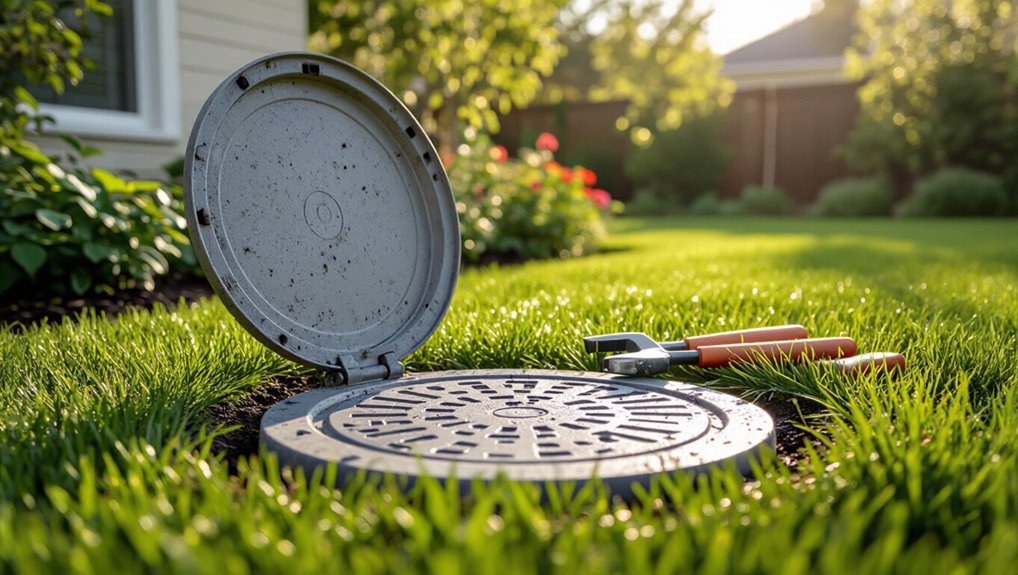
Visible signs on the surface and yard, such as soggy patches or unusually lush grass, often indicate septic system trouble.
Inside the house, slow drains, gurgling toilets, and persistent odors point to plumbing and air-quality issues related to a full tank.
Water-use patterns and data from inspections or maintenance reports provide additional confirmation and timing for pumping.
Visible signs on the surface and yard
A sunken patch of lawn, unusually lush grass, or pooling water near the drain field can indicate septic system trouble; these surface changes often reflect underlying saturation or failure of the tank or leach lines.
Observers checking how to tell if septic tank is full should note odors, soggy soil, persistent puddles, and sudden vegetation patterns.
Mark and report these areas promptly for inspection.
Plumbing behavior inside the house
How can indoor plumbing reveal a septic tank problem?
Slow drains, toilets that gurgle or back up, and multiple fixtures clogging simultaneously suggest effluent isn’t draining properly.
Water levels that rise in toilets after using other appliances indicate pressure issues.
Frequent need to plunge or persistent low water flow in showers and sinks can signal a full or failing septic system requiring inspection.
Odors and air quality cues
Odors and poor indoor air quality often provide the earliest clues of a full or failing septic tank.
Persistent sewage smells near drains, toilets, basement floor drains, or around the yard indicate gases escaping from the system.
Foul, sulfuric, or musty odors that worsen with wind or rain signal a problem.
Immediate inspection and professional assessment are advised to prevent health risks and environmental damage.
Water usage and drain performance signals
When did household drains begin to slow or back up unexpectedly?
Reduced flushing power, sluggish sinks, and recurring backups during laundry or showers indicate impaired flow.
Simultaneous issues across fixtures suggest septic or drainfield stress rather than isolated clogs.
Persistent gurgling, slow emptying tubs, or toilets needing multiple flushes signal accumulated solids or saturated leach fields and warrant prompt evaluation.
Reporting from maintenance and inspection tools
Beyond household symptoms, objective data from maintenance and inspection tools provides clearer confirmation of a full septic tank.
Technicians rely on probe readings, effluent levels, and riser inspections to quantify liquid depth. Video camera inspections reveal solids accumulation and baffle condition.
Pump records and alarm logs document frequency and timing. Combined, these reports determine necessity for pumping, repairs, or drainfield evaluation.
Immediate Steps to Take When You Suspect a Full Tank
When a septic tank is suspected to be full, immediate short-term actions focus on preventing sewage backups by minimizing water use and avoiding activities that send large volumes down the drains.
The homeowner should stop using appliances and fixtures that discharge significant water—such as washing machines, dishwashers, and baths—and limit toilet and sink use to essentials.
Temporary measures like covering spills, using absorbent materials for minor overflows, and placing containers of baking soda or activated charcoal can help control odors until professional service arrives.
Short-term actions to prevent backups
Act quickly to reduce water use and avoid flushing or running appliances that send wastewater to the septic system.
Close outdoor faucets, postpone laundry and dishwashing, and minimize showering.
Divert graywater where safe, place towels around fixtures if slow drains appear, and clear visible vents.
Contact a professional for inspection and pumping; document odors, backups, and unusual sounds to aid diagnosis.
When to stop using water and which fixtures to limit
If a septic tank is suspected to be full, household water use should be curtailed immediately: stop using toilets except in true emergencies, avoid showers and baths, and refrain from running the dishwasher, washing machine, or any appliance that discharges to the system.
Limit faucet use to essential needs only, delay laundry and dishwashing, and suspend garbage disposal. Minimize simultaneous water flows and inform household members of restrictions.
Temporary measures for odor and spill control
Contain spills and mask odors immediately by cutting off water flow to affected fixtures, covering visible wastewater with heavy plastic or tarps, and placing absorbent materials (cat litter, rags, or sawdust) around leaks to prevent tracking.
Then ventilate areas, use activated charcoal or baking soda for mild odor control, isolate contaminated items, and call a professional pump service for safe cleanup and repairs to prevent health risks and property damage.
How to Confirm a Full Septic Tank
Homeowners can start with simple, safe DIY checks—visual inspection of alarms, slow drains, and accessible cleanouts—to gather evidence a tank may be full.
If uncertainty remains, a licensed septic professional can perform a thorough inspection, including riser access, probing, sludge and scum measurements, and camera or dye testing.
Regular scheduling of inspections and pumping, typically every 3–5 years but adjusted for household size and tank use, helps prevent backups and confirms tank condition.
DIY checks you can safely perform
Several simple, safe checks can help determine whether a septic tank is nearing capacity without calling a professional immediately.
Inspect yard for unusually wet or soggy spots, foul odors near drains or the tank area, slow drains in multiple fixtures, and gurgling noises in plumbing.
Check the tank access lids for obvious overflow or scum lines visible when safely opened.
Professional inspection methods and what they include
When a homeowner suspects the septic system is full, a licensed septic professional can perform a systematic inspection that goes beyond basic visual checks to confirm tank capacity and system function.
The inspection typically includes opening and measuring sludge and scum levels, evaluating inlet/outlet baffles, checking for leaks or root intrusion, testing drainfield absorption, and using camera or dye tests to diagnose blockages or failures.
How often to schedule inspections and pumping
Although usage patterns and tank size influence timing, a regular inspection schedule is essential to confirm a full septic tank before it causes backups or system damage.
Homeowners typically arrange inspections every 1–3 years; pumping frequency varies from 3–5 years for average households.
Higher usage, garbage disposals, or smaller tanks require more frequent checks and earlier pumping to prevent failures.
Common Causes of Septic Tanks Becoming Full Quickly
Several factors can cause a septic tank to fill faster than expected, including high household water use and frequent laundry loads.
Flushing or draining inappropriate items, seasonal groundwater rise or heavy rain, and aging components or mechanical failures also contribute.
Identifying which of these is present helps prioritize corrective steps.
Household habits that overload the system
Many routine household behaviors — excessive laundry, frequent garbage disposal use, and high water-flow fixtures — can drive a septic system to fill faster than design capacity, overwhelming bacteria and causing solids to accumulate in the tank.
Continuous irrigation runoff, long showers, multiple simultaneous appliances and failing to stagger water use increase hydraulic load, reducing treatment time and accelerating sludge buildup, risking backups and drainfield stress.
Inappropriate items flushed or drained
Beyond high water use, improper items sent down drains or toilets are a leading cause of rapid septic tank filling.
Non-biodegradable wipes, sanitary products, diapers, paper towels, and cotton swabs obstruct inlet/outlet pipes and reduce bacterial breakdown.
Household chemicals, grease, and excessive detergents kill beneficial microbes, slowing digestion.
Regular disposal of solids in trash and using septic-safe products prevents premature backups and costly repairs.
Environmental and seasonal contributors
Seasonal weather patterns and local environmental conditions can accelerate septic tank filling by affecting soil absorption, groundwater levels, and system biology.
Heavy rains saturate drainfields, reducing percolation and forcing effluent back into tanks.
Frozen ground limits dispersal during winter.
High water tables from prolonged wet seasons shorten drainfield effectiveness.
Drought can concentrate solids, altering microbial breakdown and increasing scum and sludge accumulation.
Mechanical failures and system age
Mechanical wear and component failures accelerate tank filling when critical parts no longer operate as designed.
Aging baffles, cracked tanks, failed pumps, and clogged effluent filters reduce treatment efficiency and cause solids carryover or backups.
Reduced drainfield permeability from collapsed laterals or root intrusion compounds problems.
Regular inspections, timely component replacement, and prompt repairs prevent rapid filling and costly system failures.
Risks and Consequences of an Overfull Septic Tank
An overfull septic tank can release pathogens and nitrates that threaten household health and contaminate local groundwater.
Continued overflow or backups may corrode pipes, flood basements, and damage landscaping and foundations.
Postponing service increases repair and cleanup costs, often making emergency replacements far more expensive than routine maintenance.
Health hazards and environmental contamination
Overflowing septic tanks pose direct risks to human health and the environment by releasing untreated sewage that contains pathogens, nitrates, and harmful chemicals into soil, groundwater, and surface water.
Contamination can spread disease, taint drinking wells, harm aquatic life, and disrupt ecosystems.
Long-term nutrient loading causes algal blooms, oxygen depletion, and biodiversity loss, increasing public health costs and environmental remediation needs.
Structural damage to plumbing and property
Excess sewage pressure and backed-up effluent strain pipes, joints, and fixtures, leading to cracks, blockages, and premature failure of plumbing components.
Continuous saturation can undermine foundations, warp flooring, and corrode metal supports.
Yard subsidence and foul odors indicate subsurface leaks.
Interior damage includes stained ceilings, ruined finishes, and mold growth.
Immediate inspection prevents escalation and preserves structural integrity.
Cost implications of delaying service
Beyond the physical harm to plumbing and foundations, postponing septic service quickly compounds financial liabilities.
Repair bills escalate—from routine pumping to costly drainfield replacement, sewage cleanup, and property remediation. Insurance may not cover neglect-related damage, and untreated backups can reduce property value or delay sales.
Prompt maintenance minimizes expenses, prevents emergency replacements, and preserves long-term asset value through predictable, lower-cost interventions.
How Septic Tank Pumping and Maintenance Work
Septic tank pumping typically involves opening the tank, removing solids and scum with a vacuum truck, and inspecting components. This process often takes one to a few hours depending on tank size and access.
Costs vary by region, tank capacity, and condition. Professionals estimate frequency—usually every 3–5 years—by measuring sludge and scum levels and evaluating household usage.
Technicians often provide written records or service agreements outlining capacity, recommended intervals, and past maintenance for owner reference.
What pumping involves and how long it takes
Pumping a septic tank requires a professional crew to locate the tank, open the lids, and remove accumulated solids, scum, and partially clarified effluent using a high-volume vacuum truck.
The technician then inspects baffles, inlet/outlet pipes, and the tank interior for damage before replacing lids and cleaning the work area.
Typical service takes one to three hours depending on tank size, sludge level, and access constraints.
Typical costs and what affects price
Costs for septic tank pumping and maintenance vary widely, typically ranging from $200 to $600 for routine pumping of a standard single-family tank.
Full-service maintenance or repairs push totals into the low thousands.
Final cost depends on tank size, accessibility, sludge level, local labor rates, required repairs (baffles, risers, leach field work), permit fees, and emergency or off-hour service surcharges.
How professionals determine tank capacity and pumping frequency
Beyond price factors and repair needs, professionals next assess how big a tank must be and how often it should be emptied.
They evaluate household size, water usage patterns, fixture types, and wastewater strength, then inspect tank dimensions and baffle condition.
Flow measurements and past service history inform recommended intervals.
Seasonal variations and local regulations also adjust pumping frequency to prevent backups and system failure.
Recordkeeping and service agreements
A single, well‑organized record file helps guarantee consistent septic care by documenting inspection dates, tank capacities, pumpings, repairs, sludge and scum measurements, and the technician’s recommendations.
Service agreements outline routine schedules, response times, and warranty coverage.
Clear records support accurate billing, regulatory compliance, and long‑term system planning.
Homeowners should retain copies and update them after every service to preserve system performance and resale value.
Preventive Maintenance to Avoid a Full Tank
Preventive maintenance focuses on reducing input and protecting system biology to keep a septic tank from filling prematurely.
Practical measures include water‑saving and flow management, careful disposal choices and avoiding harmful household chemicals, thoughtful landscaping and drainage around the drainfield, and a critical look at whether additives offer real benefit.
Each topic warrants clear guidelines to minimize solids accumulation and preserve system performance.
Water-saving practices and load management
When household water use is reduced and distributed evenly, the septic system experiences less strain and a lower risk of premature filling. Simple measures—shorter showers, full loads in washers and dishwashers, and fixing leaks promptly—directly decrease the volume entering the tank.
Staggering high‑water activities, installing low‑flow fixtures, and monitoring usage patterns extend drainfield life and delay necessary pumping.
Proper disposal and products to avoid
Many common household items and chemicals should never enter a septic system because they disrupt bacterial balance, clog pipes, or accelerate solids accumulation.
Dispose of grease, coffee grounds, feminine hygiene products, wipes, diapers, and cotton swabs in trash.
Avoid harsh solvents, antibacterial cleansers, bleach, and drain cleaners.
Use septic-safe detergents and toilet paper sparingly.
Regularly pump and follow local hazardous-waste disposal rules.
Landscaping and drainage considerations near the drainfield
A properly designed yard around a drainfield preserves soil absorption and protects the septic system from damage.
Plant shallow‑rooted grasses only; avoid trees and shrubs whose roots invade pipes.
Maintain positive surface drainage away from the field and route roof runoff elsewhere.
Prevent vehicle traffic and heavy compaction.
Regularly inspect for pooling or soggy spots and address erosion promptly to sustain system performance.
Additives and treatments: do they help?
Landscaping choices and proper drainage reduce the load on a septic system, but homeowners often look for chemical or biological fixes to further prevent a full tank.
Scientific evidence is mixed: routine additives rarely replace pumping or proper use. Some enzyme or bacteria products may help in limited cases, but overuse can harm drainfields.
Professional assessment and scheduled maintenance remain primary recommendations.
Signs That Require Emergency Professional Help
When sewage begins backing up into the home, immediate professional attention is required to prevent health risks and property damage.
Large, persistently wet or soggy areas in the yard can indicate a failing system that needs urgent inspection.
Strong, persistent sewage odors indoors or outdoors also signal conditions that warrant emergency service.
Sewage backups into the home
Several clear indicators signal a septic emergency: foul sewage backing up into sinks, toilets overflowing with raw waste, or sewage pooling on basement floors.
Immediate evacuation of affected areas, shutting off water use, and contacting a licensed septic professional are imperative.
Do not attempt DIY repairs or use chemical treatments.
Professionals will assess blockage, pump the tank, and repair or replace damaged plumbing to prevent health hazards.
Large wet or soggy areas in the yard
Large, persistently soggy patches or standing water in the yard near the drain field often indicate a failing septic system that requires immediate professional attention.
Saturated soil can no longer absorb effluent, risking surface contamination, foul odors, and rapid spread of pathogens.
Homeowners should avoid traffic, keep pets and children away, stop water use if possible, and call a licensed septic contractor for urgent inspection and repair.
Persistent strong sewage odors indoors or outdoors
Persistent wet or soggy ground near the drain field is often accompanied by foul odors.
Persistent strong sewage smells indoors or outdoors signal a more urgent problem requiring immediate professional attention.
Such odors indicate system failure, backflow, or leaks allowing gas and pathogens into living spaces.
Professional inspection, tank pumping, and repair of damaged pipes or drain field components are urgent to protect health and property.
Choosing a Septic Service Provider
When selecting a septic service provider, homeowners should prepare a list of specific questions about experience, methods, and response times.
They should verify certifications, insurance coverage, and any service guarantees to reduce liability and guarantee proper work.
Comparing written quotes and the scope of services helps identify the best balance of price and quality.
Questions to ask before hiring
Why ask specific questions before hiring a septic service provider? Clear inquiries reduce risk, guarantee suitable services, and set expectations.
Ask about experience, service scope, and typical response times. Request references and examples of similar jobs. Clarify pricing structure and written estimates.
Verify emergency availability and communication methods.
- Experience and references
- Services offered and limitations
- Pricing and estimates
- Emergency response options
Certifications, insurance, and guarantees to look for
Beyond questions about experience, scope, and pricing, homeowners should verify the provider’s formal credentials to reduce liability and guarantee quality work.
Look for state or local septic contractor licenses, proof of workers’ compensation and general liability insurance, and environmental permits.
Request written service guarantees, warranty terms on parts and labor, and documentation of compliance with local wastewater regulations before hiring.
Comparing quotes and service levels
Although cost is a key factor, homeowners should weigh quotes against service scope, response times, and included maintenance to determine true value. Compare line-item pricing, emergency fees, inspection frequency, and warranty terms. Prefer transparent, itemized estimates and references. Evaluate technician qualifications and availability before deciding.
| Item | Consideration |
|---|---|
| Price | Line-item clarity |
| Response | Emergency availability |
| Maintenance | Included inspections |
| Warranty | Coverage length and limits |
Cost-Saving Tips and Long-Term Management Strategies
Practical planning reduces unexpected septic expenses by prioritizing budgeting for routine pumping and timely repairs.
Investing in targeted upgrades or full replacements can extend system longevity and lower long-term costs.
Simple, safe DIY maintenance tasks—such as monitoring water use, conserving solids, and protecting drainfield vegetation—help stretch budgets between professional services.
Budgeting for routine pumping and repairs
When homeowners plan for long-term septic system care, allocating funds for regular pumping and occasional repairs should be treated as a predictable, recurring expense rather than an emergency cost.
Establish a dedicated savings account, estimate annual service and minor repair costs, and divide by pay periods.
Compare provider quotes, schedule preventative inspections, and adjust contributions after each service to maintain adequate reserves without overspending.
Upgrades and replacements that increase longevity
After establishing a reserve for routine pumping and minor repairs, homeowners can further reduce lifetime costs by investing in targeted upgrades and timely component replacements that extend system life.
Priorities include replacing corroded lids, upgrading to effluent filters, installing risers for easier access, and swapping failing pumps or control panels with energy-efficient models.
Professional inspection guides appropriate choices and timing.
DIY maintenance tasks homeowners can safely do
Homeowners can perform several straightforward, low-risk tasks to keep a septic system functioning efficiently.
Regularly inspect lids and risers, pump effluent filters annually, conserve water to reduce load, avoid pouring grease and chemicals down drains, and divert roof drains and sump pumps away from the drainfield.
Keep detailed records of maintenance and service dates to anticipate future needs and costs.
Quick Reference Checklist: What to Do When You Suspect a Full Septic Tank
When signs point to a full septic tank, a concise emergency checklist helps homeowners act quickly and avoid damage. The following steps prioritize safety, temporary mitigation, and prompt professional contact.
Keep the list accessible and follow each item in order until service arrives.
- Stop all water use and appliances that drain to the septic system.
- Inspect visible components (manhole, lids, drainfield) from a safe distance without opening sealed parts.
- Call a licensed septic professional and describe observed symptoms and any odors.
- Minimize toilet and sink use, collect greywater externally for non-potable needs, and post a notice for household members.
Step-by-step emergency checklist for homeowners
Any household facing signs of a failing septic system should follow a concise, prioritized checklist to minimize damage and health risks.
Stop water use, avoid toilets and drains, and shut off nonessential appliances.
Contain odors and runoff; keep people and pets away.
Contact a licensed septic service immediately, notify neighbors if contamination risk exists, and document observations and actions for repair and insurance.
Conclusion
When a septic tank nears capacity, the household feels it in subtle and obvious ways—slow drains, odors, soggy ground. Acting swiftly prevents worse damage: pump, inspect, and curb water use while a professional diagnoses causes. Preventive care—regular pumping, mindful disposal, and routine inspections—keeps systems flowing like a well-tuned instrument. In short, timely attention turns potential disaster into routine maintenance, saving money, health, and peace of mind.