How to Stop Water Heater From Beeping: Quick Fixes and When to Call a Pro
If your water heater is beeping, it typically indicates issues such as low batteries, sensor errors, overheating, leaks, or gas and venting problems. To quickly address this, start by noting any error codes, checking the power supply and batteries, resetting the unit, flushing out sediment, and inspecting leak sensors or flame components. However, if the beeping continues, or if you detect a gas smell, see any leaks, or receive repeated high-temperature warnings, immediately turn off the power or fuel and contact a certified technician. For detailed diagnostics, safety measures, and maintenance tips, continue reading.
Why a Water Heater Beeps and What the Sound Means
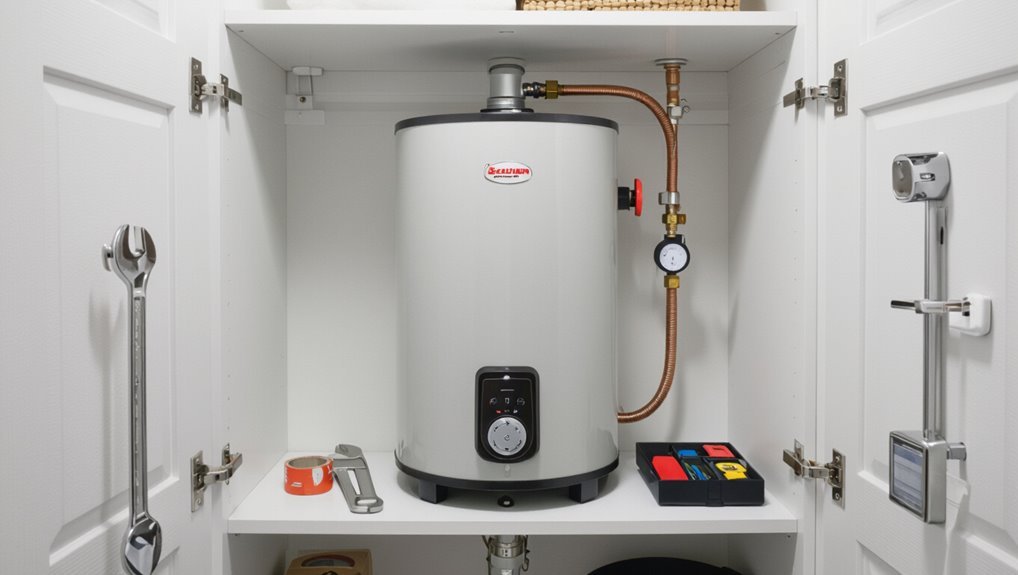
Water heaters emit distinct beep patterns that typically signal specific conditions such as low battery, high temperature, or error codes.
The meaning of those patterns can vary by type—electric, gas, or tankless units use different sensors and alert protocols.
Some beeps are informational while rapid or continuous alarms often indicate an emergency that requires immediate attention.
Common beep patterns and their typical causes
Several distinct beep patterns typically indicate specific issues with a water heater, and recognizing them helps diagnose the problem quickly.
Short, repeated beeps often signal low battery or power warnings; long continuous tones indicate overheating or high-temperature cutoff.
Intermittent chirps suggest sensor faults or scale buildup.
Understanding patterns guides how to stop water heater from beeping and whether professional service is required.
Differences between electric, gas, and tankless unit alerts
How do alerts differ across electric, gas, and tankless units?
Electric heaters usually signal element failure, high temperature, or control faults with repetitive beeps tied to digital panels.
Gas models often warn of ignition failure, pilot issues, or venting problems via simpler alarm tones.
Tankless units emit codes and beeps for flow sensor, burner, or scaling faults, often accompanied by displayed error numbers.
When beeping indicates an emergency
When alarms shift from routine reminders to urgent beeps, they signal conditions requiring immediate attention to protect occupants and property.
Persistent, rapid, or loud beeping can indicate gas leaks, carbon monoxide detection, overheating, pressure relief valve failure, or electrical faults.
Evacuation, shutting off fuel or power, ventilating, and contacting emergency services or a certified technician are appropriate responses to suspected hazardous failures.
Quick Troubleshooting Checklist to Stop the Beeping
A concise checklist guides the reader through the fastest ways to silence a beeping water heater, starting with reading the display or error code and verifying power.
It then covers safe reset procedures, battery checks for remotes and detectors, and inspection of temperature and pressure settings.
The list finishes by checking for recent power outages or surges that may have triggered the alarm.
Step 1 Check the display/error code and power status
Begin by inspecting the water heater’s display for any error codes and confirming whether the unit has power.
Note code numbers or flashing indicators and consult the manual for meanings.
Verify the breaker or fuse feeding the heater is on and that any visible power switches are set correctly.
Record observations for reference if professional service becomes necessary.
Step 2 Resetting the unit safely
Reset the unit only after confirming power is off and any error codes have been noted.
The technician follows manufacturer procedures: disconnect power at the breaker, wait recommended time, then press the reset button or cycle power per instructions.
Document any displayed codes beforehand.
If the reset fails or codes persist, cease attempts and schedule a qualified service call to diagnose electrical or control faults.
Step 3 Inspecting and replacing batteries (remote panels, leak detectors, control panels)
Check the battery-powered components—remote panels, leak detectors, and control-panel backup cells—since depleted batteries are a common, easily fixed cause of persistent beeping.
Inspect contacts for corrosion, replace batteries with manufacturer-specified types, and reseat covers. After replacement, observe for continued alarms; document dates and battery types.
If beeping persists and batteries are confirmed fresh, proceed to further diagnostics or professional service.
Step 4 Confirming temperature and pressure settings
One or two quick measurements can reveal whether incorrect temperature or pressure settings are triggering the alarm: measure the water temperature at a hot faucet with a reliable thermometer and read the water pressure at the heater’s inlet with a gauge.
Compare readings to the heater’s manual limits (typically 120–140°F and 40–60 psi).
Adjust thermostat or pressure regulator cautiously; retest and observe if beeping stops.
Step 5 Checking for recent power outages or surges
If the heater began beeping shortly after a blackout or lightning storm, a recent power interruption or voltage spike may have tripped internal diagnostics or corrupted electronic controls; confirming recent outages and power quality is hence a logical next step.
Check utility outage maps, home surge protector status, circuit breaker history, and smart meter alerts.
Reset the unit per manufacturer instructions and monitor for recurring faults before calling an electrician.
Easy DIY Fixes for Specific Beep Causes
The section lists straightforward, do-it-yourself steps for common beep triggers so readers can address them without a service call.
It covers replacing a dead control-panel battery, resetting a tripped high-limit switch and correcting overheating, cleaning or replacing a dirty flame sensor on gas units, flushing sediment from tank-style heaters, and checking leak-detection sensors or water alarms.
Each fix is presented with basic precautions and when to stop and call a professional.
Fix for low or dead control-panel battery
Check the control-panel battery when intermittent beeping occurs without any other fault indicators.
Power off the unit, open the panel, and inspect the small backup battery or coin cell.
Replace with the manufacturer-specified type, ensuring correct polarity.
Reassemble, restore power, and confirm beeping stops.
Dispose of old batteries properly.
If beeping persists, consult the manual or a technician.
Fix for tripped high-limit switch or overheating
Inspect the water heater’s high-limit switch and temperature settings when persistent beeping suggests overheating or a safety trip.
Turn power off, let the tank cool, then reset the high-limit button per manufacturer instructions.
Verify thermostat setpoint (120°F/49°C recommended) and inspect for signs of thermostat failure or stuck heating element.
If beeping resumes or components look damaged, contact a licensed technician.
Fix for faulty or dirty flame sensor (gas heaters)
Clean or replace a faulty flame sensor to stop intermittent beeping on gas water heaters when the control module fails to detect a steady pilot flame.
Power off, access the burner assembly, gently remove and clean the sensor with fine emery cloth or steel wool, then reinstall.
If corrosion or damage persists, replace the sensor.
Test operation; persistent alarms indicate professional service.
Fix for sediment buildup in tank-style heaters
Sediment buildup in tank-style water heaters can trigger audible alerts by causing overheating, mineral interference with sensors, or insufficient water flow; addressing it typically involves flushing the tank to remove accumulated debris.
A DIY flush: shut power/gas, close inlet, attach hose to drain valve, open drain and pressure-relief valve, flush until clear, refill, restore power.
Repeat annually as maintenance.
Fix for leak-detection sensor or water alarm issues
After flushing sediment from the tank, attention should turn to electronic leak-detection sensors and floor-mounted water alarms, which often emit beeps that are unrelated to heating issues.
Inspect sensors for moisture, debris, or displaced probes; dry and reposition them. Replace batteries and reset according to the manufacturer.
If persistent false alarms continue, replace the sensor or consult a technician to verify wiring or concealed leaks.
Fix for condensation or venting-related alarms (tankless units)
When condensation or venting problems trigger alarms on tankless water heaters, the issue usually stems from blocked exhaust, improper slope in the venting, or excessive moisture buildup in the unit.
Inspect and clear vents, guarantee proper downward slope or condensate trap, tighten seals, and remove debris.
Restart the unit per manufacturer instructions.
If alarms persist or odor/smoke appears, contact a qualified technician.
When Beeping Persists: Diagnostic Tests to Run
If beeping continues after basic fixes, the next step is to run targeted diagnostic tests to identify the fault.
This includes reading any error codes, testing the thermostat and high‑limit switches safely, checking electrical connections and circuit breakers, and inspecting gas supply and pilot or ignition components.
Results from these tests guide whether repair or professional service is required.
How to read and interpret error codes
One clear step is to consult the water heater’s error-code display or manual to translate beeps into specific fault codes, since manufacturers use distinct patterns or alphanumeric messages to identify issues such as ignition failure, high temperature, or sensor faults.
Then interpret codes against the manual, note frequency, and log occurrences.
- Flash patterns
- Numeric codes
- Alphanumeric messages
- Manual cross-check
How to test thermostat and high-limit switches safely
Before opening the unit, guarantee power and gas are fully shut off and the area is well-ventilated; this prevents electrical shock, accidental ignition, and exposure to combustible fumes.
Using a multimeter, measure thermostat continuity at ambient temperature and across setpoints.
Test the high-limit switch for open/closed state and proper reset operation.
Replace faulty components, following manufacturer specs, or contact a licensed technician.
How to check electrical connections and circuit breakers
Begin by visually inspecting the water heater’s electrical connections and the associated breaker panel to identify loose wires, corrosion, burnt insulation, tripped breakers, or mismatched breaker ratings that could trigger persistent beeping.
With power off, tighten terminals, clean contacts, and replace damaged wiring or lugs.
Verify breaker condition and proper amperage; reset or swap with identical-rated breakers if needed before restoring power.
How to inspect gas supply and pilot/ignition components
If electrical connections and breakers check out yet the water heater continues to beep, attention should shift to the gas supply and pilot/ignition system as common sources of intermittent alarms.
Inspect the gas valve for proper position and odor. Verify pilot flame size, color, and steady ignition.
Check thermocouple/igniter for corrosion or loose connections. If doubts persist, shut gas off and call a qualified technician.
Safety Steps to Take Immediately if Beeping Signals Danger
If the heater’s alarm suggests imminent danger, immediate, specific precautions are required.
For suspected gas leaks, occupants should evacuate, avoid switches or flames, and notify the gas supplier and emergency services from a safe location.
For electrical faults or burning odors, shut off power at the breaker if safe to do so and call a qualified electrician.
For confirmed water leaks, prioritize shutting off the water supply and moving people and valuables away from flooding.
Actions for suspected gas leaks
Recognize that a persistent or loud beeping from a gas water heater can indicate a dangerous leak and requires immediate, decisive action to protect occupants and property.
Evacuate everyone immediately, avoid open flames or electronics, and do not operate switches.
If safe, shut off the gas supply at the meter, move to a safe distance, and call the gas company or emergency services for inspection and repair.
Actions for electrical faults or burning smells
Act quickly when a water heater emits electrical arcing sounds, a persistent buzzing, or a distinct burning odor, as these signs indicate an active electrical fault or overheating that can cause fire or shock.
Immediately shut off power at the breaker, evacuate occupants if smell is strong, avoid touching the unit, and call a licensed electrician or service technician.
Do not attempt repairs.
Actions for confirmed water leaks or flooding risk
When beeping indicates a confirmed leak or an imminent flood, immediate containment and safety-focused shutdowns are paramount.
The observer should shut off the water supply at the tank’s valve and the home’s main, cut power at the breaker if safe, and move people and valuables away.
Call a licensed plumber and, if significant flooding occurs, emergency services or water mitigation professionals.
When to Call a Professional Plumber or HVAC Technician
If beeping persists after basic troubleshooting or accompanies leaks, gas smells, or erratic heating, a professional plumber or HVAC technician should be contacted.
Typical repairs—such as thermostat replacement, ignition or control board fixes, and leak repairs—have variable costs and turnaround times that depend on parts and labor availability.
Homeowners are advised to hire technicians with proper certifications, liability insurance, and positive reviews or references to guarantee safe, reliable service.
Clear signs you need professional service
Several clear indicators mean a water heater requires professional attention rather than DIY troubleshooting.
Persistent beeping despite resets, visible leaks, discolored or rusty water, unusual banging or loud noises, gas odor or pilot light issues, and repeated temperature fluctuations signal underlying failures.
Rapidly rising utility bills or safety alarms also warrant licensed plumber or HVAC intervention to diagnose and repair complex electrical, gas, or tank faults.
Expected costs and timeframes for common repairs
Typical repair jobs for beeping water heaters vary widely in cost and duration depending on the cause and system type. Common fixes range from simple sensor replacements to tank or control board repairs; labor and parts influence estimates. Example pricing and timeframes:
| Repair | Typical Cost | Typical Time |
|---|---|---|
| Thermostat/sensor | $80–$200 | 0.5–1.5 hrs |
| Control board | $150–$500 | 1–3 hrs |
| Element/valve | $100–$350 | 1–2 hrs |
| Tank replacement | $800–$3,500 | 3–6 hrs |
How to choose a qualified technician (certifications, insurance, reviews)
When should a homeowner call a professional for a beeping water heater?
A qualified technician should be certified (plumbing, HVAC, or gas where applicable), carry liability and worker’s compensation insurance, and offer clear licensing.
Verify experience via recent reviews, references, and photos of similar repairs.
Request written estimates, warranty details, and confirm emergency availability before hiring.
Preventive Maintenance to Avoid Future Alarms
A clear preventive plan helps minimize beeping by addressing common causes before they trigger alarms. Recommended schedules vary by type—annual flushing and inspections for tank units, periodic descaling for tankless systems, and hybrid-specific checks—while homeowners can perform simple tasks like checking pressure relief valves, draining a few gallons, and clearing vents.
Installing water sensors, surge protectors, and remote monitors further reduces false alarms and provides early warning of developing problems.
Recommended maintenance schedule for tank, tankless, and hybrid heaters
Establishing a regular maintenance schedule prevents many common causes of water heater beeping and extends unit lifespan.
Technicians recommend annual inspections for tank units, biannual checks for tankless systems, and yearly hybrid service.
Check anode rods, descale, test safety controls, and verify ventilation and condensate drains.
Typical schedule imagery:
- Yearly tank inspection
- Biannual tankless descaling
- Annual hybrid tune-up
- Safety control testing
Simple homeowner maintenance tasks
Keep simple maintenance tasks on a regular checklist to prevent most alarm triggers and extend the heater’s life.
Homeowners should flush tanks to remove sediment, inspect and tighten electrical and plumbing connections, test temperature and pressure relief valves, clean air intakes on tankless units, and replace anode rods as needed.
Document dates and notes to spot wear and schedule professional service when irregularities appear.
Upgrades and accessories that reduce false alarms (water sensors, surge protectors, remote monitoring)
Install targeted upgrades and accessories to cut false alarms and catch real issues earlier.
Water sensors placed near the tank and drains detect leaks fast and silence nuisance beeps by distinguishing moisture events.
Surge protectors guard electronic controls from transient spikes that trigger alerts.
Remote monitoring systems provide status alerts, diagnostics, and firmware updates, enabling timely interventions and reducing unnecessary service calls.
Real-World Scenarios and Solutions
The section presents common real-world situations and practical fixes for persistent water heater beeping.
It covers a step-by-step reset after a power outage, a diagnostic approach for intermittent beeps with no obvious faults, and likely causes and remedies when beeping occurs alongside loss of hot water.
Each scenario pairs clear troubleshooting steps with safety checks to guide resolution or phasing to professional service.
Scenario: Unit started beeping after a power outage step-by-step resolution
After a power outage, a water heater may resume operation with an audible alarm indicating an error or paused function.
This paragraph outlines a concise, step-by-step approach to diagnose and silence the beeping safely.
Inspect power and breaker, reset the unit per manufacturer, check error codes on the display, confirm venting and pilot status, clear minor faults, and if beeping persists, contact a licensed technician.
Scenario: Intermittent beeping with no visible problem diagnostic approach
Address intermittent beeping by treating it as an intermittent fault signal rather than a one-off nuisance:
begin with a concise checklist to isolate electrical, sensor, and control causes.
Inspect power stability and loose connections, test/reset ground fault and breaker, check sensor wiring and probe cleanliness, review error history or diagnostic LEDs, and perform a controlled reboot.
If intermittent persists, schedule professional diagnostics for intermittent board or relay faults.
Scenario: Beeping combined with loss of hot water likely causes and fixes
When beeping coincides with a loss of hot water, it typically signals a functional fault rather than a minor nuisance. Common causes include thermostat or control board failures, a tripped high-limit or ground-fault device, burner or heating-element failure, blocked combustion/venting on gas units, or interruption of power to the heating circuit.
Diagnosing starts by noting the beeper pattern and any displayed error code, checking that power and fuel supplies are intact, confirming thermostat and high-limit status, and inspecting burners/elements and venting for obvious faults before escalating to component-level testing or professional service.
Subsequent fixes range from resetting tripped limits, restoring power or fuel, replacing failed elements or thermostats, cleaning vents or burners, to calling a qualified technician for control-board or sealed-system repairs.
Cost vs. Risk Guide: DIY vs. Professional Repair
A clear assessment of cost versus risk helps determine when a homeowner can safely handle a beeping water heater and when a professional is warranted.
Simple tasks like resetting an alarm, replacing batteries, or tightening loose connections are generally low-risk and suitable for most homeowners.
Issues involving gas lines, electrical components, or active warranties should be left to licensed technicians to avoid safety hazards or voiding coverage.
Low-risk repairs suitable for most homeowners
Homeowners can handle several low-risk water heater fixes themselves—such as replacing batteries in alarm panels, resetting the thermostat, draining a small amount of sediment from the tank, or cleaning a flame sensor—because these tasks require minimal tools and carry limited safety exposure.
Follow manufacturer steps, shut power/gas when instructed, use basic hand tools, document settings before changes, and test system operation after completing work.
High-risk or warranty-sensitive issues to avoid DIY
Although some fixes are straightforward, certain water heater problems present significant safety hazards or can void warranties if attempted without professional training.
Tasks to avoid include gas control or burner adjustments, electrical component replacement on powered units, pressure relief valve tampering, major tank repairs, and improper venting work.
These require licensed technicians to mitigate fire, explosion, scalding, or warranty nullification risks.
How warranty and service plans affect repair decisions
After outlining repairs that should be left to licensed technicians to prevent hazards or voided warranties, attention shifts to how existing warranties and service plans shape repair choices. Warranties often require certified service; service plans may cover diagnostics. DIY risks include voiding coverage and unexpected costs. Evaluate coverage, deductibles, and long-term value before deciding.
| Factor | Impact |
|---|---|
| Warranty terms | Limits DIY |
| Service plan coverage | May include labor |
| Deductible | Affects cost-benefit |
| Claim process | Time and documentation needed |
Conclusion
A quiet house after persistent beeps feels like a small victory, yet the truth behind the alarm matters more than silence. Investigating whether a loose sensor, scald risk, or failing control panel caused the sound turns relief into assurance. Imagining a technician tightening a wire, flushing sediment, or replacing a part reframes anxiety as action. Practical checks and timely calls transform mystery into safety, ensuring the heater’s calm reflects real, not false, security.