
How to Keep a Septic System From Freezing: Essential Winter-Proofing Tips and Checklist
To prevent your septic system from freezing during winter, maintain a steady water flow, insulate tanks and exposed pipes, and keep lids and vents clear of snow. Start by running a trickle of water and staggering your appliance use. For seasonal preparation, conduct pre-winter inspections, schedule regular pumping, insulate with foam or blankets, and protect the drain field from compaction. Simple solutions like heat tape can help thaw minor issues, but for persistent problems, consult a professional.
What Causes Septic Systems to Freeze and Why It Matters
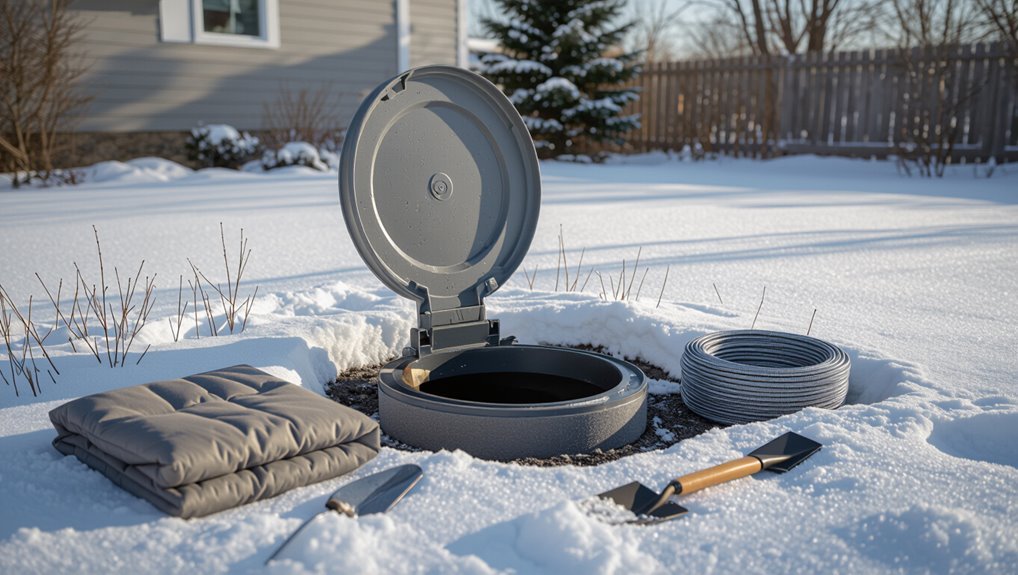
Freezing can obstruct septic tanks, pipes, and drain fields, leading to backups, damaged components, and impaired treatment.
Factors that raise freeze risk include prolonged cold, shallow or poorly insulating soil, low system usage, and exposed or poorly insulated lines.
Early warning signs include slow drains, gurgling, sewage odors, and visible frost or ice near system components.
How freezing affects septic tanks, pipes, and drain fields
When temperatures drop and ground insulation thins, septic systems can suffer damage because water inside tanks, distribution pipes, and drain-field trenches expands as it turns to ice and restricts normal flow.
This can lead to backups, cracked pipes, compromised bacterial activity, and impaired soil absorption that together reduce system function and increase repair costs.
Understanding how to keep a septic system from freezing guides targeted prevention and maintenance.
Risk factors that increase freeze likelihood (climate, soil, usage)
Because several interacting factors determine vulnerability, some septic systems are far more likely to freeze than others.
Cold climates with prolonged subfreezing temperatures, shallow tank or pipe burial, sandy or poorly insulating soils, and high groundwater reduce thermal protection.
Low household usage, extended absences, and systems handling only small, intermittent flows fail to maintain warmth, increasing freeze probability and operational risk.
Signs a septic system is freezing or at risk
Given those risk factors, signs that a septic system is freezing or at imminent risk become more pronounced and easier to detect if one knows what to look for.
Indicators include slow drains, gurgling toilets, sewage odors near the tank or drainfield, unusually wet or sunken ground, and ice forming over tank lids.
Early detection prevents backups, costly repairs, and environmental contamination.
Immediate Steps to Take When Temperatures Drop
When temperatures fall suddenly, homeowners should take immediate, simple actions to reduce freeze risk around the septic tank and drainfield.
Practical steps include leaving a trickle of water in faucets, keeping toilet tanks partially filled, and running key appliances briefly to maintain flow through pipes.
If ice forms, drains back up, or the system shows signs of failure, a professional emergency service should be contacted promptly.
Quick homeowner actions to reduce freeze risk
Act promptly as temperatures drop to reduce the risk of a septic system freezing: minimize water use, reroute nonessential drains, and maintain heat in and around the tank and pipes.
Inspect and clear snow from access lids, add temporary insulation over tank and exposed lines, guarantee attic and crawlspace vents are sealed, and monitor for slow drains or gurgling.
Call a professional if issues persist.
How to leave faucets, toilets, and appliances to prevent freezing
After taking immediate measures around the tank and pipes, homeowners should turn attention to fixtures inside the house: leaving faucets, toilets, and appliances in a manner that keeps water moving minimally reduces freeze risk in the plumbing lines.
Open a trickle at cold taps, leave interior cabinet doors open near plumbing, run dishwasher/washing machine on occasional short cycles, and rarely flush to maintain minimal flow.
When to call a professional emergency service
Recognize the limits of DIY measures and contact a professional emergency service if signs of a failing septic system appear or if temperatures and ice are creating immediate risk: persistent sewage backups, frozen or bulging vent and distribution lines, cracked or heaving tank lids, or inability to restore flow after basic thawing steps.
Professionals assess hazards, perform safe thawing, repair damage, and prevent contamination or structural collapse.
Winter-Proofing Checklist for Septic Systems
A concise winter-proofing checklist helps guarantee a septic system remains functional through cold weather.
Key actions include pre-winter inspection and maintenance, insulating vulnerable components, and protecting the drain field and landscaping to retain heat:
- Inspect and maintain before winter arrives; add insulation to pipes, tanks, and risers
- Protect and prepare the drain field; manage household water use in cold spells
- Use snow cover and landscaping strategies to conserve warmth and prevent freezing
Inspect and maintain before winter arrives
Begin by scheduling a thorough inspection and basic maintenance tasks well before the first hard freeze to reduce freezing risk and catch issues while repairs are easier and less costly.
A qualified technician should pump the tank if needed, check inlet/outlet baffles, examine drainfield flow, test alarms and effluent levels, and repair cracks or leaks.
Document findings and confirm follow-up actions.
Insulation options for pipes, tanks, and risers
Following a pre-winter inspection and any necessary repairs, attention should turn to insulating exposed components to reduce freeze risk and preserve system function.
Suitable options include foam pipe sleeves for inlet/outlet lines, rigid foam boards or spray foam around tanks and risers, and insulated riser covers or removable lids.
Guarantee materials are moisture-resistant, secured against wind, and allow access for maintenance.
Protecting and preparing the drain field
When temperatures drop, protecting the drain field focuses on insulating the soil, minimizing surface disturbances, and reducing water inputs that can saturate and freeze the bed; ensuring a thick, undisturbed cover of vegetation and mulch, redirecting gutters and runoff away from the area, and limiting heavy traffic or construction over the field help maintain thermal stability and proper percolation.
Install snow fencing, add 6–12 inches of mulch, and avoid parking or building atop the field.
Managing household water use in cold weather
Although cold weather itself doesn’t damage a septic system, reduced ground temperatures and intermittent heavy water use can combine to overwhelm a tank and drain field.
Managing household water use in winter consequently focuses on spreading laundry and dishwasher loads, fixing leaks promptly, and avoiding large, concentrated discharges that can flood and freeze the absorption area.
Households should stagger appliances, minimize simultaneous showers, insulate exposed pipes, and monitor for drips.
Snow cover and landscaping strategies to retain heat
One practical line of defense against septic freezing is maintaining consistent snow cover and using landscaping to trap insulating air and soil warmth over the tank and drainfield.
Encourage undisturbed snow accumulation, avoid clearing above system components, and plant deep-rooted, noninvasive grasses or shrubs to stabilize soil and reduce wind exposure.
Mulch adds extra insulation; monitor vegetation to prevent roots from infiltrating system parts.
Avoiding heavy vehicles and compaction over the system
Keep heavy equipment and vehicles off the area above the septic tank and drainfield to prevent soil compaction that reduces insulation and impedes proper wastewater flow.
Compacted soil transfers cold more readily, increasing freeze risk. Mark and fence the system footprint, route heavy traffic elsewhere, and avoid parking, grazing, or storing materials atop the field.
Periodically inspect for rutting and restore turf to maintain insulating vegetation.
Backup heating and power considerations
When temperatures drop and utility outages become more likely, preparing independent heating and power solutions for a septic system can prevent freeze-related failures.
Backup measures include a properly sized generator, battery-backed control boxes, and thermostatically controlled tank heaters or heat tapes rated for septic use.
Maintain safe fuel storage, routine testing, and professional installation to avoid electrical hazards and guarantee consistent operation during prolonged cold or outages.
Step-by-Step Guide to Insulating a Septic System
A concise list of required materials, typical costs, and tool needs frames the insulation task.
Clear instructions follow for wrapping above-ground pipes and external fixtures, securing and insulating access risers and lids, and protecting the tank openings.
The guide closes with recommended techniques for adding insulation over the drain field that preserve soil biology and drainage.
Materials needed and cost considerations
Materials and costs for insulating a septic system vary by climate, tank type, and chosen method; essential items typically include rigid foam board or spray foam, insulation blankets, geotextile fabric, stakes or anchors, and basic tools such as a utility knife and caulk gun.
Estimated costs range from $100–$800 for DIY materials; professional installation can reach $1,000–$3,000 depending on scope and site access.
How to insulate above-ground pipes and external fixtures
Several straightforward steps protect above-ground septic pipes and external fixtures from freezing by creating a continuous thermal barrier and preventing wind chill.
Inspect and clear surfaces, then wrap pipes with foam sleeve insulation, securing seams with waterproof tape.
Add removable insulated covers for hose bibs and vents.
Seal gaps where pipes enter structures.
Consider temporary heat tape for extreme cold, following manufacturer safety instructions.
How to insulate and protect septic tank access risers and lids
Following protection of above-ground lines, attention turns to insulating septic tank access risers and lids, which are common points of heat loss and freezing.
Install insulated riser covers or rigid foam rings, seal gaps with weatherproof silicone, and add removable insulated lids for maintenance access.
Protect lids with a breathable tarp or wooden box and secure fasteners to prevent wind displacement and water infiltration.
Best practices for insulating the drain field without harming it
When insulating a drain field without damaging the soil biology or piping, prioritize shallow, breathable insulation methods that preserve drainage and root respiration.
Use loose straw, hay, or untreated wood chips (6–12 inches) placed evenly; avoid impermeable fabrics or heavy mulch.
Maintain vegetation, prevent compaction, keep heavy equipment off the area, and guarantee access for inspection.
Monitor moisture and replace organic cover each season.
Long-Term Maintenance to Prevent Freezing
Long-term prevention focuses on routine actions that keep the system functioning through cold months.
A regular pumping schedule, seasonal inspections for leaks or frozen lines, and targeted upgrades such as effluent filters or septic-heater systems all reduce freeze risk.
Clear documentation of pumping dates, inspection findings, and any winter-specific repairs or upgrades helps track effectiveness and plan future maintenance.
Regular pumping schedule and why it matters in winter
Maintain a consistent pumping schedule to reduce solids buildup that can freeze, block pipes, or impair bacterial action during cold months.
Regularly removing solids prevents sludge from rising into distribution components, maintains proper tank capacity, and sustains effective microbial digestion despite lower temperatures.
Scheduling based on household size, tank volume, and usage history minimizes freeze risk and costly emergency repairs by keeping the system functioning efficiently.
Seasonal inspections and what to check
Because seasonal temperature shifts change how a septic system functions, scheduled inspections before and during winter are essential to spot vulnerabilities early.
Inspectors should check tank levels, lid seals, baffle integrity, and inlet/outlet flow.
Examine drainfield surface for pooling or frost patterns, verify vent and pipe insulation, and confirm snow removal access.
Document findings and schedule repairs promptly to prevent freezing-related failures.
Upgrades that reduce freeze risk (effluent filters, septic-heater systems)
Following seasonal inspections, homeowners can pursue targeted upgrades that materially lower the risk of freezing and reduce repair frequency.
Installing effluent filters minimizes solids entering drainfields, improving flow and preventing ice blockages.
Adding septic-tank heaters or thermostatically controlled heat cables maintains wastewater above freezing in cold snaps.
Both upgrades complement insulation and regular pumping, extending system resilience with modest operational costs.
How to document and track winter maintenance
When winter approaches, homeowners should establish a simple, consistent system for recording inspections, maintenance actions, and any anomalies related to the septic system.
A logbook or digital spreadsheet should note dates, temperatures, tasks performed, technician contacts, and photos.
Regularly review entries to spot patterns, schedule preventive service, and confirm thawing measures.
Retain records season-to-season for informed decisions and warranty support.
Comparing Freeze-Prevention Options
A concise comparison of insulation, heating elements, and landscaping helps owners weigh pros and cons, cost versus effectiveness, and when professional installation is warranted. The table below summarizes key trade-offs for quick reference. Further discussion will explain which approaches suit different budgets and site conditions.
| Option | Strengths | Considerations |
|---|---|---|
| Insulation | Low cost, passive protection | May be insufficient in extreme cold |
| Heating elements | Highly effective when powered | Higher upfront and operating costs |
| Landscaping | Natural, low-maintenance buffer | Requires space and time to establish |
Pros and cons of insulation methods, heating elements, and landscaping
Several practical approaches exist to prevent a septic system from freezing, each with distinct advantages and trade-offs:
Insulation (blankets, added soil) reduces heat loss but may trap moisture and requires proper thickness.
Heating elements (heat cables, thermostatic heaters) provide reliable thawing but need power, monitoring, and safe installation.
Landscaping (windbreaks, plantings) minimizes exposure with low maintenance but offers slower, less controllable protection.
Cost vs. effectiveness for common solutions
Typically, homeowners weigh both upfront costs and long-term effectiveness when choosing freeze-prevention measures for septic systems.
Insulation and landscaping are low-cost, moderate-effectiveness options. Electric heat tape and buried thermostatic heaters cost more but deliver reliable protection.
Raising system cover depth or adding mulch offers affordable supplemental benefit.
Budget, climate severity, and maintenance needs determine ideal cost-effectiveness trade-offs.
When professional installation is recommended
When local climate, system complexity, or safety concerns increase the risk of freezing or improper installation, homeowners should hire a qualified professional to evaluate and install preventive measures.
Professionals assess soil, insulation needs, and electrical heater placement, guarantee compliance with local codes, and reduce liability.
Choose licensed septic contractors with winterization experience; request references, written estimates, and warranties before authorizing work.
Common Mistakes and Pitfalls to Avoid
Certain practices can increase the risk of septic freezing or cause system damage, such as piling heavy snow over the drainfield or allowing excessive water use during cold snaps.
Improper use of DIY heaters or poorly installed insulation can create hazards or fail to protect the system.
Ignoring early warning signs like slow drains, gurgling, or frost around access points often leads to more severe and costly problems.
Actions that can worsen freezing or damage the system
Avoid pouring chemicals, attempting DIY insulation fixes without guidance, or repeatedly running water solely to prevent freezing, as these actions can exacerbate freezing or harm system components.
Ignoring professional inspection, compacting cover soil with heavy equipment, or piling snow/ice against lids increases freeze risk and damages pipes.
Flushing non-biodegradables or overusing antifreeze-like products can clog, corrode, or disrupt bacterial balance.
Misuse of DIY heaters or improper insulation
DIY heaters and makeshift insulation often create a false sense of security that leads to risky installations and overlooked hazards.
Homeowners may block vents, use combustion devices near tanks, or install unregulated electric heaters without proper thermostats.
Poorly fitted insulation traps moisture, promotes mold, and shifts with frost heave.
Professional-grade solutions, proper ventilation, and adherence to codes prevent fire, carbon monoxide, and system damage.
Ignoring early warning signs
After discussing risky heater and insulation practices, attention must turn to the habit of overlooking early warning signs that a septic system is struggling.
Ignoring slow drains, gurgling noises, foul odors, wet patches near the tank, or unusually lush lawn areas delays intervention and increases freeze risk.
Prompt detection, routine inspections, and timely repairs prevent costly failures and winter freezes.
Troubleshooting Frozen Septic Components
Distinguishing a frozen pipe from a frozen tank begins with symptoms and simple inspections: slow or backed-up fixtures and cold spots along exposed lines point to pipe freezing, while widespread system failure and icy access lids suggest tank freezing.
Safe thawing methods—gentle heat applied with a hair dryer, warm towels, or electrical heat tape—should target pipes and access points while avoiding open flames or excessive heat that can damage components.
If thawing fails, odors persist, structural damage is suspected, or repeated freezes occur, professional repair or replacement should be arranged.
How to identify a frozen pipe vs. a frozen tank
How can one tell whether freezing has affected a septic pipe or the tank itself?
Indicators differ: localized lack of water flow, cold or solid-feeling supply/drain pipes, and frost on visible runs suggest pipe blockage.
Broad system backup, ice crust over the drainfield, frozen access riser, or uniformly frozen effluent point toward a frozen tank.
Inspect patterns, odors, and external temperatures to distinguish.
Safe methods to thaw pipes and access points
Once the source of freezing—pipe blockage or a frozen tank—has been assessed, attention turns to safe techniques for thawing affected pipes and access points.
Apply gentle, controlled heat: warm towels, space heaters positioned safely outside lids, or heat guns at low settings while avoiding direct flame.
Insulate exposed risers, open lids cautiously to release pressure, and monitor for leaks during thawing.
When thawing requires professional repair or replacement
If thawing attempts fail or reveal damaged components, a professional assessment is necessary to identify whether repair or replacement is required.
A qualified septic contractor inspects tanks, pipes, pumps, and alarms, locates structural cracks, collapsed lines, frozen or burned wiring, and compromised seals.
They recommend targeted repairs or full component replacement, provide cost estimates, and guarantee compliance with codes and safe disposal of contaminated materials.
Real-Life Scenarios and Solutions
Real-life examples help owners match remedies to site conditions and usage patterns.
Consider these common scenarios and suggested approaches:
- Rural property with minimal snow cover: tailored strategies
- High-usage household during winter: water management tips
- Properties with shallow soil or high water table: specialized solutions
Rural property with minimal snow cover: tailored strategies
In many rural properties where snowfall is sparse, the lack of insulating snow cover increases the risk of septic components freezing.
Owners must adopt strategies that compensate for exposure and cold-air penetration. Recommended measures include adding deep organic mulch or straw over tanks and lines, constructing windbreaks, insulating exposed pipes and lids, ensuring proper tank burial depth, and scheduling professional inspections before sustained cold.
High-usage household during winter: water management tips
When a household maintains high winter water use—multiple daily showers, frequent laundry, and guests—the continuous flow can both prevent freezing in drain lines and strain septic system capacity.
Properties with shallow soil or high water table: specialized solutions
Because shallow soil and high groundwater restrict insulation and drainage, properties with these conditions require tailored strategies to prevent septic freezing and system failure.
Solutions include raised or above-ground tank installations, engineered mound systems, and heat-traced lines.
Regular pump-outs, timely inspections, and professional site evaluations determine feasibility.
Vegetative windbreaks and insulating covers further reduce heat loss while preserving system function.
Recommended Products and Services
Recommended products and services for preventing septic freeze include approved insulation materials (rigid foam, spray foam, and insulated covers) and manufacturer-rated kits designed for below‑grade tanks.
Septic-specific electric heaters, thermostats, and low-voltage warmers should be selected for compatibility and safety with the tank type and local codes.
When hiring a septic service provider, consumers should verify licensing, insurance, references, and experience with winterization and freeze prevention.
Types of insulation materials and rated products
Insulation choices for septic systems vary by climate, soil type, and installation depth, and selecting the appropriate material affects both freeze protection and long-term maintenance.
Common options include rigid foam boards (EPS/XPS) for durable, high R-value coverage; fiberglass batts in accessible crawlspaces; and loose-fill cellulose for irregular trenches.
Look for moisture-resistant, rodent-resistant ratings and manufacturer R-value specs for site-appropriate selection.
Septic-specific heaters and thermostats
Septic-specific heaters and thermostats provide targeted freeze protection by maintaining safe temperatures within tanks, risers, and exposed piping while minimizing energy use.
Electrically powered tank heaters, low-wattage cable wraps and frost-proof riser heaters pair with adjustable thermostats or remote probes.
Reliable models include over-temperature cutoffs, watertight housings and certified wiring.
Proper sizing and placement guarantee efficient operation without overloading circuits.
How to choose a reliable septic service provider
How should homeowners evaluate septic service providers to guarantee reliable, timely care? Homeowners should verify licensing, insurance, and local references, confirm experience with winterization and freeze prevention, request written estimates and maintenance plans, check response times and emergency availability, and review online ratings and Better Business Bureau records. Compare warranties, ask about diagnostic tools, and insist on clear communication and documented service reports.
Seasonal Timeline and Action Plan
A concise seasonal timeline guides homeowners through preventative and responsive steps to protect a septic system from freezing.
Early fall tasks focus on inspections, insulation, and adjusting landscaping to improve drainage, while a last-minute winter checklist emphasizes reducing wastewater volumes and protecting vents and pipes.
After thaw, a post-winter inspection and recovery plan identifies any damage, clears ice-obstructed components, and schedules repairs or pumping as needed.
Tasks to complete in early fall
Early fall calls for a focused checklist to reduce the risk of a septic system freezing:
Inspect and service the tank, schedule pumping if needed, repair damaged lids or vents, clear nearby debris, confirm proper grading and drainage, insulate exposed pipes and the tank access, trim roots near the drainfield, and review household water use to minimize excess flow before cold sets in.
Last-minute winter checklist
With cold weather imminent, a concise last-minute checklist guarantees the septic system is ready for freezing conditions.
Confirm heater or tank insulation is intact, clear snow from vent pipes and access lids, maintain moderate household water use, secure any external hoses, top up thawing additives only if recommended, and verify the septic tank outlet field remains unobstructed for proper drainage.
Post-winter inspection and recovery steps
Inspecting the septic system promptly after thaw is essential to identify freeze damage, restore normal operation, and prevent long-term issues. Homeowners should schedule a systematic check of tank lids, inlet/outlet baffles, drainfield saturation, venting, and pump components.
Document any cracks, displaced insulation, or persistent slow drains for repair or professional assessment. Following inspection, flush lines, replace damaged insulation, test pumps, clear vents, and log repairs.
Conclusion
Proper winter preparation keeps septic systems working and avoids costly repairs. For example, a rural homeowner in Maine who added 12 inches of insulation over the drainfield, kept moderate water use, and serviced the tank before freeze-up avoided system failure during a three-week deep freeze. Simple measures—insulation, timely pumping, and mindful household habits—significantly reduce freezing risk and preserve wastewater flow throughout winter, protecting both property and plumbing reliability.