
How to Get Rid of Biomat in a Leach Field: Safe, Effective Methods and Preventive Tips
To effectively remove biomat from a leach field, start with immediate assessment using visual checks or percolation tests. Initial solutions include pumping the tank, hydraulic flushing, and targeted treatments. For severe issues, consider professional interventions like trench replacement or soil inversion. Regular maintenance—such as pumping, controlling water use, and routine inspections—can help prevent future buildup. For detailed steps, costs, and monitoring tips, continue reading to restore your leach field’s functionality.
Overview of Biomat Formation in Leach Fields
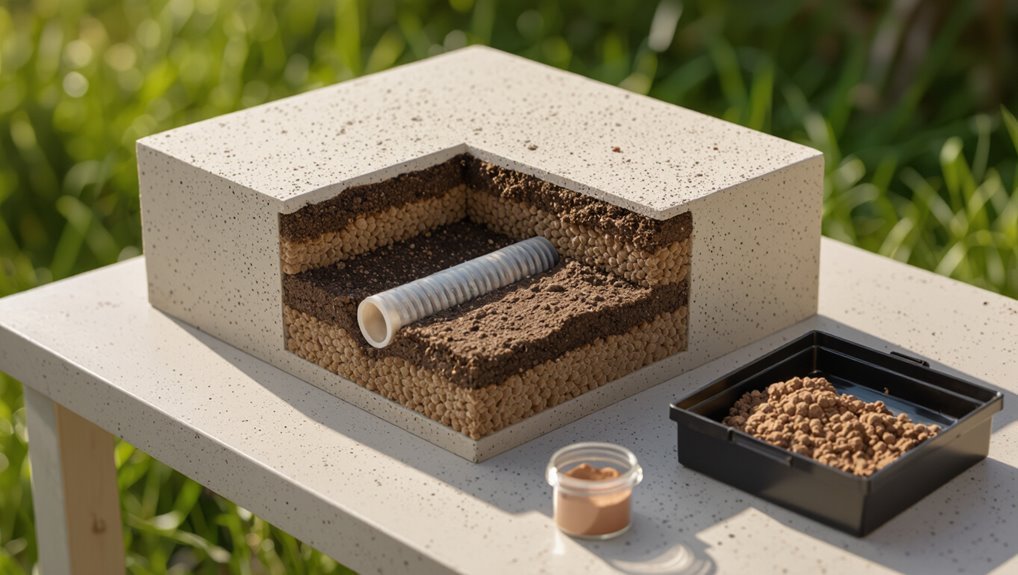
A biomat is a slimy layer of bacteria and organic matter that forms at the pipe-soil interface in septic drain fields as effluent accumulates and microbes proliferate.
Common signs of biomat-related failure include slow drainage, sewage surfacing, foul odors, and saturated or unusually lush areas above the leach field.
Managing or removing the biomat is important to restore proper infiltration, protect the septic system from backup, and prevent untreated effluent from reaching groundwater.
What a biomat is and how it forms in septic drain fields
Biomat refers to the slimy, biologically active layer that develops at the interface between septic effluent and the surrounding soil in a leach field.
It forms as organic solids, grease, and microbes accumulate, creating a dense microbial mat that reduces soil permeability.
Understanding formation mechanisms informs choices about how to get rid of biomat in leach field and prevent recurring accumulation through load management and treatment.
Typical signs and symptoms of biomat-related leach field failure
How can one tell when a leach field is failing due to excessive microbial buildup? Observable signs include slow drains and sewage backups, soggy or unusually lush patches above the field, persistent odors, and toilet gurgling.
Elevated effluent levels in inspection ports, frequent need for pump-outs, and visible wastewater surfacing indicate impaired percolation from biomat accumulation reducing soil absorption and causing system stress.
Why removing or managing biomat matters for system health and the environment
Remove or control excessive microbial growth because it directly affects both system function and environmental safety: unmanaged biomat clogs soil pores, reducing effluent infiltration and causing backups, sewage surfacing, and premature drainfield failure.
It elevates pathogen and nutrient loading to groundwater, risking public health and ecosystems.
Timely management preserves soil treatment capacity, protects water quality, extends system lifespan, and reduces costly repairs.
Immediate Assessment: Determining if the Problem Is Biomat-Related
Initial clues often appear as soggy patches, unusually lush vegetation, or surface pooling above the leach field.
Homeowners can perform simple checks such as timing percolation after a controlled water application or using dye to trace effluent paths.
If tests are inconclusive, odors persist, or problems spread, a septic professional should be contacted for a definitive diagnosis.
Inspecting surface indicators and vegetation patterns
A visual inspection of the leach field’s surface can reveal key signs of a biomat issue: persistent wet spots, lush green patches amid otherwise dry grass, spongy or sinking soil, and slow-draining depressions that recur after precipitation or irrigation.
Noting vegetation boundaries, unusually vigorous growth over distinct trenches, foul odors, and localized mosquito activity helps distinguish biomat effects from irrigation or groundwater issues.
Simple tests homeowners can perform (percolation observations, dye tests)
After noting surface cues, homeowners can run a few straightforward tests to confirm whether a biomat is causing the problem.
Observe percolation by digging a small hole in the drainfield, filling with water, and timing absorption; slow or no percolation suggests clogging.
Use a nonstaining food-safe dye flushed into the system to track flow and locate surfacing or pooling indicating impaired infiltration.
When to call a septic professional for diagnosis
Recognize signs that exceed simple home checks and warrant a professional assessment: persistent slow percolation after repeated wetting tests, sewage odors or surfacing despite recent pumping, uneven wet spots across multiple trenches, or unusual sewage backups into fixtures.
A septic professional evaluates biomat presence using probe, soil percolation testing, and camera or dye diagnostics, recommends targeted remediation, and assesses system capacity and repair needs.
Direct Methods to Reduce or Remove Biomat
Direct methods for reducing or removing biomat range from physical interventions like raking, soil aeration, and trench excavation to hydraulic flushing with high-flow shocks.
Chemical options and biological additives (enzymes, specific bacterial preparations) vary in effectiveness and carry distinct safety and regulatory considerations.
Practitioners often combine mechanical, hydraulic, chemical, and biological approaches to improve outcomes while minimizing environmental risk.
Mechanical techniques (raking, soil aeration, trench excavation)
Mechanical techniques—raking, soil aeration, and trench excavation—provide direct, physical means to disrupt and remove biomat buildup in a leach field by improving soil structure, restoring oxygen flow, and exposing clogged layers for removal.
Practitioners gently rake or scarify surface crusts, use aerators to introduce oxygen into saturated soil, and excavate clogged trench sections for targeted replacement or professional remediation.
Hydraulic methods (shocking the system with high-flow flushing)
Hydraulic methods use high-volume, targeted flushing to dislodge and transport biomat fragments and accumulated solids from leach-field pipes and voids, restoring flow paths and reducing localized saturation.
Practitioners apply controlled pulses or continuous high-flow injections to mobilize material, then capture or allow downstream decomposition.
Effectiveness depends on access, pipe integrity, and disposal of flushed waste; repeated treatments may be required for persistent clogging.
Chemical treatments: types, effectiveness, and safety concerns
Chemical treatments target the biomat by applying oxidizers, enzymes, surfactants, acids, alkalis, or biocides to alter its structure, reduce biomass, or solubilize organic material.
Effectiveness varies: strong oxidizers and acids can break mat quickly but risk soil and drainfield damage; surfactants and alkalis loosen organics with moderate results.
All chemicals pose groundwater contamination and safety hazards; professional assessment and controlled dosing are essential.
Biological treatments: enzyme and bacterial additives’ what works and limitations
Many homeowners and service providers turn to biological additives—enzymes and selected bacterial formulations—as a gentler alternative for managing biomat in leach fields.
These products can accelerate organic breakdown and temporarily improve permeability when properly applied and matched to system conditions.
Limitations include variable efficacy, slow response, dependence on dosing and flow patterns, and inability to remove dense, established biomat without mechanical or other interventions.
Combining methods for improved results
When single approaches fall short, combining complementary direct methods—mechanical disruption, targeted chemical treatment, and controlled biological augmentation—can produce faster, more durable reductions in biomat than any one tactic alone.
Coordinated sequencing, monitoring, and conservative dosing minimize collateral damage and promote rejuvenation of percolation.
Recommended combinations:
- Mechanical aeration followed by enzymatic dosing.
- Limited-dose surfactant-assisted biocide plus recolonizing bacteria.
- Phased flushing with monitored effluent quality.
Professional Remediation Options
Professional remediation options focus on mechanical and structural solutions to control or remove biomat when household measures are insufficient.
Typical interventions include septic tank pumping and desludging, targeted leach field repairs or partial replacement (trenching), and soil inversion or replacement with engineered media to restore permeability.
Costs and the choice of method depend on biomat extent, soil conditions, site access, and long-term performance goals.
Pumping and desludging septic tank to reduce biomat formation
Regular pumping and desludging of the septic tank removes accumulated solids and scum that otherwise pass into the leach field and accelerate biomat development.
Scheduled maintenance every 3–5 years, or more often for high-use systems, limits organic load reaching drainfield soil.
Professional haulers inspect baffles, measure sludge depth, and document service, reducing biomat risk and prolonging system performance.
Leach field repair and replacement techniques (partial replacement, trenching)
Repair and replacement of a failing leach field typically focus on targeted interventions—partial replacement of trenches, spot excavation, or complete trenching—to restore infiltration capacity and interrupt dense biomat layers.
Licensed contractors assess flow patterns, replace impaired pipe and distribution media, regrade for uniform dispersal, install new aggregate and fabric, and compact to specifications.
Proper permitting and staged testing confirm restored performance.
Soil inversion, replacement, and engineered media solutions
Explore advanced remediation options such as soil inversion, full-depth replacement, and engineered media installations when conventional trench repairs cannot restore permeability.
Professionals may invert or replace contaminated soil layers to re-establish aerobic conditions, or install sand, gravel, or synthetic media to improve drainage and microbial balance.
These methods require site assessment, proper disposal of excavated material, and engineered designs to guarantee long-term system function.
Cost ranges and decision factors for professional interventions
Deciding whether to hire professionals hinges on balancing expected costs, site-specific conditions, and long-term performance goals. Professionals provide assessments, permit handling, excavation, media replacement, or hydraulic restoration; choices depend on severity, access, and lifespan goals. Typical costs vary widely; professionals recommend targeted fixes when less invasive options won’t restore function reliably.
| Service | Typical cost range |
|---|---|
| Inspection/assessment | $300–$1,200 |
| Partial excavation | $1,000–$6,000 |
| Full replacement | $5,000–$25,000 |
| Hydraulic/engineered fix | $1,500–$10,000 |
Preventive Maintenance to Avoid Biomat Reoccurrence
Effective preventive maintenance combines routine septic tank servicing and meticulous recordkeeping with household water-use management to prevent hydraulic overload.
Residents should adopt waste disposal habits that minimize solids and harmful chemicals entering the system while ensuring landscaping and surface drainage direct runoff away from the leach field.
Together these practices reduce the conditions that allow biomat to form and support long-term system performance.
Proper septic tank maintenance schedule and recordkeeping
Establishing and following a consistent septic tank maintenance schedule, with detailed records of inspections, pumpings, and repairs, is essential to prevent biomat buildup and prolong drainfield function.
- Document inspection dates, technician notes, and sludge/scum levels.
- Record pumping intervals, volumes removed, and disposal receipts.
- Log repairs, component replacements, and any contractor recommendations for future actions.
Water use management strategies to prevent hydraulic overload
Maintaining detailed service records helps identify patterns that signal when household water usage must change to protect the drainfield; reducing hydraulic load is the most direct way to prevent biomat reformation.
Implement staggered laundry and dishwasher cycles, install low-flow fixtures, fix leaks promptly, and limit simultaneous high-flow activities.
Encourage occupant awareness of peak-use timing and monitor system rise after heavy use to adjust routines proactively.
Waste disposal habits to reduce biomat-causing solids and chemicals
Minimize what enters the septic system by adopting strict disposal habits that keep solids, grease, and harmful chemicals out of the drainfield. Small behavioral changes inside the home greatly reduce biomat-forming material.
Residents should avoid dumping fats, coffee grounds, sanitary products, and non-biodegradable wipes. Limit antibiotic and harsh-cleaner disposal; use drain strainers; compost food scraps and dispose of hazardous chemicals at proper collection sites to protect the leach field.
Landscaping and surface drainage practices that protect the leach field
After adopting careful disposal habits indoors, attention should turn to the landscape and surface drainage that surround the leach field, because external water and root intrusion can undo internal improvements.
Maintain gentle slopes away from trenches, install swales or diversion berms, use shallow-rooted native grasses, avoid irrigation over the field, and keep trees and heavy equipment clear.
Regularly inspect for pooling or erosion.
Environmental and Safety Considerations
Treatment choices carry risks to groundwater if chemicals or aggressive mechanical methods are used improperly, so impact assessment is essential.
Repair work often requires permits and must comply with local regulations to prevent legal and environmental liability.
Workers and contractors should follow personal protective protocols and best practices to protect health and limit contamination.
Risks of improper chemical or mechanical treatments to groundwater
Improper use of chemicals or aggressive mechanical methods to remove biomat from a leach field can mobilize contaminants and alter subsurface chemistry, posing direct risks to groundwater quality and public health.
Such actions may dissolve metals, disrupt microbial attenuation, increase nutrient and pathogen transport, and create long-term contamination plumes.
Careful selection, dilution, containment, and monitoring are essential to prevent irreversible groundwater impacts.
Regulatory and permitting issues for leach field repairs
The groundwater risks posed by aggressive chemical or mechanical interventions highlight why regulatory oversight governs leach field repairs: permits, codes, and agency approvals define acceptable practices, allowable materials, and monitoring requirements to protect public health and water resources.
Compliance guarantees legal repair scope, waste disposal, and reporting. Local health departments, state environmental agencies, and designated inspectors must authorize work and verify restoration meets performance and groundwater protection standards.
Personal protective measures and contractor best practices
Prioritize safety through strict use of personal protective equipment (PPE), containment practices, and decontamination protocols when addressing biomat removal or leach field repairs.
Contractors should document training, maintain vaccination and exposure records, and use air and surface monitoring.
Implement spill response plans, proper waste transport, and disposal.
Guarantee communication with property owners, regulatory compliance, and post‑work verification sampling to confirm remediation success.
Troubleshooting and Monitoring After Treatment
After treatment, verification should include measurements of infiltration rates and visual or sampling evidence of biomat reduction to confirm system recovery.
Persistent soggy patches, odors, or slowed percolation signal recurrence or the need for additional intervention.
Recommended long-term monitoring combines periodic infiltration tests, surface inspections, and scheduled professional inspections at intervals tailored to system age and local regulations.
How to verify biomat reduction and improved infiltration rates
When discharge and treatment steps are complete, verification relies on measurable changes in effluent behavior and soil response: inspectors should document decreased ponding at distribution lines, faster percolation times in established infiltration tests, and lowered hydraulic head in observation ports.
Photographic records, timed percolation test data, and periodic sampling of effluent BOD/TSS confirm biomat reduction and restored infiltration rates.
Ongoing signs that indicate recurrence or need for further action
How can one tell if biomat has returned or if further intervention is needed? Observable signs include slow draining fixtures, soggy or odorous patches above the leach field, sewage backups, increased algae or moss growth, and sudden rises in groundwater or standing effluent.
Reappearance of these indicators after treatment suggests insufficient biomat removal or recontamination, warranting prompt reassessment and corrective measures.
Long-term monitoring techniques and recommended inspection intervals
Vigilance is essential: establishing a routine of scheduled inspections and targeted testing helps detect biomat recurrence early and guides maintenance decisions.
Quarterly visual checks of surface vegetation, odors, and ponding, plus annual soil percolation tests and effluent quality sampling, provide reliable trend data.
Document findings, compare with baseline, and adjust inspection frequency to site conditions, usage, and past treatment history.
Cost-Benefit Comparison of Treatment Options
A comparison of treatment options weighs immediate, lower-cost fixes against more expensive long-term repairs regarding both expense and expected performance.
Short-term interventions often restore function temporarily but typically extend system life by months to a few years, while long-term repairs or replacements can add a decade or more.
This discussion evaluates typical lifespan improvements per intervention alongside upfront and recurring costs to guide decision-making.
Short-term fixes vs. long-term repairs
Weighing short-term fixes against long-term repairs requires comparing immediate costs, expected lifespan of the solution, and downstream risks to system performance and property value. Short fixes (chemical dosing, throat opening) cost less now but may recur; long repairs (excavation, replacement) cost more upfront, reduce failure risk, and protect value. Decision hinges on budget, urgency, and site constraints.
| Option | Cost | Risk/Benefit |
|---|---|---|
| Chemical dosing | Low | Temporary, possible recurrence |
| Throat opening | Medium | Short relief, limited scope |
| Replacement | High | Permanent, protects value |
Typical lifespan improvements per intervention
Estimate lifespan gains for common interventions in leach field biomat control by comparing typical service life extensions, not just immediate costs.
Mechanical excavation and replacement often restore full function, adding 20–30 years.
Hydraulic fracturing or effluent diversion may extend service life 5–10 years.
Regular pumping and pretreatment (filters, septic additives) typically yield 3–7 years.
Choose interventions balancing longevity, disruption, and upfront expense.
Real-World Scenarios and Recommended Actions
The section outlines three typical situations and appropriate responses: minor biomat in an otherwise healthy system, moderate biomat causing surface saturation, and severe biomat with system failure.
For minor cases, homeowners can often follow targeted DIY maintenance and monitoring steps.
For moderate to severe cases, professional intervention—ranging from specialized treatment and repair to full replacement with attention to permitting and regulatory requirements—is recommended.
Small-scale biomat buildup with healthy system’ recommended DIY steps
Identify early, localized biomat buildup by noting soft, soggy spots or slow drainage near individual laterals while overall system function remains good.
Homeowners should reduce water use, stop harsh cleaners, divert surface runoff, and inspect cleanouts.
Apply a commercially recommended biological treatment per label, rest the area from traffic, and monitor weekly.
If signs persist beyond several weeks, consult a septic professional.
Moderate biomat impacting surface saturation’ recommended professional steps
When moderate biomat causes visible surface saturation and puddling across multiple laterals, a professional assessment is warranted to prevent system failure and environmental contamination.
A licensed septic contractor should perform dye testing, camera inspections, and percolation checks, then recommend targeted actions: hydraulic load reduction, selective excavation or aeration, enzymatic or approved chemical treatments, and a monitoring plan with follow-up inspections.
Severe biomat with system failure’ replacement and regulatory pathway
Following a professional assessment that documents widespread surface saturation and ineffective remedial measures, cases of severe biomat often require system replacement and engagement with local regulatory authorities to manage public health and environmental risks.
Replacement involves excavation, soil testing, and installation of an approved septic system or alternative treatment.
Permits, inspections, and documented corrective actions guarantee compliance, liability mitigation, and restoration of safe wastewater disposal.
Quick Checklist for Homeowners Facing Biomat Issues
A concise checklist helps homeowners quickly assess and address biomat problems in a leach field by outlining immediate checks, basic do‑it‑yourself steps, and when to call a professional.
It guides safe actions, documents observations, and prioritizes interventions to prevent escalation or contamination.
- Inspect surface saturation, odors, and backup signs.
- Reduce water use; suspend additives without guidance.
- Contact licensed septic service for diagnosis and permit advice.
Conclusion
Like algae forming on a forgotten pond, biomat creeps silently through the earth, signaling imbalance. The homeowner who chooses careful assessment and measured intervention acts like a gardener pruning roots to restore flow. Professional hands may be needed where patience, tools, and experience converge to heal the soil. With regular maintenance as a steady rain, the leach field can breathe again—resilient, renewed, and quietly reclaiming its place beneath the surface.