How to Clean a Toilet Siphon Jet: Step-by-Step Guide to Restore Strong Flushing
To effectively clean a clogged or mineral-fouled toilet siphon jet and restore strong flushing, follow these steps: First, shut off the water supply and empty the toilet bowl. Inspect the front jet for any deposits. Use a small brush, flexible pick, or auger to remove debris. Then, apply a toilet-safe descaler or vinegar to dissolve any mineral buildup. Rinse thoroughly and test the flush strength. Remember to wear gloves and eye protection, avoid mixing harsh chemicals, and perform routine maintenance to prevent future issues. For additional troubleshooting and steps, refer to the following guide.
Restore Strong Flushing by Cleaning the Toilet Siphon Jet: Quick Overview
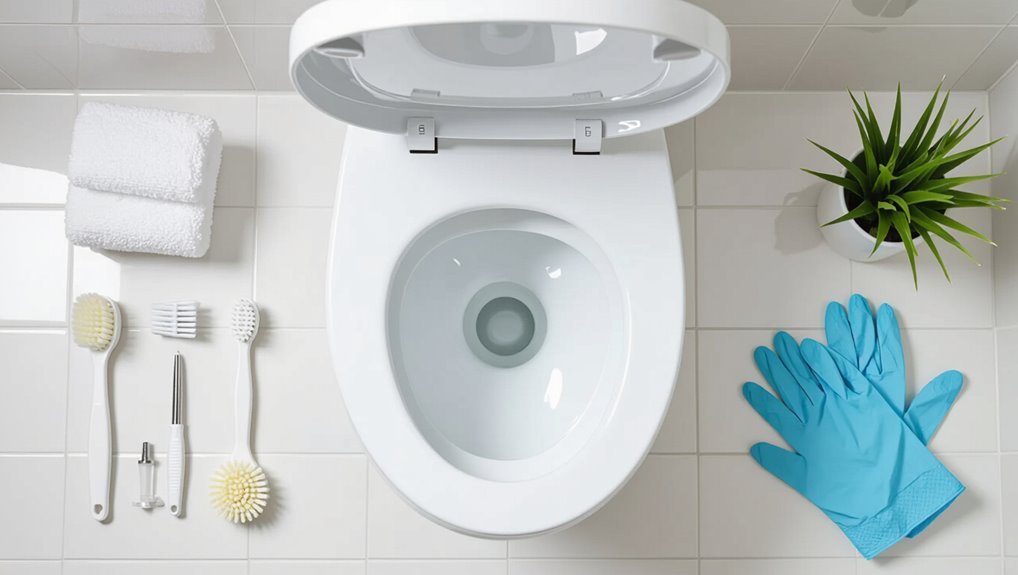
A siphon jet is the hole near the front of the toilet bowl that directs water to start the siphoning action responsible for effective flushing.
Clogs, mineral buildup, or corrosion can reduce the jet’s flow and weaken the flush.
Cleaning the siphon jet when flow is reduced or after visible buildup restores proper water delivery and often returns the toilet to full flushing strength.
What a siphon jet is and why it matters for flushing
The siphon jet is a recessed hole near the front of the toilet bowl that forces a concentrated stream of water down the trapway during a flush.
This focused jet initiates the siphoning action that quickly pulls waste through the bowl. Its size, shape, and cleanliness directly affect flush power.
Understanding how to clean siphon jet in toilet prevents weak flushes and avoids clogs.
Fast answer: when and how cleaning the siphon jet helps
Knowing what a siphon jet does leads directly to when and how cleaning it will restore flush power.
When flushing weakens or water drains slowly, mineral buildup or debris likely obstructs the jet.
Cleaning involves turning off water, draining the bowl, accessing the jet opening, and removing deposits with vinegar, a brush, or a wire.
Reassemble, refill, and test flush strength.
Tools, Materials, and Safety Precautions
This section lists the essential tools and cleaners needed to clear a toilet siphon jet, plus a few optional items for stubborn mineral or organic buildup.
It also outlines key safety measures and simple plumbing precautions to prevent injury or damage.
Readers will be guided on selecting appropriate products and protecting themselves and the fixture during the cleaning process.
Required tools and cleaners
A concise set of tools and cleaners helps guarantee safe, efficient cleaning of a toilet siphon jet. Recommended essentials include protective gloves, safety goggles, and a mask; a flexible brush or small bottle brush; and a toilet-safe descaling cleaner (acidic or enzymatic).
Follow manufacturer instructions and ventilate the bathroom.
- Protective PPE
- Mechanical brush
- Toilet-safe descaler
Optional tools for stubborn buildup
Several specialized tools can make removing stubborn siphon-jet mineral deposits quicker and safer: a small plumbing snake or flexible pick accesses blocked passages, a high-strength descaling gel or citric-acid paste provides targeted chemical action, and a wire-bristled nozzle brush or rotary drill attachment scrapes away encrusted buildup.
- Flexible pick for narrow jet channels.
- Descaling gel or citric paste for localized dissolving.
- Wire nozzle brush or rotary bit for mechanical removal.
Safety and plumbing precautions to follow
Before beginning any work on the siphon jet, wear protective gloves and eye protection, shut off the water supply to the toilet, and place absorbent towels or a small bucket under the tank to catch spills.
Verify shutoff by flushing. Use nonabrasive cleaners, avoid mixing chemicals, ventilate the area, and keep electrical tools away from water.
If unsure, consult a licensed plumber.
Diagnose Siphon Jet Problems
Slow or weak flushes, partial bowl clearance, and gurgling noises can indicate a clogged siphon jet.
Simple tests—observing water flow during a flush and checking for blockages at the jet opening—help distinguish jet problems from issues like a faulty flapper or blocked trapway.
If flushing remains poor after cleaning attempts or if leaks and persistent malfunctions occur, a professional plumber should be contacted.
Signs that the siphon jet is clogged
A clogged siphon jet often reveals itself through altered flush performance and visible residue: reduced water flow from the rim, a weak or incomplete siphon that leaves waste behind, gurgling or bubbling sounds as air struggles through narrow passages, and staining or mineral buildup at the jet opening.
Additional signs include slow bowl refill, persistent odors near the trap, and small debris visible at the jet inlet.
How to distinguish siphon jet issues from other flushing problems
How can one tell if the problem lies with the siphon jet rather than the flapper, fill valve, or sewer line?
Inspect flush: weak initial gulp and poor bowl clearing suggest siphon jet restriction.
Check flapper seating and refill speed—good seal and normal tank fill point away from flapper or fill valve faults.
If drains elsewhere flow normally, sewer line blockage is unlikely.
When to call a plumber
When should a professional be summoned depends on the nature and persistence of the siphon jet problem: isolated weak initial gulps or visibly mineral-clogged jet holes that respond poorly to simple cleaning warrant a plumber, as do symptoms that coexist with tank leaks, unusual noises, repeated filling issues, or signs of damage to internal components.
A plumber diagnoses worn parts, hard-to-reach blockages, cracked bowls, and faulty valves requiring replacement.
Step-by-Step Cleaning Guide
The guide begins with basic preparation steps such as shutting off the water and emptying the bowl to prevent spills.
It then covers locating and inspecting the siphon jet, followed by manual cleaning techniques using brushes, picks, and mechanical tools.
Finally, it outlines chemical and natural options (vinegar, CLR, bleach) and safe use of pressurized water and toilet augers.
Preparation: shutting off water and emptying the bowl
Begin by shutting off the water supply at the valve behind the toilet and flushing until the tank and bowl are as empty as possible; hold the handle down to remove residual water.
Place towels or a shallow container under the tank connection, disconnect if necessary, and sponge out remaining water from bowl and trap.
Wear gloves and eye protection before proceeding.
Locating the siphon jet and inspecting the opening
With the tank drained and the bowl as empty as possible, attention shifts to locating the siphon jet at the front base of the bowl where water rushes during a flush.
The observer visually examines the jet opening for mineral deposits, discoloration, or obstructions, then uses a flashlight to confirm size and placement.
Photographs or notes document findings before proceeding.
Manual cleaning methods (brushes, picks, and mechanical tools)
Proceed to manual cleaning using a small set of tools—stiff nylon brushes, plastic picks, and a flexible mechanical auger—selected to match the size and severity of the blockage.
Work gently to avoid scratching porcelain; dislodge deposits, then flush intermittently to check progress. Sanitize tools after use.
- Brush: reach and scrub around the jet.
- Pick: remove stubborn mineral flakes.
- Auger: clear deep obstructions.
Chemical and natural cleaning methods (vinegar, CLR, bleach)
After manual tools have loosened visible deposits, chemical and natural cleaners are used to dissolve remaining mineral buildup inside the siphon jet and passageways.
The technician selects an appropriate agent, follows dilution and contact-time guidelines, ventilates the area, and avoids mixing chemicals.
- White vinegar: soak, wait, scrub.
- CLR or descaler: follow label, rinse thoroughly.
- Bleach: disinfect only, avoid combined use.
Using pressurized water and toilet augers safely
Begin by preparing the work area and safety gear: the technician dons gloves and eye protection, places towels or a bucket around the toilet base, and guarantees adequate ventilation.
They inspect the jet, then apply controlled pressurized water to dislodge mineral deposits, avoiding tank or seal damage.
If clog persists, they insert a toilet auger gently, feed and rotate to clear debris, and withdraw carefully.
Reassembling and testing the flush
Reinstall the cleaned jet assembly and related components in reverse order of disassembly, ensuring each seal and fastener seats correctly.
Reattach the tank to bowl if removed, reconnect water supply, and refill.
Check for leaks at joints and seals.
Operate the flush lever several times to verify strong siphon action and proper refill.
Tighten or adjust as needed, then confirm final leak-free performance.
Deep Cleaning and Persistent Clogs
For stubborn clogs and heavy mineral buildup, professionals recommend extended soaking with descalers or vinegar to loosen deposits before scrubbing.
A small mirror or inspection camera can reveal hidden obstructions in the siphon jet and trapways that are otherwise invisible.
If access remains insufficient or damage is suspected, removing the toilet provides full visibility and safer, more effective cleaning.
Removing mineral deposits with soaking techniques
When mineral buildup resists scrubbing, soaking the siphon jet in a descaling solution loosens deposits without damaging porcelain or metal parts.
Remove excess water, apply vinegar or commercial descaler per instructions, and let sit long enough to dissolve calcium and lime.
Rinse thoroughly, brush remaining residue with a small brush, and repeat if necessary until flow paths clear and flush performance improves.
Using a mirror or camera for hard-to-see obstructions
How can a small mirror or inspection camera reveal obstructions that brushing and soaking miss?
A mirror or borescope provides visual access to the siphon passage, underside of the rim, and narrow jets. It locates debris, hardened mineral flakes, or foreign objects, guiding targeted scraping, chemical application, or pick tools.
Capture images to confirm clearance and avoid unnecessary disassembly.
When to remove the toilet for full access
A mirror or borescope can show whether obstructions are superficial or lodged deeper. If visual inspection reveals hardened buildup at the siphon base, broken plastic, or objects inaccessible with picks, removal of the toilet for full access becomes the practical option.
Detaching the bowl permits thorough mechanical scraping, jet drilling, and inspection of trapways and seal surfaces. It also prevents damage from forceful probing.
Preventing Future Siphon Jet Clogs
Preventing future siphon jet clogs requires a simple routine maintenance schedule to keep jets clear and functional.
It also means choosing safe cleaning products and gentle habits that remove buildup without damaging porcelain or seals.
Addressing water quality with softeners or periodic descaling can reduce mineral deposits that lead to recurring blockages.
Routine maintenance schedule
Regular inspections every one to three months help keep siphon jets clear and toilet performance consistent.
A simple routine prevents buildup and detects issues early. Record dates and observations for trend tracking.
- Inspect jets and bowl for mineral deposits and debris.
- Run a quick flush test and note flow strength.
- Remove visible buildup with a brush or pick as needed.
Best cleaning products and habits to avoid damage
Following the inspection routine, attention turns to which cleaners and habits preserve siphon jets without causing corrosion or clogged lines.
- Use mild, non-acidic cleaners and diluted bleach sparingly to dissolve residue without etching metal or glazing.
- Employ soft brushes and flexible picks; avoid metal tools that enlarge or deform jets.
- Rinse thoroughly after cleaning and schedule light monthly maintenance to prevent buildup.
Water quality solutions (softeners, descaling)
Hard water and mineral buildup are primary culprits behind recurring siphon jet clogs, so addressing water quality directly reduces both frequency and severity of blockages.
Options include whole-house softeners, targeted point-of-use units, and periodic descaling treatments.
Consider professional water testing, resin-based softeners for calcium removal, and routine vinegar or commercial descalers to dissolve deposits before they restrict jets.
- Whole-house softener
- Point-of-use unit
- Periodic descaling
Common Mistakes and How to Avoid Them
Readers should be warned about common mistakes such as using harsh chemicals or improper tools that can damage the siphon jet and surrounding seals.
They should also be reminded not to assume all weak flushes are caused by the jet, since tank problems, partial clogs, or venting issues may be responsible.
Finally, clear signs that cleaning made matters worse and concise corrective steps will help recover proper function without further harm.
Harmful chemicals and tool misuse to avoid
Avoid mixing strong cleaners or using the wrong tools, as these mistakes can damage the siphon jet, release toxic fumes, or cause injury.
Use gloves, eye protection, and fresh air.
Skip abrasive pads, metal brushes, or acidic/bleach combinations.
Choose manufacturer-safe cleaners and plastic brushes or flexible picks.
Rinse thoroughly and dispose of chemicals per local regulations to prevent plumbing or health hazards.
Overlooking other causes of weak flush
Beyond chemical and tool mistakes, a weak flush often stems from issues unrelated to the siphon jet itself.
Users may ignore low water level in the tank, a malfunctioning flapper, partial clogging in the trap or drain, or a partially closed shutoff valve.
Inspecting these components prevents misdiagnosis and unnecessary jet cleaning, saving time and ensuring corrective action targets the real problem.
Signs you’ve made it worse and corrective steps
How can one tell a cleaning attempt worsened the siphon jet?
Reduced flush force, gurgling, persistent clogging, or visible damage to the jet hole indicate problems.
Corrective steps: stop using harsh tools or chemicals, inspect for cracks, clear blockages gently with a flexible brush or wire, replace damaged parts or the fill valve, and test repeatedly.
Seek professional help if issues persist.
Comparison of Cleaning Methods
Different cleaning approaches are compared by weighing their effectiveness, cost, time, and safety to help readers choose the best option. The table below summarizes key trade-offs for quick reference. A brief discussion follows to clarify when each method is most appropriate.
| Method | Notes |
|---|---|
| Chemical cleaners | High effectiveness, moderate cost, short time, safety depends on ventilation and gloves |
| Mechanical tools | Moderate–high effectiveness, low cost, moderate time, low chemical risk |
| Natural solutions | Low–moderate effectiveness, low cost, longer time, high safety |
| Professional service | Very high effectiveness, high cost, short time, professionally managed safety |
Effectiveness, cost, time, and safety of each method
Evaluation of methods for cleaning a toilet siphon jet hinges on four core criteria—effectiveness, cost, time, and safety—which together determine suitability for routine maintenance or stubborn clogs.
Manual scrubbing is low‑cost, fast, moderately effective, low risk.
Chemical cleaners are inexpensive, quick, effective on mineral buildup, higher hazard.
Vinegar/baking soda is cheap, safe, slower, moderately effective.
Mechanical snaking is costly, time‑consuming, highly effective, requires caution.
Troubleshooting Checklist After Cleaning
A brief set of simple tests confirms whether the siphon jet cleaning restored proper flush performance.
If water now clears the bowl within one flush and the refill is steady, no further action is needed.
If flushing remains weak, the checklist directs inspection of the rim holes, chain length, and trapway for blockages or recommends repeating cleaning or calling a plumber.
Quick tests to verify improved flushing
Begin by running a few targeted flushing tests to confirm the siphon jet cleaning restored proper flow: flush once, note bowl water drop and refill time; flush with a small amount of toilet paper to simulate typical load; pour a bucket of water from seat height to test siphon initiation.
Observe for strong vortex, complete waste clearance, and rapid refill without gurgling or lingering odors.
Next steps if flushing is still weak
If flushing remains weak after cleaning the siphon jet, follow a concise troubleshooting checklist to isolate the cause and determine the appropriate fix.
Inspect for clogs in trap and outlet, test fill-valve and float for proper water level, check for partial blockage in rim holes, make certain venting is clear, and verify sewer line flow.
Replace damaged parts or call a plumber if unresolved.
Additional Resources and When to Seek Professional Help
If problems persist or the siphon jet damage appears extensive, the article outlines typical repair scopes and estimated costs to evaluate.
It also recommends specific questions to ask a plumber—such as warranty, licensing, and an itemized estimate—before hiring.
Readers are encouraged to compare quotes and confirm credentials when professional help is needed.
Estimated costs and scope of professional repairs
Several common factors determine the likely cost and scope of professional repairs for a clogged or damaged toilet siphon jet, including the severity of the blockage, accessibility of the bowl and plumbing, required parts (nozzle, flapper assembly, or replacement bowl), and local labor rates.
Typical ranges run from minor service ($75–$200) to moderate repairs ($200–$500) and full replacement or complex plumbing work ($500+), excluding emergency fees.
Questions to ask a plumber before hiring
What should be clarified before hiring a plumber? A homeowner should ask about licensing, insurance, experience with toilet siphon jets, and references.
Request a written estimate, warranty terms, expected timeline, and parts versus labor costs.
Confirm diagnostic fees, availability for emergency calls, and cleanup responsibility.
Clarify communication preferences and a clear agreement before work begins.
Conclusion
After heroic struggles with mineral scale and wayward debris, the toilet’s siphon jet now performs its modest duty with renewed vigor—triumphantly unremarkable. One learns that patience, vinegar, and a stubborn brush can restore greatness to a tiny hole. If that fails, the plumber arrives like a caped savior to take a modest bow. In the end, the world keeps flushing, and the small, unsung jet gets the applause it never wanted.