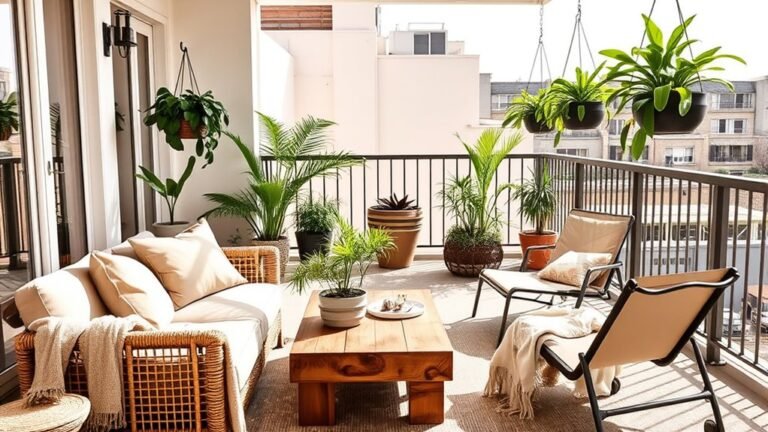

40 Practical Front Yard Vegetable Garden Ideas for Easy Growing
Transform your front yard into a thriving vegetable garden with practical ideas. Use raised garden beds for better soil management and vertical gardening solutions to optimize space. Try container gardening if you’re short on room, or create an herb spiral for a compact, diverse garden. Companion planting boosts plant health, while engaging in community gardening can share resources and knowledge. There’s so much more to discover to make your garden flourish.
Raised Garden Beds for Space Efficiency

If you’re looking to maximize your gardening space, raised garden beds are an excellent solution.
These beds enhance soil management, allowing you to control the quality and nutrients more effectively.
Plus, their height provides better pest resistance, keeping unwanted critters at bay.
Vertical Gardening Solutions

Raised garden beds optimize your front yard, but vertical gardening solutions can take your space efficiency to the next level.
Container Gardening for Small Spaces

When space is tight, container gardening offers a practical solution for growing fresh vegetables right in your front yard.
You can use decorative pots to enhance your landscape while cultivating tasty produce.
Consider using indoor containers for herbs or smaller veggies; they thrive in smaller spaces.
Choose the right soil and guarantee proper drainage for a flourishing mini-garden.
Happy growing!
Herb Spiral Gardens

Creating an herb spiral garden not only maximizes your front yard’s space but also adds an eye-catching, functional element to your landscape.
This unique herb spiral design allows for diverse planting, enhancing growth by utilizing varying sunlight and moisture levels.
You’ll enjoy herb spiral benefits like easier access to fresh herbs and a stunning focal point that attracts pollinators and adds beauty.
Companion Planting Techniques

Incorporating companion planting techniques into your front yard vegetable garden can greatly boost plant health and yield.
By pairing certain companion plants, you can enhance growth and attract beneficial insects. For example, marigolds act as natural pest deterrents when planted alongside tomatoes.
This strategic planting not only protects your veggies but also creates a thriving ecosystem, making your garden more productive and resilient.
Square Foot Gardening

Square foot gardening is an efficient method that maximizes your front yard space while minimizing the time and effort needed to maintain your vegetable garden.
By using effective spacing techniques, you can grow a variety of crops in compact areas.
Focus on smart crop selection, choosing plants that thrive together, ensuring you get the most out of every square foot in your garden.
Edible Landscaping Ideas

While transforming your front yard into an edible landscape might seem challenging, it can actually enhance your home’s curb appeal and provide fresh produce.
Consider planting vibrant edible flowers like nasturtiums and pansies alongside fruit bushes such as blueberries and raspberries.
These colorful additions not only beautify your space but also yield delicious treats, making your garden both functional and visually appealing.
Salad Table for Easy Harvesting

A salad table can be a game-changer for your front yard vegetable garden. It allows you to grow various salad varieties at a comfortable height, making harvesting effortless.
To maximize your yield, choose quick-growing greens like arugula and lettuce. Use these harvesting tips: pick outer leaves first and keep your plants well-watered.
Enjoy fresh salads right from your front yard!
Hydroponic Systems for Beginners
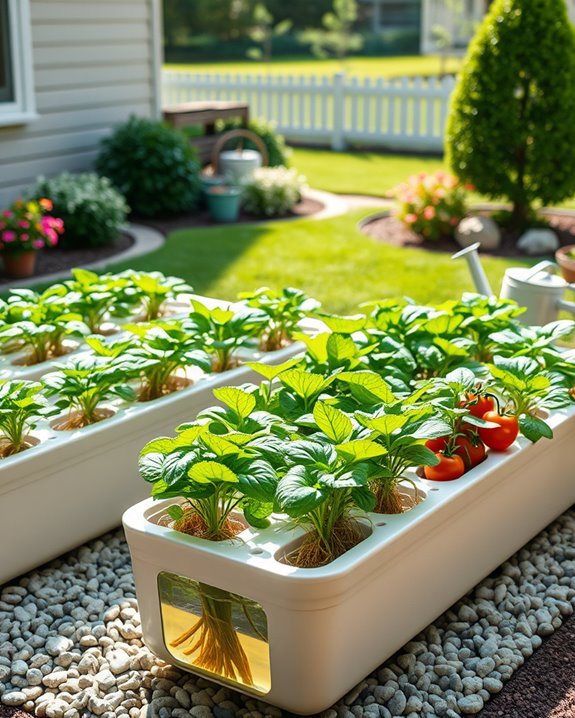
Have you ever considered how easy it can be to grow your favorite vegetables without soil?
Hydroponic systems are perfect for beginners, using nutrient solutions to nourish your plants directly. You can choose from various growing mediums like coconut coir or perlite, making it simple to customize your setup.
With a little practice, you’ll enjoy fresh produce right from your front yard!
Keyhole Gardens for Accessibility
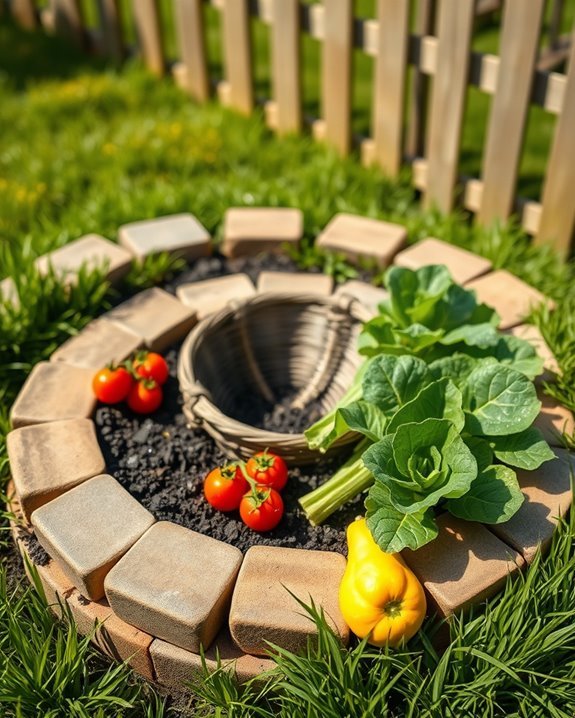
If you’re looking for a gardening method that combines accessibility and productivity, keyhole gardens are a fantastic option.
Their unique design allows you to reach plants easily without bending or kneeling, making gardening more comfortable.
Keyhole garden benefits include efficient water use and compost integration, promoting healthy growth.
This innovative approach maximizes space while ensuring everyone can enjoy growing fresh vegetables with ease.
Straw Bale Gardening
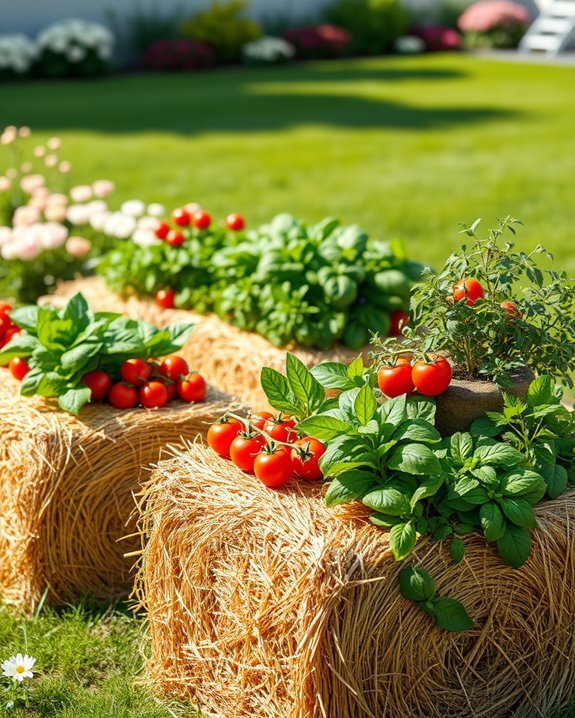
While traditional gardening requires digging and soil prep, straw bale gardening offers a simpler alternative that’s perfect for small spaces.
With straw bale benefits like excellent drainage and a controlled environment, you can grow veggies with ease.
Plus, straw bale maintenance is minimal; just keep them watered and add compost to the top.
Enjoy fresh produce without the usual hassle!
Pallet Gardens for Upcycling

Pallet gardens offer a creative and eco-friendly way to transform unused wood pallets into vibrant vegetable beds.
With simple pallet modifications, you can create tiered planters or vertical gardens, maximizing your space.
Experiment with creative designs, like painting or adding shelves for herbs.
These upcycled gardens not only beautify your front yard but also provide fresh produce while reducing waste.
Utilizing Corner Spaces
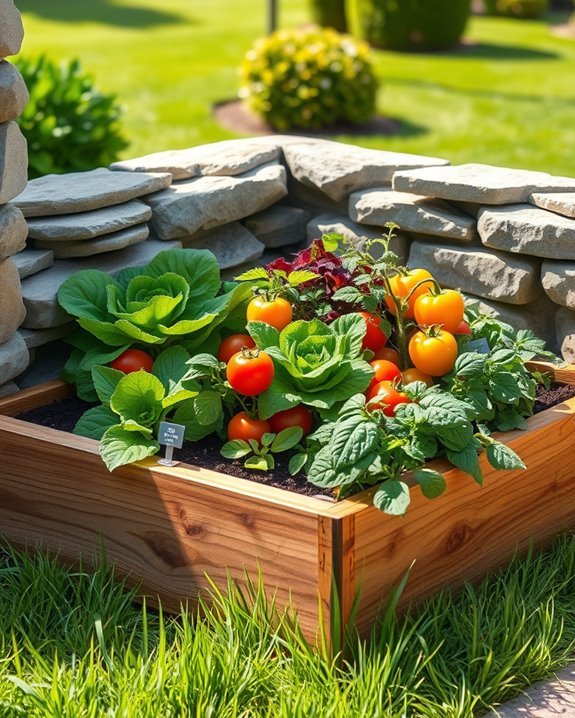
Utilizing corner spaces in your front yard can turn often-overlooked areas into productive vegetable gardens.
A smart corner garden design helps maximize sunlight, ensuring your plants thrive. Consider raised beds or vertical planters to make the most of limited space.
Drip Irrigation Systems

Incorporating a drip irrigation system in your front yard vegetable garden can greatly enhance your gardening experience.
These systems deliver water directly to your plants’ roots, maximizing efficiency and reducing waste.
With automated watering systems, you can save time and guarantee consistent moisture levels, reaping all the drip irrigation benefits.
Your vegetables will thrive, and you’ll enjoy a lush, productive garden with minimal effort.
Shade Tolerant Vegetables
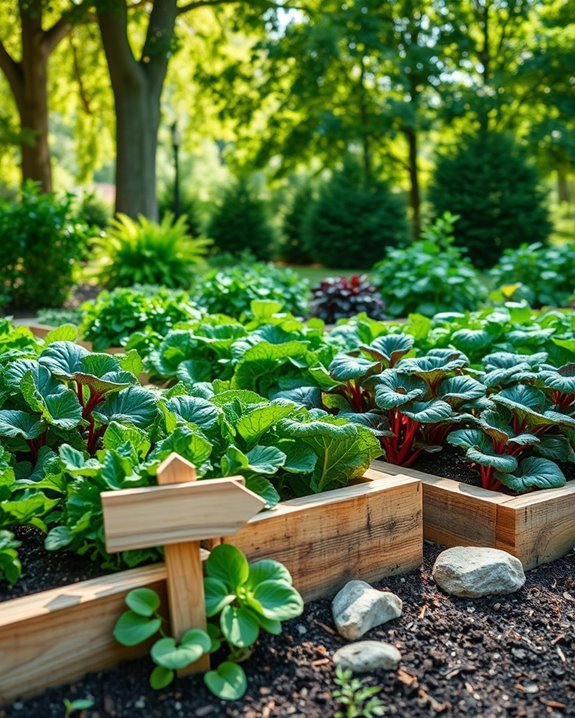
Although many vegetables thrive in full sunlight, you can still grow a productive garden even in shaded areas.
Consider planting shade varieties like spinach, kale, and lettuce. For ideal garden placement, choose spots that receive dappled sunlight or morning sun.
These vegetables not only tolerate shade well but also flourish, offering fresh produce without the need for full sun exposure.
Seasonal Planting Calendar

Planning your vegetable garden around the seasons can maximize your harvest and guarantee you’re growing the right crops at the right time.
Start by identifying your planting zones to know which vegetables thrive in your area.
Use a seasonal planting calendar to schedule your sowing and harvesting, ensuring you’re planting cool-season crops in spring and summer crops as temperatures rise.
Happy gardening!
Wildlife Friendly Gardens

Creating a wildlife-friendly garden not only enhances your outdoor space but also supports local ecosystems.
By incorporating native plants, you provide essential food and shelter for various animals, creating thriving wildlife habitats.
Choose a mix of flowers, shrubs, and trees that attract birds, butterflies, and beneficial insects.
This approach not only beautifies your garden but fosters a healthier environment for all.
Pollinator Gardens

If you want to attract essential pollinators to your garden, designing a pollinator garden is a fantastic way to do it.
Use bee friendly plants like coneflowers, milkweed, and lavender to draw in native pollinators. Group these plants together for maximum impact, and avoid pesticides to keep them safe.
A vibrant pollinator garden not only supports wildlife but enhances your vegetable garden’s productivity.
Intercropping Strategies

While you’re designing your front yard vegetable garden, consider incorporating intercropping strategies to maximize space and boost yields.
By mixing crops like tomatoes and basil or carrots and onions, you enhance crop diversity and improve pest control.
This technique not only promotes space optimization but also creates a thriving ecosystem, ensuring your garden remains productive and vibrant throughout the growing season.
Raised Planters With Built-In Seating

Integrating raised planters with built-in seating into your front yard vegetable garden not only enhances functionality but also adds a cozy touch to your outdoor space.
These innovative planter designs allow you to create inviting seating arrangements while maximizing your gardening area.
Enjoy tending to your plants or relaxing with friends, all while cultivating a beautiful and productive garden right at your doorstep.
Greenhouse Alternatives

When you’re looking for ways to extend your growing season without the commitment of a full greenhouse, several alternatives can suit your front yard vegetable garden perfectly.
Consider using portable cold frames or mini hoop houses made from inexpensive greenhouse materials.
You can also explore DIY greenhouses using recycled materials, which provide protection while being budget-friendly and easy to set up.
Utilizing Fencing for Climbing Plants

Portable structures like cold frames and mini hoop houses provide great protection for your plants, but you can maximize your garden space even further by utilizing fencing for climbing plants.
Installing fence trellises allows climbing vegetables like beans and cucumbers to grow upward, saving ground space. This method not only increases your yield but also adds visual interest to your front yard garden.
Colorful Vegetable Varieties

Adding colorful vegetable varieties to your front yard garden can transform it into a vibrant display while providing fresh produce for your kitchen.
Consider planting heirloom varieties like purple carrots or striped tomatoes for unique colors and flavors.
Don’t forget to include edible flowers, such as nasturtiums or pansies, which add beauty and attract pollinators while enhancing your culinary creations.
Front Yard Crop Rotation

While you might think of crop rotation as a practice reserved for larger farms, it can be just as beneficial for your front yard vegetable garden.
By using crop rotation methods, you can enhance soil health and reduce pests. Implementing seasonal rotation keeps your plants thriving, as different crops require varying nutrients.
This simple practice maximizes your garden’s productivity and sustainability.
Low-Maintenance Perennial Vegetables
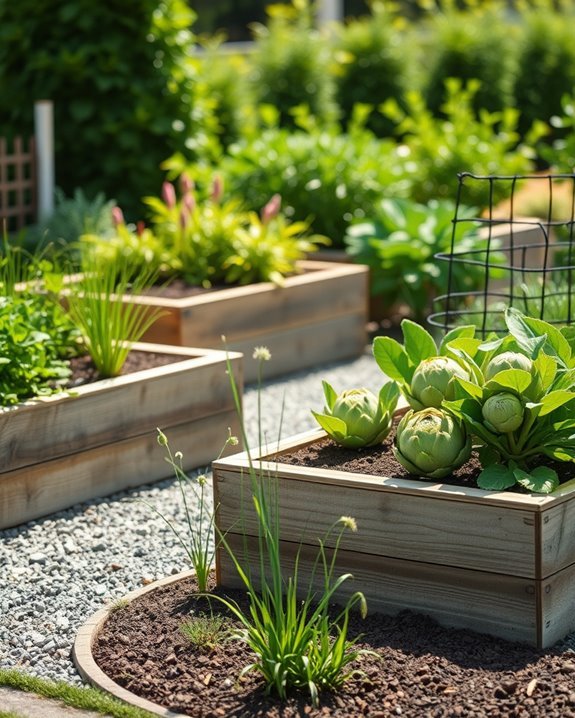
After establishing a crop rotation plan, you might be looking for ways to simplify your gardening efforts further.
Consider planting low-maintenance perennial vegetables like asparagus or rhubarb, which return year after year.
Additionally, include low maintenance herbs, such as chives or oregano, to enhance your garden’s productivity without the hassle of replanting.
These perennial crops make gardening easy and enjoyable!
Using Pathways to Maximize Space
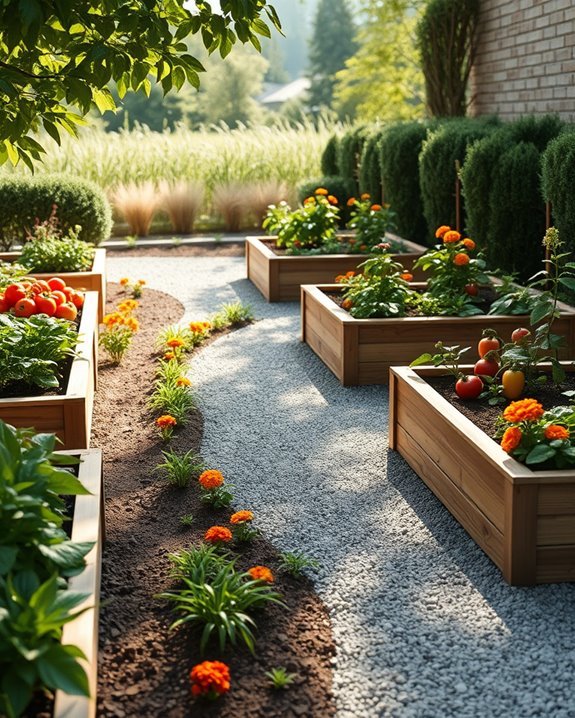
Creating pathways in your front yard vegetable garden can greatly enhance your space efficiency.
By choosing the right pathway materials, like gravel or stepping stones, you’ll not only improve accessibility but also add to the overall pathway aesthetics.
This design allows you to maximize planting areas while ensuring you can tend to your veggies easily.
Enjoy a functional and beautiful garden!
Decorative Garden Borders

A well-defined border can transform your front yard vegetable garden into a visually appealing space.
You can use decorative fencing to add charm while keeping your plants contained. Alternatively, consider natural borders, like stones or low-growing plants, which blend beautifully with your garden.
These options not only enhance aesthetics but also create a clear separation between your garden and other landscaping elements.
Recycling Household Items as Planters

If you’re looking to add character to your front yard vegetable garden, recycling household items as planters can be both practical and creative.
Think about using repurposed containers like old boots, tin cans, or wooden crates.
These creative planters not only save money but also showcase your personality.
Plus, they provide unique growing spaces for your favorite veggies right outside your home.
Rainwater Harvesting Techniques

While you’re cultivating your front yard vegetable garden, incorporating rainwater harvesting techniques can considerably enhance your plants’ health and reduce your water bill.
Set up a rainwater catchment system using barrels or cisterns to collect rainfall. This sustainable irrigation method provides your garden with nutrient-rich water, promoting growth while conserving resources.
Plus, it’s a simple way to contribute to environmental sustainability.
Scented Herbs for Aroma

Scented herbs can transform your front yard vegetable garden into a sensory delight, enhancing both your gardening experience and your meals.
Consider planting fragrant varieties like basil, mint, and rosemary alongside your aromatic vegetables. These scented plants not only add flavor but also attract beneficial pollinators.
You’ll love the delightful aroma while you tend to your garden and enjoy fresh, tasty dishes.
Easy-to-Grow Vegetables for Beginners

Starting your vegetable garden doesn’t have to be intimidating, especially when you choose easy-to-grow options that thrive in various conditions.
Consider vegetables like radishes, lettuce, and zucchini for your vegetable selection. These choices require minimal care and offer quick results.
Follow some simple growing tips, like proper watering and sunlight, and you’ll enjoy a rewarding gardening experience in no time!
Planting in Tiers for Aesthetic Appeal

If you want to create an eye-catching front yard vegetable garden, consider planting in tiers to enhance its visual appeal.
Tiered aesthetics not only maximize space but also add visual interest. Use raised beds or containers at different heights to showcase various plants.
This approach creates depth and draws the eye, making your garden a stunning focal point in your landscape.
Incorporating Fruit Trees

While adding layers of beauty to your front yard garden, incorporating fruit trees can provide both aesthetic charm and delicious produce.
Consider planting dwarf fruit trees, which fit perfectly in smaller spaces. You might also explore espalier techniques to train trees against walls or fences, maximizing your garden’s space and creating a stunning visual display while ensuring easy access to fresh fruit.
Using Garden Décor for Functionality

Using garden décor not only enhances the visual appeal of your front yard vegetable garden but also serves practical purposes.
Consider adding garden art that doubles as functional sculptures, like trellises for climbing plants or birdhouses to attract pollinators.
These elements not only beautify your space but also support your garden’s health, making your growing experience more enjoyable and productive.
Seasonal Flower and Vegetable Combinations

Combining flowers and vegetables in your front yard garden can create a vibrant and productive space throughout the seasons.
Consider seasonal pairings like marigolds with tomatoes or zinnias with peppers.
These combinations not only enhance beauty but also bring flower benefits, such as attracting pollinators and repelling pests.
Embrace these pairings to enjoy a flourishing garden all year round!
Companion Planting for Pest Control

Incorporating companion planting into your front yard garden can greatly enhance pest control, complementing the seasonal flower and vegetable combinations you’ve already established.
By pairing pest repelling plants like marigolds and basil with your vegetables, you can deter harmful insects.
Additionally, these plants attract beneficial insects, such as ladybugs and lacewings, which help keep your garden thriving and healthy.
Vertical Wall Gardens

If you’re looking to maximize your space while adding a stunning focal point to your front yard, vertical wall gardens are an excellent choice.
They offer numerous vertical wall benefits, like improving air circulation and enhancing aesthetics.
Community Gardening Initiatives

While vertical wall gardens can enhance your own space, community gardening initiatives take that concept even further by fostering collaboration among neighbors.
These projects boost community engagement, allowing you to share resources and knowledge. Participating in gardening workshops can help you learn new techniques while building friendships.
Together, you’ll cultivate not just plants, but a sense of belonging and pride in your neighborhood.
Educational Gardens for Kids

Creating educational gardens for kids not only teaches them about plants and nature but also fosters a love for healthy eating.
You can engage them in fun garden experiments, like growing vegetables from scraps or tracking plant growth.
These hands-on activities enhance nature education, making learning interactive and exciting.
Plus, they’ll appreciate the effort that goes into growing their own food!
Utilizing Local Resources for Soil Improvement

Since healthy soil is the foundation of a thriving vegetable garden, utilizing local resources for soil improvement can make a significant difference in your gardening success.
Explore local compost sources like community gardens or municipal composting programs. Incorporate soil amendment techniques such as adding leaf mold or aged manure to enhance nutrient content and structure, ensuring your plants grow strong and productive.
Conclusion
No matter your space or experience, you can create a thriving front yard vegetable garden. By exploring raised beds, vertical solutions, and container gardening, you’ll maximize your growing potential. Don’t forget to incorporate herbs, companion planting, and local resources for a healthier garden. You can even engage with your community or teach kids about gardening. With these practical ideas, you’re well on your way to enjoying fresh produce right outside your door. Happy gardening!