How Do I Know What Size Sump Pump I Need? A Practical Guide to Choosing the Right Pump
To determine the right size sump pump for your home, assess your expected inflow, the size of your sump basin, and the discharge length. For small homes with minor water seepage, a pump with 1/3 to 1/2 HP (up to approximately 3,000 GPH) is usually sufficient. However, if you experience heavy inflow or need to pump water over a long distance, opt for a pump with 3/4 to 1+ HP or consider multi-stage units. Additionally, evaluate whether a submersible or pedestal model best suits your needs, and don’t forget to include check valves and backup systems to prevent issues like short cycling or overheating. Following the practical sizing guidelines below will help you choose the right pump for your situation.
How to Determine the Right Sump Pump Size for Your Needs
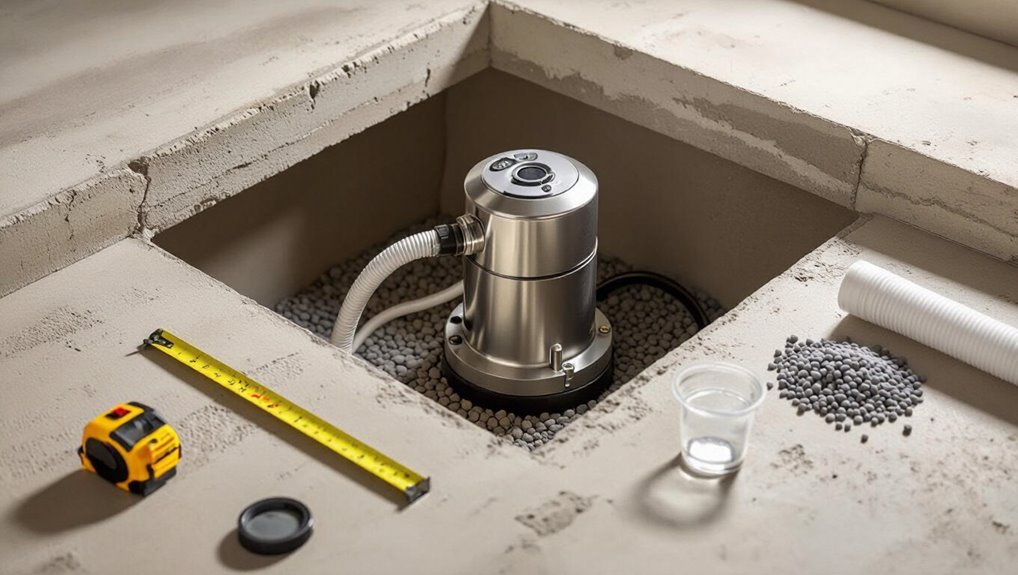
For common scenarios, recommended pump sizes are grouped by basement type and expected water volume: small, 1/3–1/2 HP for light seepage; medium, 1/2–3/4 HP for occasional flooding; and large, 1–1.5 HP for frequent or heavy inflow.
A compact utility pump may suffice for finished basements with minimal water, while sump pits in high-risk areas typically require higher horsepower and greater GPM capacity.
The following discussion will outline guidelines and example calculations to match pump performance to site conditions.
Quick answer recommended pump sizes by common scenarios
Many homeowners and small-business operators benefit from simple, scenario-based recommendations that match pump capacity and head to typical basement sizes and soil conditions.
For readers asking how do I know what size sump pump I need, concise guidance follows:
- Small, dry soil: 1/3 HP, 30–40 GPM.
- Moderate seepage: 1/2 HP, 40–60 GPM.
- Heavy flow: 3/4–1 HP, 60–100 GPM.
- High head/long lift: 1 HP+, higher head rating.
Key Factors That Define Sump Pump Size
Sizing a sump pump depends on several measurable factors that determine how quickly and how far water must be moved.
Key considerations include pump capacity (GPM/GPH), required head height and vertical lift, basin size versus discharge frequency, local water table and rainfall patterns, and the basement layout with pipe length and number of elbows.
Evaluating these elements together yields the flow and power requirements needed for reliable protection.
Pump capacity (GPM and GPH) explained
Pump capacity, expressed in gallons per minute (GPM) or gallons per hour (GPH), defines how quickly a sump pump can move water and is the primary metric for matching a pump to a basin and expected inflow.
Capacity should be chosen to exceed peak inflow rates, accounting for debris, float cycling, and intermittent operation.
Manufacturers’ charts convert GPM/GPH to practical selection.
Head height and vertical lift: how to calculate required head
After confirming required flow rates in GPM or GPH, attention turns to head height—the total vertical distance a pump must lift water plus losses from friction and fittings.
Calculate static head from sump surface to discharge outlet, add friction loss for pipe length, elbows, and valves (use charts or manufacturer data).
Then select a pump whose performance curve meets required head at the desired flow.
Basin size and discharge frequency relationship
A properly sized sump basin directly influences how often a pump cycles: a larger basin provides greater storage between discharges, reducing cycle frequency, while a smaller basin forces more frequent on/off operation for the same inflow rate.
Basin volume determines run duration and interval given inflow; matching pump capacity and float switch settings prevents short cycling, reduces wear, and optimizes energy use.
Water table, local rainfall, and drainage conditions
Because groundwater levels, rainfall intensity, and surface drainage interact to determine the volume and timing of inflow to a sump, evaluating local water table behavior, typical storm patterns, and site-specific runoff paths is essential when sizing a sump pump.
Seasonal high water tables, frequency of intense storms, soil permeability, and nearby grading or drainage systems influence required pump capacity and backup needs to prevent overtopping.
Basement layout, pipe length, and number of elbows
When basement layout dictates longer discharge runs or multiple directional changes, the effective head and flow rate required from a sump pump increase accordingly.
Longer pipe length and each elbow add friction loss, reducing delivered flow. Calculations should convert fittings and length into equivalent head loss to size pump capacity.
Inspect routing, minimize bends, and use larger-diameter piping to preserve performance and reduce required pump power.
Power supply, pump type (submersible vs pedestal), and reliability
Power supply, pump type, and reliability together set practical limits on required sump pump capacity and on installation choices.
Electrical availability, backup power (battery or generator), and circuit protection determine usable horsepower.
Submersible units offer higher flow and quieter operation; pedestal pumps are easier to service and cheaper.
Reliability data, warranty, and build quality guide sizing margins and redundancy decisions for consistent basement protection.
How to Calculate Required Pump Capacity Step-by-Step
The process begins by measuring the basement area and estimating inflow rate based on local drainage patterns.
Next, required flow in GPH or GPM is calculated from expected rainfall and soil permeability, while total dynamic head (TDH) is determined using pipe lengths, fittings, and vertical lift with concrete examples.
Finally, recommended pump capacity is increased to include a safety margin for intermittent heavy storms and unexpected runoff spikes.
Measure your basement area and estimate inflow rate
Begin by measuring the basement’s square footage and ceiling height to determine the total volume of space that could fill with water.
Then identify likely entry points—window wells, foundation cracks, floor drains—and estimate their combined inflow by observing past incidents or simulating leaks.
Convert observed volumes into gallons per hour to form a baseline for pump capacity selection and safety margin.
Calculate necessary GPH/GPM from rainfall and soil type
How much water must a sump pump move given local rainfall and soil characteristics?
The calculation multiplies design rainfall intensity (in/hour) by drainage area (ft²) to get cubic feet per hour, converts to gallons per minute, then adjusts for soil infiltration and runoff factors.
Sandy soils lower surface runoff; clay increases it.
Add safety margin (20–30%) to account for extreme events and uncertainties.
Determine total dynamic head (TDH) with examples
While calculating pump flow addresses how much water must be moved, determining total dynamic head (TDH) defines how much energy is required to move that water from sump to discharge.
TDH combines vertical lift (static head), friction losses in pipes and fittings, and any minor losses from valves or elevation changes, and must be expressed in feet of head to match pump performance curves.
Example: 10 ft lift + 6 ft friction = 16 ft TDH.
Adjust capacity for safety margin and intermittent heavy storms
Because actual storm loads and system losses can exceed calculated averages, it is prudent to add a safety margin to the required pump capacity and to account for intermittent heavy storms by sizing for peak inflow rather than mean values.
- Determine peak inflow rate (gpm).
- Add a safety margin (20–50%).
- Recalculate TDH with surge conditions.
- Select pump curve matching elevated gpm at required head.
Common Pump Sizes and When to Use Them
Common pump sizes are grouped by capacity to match different drainage needs.
Small pumps (500–1,500 GPH) suit light-duty basements or intermittent seepage, while medium pumps (1,500–3,000 GPH) cover most typical residential applications.
Large pumps (3,000+ GPH) are reserved for high water tables, frequent flooding, or commercial settings requiring rapid removal.
Small pumps (500 to 1,500 GPH): suitable situations
For light to moderate basement drainage, small sump pumps rated between 500 and 1,500 gallons per hour (GPH) provide an efficient, cost-effective solution.
They suit shallow pits, limited water inflow, seasonal groundwater seepage, and properties without frequent heavy storms.
Ideal for single-level homes, finished basements, and utility rooms, these units conserve energy, reduce noise, and offer simple installation and maintenance for low-demand applications.
Medium pumps (1,500 to 3,000 GPH): typical residential use
Medium sump pumps rated between 1,500 and 3,000 GPH balance capacity and practicality for most single- and multi-level homes. They handle heavier groundwater, moderate storm runoff, and deeper pits without the expense or complexity of larger units.
They suit basements with frequent wet spots, moderate inflow during storms, or sump pits needing faster cycle times. Homeowners often choose them for reliable, versatile year-round protection.
Large pumps (3,000+ GPH): high water table or frequent flooding
Large-capacity sump pumps, rated above 3,000 gallons per hour (GPH), are designed for situations with high groundwater, steep drainage demands, or recurring flood events. They suit basements with chronic seepage, low clearance discharge, or large catchment areas. Durability, higher horsepower, and reliable check valves matter. Professional assessment is recommended for ideal sizing.
| Benefit | Consideration |
|---|---|
| High flow | Higher cost |
| Rapid removal | More power needed |
Matching Pump Type and Features to Capacity Needs
Selection of pump type and features should be guided by the required capacity, installation constraints, and desired reliability.
Submersible and pedestal designs affect footprint and head capabilities, while single‑stage versus multi‑stage units determine how effectively a pump moves large volumes at varying heads.
Additional considerations include switch type and automation, battery backup and backup pump sizing, and alarm or remote monitoring options to guarantee operation during outages.
Submersible vs pedestal: impact on sizing and installation
How does pump type alter sizing and installation requirements?
Submersible pumps sit in the basin, requiring diameter and depth checks, waterproofing, and higher flow ratings for submerged operation. They often deliver greater capacity for a given motor size.
Pedestal pumps mount above the pit, needing less basin space and easier maintenance but typically demand higher head considerations and stricter alignment for discharge piping.
Single-stage vs multi-stage pumps
After comparing submersible and pedestal configurations, attention shifts to the internal pump architecture: single-stage versus multi-stage designs.
Single-stage pumps use one impeller for high flow at moderate head, suited for common basements.
Multi-stage pumps stack impellers to generate greater head with lower flow per stage, ideal for deep sumps or long discharge runs.
Selection matches required head and gpm.
Manual vs automatic operation and switch types (float, tethered, pressure)
Why choose manual control when automatic options exist for sump pumps? Manual allows deliberate activation during maintenance or infrequent water events, but most prefer automatic for unattended protection.
Automatic switches include vertical or tethered floats, which trigger at set levels, and pressure switches sensing discharge line pressure. Each type affects responsiveness, reliability, and installation constraints; choice depends on usage patterns and basin geometry.
Battery backup and backup pump sizing considerations
Consider battery backups and backup pumps as essential insurance rather than optional extras: their capacity and features must be matched to the primary pump’s performance, expected inflow rates, and likely outage duration.
Select a backup that delivers comparable flow at the required head, size battery capacity for worst-case runtime, and guarantee compatible discharge fittings and automatic transfer so the secondary system engages reliably during power loss.
Alarm systems and remote monitoring
Alarm and remote monitoring systems provide critical visibility into sump pump performance and flood risk, ensuring that failures, clogs, high water levels, or power outages trigger timely alerts.
These systems record runtime, cycle frequency, and sensor status, helping match pump capacity to demand. Remote notifications enable prompt response or activation of backups, reducing basement damage and ensuring the chosen pump meets real-world conditions.
Installation and Sizing Considerations That Affect Performance
Proper installation and correct sizing are critical to a sump pump’s reliable performance, starting with the pit diameter and precise pump placement to guarantee unobstructed intake.
The discharge system — including pipe diameter and a suitably rated check valve — must match pump output to prevent backflow and undue load.
Installation practices should also minimize short cycling with appropriate run times and account for climate-specific issues such as freeze protection in cold regions or ventilation in warm ones.
Proper pit diameter and pump placement
A correctly sized sump pit and precise pump placement assure reliable operation, reduce cycling, and prevent solids from clogging the discharge.
The pit should allow clearance around the pump for inflow and debris settling—typically 18–24 inches diameter for residential units.
Position the pump centered and level on a solid base, maintain recommended submergence, and guarantee float switches operate unobstructed for consistent cycling.
Discharge pipe sizing and check valve selection
How should discharge piping and check valves be sized and selected to preserve pump efficiency and prevent backflow?
Discharge pipe diameter should match pump outlet to minimize friction losses; longer runs require larger diameter.
Use schedule 40 or better rigid pipe, minimize bends, and include a properly rated spring or swing check valve sized to full flow.
Confirm valve location allows maintenance and prevents water hammer.
Preventing short cycling and recommended run times
Because frequent short cycles dramatically increase wear and reduce pump lifespan, designers and installers must size basins, select controls, and set activation differentials to guarantee each run delivers meaningful volume.
Employ larger sump capacity, adjustable float or electronic controls, and anti-short-cycle timers.
Recommend minimum run durations (e.g., 30–60 seconds) and hysteresis settings that prevent rapid on/off events while maintaining protection against basement flooding.
Warm climate vs cold climate installation concerns
When installers and designers assess sump pump installations for different climates, they must account for distinct environmental factors—temperature extremes, ground freeze depth, humidity, and storm patterns—that directly influence basin sizing, discharge routing, freeze protection, and component selection.
In warm regions, focus on corrosion resistance, ventilation, and frequent heavy rain handling; in cold regions prioritize frostproof discharge lines, insulated basins, heat tracing, and reliable backup power to prevent freeze-related failures.
Troubleshooting Undersized or Oversized Pumps
Signs of an undersized pump include frequent cycling, inability to keep up during heavy inflow, and overheating. These issues may be resolved by increasing pump capacity or improving discharge piping.
An oversized pump can cause short cycling, excessive wear, and excessive energy use. This can be mitigated by adding a proper control switch, float adjustment, or a dual-pump/basin solution.
Decisions to replace versus upgrade components should be based on age, wear, performance gaps, and cost-effectiveness of repairs versus full replacement.
Signs your pump is undersized and solutions
How can a homeowner tell if a sump pump is undersized for the job?
Persistent cycling, rising water levels during storms, slow discharge, and frequent overheating indicate insufficient capacity.
Solutions include upgrading to a higher GPM pump, installing a secondary or battery-backed unit, enlarging discharge piping, checking check-valves and float clearance, and consulting flow/head calculations to match pump performance to actual site demands.
Problems caused by oversized pumps and mitigation
While undersized pumps are often blamed for poor sump performance, oversized units create their own set of problems that can be just as damaging.
Excessive cycling shortens switch and motor life, increases electrical costs, and can erode basin seals. Turbulence resuspends sediment, impairing float operation.
Mitigation includes installing a correctly sized pump, using a larger basin, adding a control delay or dual-level switches, and vibration dampening.
When to replace vs upgrade pump components
Determine whether repair, replacement, or targeted upgrades will restore reliable operation by first isolating the root cause—insufficient flow, excessive cycling, or mechanical wear—and then comparing the cost and expected lifespan of component-level fixes (switches, impellers, seals) versus replacing the entire unit.
If failure is localized and parts are available, upgrade components; if corrosion, motor failure, or chronic mismatch exists, replace the pump for long-term reliability.
Cost, Warranty, and Maintenance Implications of Different Sizes
Different sump pump capacities and types carry predictable price bands and varying long‑term energy costs that affect total ownership expense.
Maintenance needs and recommended service intervals shift with size—larger pumps may require more frequent impeller and seal checks, while smaller units often need simpler upkeep.
Warranty terms can also depend on pump capacity and application, so matching size to use influences both coverage and potential repair liabilities.
Typical price ranges by pump capacity and type
Cost varies predictably with capacity and design: smaller portable submersibles and basic pedestal models typically fall at the low end of price scales.
Mid-range sealed submersibles occupy the moderate bracket, and high-capacity, specialty, or stainless-steel units command premium prices.
Typical retail ranges: $70–$200 for entry-level, $200–$600 for mid-range, and $600–$2,000+ for heavy-duty or specialty installations.
Expected energy use and operating cost estimates
Because sump pumps run intermittently but can cycle frequently during storms, their energy use and operating expenses hinge on motor size, run time, and duty cycle; smaller portable submersibles (1/4–1/3 HP) consume markedly less electricity per hour than 1/2–1 HP units.
While high-capacity or duplex systems draw more power and may incur higher monthly energy costs. Annual operating costs vary with local rates and usage patterns.
Maintenance schedule and parts to check by pump size
After considering how motor size and duty cycle influence energy use, attention turns to how pump size affects maintenance frequency, parts most likely to wear, and the related warranty and replacement costs.
Larger pumps need more frequent inspections of seals, impellers, bearings, and check valves; smaller units demand less frequent but regular float switch and outlet checks.
Budget for periodic seal and impeller replacement.
Warranty considerations when choosing size
Many buyers find that pump size directly affects warranty terms and long‑term ownership costs: larger, high‑capacity units often carry shorter coverage or tighter exclusions for wear items and heavy‑duty use, while smaller residential pumps frequently include longer basic warranties but may lack coverage for commercial duty cycles.
Buyers should compare warranty length, covered components, labor reimbursement, and conditions voiding coverage to match expected use.
Real-World Examples and Sizing Scenarios
The section presents three concrete sizing scenarios to illustrate pump selection under different conditions.
Example A covers a small home with a low water table and includes a basic capacity and head calculation.
Examples B and C apply calculations for a rainy-region basement with moderate inflow and a high-risk flood zone with heavy inflow, respectively, to show how required pump capacity and discharge head increase with risk.
Example A small home with low water table (calculation)
In a small home built on a parcel with a low water table, a straightforward calculation can determine an appropriately sized sump pump by estimating the expected inflow and required discharge rate.
The example assumes minor seepage: roughly 5 gallons per hour per linear foot of footing, totaling 50 gph.
Choosing a 1/3 to 1/2 HP pump with 1,000–2,000 GPH capacity provides ample margin.
Example B rainy region with moderate basement inflow (calculation)
For a home in a rainy region experiencing moderate basement inflow, a focused calculation estimates peak and sustained discharge needs by combining roof runoff, perimeter seepage, and occasional groundwater surge.
The method totals expected gallons per minute, applies safety margin, and selects a pump curve meeting required head.
Typical result: a 1/2–3/4 HP pump delivering 40–60 GPM at 5–15 feet of head.
Example C high-risk flood zone with heavy inflow (calculation)
Assessment begins by quantifying worst-case inflow sources—river overtopping, rapid groundwater rise, heavy surface runoff, and potential sewer backups—to determine peak and sustained discharge requirements for a high-risk flood-zone basement.
Using measured catchment area and rainfall intensity, calculate peak inflow (gpm) and apply safety factor 1.5–2.
Select dual high-capacity pumps with backup power, check head loss, and specify discharge piping and alarm thresholds.
Checklist for Choosing and Buying the Right Sump Pump
A concise checklist helps homeowners and contractors gather essential measurements and pose targeted questions to guarantee proper pump fit and performance.
Key items include basin dimensions, required head and flow rates, power availability, and backup options.
A final comparison checklist weighs reliability, warranty, maintenance needs, and cost to support the purchase decision.
Essential measurements and questions for contractors
How deep is the existing sump pit and how high must water be pumped to the discharge point?
Contractors should record pit diameter, static and peak water levels, pump centerline to discharge elevation, required flow (GPM) at given head, voltage and available electrical circuit, float switch type and clearance, basin material and debris load, and backup power needs.
Document access and local code requirements.
Comparison checklist for final selection
With measurements and site questions documented, the final selection narrows to a concise comparison checklist that matches equipment to conditions and constraints.
- Flow rate and head curve meet calculated needs.
- Pump type (submersible/ pedestal) fits pit and debris.
- Power, switch type, and backup compatibility confirmed.
- Construction, warranty, and installation cost compared against longevity and local code.
Conclusion
In the end, the right sump pump is a steady heartbeat beneath a house — measured, matched, and ready. Like a compass guiding water away, capacity, head, and pump type must align with the home’s map. Too timid and it sighs under pressure; too forceful and it wastes breath. With calculation, care, and a checklist, homeowners replace guesswork with calm confidence, leaving basements dry and peace restored, drop by careful drop.