
How to Test for Sewage in Water: Simple DIY Methods and When to Call a Professional
To test for sewage in your water, homeowners can perform simple DIY checks using visual inspections, odor assessments, turbidity and pH tests, and affordable coliform/E. coli test kits. Key signs of sewage contamination include a strong sewage smell, visible waste, high turbidity, or positive bacterial results. If any of these indicators are present, it’s crucial to boil water, switch to bottled water, and seek lab confirmation immediately. Keep in mind that DIY tests may yield false positives; persistent issues, structural problems, or vulnerable individuals in the home should prompt you to contact a licensed plumber or public health authorities. Below, you’ll find practical testing steps, interpretation tips, and guidance on when to involve professionals.
How to Tell Quickly If Water May Be Contaminated with Sewage
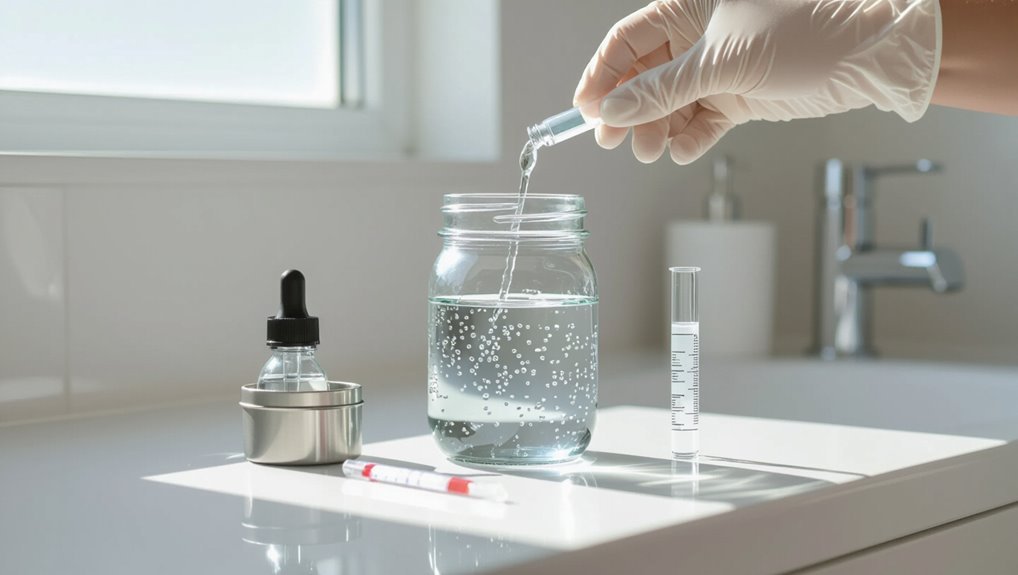
A quick assessment can flag possible sewage contamination by noting visible signs such as floating debris, film, or unusual particles on the water surface.
Odor and taste cues—a strong sewage-like smell or bitter, metallic, or otherwise off taste—are further immediate indicators that warrant caution.
Cloudiness or brownish discoloration and suspended solids also suggest a potential problem and the need for formal testing.
Immediate visible signs to check at a glance
When evaluating water at a glance, observers should prioritize obvious visual cues that commonly indicate sewage contamination.
Murky brown or gray color, floating solids, foam, oil sheen, or toilet paper and human waste are immediate red flags.
Algal scums or unusual turbidity also warrant concern.
For guidance on how to test for sewage in water, document conditions and avoid direct contact.
Smell and taste indicators that suggest sewage contamination
If water emits a persistent rotten-egg, sewage-like, or musty odor, or tastes unusually salty, metallic, or bitter, these sensory cues strongly suggest possible sewage contamination and warrant immediate avoidance and testing; such sensory detection often precedes visible signs.
Persons should not drink, cook with, or bathe in suspicious water, and should promptly arrange objective testing or consult local health authorities for guidance and remediation.
When discoloration or particles indicate a problem
Because clear water can still harbor pathogens, visible discoloration or suspended particles provide immediate, actionable clues that sewage contamination may be present.
Brown, gray, or black tinges, oily sheens, or floating solids warrant caution.
Cloudiness with organic matter, sudden color shifts after storms, or persistent particles after flushing should prompt boiling, bottled water use, and contacting water authorities or a professional tester.
Simple DIY Tests You Can Do at Home
The following section outlines practical, low-cost tests a homeowner can perform to screen for sewage contamination.
It covers safe sample collection, simple pH strips and their interpretations, consumer bacterial test kits, turbidity and chlorine checks, and basic odor or organic-detecting home methods.
These are screening tools meant to indicate possible problems and to guide whether professional laboratory analysis or remediation is needed.
Safely collecting a water sample for testing
Begin by preparing a clean, food-grade container and basic protective gear—gloves and eye protection—so the sample is not contaminated and the collector is protected.
Collect midstream or from a tap after flushing, avoiding surface scum. Fill container leaving minimal headspace, seal tightly, label with date/time and location.
Keep cool, deliver to testing within recommended hold times to preserve accuracy.
Using a basic pH strip and what the results mean
When testing for sewage indicators at home, a basic pH strip offers a quick, inexpensive measure of acidity or alkalinity that can suggest contamination or treatment issues.
The user dips a strip into a collected sample, compares the color to the chart, and notes deviation from neutral (≈7).
Persistent low (acidic) or high (alkaline) readings warrant professional assessment; pH alone doesn’t confirm sewage.
Detecting bacteria with at-home test kits
Several affordable at-home bacterial test kits let homeowners screen water for fecal indicators like E. coli and coliforms without specialized equipment.
- Follow kit instructions: sample, incubate, and compare color or colony count.
- Use controls to validate results and avoid false positives.
- Repeat testing after a new sample or treatment.
- Seek professional lab confirmation for persistent or positive results before remediation.
Using turbidity and chlorine test methods
Although not definitive for pathogens, simple turbidity and chlorine tests provide quick, low-cost indicators of sewage contamination that homeowners can perform without lab equipment.
Turbidity meters or visual comparison kits reveal suspended solids; elevated cloudiness suggests possible contamination.
Free and total chlorine test strips detect disinfectant residuals; absent or unusually high readings warrant caution.
Positive indications should prompt professional microbial testing for confirmation.
Homemade tests for organic contamination and odors
If a quick, low-cost check is needed to screen for organic contamination and sewage-related odors, homeowners can perform a few simple DIY tests that rely on smell, color changes, and basic household reagents.
Smell testing, odor mapping, and foam or grease observation indicate problems. A bleach spot test, coffee-filter sediment check, and pH paper can suggest contamination but not confirm pathogens; professional testing is recommended.
Interpreting Common DIY Test Results
Positive results for bacterial indicators suggest possible sewage contamination and warrant confirmatory laboratory testing.
Observations of high turbidity, low residual chlorine, or abnormal pH should prompt immediate precautionary measures and targeted follow-up testing.
DIY methods can produce false positives and have limitations, so results should be interpreted cautiously and, when in doubt, validated by professionals.
Positive bacterial indicators and what they imply
Several common bacterial indicators—most notably coliforms, fecal coliforms, and Escherichia coli—are used in DIY tests to suggest the presence of sewage contamination.
A positive coliform suggests possible environmental contamination; fecal coliforms and E. coli indicate recent fecal pollution and higher health risk.
Confirmatory professional testing, source tracking, and remedial actions are recommended when these indicators are detected.
Elevated turbidity, low chlorine, or abnormal pH: next steps
Following detection of bacterial indicators, other common DIY results — elevated turbidity, low free chlorine, or abnormal pH — offer additional clues about water quality and potential contamination pathways.
Elevated turbidity suggests particulate or organic load; low chlorine indicates insufficient disinfection or high demand from contamination; abnormal pH can mobilize metals or impair disinfection.
Combine findings, repeat tests, sample upstream/downstream, and consult a professional for confirmatory laboratory analysis.
False positives and limitations of DIY methods
Although DIY tests can flag potential problems, they are prone to false positives and other limitations that can mislead non‑specialists.
Indicators like cloudiness, low chlorine, or color changes may reflect harmless organics, minerals, or reagent errors.
Test strips and kits lack specificity, have detection limits, and require correct sampling.
Confirmatory lab analyses and professional assessment are recommended before major remediation decisions.
When to Use Professional Laboratory Testing
Professional laboratory testing is recommended when initial DIY results are ambiguous or indicate contamination, since labs can quantify coliforms, E. coli, nitrates and specific pathogens.
Confirmatory testing is also advised for legal, health or remediation decisions.
Selecting an accredited water testing lab guarantees standardized methods, clear reporting and recognized credentials.
Types of professional tests: coliforms, E. coli, nitrates, pathogens
When laboratory testing is warranted, certified labs typically screen for indicator bacteria (total coliforms and E. coli), nutrient markers like nitrates, and, when exposure risk or source contamination is suspected, specific pathogens (viruses, protozoa, and enteric bacteria).
- Total coliforms: general contamination indicator.
- E. coli: recent fecal contamination marker.
- Nitrates/nitrites: sewage or fertilizer signals.
- Pathogen panels: targeted viral, protozoan, bacterial assays.
When your DIY results require confirmatory lab testing
If DIY test strips or home kits indicate elevated coliforms, detectable E. coli, high nitrates, or any inconsistent results, confirmatory testing at a certified laboratory is warranted to validate findings, identify specific pathogens, and provide legally defensible data for remediation or reporting.
Professional testing is also advised for persistent odors, illness clusters, or before remedial action, ensuring precise quantification, chain-of-custody, and regulatory compliance.
How to choose an accredited water testing lab
Why choose an accredited laboratory for follow-up testing? An accredited lab guarantees standardized methods, traceable results and regulatory recognition.
Select one accredited by national bodies (e.g., ISO/IEC 17025), confirm relevant test scope (coliforms, E. coli, enteric viruses, chemical indicators), verify sample handling and turnaround times, request chain-of-custody documentation, review past proficiency testing, and compare costs and reporting formats before commissioning.
Immediate Actions to Take If Sewage Is Suspected
If sewage contamination is suspected, immediate restrictions on water use should be implemented and alternative sources, such as bottled water or boiled water, identified.
Short-term household treatments—boiling, appropriately dosed disinfectants, and certified filters—can reduce risk until testing and repairs are complete.
Priority steps should protect vulnerable household members by minimizing their exposure and ensuring they have safe drinking and hygiene options.
Emergency water-use restrictions and safe alternatives
Upon confirmation or strong suspicion of sewage contamination, immediate restrictions on water use should be enacted to prevent exposure and further spread of pathogens.
Prohibit drinking, cooking, bathing, dishwashing, toothbrushing, and ice making. Suspend irrigation and pool use.
Use bottled water or commercially sealed sources for consumption.
For hygiene, use disposable wipes or water transported from safe supplies until professional clearance and system remediation occur.
Short-term household treatments: boiling, disinfection, filtration
Act quickly to reduce immediate health risks by using short-term household treatments—boiling, chemical disinfection, and filtration—when sewage contamination is suspected.
- Boil water for one minute (three minutes above 2,000 m) to kill pathogens.
- Use household bleach (8 drops per gallon) with 30-minute contact time; avoid scented or thickened products.
- Employ certified microfilter (0.1–0.3 µm) for protozoa and bacteria.
- Store treated water in clean, sealed containers.
Steps to protect vulnerable household members
Urgency dictates immediate, focused steps to protect infants, the elderly, pregnant people, and immunocompromised household members when sewage contamination is suspected.
Evacuate them from affected areas, provide bottled or properly treated water, and suspend tap-water consumption for cooking and hygiene.
Seek medical advice for symptoms, isolate soiled clothing, disinfect surfaces with appropriate agents, and contact professionals for testing, cleanup, and long-term remediation.
Long-Term Solutions and Repairs for Sewage Contamination
Long-term management of sewage contamination begins with thorough inspection and routine maintenance of plumbing and septic systems to prevent recurring failures.
Identifying common causes of sewer backups—such as blockages, tree root intrusion, or municipal system overload—and applying targeted repairs can restore reliable waste flow.
For ongoing safety, homeowners should consider certified water filtration and treatment options that address biological and chemical contaminants.
Inspecting and maintaining plumbing and septic systems
Inspecting and maintaining plumbing and septic systems reduces recurring sewage contamination by identifying faults, preventing backups, and preserving system integrity.
Routine inspections, pump-outs, and cleaning of drains and pipes detect leaks, root intrusion, and tank deterioration early. Record maintenance schedules, replace worn seals and corroded components, and guarantee proper ventilation.
Engage licensed technicians for complex repairs or system upgrades to secure regulatory compliance and long-term reliability.
Sewer backup causes and fixes
Addressing sewer backups requires diagnosing root causes—such as blockages from grease and debris, tree root intrusion, damaged or collapsed pipes, improper grading, and inadequate capacity during heavy rainfall—and implementing durable repairs that restore proper flow and prevent recurrence.
Permanent fixes include hydrojetting, pipe relining or replacement, root removal, regrading, installing backflow preventers, and upsizing mains.
Regular inspections confirm repair integrity and reduce future contamination risk.
Home filtration and water treatment options for ongoing safety
Homeowners should evaluate filtration and treatment systems that target biological pathogens, chemical contaminants, and particulates introduced by sewage to guarantee ongoing safety. Assess options like UV disinfection, reverse osmosis, activated carbon, sediment filtration, and whole-house systems. Maintain regular testing, cartridge replacement, and professional inspections after contamination events.
| System | Purpose |
|---|---|
| UV | Kills pathogens |
| RO | Removes dissolved contaminants |
| Carbon | Adsorbs chemicals |
| Sediment | Removes particulates |
| Whole-house | Extensive protection |
Signs That Warrant Calling a Professional Plumber or Public Health Authority
When contamination is severe or occurs repeatedly, a professional plumber should be contacted to diagnose and remediate the source.
Persistent sewage backups, obvious structural damage, or ongoing foul odors also indicate conditions beyond homeowner remediation.
If municipal supply contamination is suspected, the situation should be reported to public health authorities so they can investigate and coordinate a response.
Severe or repeated contamination events
Several clear indicators suggest contamination is beyond routine fixes and requires immediate professional intervention: persistent sewage odors, repeated backups or overflows despite prior repairs, visible sewage in multiple fixtures, and illness patterns among household members after water exposure.
In such events, authorities or licensed plumbers should assess contamination sources, test for pathogens, secure potable water, and implement containment and remediation to protect health and prevent further spread.
Structural problems, sewage backups, or foul odors that persist
Persistent structural issues, recurring sewage backups, or lingering foul odors are clear signals that plumbing systems or sewer connections may be compromised and require prompt professional assessment.
A licensed plumber or public health inspector should evaluate foundation cracks, sewer line damage, chronic basement flooding, and persistent hydrogen sulfide smells.
Immediate action prevents health risks, structural deterioration, and repeated contamination; document incidents and avoid DIY fixes beyond initial containment.
Reporting contaminated municipal water and working with authorities
Report suspected municipal contamination promptly to local water authorities or public health departments; timely notification enables testing, public advisories, and coordinated remediation.
Document symptoms—discolored water, sewage smell, gastrointestinal illness clusters, and persistent low pressure. Preserve samples if instructed.
Follow boil-water or do-not-use orders.
Contact the water utility and municipal health office; escalate to state regulators if response is inadequate or public health risks continue.
Prevention Tips to Reduce Risk of Sewage in Household Water
Preventive measures can greatly lower the chance of sewage entering household water by emphasizing proper disposal and adherence to plumbing best practices.
Regular monitoring of water quality combined with scheduled professional inspections helps identify problems early.
Additional precautions before heavy rain, freezing temperatures, or seasonal runoff further reduce risk.
Proper disposal and plumbing best practices
Maintain clear habits around waste and plumbing to minimize the chance of sewage entering household water systems.
Proper disposal and routine care reduce backflow and clogs; avoid pouring grease, wipes, or chemicals down drains.
Secure venting and backflow preventers help protect potable lines.
Follow codes and use licensed plumbers for repairs to guarantee safe, compliant installations.
- Dispose solids properly
- Avoid grease/wipes
- Install backflow preventers
- Hire licensed plumbers
Routine monitoring and scheduled professional inspections
Regular visual checks and scheduled professional inspections form the backbone of a proactive strategy to keep sewage out of household water.
Homeowners should perform monthly visual inspections of drains, sump pumps, and sewer cleanouts, noting odors, slow drains, or wet spots.
Annual professional plumbing and septic evaluations, plus documented service records, identify deterioration early and guide timely repairs to prevent contamination.
Seasonal and weather-related precautions
When heavy rain, rapid snowmelt, or seasonal storms occur, homes are at greater risk of sewer backups and infiltration.
Occupants should prepare by clearing gutters and downspouts, ensuring grading directs water away from foundations, and installing or testing backflow preventers and sump pumps before high-risk periods.
Additionally, inspect roof drains, secure loose utility covers, store hazardous materials above basement level, and review emergency shutoff procedures.
Resources and Next Steps
Reliable suppliers of testing kits and lists of certified laboratories are provided so readers can choose appropriate options quickly.
A concise list of contacts to save — the local health department, the water utility, and an emergency plumber — is recommended for prompt response.
Next steps explain how to use those resources to confirm contamination and arrange repairs.
Reliable sources for testing kits and certified labs
Although at-home tests can identify some indicators of sewage contamination, professional-grade kits and certified laboratories provide greater accuracy and legal defensibility. Consumers should prioritize EPA-approved test kits or state-certified labs listed by local health departments.
Recommended reliable sources include:
- EPA-recognized manufacturers of microbiological and chemical kits.
- State-certified environmental testing laboratories.
- Accredited private analytical labs (ISO 17025).
- University extension and public health laboratory networks.
Contact information to keep: local health department, utility, and emergency plumber
Every household should compile and prominently store contact information for the local health department, the water utility, and an emergency plumber to guarantee rapid response to suspected sewage contamination.
Include phone numbers, emails, account numbers, and after-hours instructions. Keep paper copies near main shutoffs and in digital form on a phone.
Update contacts annually and after service changes to confirm timely assistance and clear communication.
Conclusion
Like a lawn suddenly bordered by a dark, pungent stream, a home’s water betrayed by sewage warns that unseen roots now threaten the foundation. The homeowner, a gardener of safety, can till—test, flush, call experts—and plant barriers to stop rot. Swift action reclaims health; stubborn neglect lets the invasive tide spread. Treat signs as lanterns in fog: follow them to professional help and long‑term repair before the garden is lost.