
How to Safely Dissolve Tampons in Pipes: Methods, Risks, and Expert Alternatives
Tampons do not dissolve easily in pipes, and attempting to chemically break them down can be dangerous. The safest approach is to manually remove them using gloves, forceps, plungers, or a drain snake for accessible clogs. While enzyme cleaners may assist with organic materials, they are ineffective against compacted fibers. Strong acids or alkalis can damage pipes and release toxic fumes. For persistent clogs or backups affecting multiple fixtures, it’s best to call a licensed plumber. Continue reading for practical removal steps, safety precautions, and prevention tips.
What Happens When Tampons Enter Plumbing
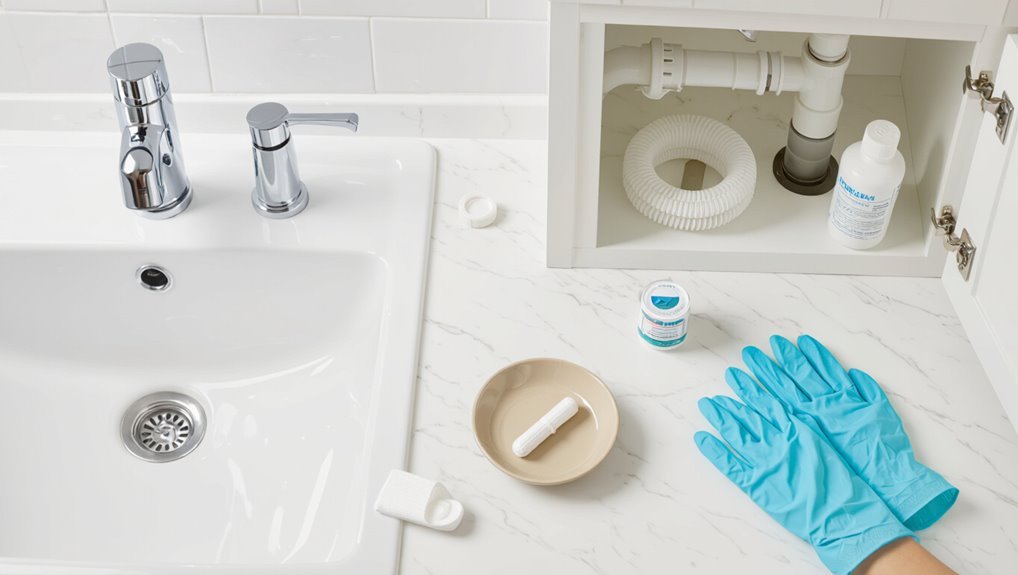
Tampons are made of fibrous materials that swell and entangle when exposed to water, increasing the risk of obstruction.
These properties can lead to blockages, damaged seals, and slow drains in toilets, sinks, and showers.
Plumbing outcomes vary by fixture because pipe diameter, trap design, and water flow differ between toilets, sink drains, and shower lines.
Why tampons clog pipes material and behavior in water
When flushed into a household drainage system, menstrual products behave differently than toilet paper: they are designed to absorb and retain fluid, expanding into dense, fibrous masses that resist breakdown.
Fibers, synthetic components, and compacted blood increase tensile strength and snag debris, promoting aggregation.
Chemical resistance limits enzymatic or microbial decay, which complicates attempts at how to dissolve tampons in pipes.
Common plumbing problems caused by tampons
Enter household plumbing and menstrual products can trigger a range of problems: they commonly cause partial or complete blockages in toilets and drain lines, create backups that spill into fixtures, and accumulate on trap bends and within sewer mains where they entangle other debris.
Consequences include slow draining, recurrent clogs, foul odors from trapped waste, increased sewer line pressure, and costly professional repairs or pipe replacement.
How plumbing systems differ (toilet vs sink vs shower drains)
Plumbing fixtures route wastewater through different pipe sizes, flow patterns, and trap configurations, so a menstrual product behaves differently depending on whether it reaches a toilet, sink, or shower drain.
Toilets offer strong flush forces and larger drains, reducing blockage risk but risking sewer clogs.
Sinks and showers use narrower traps and lower flow, increasing entanglement, buildup, and localized blockages requiring mechanical removal.
Can Tampons Be Dissolved Safely in Pipes?
The section contrasts common myths about rapid tampon dissolution with the actual limited solubility of their materials.
It summarizes how cotton, rayon, and blended fibers respond to common household chemicals and why many solvents do not fully break down the internal absorbent structure.
It also notes downstream implications for sewer systems and wastewater treatment when fibers or chemical residues enter the system.
Overview of dissolution myths vs reality
Although some online sources claim tampons dissolve quickly and harmlessly, reality is more complex: tampons are designed to absorb and expand, not disintegrate, so they can clog pipes and resist common drain treatments.
Myths minimize mechanical expansion and ignore mixed-material construction.
Reality emphasizes potential blockages, the limits of household solvents, and the need for mechanical removal or professional plumbing intervention to prevent damage.
Chemical compatibility with tampon materials (cotton, rayon, blends)
Chemical compatibility between common tampon materials—cotton, rayon, and their blends—and household drain chemicals determines whether any dissolution attempt is feasible and safe.
Cotton is cellulose-based and resists many alkalis and oxidizers; rayon (regenerated cellulose) behaves similarly but may fray.
Synthetic additives or adhesives in blends can resist or react unpredictably.
Strong acids, bases, or oxidizers can damage pipes and should not be relied upon.
Environmental and sewage treatment considerations
Materials’ resistance to common drain chemicals informs downstream impacts on sewer systems and wastewater treatment.
Treatment plants must handle persistent fibers and chemical residues that resist biodegradation, causing screen blockages, increased sludge volumes, or toxic loads.
Environmental risks include microfiber release and aquatic toxicity if not fully neutralized.
Proper disposal, reduced chemical use, and consultation with utilities minimize treatment burden and ecological harm.
Safe Methods to Remove or Deal with Tampons in Pipes
The section outlines practical responses to tampon-related blockages, starting with manual removal when the obstruction is visible and reachable.
It then summarizes appropriate mechanical options—plungers, drain snakes, and augers—with concise guidance on safe use.
Finally, it identifies clear indicators for when to stop and contact a professional plumber.
Manual removal techniques for accessible clogs
Begin by evaluating whether the tampon is within reach and the water level is low enough to work safely without creating overflow.
If reachable, wear gloves, remove visible tampon fragments by hand or with disposable tweezers, place waste in a sealed bag, then disinfect the area.
Avoid pushing the tampon further; if resistance occurs, stop and consult a plumber to prevent pipe damage or deeper blockage.
Mechanical tools and how to use them (plunger, drain snake, auger)
Use a plunger, drain snake, or small hand auger to dislodge or extract tampons lodged just beyond reachable areas, selecting the tool based on how far and firmly the obstruction sits.
Apply firm, controlled plunges; insert a snake slowly, rotate clockwise, then pull when resistance lessens; feed an auger gently, crank to break or hook the material, then withdraw steadily.
Sanitize tools after use.
When to call a professional plumber
Recognize when a clog exceeds basic DIY measures and contact a licensed plumber to prevent further damage or unsanitary conditions.
A professional should be called if plunging, snaking, or enzymatic cleaners fail, repeated blockages occur, odors persist, wastewater backs up, visible pipe damage exists, or fixtures are slow housewide.
Professionals provide camera inspection, safe removal, repairs, and advice to prevent recurrence.
Chemical and Home-Remedy Approaches Effectiveness and Risks
The section examines enzyme-based cleaners, strong alkaline and acidic chemical products, and common household mixtures such as baking soda with vinegar or bleach to assess their effectiveness against tampon material.
It considers suitability for different pipe types, potential damage to plumbing and downstream wastewater systems, and environmental hazards.
Practical safety precautions for handling, ventilation, and avoiding dangerous chemical interactions are also outlined.
Enzyme-based drain cleaners: how they work and suitability
Enzyme-based drain cleaners rely on biological catalysts—typically proteases, lipases, and amylases—to break down organic matter such as hair, grease, and tissue without harsh chemicals.
They act slowly, requiring hours to days and ideal temperatures/pH to be effective.
Suitable for minor organic clogs and regular maintenance, they are less effective on synthetic materials like tampon fibers and not a guaranteed solution for compacted obstructions.
Alkaline and acidic chemical drain cleaners: risks to pipes and environment
Many household drain cleaners fall into two chemical categories—strong alkalis (lye/sodium hydroxide) and strong acids (sulfuric/hydrochloric)—each capable of dissolving organic blockages but posing significant risks to plumbing materials, septic systems, and the environment.
These caustics can corrode metal pipes, damage PVC joints, kill beneficial septic bacteria, release toxic fumes, and contaminate waterways; professional assessment and safer alternatives are recommended.
Common household mixtures (baking soda + vinegar, bleach) do they work?
Although household mixtures like baking soda and vinegar or straight bleach are often touted as drain remedies, their chemical actions and practical effects differ sharply and are limited.
Baking soda and vinegar react briefly, producing fizz but no sustained solvent action on cellulose-based tampon fibers.
Bleach can degrade organic matter slowly but risks pipe corrosion and harmful fumes; neither reliably dissolves compacted tampons.
Safety precautions when using chemical products
When using chemical cleaners or home remedies on clogged drains, users should prioritize protective measures and follow product instructions to minimize injury and plumbing damage.
Wear gloves and eye protection, ventilate the area, never mix chemicals (especially bleach and acids), and measure strictly.
Rinse thoroughly after treatment.
If unsure about compatibility with pipes or persistent blockage, consult a professional to avoid corrosion, fumes, or health hazards.
Step-by-Step: Safe Removal Process for Tampon Clogs
The guide begins by outlining a quick safety and situation assessment and listing the necessary tools and materials.
It then describes isolating the drain to prevent further flushing, followed by steps for manual or mechanical extraction.
Finally, it recommends using an enzyme-based treatment as a safer chemical option when extraction alone is insufficient.
Assessing the situation and safety checklist
Before attempting any removal, assess the clog’s severity and the surrounding hazards to determine whether a simple, noninvasive approach is appropriate or professional assistance is required.
Visually inspect accessible fixtures, note backups or odors, and check for signs of chemical contamination or sewage.
Confirm ventilation and protective gear availability.
If doubt exists about structural damage, persistent backups, or health risks, contact a licensed plumber.
Tools and materials checklist
Having confirmed that the obstruction appears limited and no immediate hazards exist, assemble a concise set of tools and materials to handle tampon clogs safely.
- Nitrile gloves and eye protection
- Adjustable plunger or small hand auger
- Sealable plastic bags and disposable towels
- Mild enzymatic drain cleaner and measuring cup
Verify condition and readiness before proceeding to the removal steps.
Step 1 Isolate the drain and prevent further flushing
Start by stopping any further use of the fixture and closing any nearby valves or shut-offs to prevent additional water or items from entering the drain.
Then block the fixture outlet (cover or plug) and seal adjacent vents if accessible to limit airflow.
Notify household members, post a visible sign, and guarantee electrical devices near the area are turned off to reduce risk.
Step 2 Attempt manual or mechanical extraction
Proceed to attempt manual or mechanical extraction only after confirming the area is isolated and safe.
The practitioner should use gloves, eye protection, and adequate lighting.
Begin with visible removal using forceps or long-nose pliers; avoid pushing the object deeper.
If needed, employ a plunger, drain snake, or hand auger gently.
If resistance persists or damage risk appears, stop and consult a professional plumber.
Step 3 Use enzyme treatment as a safe chemical option
Consider enzyme treatments as a controlled, biodegradable method to break down organic components of a tampon without harsh chemicals.
Professionals recommend selecting a drain-safe enzymatic product labeled for cellulose and protein breakdown, following dosage and contact-time instructions, and avoiding mixing with bleach or acids.
Multiple applications over 24–48 hours may be required; inspect progress and repeat if necessary before considering mechanical alternatives.
Step 4 Post-removal cleaning and deodorizing
After enzymatic treatments have softened or partially broken down the clog, attention shifts to restoring pipe hygiene and neutralizing odors.
The technician flushes with hot water, then uses a mild, enzyme-based cleaner to break residues without damaging seals.
Vents and traps are inspected; a baking soda and vinegar rinse can follow.
Final step: run water for several minutes and monitor for lingering smells.
Risks and Consequences of Trying to Dissolve Tampons
Attempting to dissolve tampons in plumbing can damage pipes and worsen blockages when fibers clump or chemical reactions accelerate corrosion.
Chemical agents and contact with sewage pose health risks to occupants and anyone performing the work.
Municipal systems may face environmental harm and potential legal consequences if improper disposal or treatment causes contamination or infrastructure strain.
Potential for pipe damage and increased clogging
Dissolving tampons in plumbing can seriously damage pipes and increase the risk of blockages.
Fibrous material swells, entangles with other debris, and adheres to pipe walls, narrowing flow and creating snags.
Chemical solvents and heat may weaken seals, corrode metal, or soften PVC joints, producing leaks or collapses.
Repeated attempts escalate buildup, forcing costly mechanical removal or full pipe replacement.
Health and safety risks from chemicals and sewage exposure
While meant to resolve a nuisance, using chemicals or improvised methods to break down tampons presents serious health and safety hazards.
Corrosive cleaners emit toxic fumes, risk chemical burns, and can react unpredictably with other residues. Exposure to sewage during attempts increases infection risk from pathogens and bioaerosols.
Improper handling or inadequate ventilation multiplies respiratory, dermal, and eye injury dangers; professional remediation is safer.
Legal and environmental implications for municipal systems
Beyond the immediate health hazards to individuals, efforts to break down tampons in household plumbing can produce broader legal and environmental consequences for municipal wastewater systems.
Municipalities may face increased blockages, treatment inefficiencies, and higher maintenance costs, prompting regulatory action or fines.
Persistent fiber contamination harms aquatic ecosystems and complicates biosolid disposal, increasing legal liability and public trust concerns.
Preventive Measures to Avoid Tampon-Related Clogs
The section outlines practical steps to reduce tampon-related pipe blockages, starting with clear guidance on proper disposal of tampons and other feminine hygiene products.
It recommends visible bathroom signage and household rules to discourage flushing and promote safe waste handling.
It also compares alternatives such as menstrual cups and certified biodegradable products that are less likely to cause clogs.
Proper disposal practices for tampons and feminine hygiene products
Adopt clear disposal habits to prevent tampon-related clogs: place used tampons and applicators in a sealed bag or wrapper and dispose of them in a trash receptacle rather than flushing them.
Establish regular emptying of bathroom bins, provide discreet liners, and encourage single-item wrapping.
Offer alternatives like menstrual cups or biodegradable pads, and follow local waste guidelines to minimize plumbing damage and environmental impact.
Bathroom signage and household rules to prevent flushing
Clear, visible bathroom signage and simple household rules are effective tools to prevent tampon flushing and protect plumbing.
Signs near toilets should instruct users to wrap and discard tampons in a bin.
Households can establish consistent disposal protocols, provide covered wastebaskets, empty them regularly, and communicate expectations to guests.
Periodic reminders reinforce compliance and reduce costly clogs and plumbing repairs.
Product alternatives less likely to cause clogs (menstrual cups, biodegradable products)
Options such as menstrual cups and biodegradable pads or tampons offer reliable alternatives that considerably reduce the risk of plumbing blockages.
Menstrual cups are reusable, cost-effective, and eliminate flushing.
Biodegradable products break down faster when disposed of correctly in waste bins.
Clear labeling and user education promote proper disposal.
Choosing these options lowers maintenance costs and minimizes environmental and plumbing impacts.
Comparing Removal Options and Their Trade-offs
Different removal approaches—manual, mechanical, chemical, and professional—are compared here by cost, speed, effectiveness, and safety to help readers choose appropriately. The following table summarizes key trade-offs for quick reference. Each option carries distinct advantages and risks that warrant careful consideration before action.
| Option | Trade-offs |
|---|---|
| Manual | Low cost, slow, variable effectiveness, injury/contamination risk |
| Mechanical | Moderate cost, moderate speed, good effectiveness, pipe damage risk |
| Chemical | Varies cost, fast, mixed effectiveness, chemical exposure/corrosion risk |
| Professional | High cost, fast, high effectiveness, minimal risk when licensed |
Manual vs mechanical vs chemical vs professional cost, speed, effectiveness, safety
Evaluating manual, mechanical, chemical, and professional approaches requires weighing cost, speed, effectiveness, and safety to choose the appropriate response for a tampon lodged in plumbing.
Manual removal is cheapest but slow and risky for injury or pushing the obstruction deeper.
Mechanical tools improve speed and success but risk pipe damage.
Chemical methods can degrade materials and emit fumes.
Professionals cost more but offer safe, reliable resolution.
Expert Recommendations and When to Seek Professional Help
Signs that a clog needs a licensed plumber include repeated backups, slow drainage across multiple fixtures, foul odors, or visible damage.
Homeowners should ask about the technician’s license, experience with sanitary-product obstructions, diagnostic methods (camera inspection), estimated costs, and guarantees.
The service visit typically involves inspection, targeted removal or repair, and a clear explanation of findings and recommended follow-up.
Indicators a clog requires a licensed plumber or drain service
When routine plunging and household cleaners fail to restore normal flow, the problem may demand a licensed plumber or professional drain service.
Signs include recurring backups, multiple fixtures affected, stubborn odors, slow drains despite chemical treatments, visible pipe damage or roots, gurgling noises, wastewater seepage, or sewage smell.
These indicators suggest complex blockages or structural issues best resolved by trained professionals with proper equipment.
Questions to ask a plumber and what to expect from a service visit
If the blockage exhibits any of the previously listed warning signs or home remedies fail, homeowners should prepare a brief checklist of questions before calling a plumber and know what to expect during a service visit.
Ask about licensing, insurance, diagnostic methods, estimated cost range, and warranty on repairs.
Expect inspection, camera diagnosis, clear explanation of options, and a written estimate before work begins.
Quick Reference: Do’s and Don’ts for Tampon Clogs
A concise checklist helps homeowners and maintenance personnel quickly distinguish recommended actions from risky ones when addressing tampon-related clogs.
Recommended: attempt mechanical removal with gloves and a drain snake; consult a plumber for deep blockages.
Avoid chemical solvent mixes and flushing multiple tampons. Consider alternatives and preventive habits to reduce recurrence.
- Use gloves and tools
- Call a professional
- Do not mix chemicals
- Avoid flushing multiple items
Conclusion
When a personal hygiene product finds its way into household plumbing, it can be gently thought of as an uninvited guest that swells and clings within the pipes. Attempting to dissolve it with harsh potions often makes the situation stickier. Safer paths—mechanical removal, professional hands, or cautious preventive habits—quietly restore flow without drama. In the end, tame maintenance and mindful disposal keep the household’s waterways calm and untroubled.
