How to Run a Gas Furnace Without Electricity: Safe Backup Options and Step-by-Step Guide
To run a gas furnace during a power outage, you can use a properly sized portable generator, a dedicated transfer switch, or a battery/inverter backup to power the control board and blower. For older models with a standing pilot, you can manually light it following the manufacturer’s instructions. Always prioritize safety by inspecting vents, using battery-operated CO detectors, placing generators outdoors, and adhering to local codes. The following sections will provide detailed setups, power calculations, and essential safety precautions.
How to Run a Gas Furnace Without Electricity: Quick Overview and Safety First
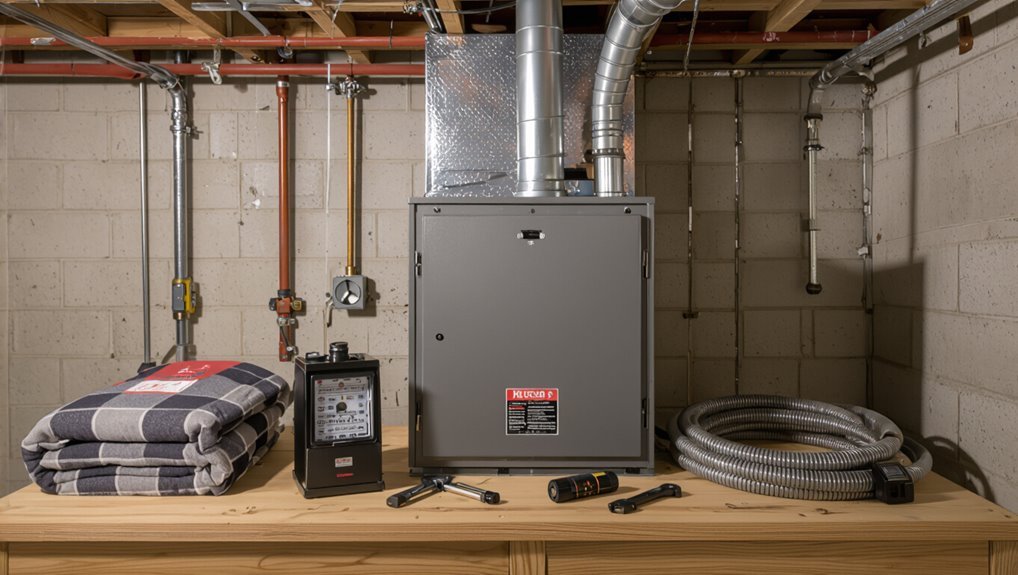
The section outlines immediate options for keeping a gas furnace functioning during a power outage, such as using a battery-powered ignition or manually lighting a pilot where allowed.
It emphasizes essential safety checks—shutting off gas if a leak is suspected, ensuring proper ventilation, and using approved tools and procedures.
It also specifies situations that require contacting a qualified technician or the utility company rather than attempting further DIY measures.
Immediate possibilities for operating a furnace during a power outage
Several practical options exist for keeping a gas furnace running during a power outage, each with specific limits and safety considerations.
Emergency solutions include battery backup for controls, portable inverter generators to power blowers, direct-vent gravity-fed systems where applicable, and manual thermostat overrides on some models.
Homeowners should confirm compatibility, fuel availability, and manufacturer guidance when exploring how to run a gas furnace without electricity.
Safety precautions before attempting any non-electric operation
Although restoring heat without grid power can be urgent, anyone attempting non-electric operation must prioritize safety by understanding system limits, combustion risks, and local codes.
Inspect venting for obstructions, confirm carbon monoxide detectors operate on battery power, shut gas off if corrosion or leaks exist, maintain clear combustion air, keep combustibles away, and use only approved manual-start methods to avoid backdrafting or ignition hazards.
When to call a professional or your utility company
A professional should be contacted when uncertainties about the furnace, gas lines, venting, or electrical components could risk safety or cause further damage.
Technicians or the utility should be called for gas odors, suspected leaks, pilot or ignition failures, blocked flues, carbon monoxide alarms, damaged lines, or when manual procedures are unclear.
Utility crews handle meter or supply issues; licensed HVAC pros manage repairs and safe restoration.
How Modern Gas Furnaces Normally Use Electricity
Modern gas furnaces rely on electricity to power key components such as blower motors, control boards, and ignition systems.
Some units use a continuously lit standing pilot that can operate with minimal power, while most newer models employ electronic ignition and complex controls that require a steady electrical supply.
Because safety interlocks, gas valves, and exhaust fans often depend on that power, many furnaces cannot run safely during a power outage.
Electrical components in typical furnaces (blowers, controls, ignition)
Gas furnaces rely on several electrically powered parts—most importantly the blower motor, control board and safety circuits, and ignition system—to operate safely and efficiently.
The blower circulates air; the control board sequences operations and monitors thermostats and sensors; safety circuits include limit switches and flame sensors; the ignition module initiates combustion.
Loss of power disables these functions, preventing normal furnace operation.
Differences between standing pilot and electronic ignition systems
Many furnaces use either a continuously burning standing pilot or an electronic ignition to light the burner, and the two systems differ fundamentally in energy use, complexity, and reliability.
Standing pilots consume constant gas but operate without electrical power for ignition.
Electronic ignitions (hot surface or intermittent spark) use electricity only when calling for heat, offering greater efficiency, fewer pilot-related losses, and more complex controls.
Why some furnaces can’t run safely without power
A large portion of contemporary furnaces rely on electric components for essential functions, so they cannot operate safely if power is lost.
Modern gas furnaces use electric blowers, ignition controls, safety sensors, and exhaust fans. Without power, these systems cannot circulate air, confirm flame presence, or manage combustion safely.
Attempting manual operation risks incomplete venting, carbon monoxide, and equipment damage.
Methods to Run a Gas Furnace Without Grid Electricity
Several practical approaches exist to operate a gas furnace when grid power is unavailable.
These include battery backup packs for control and ignition, portable generators with proper transfer or safe connection methods, and inverter systems combining batteries and inverters to run electronic components.
Where applicable and safe, manually lighting a standing pilot is another option, but it requires following manufacturer guidance and local codes.
Using a battery backup for control and ignition
One practical option for keeping a gas furnace operational during a power outage is a dedicated battery backup system that supplies the control board and electronic ignition with the low-voltage power they require.
These systems use deep-cycle or sealed lead-acid batteries with an inverter/charger and voltage regulator.
Installation requires matching voltage, proper fusing, and adherence to manufacturer and local code for safe, reliable startup and control.
Portable generator options and safe connection methods
Many homeowners rely on portable generators to power gas furnace controls and ignition during outages, but choosing the right unit and connecting it safely are critical to avoid damage or hazards.
Select a generator with sufficient starting watts for the furnace’s ignition transformer; use a licensed transfer switch or certified interlock to prevent backfeed; ground the unit, use heavy-duty outdoor-rated cords, and follow manufacturer and local code requirements.
Inverter systems and battery-plus-inverter setups
Inverter systems paired with deep‑cycle batteries provide a quiet, fuel‑free way to keep a gas furnace’s electronic controls and ignition powered during outages.
Proper sizing matches inverter continuous and surge capacity to furnace startup loads.
Include a battery management system, charge source (solar, generator, or grid when available), safe DC/AC wiring, and transfer switching to prevent backfeed.
Professional installation and code compliance are recommended.
Manual lighting of a standing pilot furnace (only if applicable and safe)
While battery‑plus‑inverter setups can keep electronic ignition systems running, some older furnaces with a standing pilot light can be operated without any electrical power by manually lighting and holding the pilot.
Only attempt this if the furnace is designed for manual lighting, gas is shutoff valves and controls are known, and safety checks (odor, ventilation) are completed; consult a professional if unsure.
Step-by-Step Guide: Running a Furnace with a Portable Generator
The section outlines how to select a generator with sufficient starting and running wattage for a specific furnace model and its blower.
It emphasizes safe outdoor placement, exhaust ventilation, and fuel handling to prevent carbon monoxide and fire hazards.
It compares connection options—properly installed transfer switches versus risky temporary cords—and summarizes the correct start-up sequence and monitoring practices while the system runs.
Choosing the right generator capacity for your furnace
Selecting an appropriately sized generator is the most critical step when powering a gas furnace with a portable unit.
Determine furnace starting and running watts, add other essential loads, and include a safety margin. Consider motor start-up surge and generator continuous rating.
- Check furnace label for watts/amps
- Measure startup surge
- Add thermostat and blower loads
- Include safety margin (20–30%)
- Prefer rated continuous output
Safe generator placement and ventilation
Proper placement and ventilation of a portable generator are essential to prevent carbon monoxide buildup, reduce fire risk, and secure reliable furnace operation during power outages.
Position the generator outdoors on level ground, downwind and at least 20 feet from windows, doors, and vents. Keep it away from combustible materials, guarantee exhaust clearance, and maintain unobstructed airflow.
Regularly inspect for leaks and proper exhaust direction.
Connection methods: transfer switch vs. manual extension cord (risks and legalities)
Several common connection options exist for powering a furnace from a portable generator, most importantly a professionally installed transfer switch or a manual connection using heavy-duty extension cords, each carrying distinct safety, performance, and legal implications.
A transfer switch isolates circuits, meets code, and reduces backfeed risk; manual cords may violate regulations, overload equipment, and create shock or fire hazards if improperly sized or connected.
Start-up sequence and monitoring while running
Begin the generator and furnace sequence methodically: confirm fuel levels and oil. Start the generator outdoors on level ground, letting it warm under light load.
Then switch the furnace circuit or connect the heavy-duty cord per the chosen method.
Observe starter cycles, verify inducer and blower operation, monitor carbon monoxide detector and exhaust.
Check for unusual noises or fuel smell, and periodically refuel safely.
Step-by-Step Guide: Using Battery Backup or Inverter
Selecting an appropriately sized battery bank and inverter is essential to power the furnace’s control board and blower motor without overload.
The overview should note basic wiring and required components, realistic startup and runtime expectations, and routine maintenance and charging practices to keep the backup system reliable.
Clear, concise guidance on sizing, connections, and service intervals helps guarantee the furnace operates safely during outages.
Sizing batteries and inverter for furnace controls and blower
Determine the power requirements for the furnace control board and blower before choosing batteries and an inverter.
Calculate running watts and startup (inrush) watts for the blower motor, add control board consumption.
Select an inverter rated above peak startup and continuous load with pure sine output.
Size battery capacity (Ah) by desired runtime at system voltage, accounting for inverter efficiency and recommended depth-of-discharge.
Wiring basics and required components
Wiring a furnace to operate from a battery backup or inverter requires a clear layout of components and safe connections: a suitably sized inverter with pure sine output, a battery bank matched to the inverter voltage, a transfer switch or manual switch for isolating utility power, appropriate fuses/breakers, and properly gauged DC and AC wiring with solid terminations.
Install a dedicated AC distribution, DC isolator, correct grounding, and labeled circuits.
Startup and runtime expectations
Once the battery bank, inverter, and transfer switch are installed and properly fused, the startup sequence begins by verifying battery charge, confirming inverter status, and ensuring the furnace control board has power through the inverter’s AC output. This prepares the system for a controlled shift to backup operation and sets realistic runtime expectations based on measured loads.
Initial startup checks include thermostat response, inducer motor spin, and burner ignition. Runtime estimates derive from inverter efficiency and measured amp draw.
Maintenance and charging considerations
After confirming startup behavior and establishing expected run times, attention shifts to maintaining the battery bank and inverter to preserve performance and safety.
Inspect connections, terminals, and enclosure for corrosion or heat. Follow manufacturer charging profiles, avoid over-discharge, and regularly test capacity.
Replace aged batteries per cycle life. Schedule inverter firmware updates and verify automatic transfer settings to guarantee reliable, safe operation.
Step-by-Step Guide: Manually Lighting a Standing Pilot Furnace
Before attempting a manual ignition, the reader should confirm the furnace uses a standing pilot and review a concise safety checklist including gas shutoff locations, ventilation, and a functioning flashlight.
The procedure then proceeds step-by-step: set controls to pilot, purge any accumulated gas per manufacturer instructions, ignite the pilot with a long lighter, and verify a steady flame.
If the pilot will not light, flame is unstable, or a strong gas odor persists, the operator should stop and contact a qualified technician.
Identifying if your furnace has a standing pilot light
A quick visual and auditory check can determine whether a furnace uses a standing pilot light.
Inspect the burner compartment for a small continuously lit flame near the gas valve and pilot assembly.
Listen for a faint, steady hiss or soft flame sound.
Older furnaces commonly have pilots; newer models typically use electronic ignition.
Check the unit’s label or owner’s manual for confirmation.
Exact safety checklist before attempting manual lighting
While guaranteeing the gas supply is off and the area is ventilated, the technician should confirm there are no gas odors, clear combustible materials from the work area, and have a working flashlight and long-reach lighter or match secured.
Additionally, they must check that any electrical switches feeding the furnace are turned off, the gas shutoff valve is accessible, and a functioning CO detector and fire extinguisher are present and within reach.
- Confirm no gas odor
- Guarantee ventilation
- Remove combustibles
- Verify power is isolated
- Place CO alarm and extinguisher nearby
Step-by-step manual lighting procedure
Begin by confirming the furnace is cold and all electrical power to the unit is shut off.
Locate the pilot assembly and gas control knob. Set knob to “Pilot,” depress and hold while using a long lighter to ignite the pilot.
Continue holding for 30–60 seconds to warm the thermocouple, then release slowly.
Turn knob to “On” and observe steady flame before restoring power.
Signs to stop and call a professional
If unusual odors, persistent gas smells, repeated pilot outages, visible damage to controls, or any doubt about safe operation are encountered during manual lighting, the procedure should stop immediately and a qualified HVAC professional contacted.
Additionally, persistent soot, yellow or irregular flame, pilot assembly looseness, gas valve stiffness, or recurring ignition failure indicate underlying faults requiring inspection, repair, and testing by a licensed technician before further use.
Comparison of Backup Options
The discussion now shifts to comparing generators, battery/inverter systems, and manual pilot operation as backup strategies.
Each option presents distinct trade-offs in upfront cost, usable runtime, installation and operational complexity, and safety considerations.
Practical choice depends on budget, expected outage duration, technical skill, and acceptable risk.
Generator vs. battery/inverter vs. manual pilot
When power fails, three primary backup approaches—portable or standby generators, battery-plus-inverter systems, and maintaining a manual pilot light—offer distinct trade-offs in cost, reliability, and complexity; choosing among them depends on expected outage duration, furnace type, and the homeowner’s willingness to install and maintain equipment.
| Option | Strength | Limitation |
|---|---|---|
| Generator | High power, supports fans | Fuel, noise, setup |
| Battery/inverter | Quiet, automatic | Limited runtime |
| Manual pilot | Simple, low tech | Minimal heat, safety oversight |
Cost, runtime, complexity, and safety trade-offs
Although each backup option can restore some level of furnace operation during an outage, they differ markedly in upfront cost, ongoing expenses, runtime capacity, installation complexity, and safety considerations. The trade-offs favor generators for power and runtime, batteries for low noise and clean operation, and manual pilots for simplicity but limited function and potential CO risks.
| Option | Cost | Complexity |
|---|---|---|
| Generator | High | High |
| Battery/inverter | Medium | Medium |
| Manual pilot | Low | Low |
| Safety notes | Variable | Critical |
Common Problems and Troubleshooting When Running Without Power
Common problems when operating a gas furnace without grid power include ignition failures or pilot malfunctions that prevent reliable startup.
The blower may not run without electricity, and temporary workarounds—such as using a battery-powered fan—have clear performance and safety limitations.
Additionally, loss of powered safety systems increases carbon monoxide risk, so functioning battery-operated CO detectors and adherence to ventilation guidelines are essential.
Ignition failures and pilot issues
Diagnosing ignition failures and pilot problems is the essential first step for anyone trying to operate a gas furnace without electricity.
The piece outlines checking pilot light presence, ensuring thermocouple integrity, and confirming gas valve operation.
It advises following manufacturer procedures for relighting pilots, inspecting for dirt or drafts, and calling a qualified technician if repeated failures, gas odors, or obvious component damage are present.
Blower not running: temporary workarounds and limitations
When the blower motor fails because the furnace has lost electrical power, heat produced at the burner may not circulate beyond the heat exchanger, leaving rooms cold and risking localized overheating.
Temporary workarounds—such as using window fans or portable blowers to distribute warm air and periodically opening doors to promote passive convection—can provide short-term relief but cannot replicate the furnace’s designed airflow or safety controls.
Short-term measures should be limited, monitored closely, and followed by professional repair.
Carbon monoxide risks and detector recommendations
Carbon monoxide (CO) is an odorless, colorless gas that becomes a serious hazard whenever a gas furnace operates without its normal electrical safety and venting systems.
Exposure risk rises if combustion is incomplete or ventilation is impaired.
Use battery-powered, digital CO detectors with end-of-life alerts and peak-reading memory.
Place detectors near sleeping areas and the furnace; test monthly and replace batteries and units per manufacturer instructions.
Legal, Code, and Insurance Considerations
Before attempting nonstandard hookups or manual workarounds, the reader should verify local building codes and whether generator connections require specific approvals.
Insurance policies can be affected by DIY backup modifications, so homeowners need to confirm coverage implications and document any changes.
When permits or professional installation are required, hiring a licensed technician and obtaining proper permits helps guarantee legal compliance and maintain insurance protection.
Local building codes and permitted generator connections
Although many homeowners focus on generator capacity and transfer switches, compliance with local building codes and permitted generator connections is the essential legal framework that governs safe and lawful operation of a gas furnace during power outages.
Homeowners should verify permit requirements, approved connection types, setback and ventilation rules, and inspection processes.
Municipalities or utility providers may require licensed electricians for hardwired or interlock installations.
Insurance implications of DIY backup modifications
How might a homeowner’s decision to install improvised backup power connections affect their insurance coverage and liability?
Insurers may deny claims for damage or fire if non‑code, DIY modifications contributed. Liability exposure increases for injuries or neighbor damage.
Policy endorsements, exclusions, and insurer notification requirements vary; failure to disclose alterations can void coverage.
Documenting work, obtaining inspections, and consulting the insurer mitigates risk.
When permits or professional installation are required
Having insurers scrutinize DIY alterations often prompts scrutiny of whether work met legal and code requirements, and that scrutiny determines when permits or licensed professionals are required.
Local codes typically mandate permits for combustion, venting, gas line, or electrical changes.
Licensed HVAC or plumbing contractors guarantee compliance, inspections, and preserved insurance coverage.
Failure to obtain permits can nullify claims and invite fines.
Preventive Measures and Long-Term Backup Planning
Effective long-term planning emphasizes installing a whole-house automatic transfer switch and a properly sized backup generator to maintain furnace operation during outages.
Consider upgrading to furnaces and control systems designed for off-grid or low-power operation to reduce reliance on emergency power.
Regular routine maintenance and periodic testing of backup equipment guarantee reliable performance when the grid fails.
Installing a whole-house automatic transfer switch and backup generator
Consider installing a whole-house automatic transfer switch paired with a suitably sized backup generator to secure continuous furnace operation during power outages.
A licensed electrician should size the generator for furnace startup loads and critical circuits, install the ATS per code, and confirm safe fuel storage and ventilation.
Regular maintenance, load testing, and manual override knowledge preserve reliability and compliance.
Upgrading to systems designed for off-grid operation
Upgrade systems to those engineered for off-grid operation to secure reliable heating without grid power.
Homeowners should consider direct-vent furnaces with millivolt or thermocouple ignition, propane-compatible models, and sealed combustion designs minimizing electrical needs.
Integrate priority heating zones, manual or battery-backed controls, and certified conversion kits.
Professional assessment secures proper venting, fuel supply, and code-compliant installation for safe, long-term off-grid performance.
Routine maintenance to ensure reliable backup operation
Maintain a consistent preventive maintenance schedule to keep a gas furnace reliable when grid power is unavailable.
Inspect and clean burners, pilot assembly, and heat exchanger annually.
Test and service battery-powered controls, ignition aids, and transfer devices.
Verify venting, gas connections, and carbon monoxide detectors.
Replace filters regularly and document service dates.
Keep spare batteries and essential parts on hand for quick repairs.
Practical Tips and Safety Checklist Before You Rely on Backup Methods
Before relying on backup methods for a gas furnace during a power outage, a concise safety checklist helps guarantee preparedness and reduce risk.
Key considerations include having the right supplies, planning communications and warm-room arrangements, and knowing clear evacuation or emergency thresholds.
Recommended items to confirm before an outage:
- Portable gas-safe heater or certified alternative heat source
- Carbon monoxide detector with fresh batteries
- Extra fuel and basic hand tools for controlled operation
- Prearranged emergency contacts and a warm-room plan
- Evacuation criteria and nearest shelter or emergency services info
Essential tools and supplies to have on hand
A compact kit of specific tools and supplies can make the difference between a safe temporary heating solution and a risky improvisation.
Include a battery-powered or hand-crank carbon monoxide detector, fresh batteries, a wrench for gas shutoff, fireplace-style safety gloves, flashlights/headlamps, fuel-approved portable heater with manual controls, fire extinguisher, thermometer, and basic tools (screwdriver, pliers).
Store instructions and emergency contact list.
Emergency communication and warm-room strategies
Hotline numbers, neighborhood meeting points, and a simple signal plan should be established so occupants can quickly verify safety and coordinate warmth without relying on phone networks.
Designate one insulated warm-room per household, stock extra blankets, sleeping bags, hot water bottles, and a battery or gas-powered thermometer.
Rotate occupants to conserve heat, monitor carbon monoxide risks, and keep a manual flashlight and radio accessible.
When to evacuate or seek emergency assistance
When should occupants leave immediately, call for help, or continue with on-site measures depends on clear, observable danger signs and available resources.
Evacuate if there is strong gas odor, persistent carbon monoxide alarm, visible flame failure, structural damage, or life-threatening medical needs.
Call emergency services for symptoms of CO poisoning, uncontrolled gas leak, or inability to maintain safe temperature.
Otherwise follow sheltering and mitigation protocols.
Conclusion
Calmly concluding, conscientious consumers can confidently consider contingency concepts for cold conditions. Carefully choosing compatible generators, battery backups, or inverters creates credible chances to continue combustion comfortably when currents cease. Cautious calibration, conscientious code compliance, and continuous checks curb costly complications. Cling to clear checklists, consult competent contractors, and commit to consistent care. Ultimately, sensible selection and steady, safety-focused stewardship secure warmth, safeguard systems, and smooth seasonal surges.