How to Dissolve Poop Stuck in Toilet Quickly and Safely
To quickly and safely dissolve poop stuck in the toilet, stop flushing and turn off the water supply. Pour warm (not boiling) water and a few drops of dish soap from waist height to help break down the blockage. If this doesn’t work, consider using a toilet-safe enzyme product as directed or a diluted bleach solution, ensuring proper ventilation and wearing gloves. For stubborn clogs, mechanical methods like a plunger or toilet auger can be effective. Always follow safety precautions while troubleshooting further.
Fast Safe Methods to Dissolve Poop Stuck in a Toilet
The article outlines fast, safe approaches for breaking down toilet clogs, beginning with immediate DIY chemical options that act quickly.
It then covers gentle household remedies that use common ingredients to dissolve waste without harsh fumes.
Finally, it presents enzymatic and biological products designed to digest organic material over time for routine maintenance or stubborn clogs.
Immediate DIY chemical options that work quickly
Apply a small amount of household chemicals cautiously to break down organic material quickly without risking porcelain damage or toxic fumes.
For how to dissolve poop stuck in toilet, use diluted bleach or enzyme drain cleaner per label instructions.
Avoid mixing products, ventilate, wear gloves and eye protection.
Flush after dissolution and repeat sparingly; call a plumber if blockage persists or chemicals fail.
Natural household remedies for safe dissolving
Several common household ingredients can safely soften and help dissolve fecal matter without harsh chemicals.
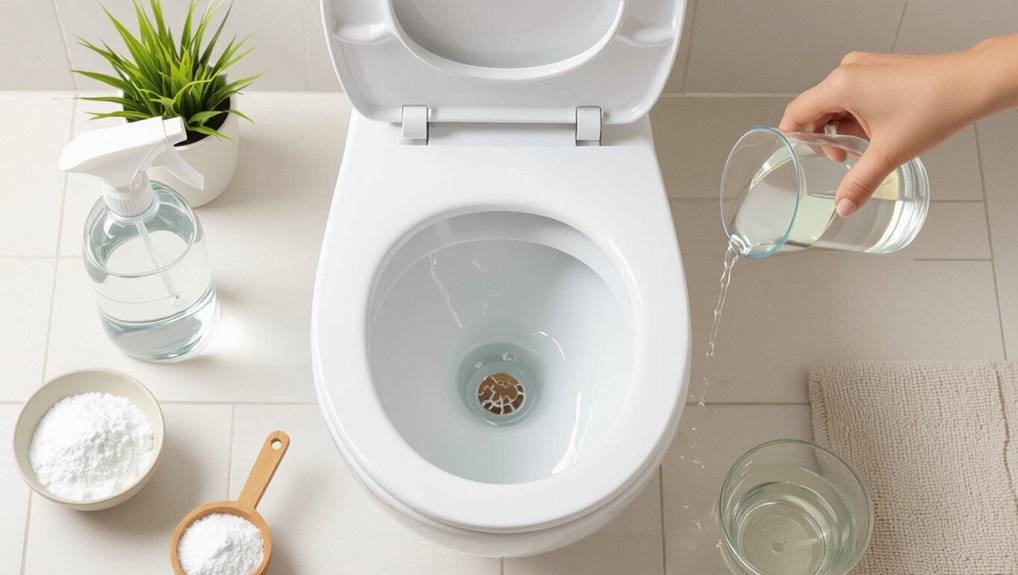
Warm water, mild dish soap, and a liberal soak loosen solid waste; vinegar adds mild acidity to break down residue.
Baking soda provides gentle abrasion and buffering when combined with vinegar.
Repeated soaking and gentle agitation with a toilet brush usually clears clogs without corrosive cleaners or enzymatic additives.
Enzymatic and biological products to try
Enzymatic and biological cleaners use live bacteria and specialized enzymes to break down organic waste, offering a fast, non-corrosive option for dissolving fecal matter in toilets.
Recommended products include septic-safe bowl cleaners, enzyme powders, and overnight drain treatments.
Follow label directions, allow sufficient dwell time, avoid mixing with bleach or acids, and repeat if necessary for complete breakdown without damaging plumbing or septic systems.
Step-by-Step Guide for Clearing a Clogged Toilet Without a Plunger
The section outlines the essential tools and materials to have on hand and the safety precautions to follow before beginning.
It then walks through evaluating the clog and water level, applying a chosen dissolving method safely, and using agitation with specified waiting times.
Clear, step-by-step actions and timing guidance are provided to minimize mess and risk.
Tools and materials to have ready
A few basic items make dissolving stuck waste in a toilet simpler and safer: rubber gloves, a bucket of warm (not boiling) water, biodegradable dish soap, white vinegar, baking soda, a long-handled scrub brush or toilet wand, and several old towels or rags to protect the floor.
Also gather a measuring cup, a plastic scoop or disposable cup, a spray bottle for vinegar, and trash bags.
Safety precautions before you start
Before beginning, guarantee protective measures are in place to minimize exposure and accidents: wear rubber gloves and eye protection, open a window or run an exhaust fan for ventilation, lay down towels to catch spills, and remove children and pets from the area.
Confirm good lighting, keep chemical labels accessible, disconnect electrical devices nearby, and have a trash bag and disinfectant ready for safe cleanup and disposal.
Step 1: Assess the clog and water level
Begin by visually inspecting the bowl to determine how high the water sits and whether solid waste is visible or submerged.
Note any overflow risk and avoid flushing further.
Listen for gurgling from nearby drains indicating a wider blockage.
Estimate clog location (closer to bowl or deeper in trap).
Record observations to choose appropriate tools and methods safely without causing spills.
Step 2: Apply chosen dissolving method safely
Several straightforward methods can be applied to dissolve stool safely, depending on the clog’s severity and available supplies.
The person should choose a mild enzymatic cleaner, baking soda with vinegar, or diluted bleach only if ventilation and protective gear are used.
Add solution carefully to bowl, avoid splashing, keep children and pets away, and follow manufacturer instructions and proper disposal guidelines.
Step 3: Agitation and waiting times
Agitate gently to help the chosen dissolving agent penetrate and break up the stool: use a long-handled toilet brush, a toilet-safe nylon scrubber, or a disposable plastic bottle with the bottom cut off to push and pull without splashing.
Work methodically, avoiding vigorous thrusts. After agitation, allow the solution to sit per product instructions—typically 15–60 minutes—checking periodically and repeating gentle agitation if needed.
Step 4: Final flush and verification
After the solution has had time to work and periodic gentle scrubbing has loosened the obstruction, the next step is to perform the final flush and verify that the toilet clears fully.
Close the tank, guarantee water level is adequate, then flush once while watching bowl flow.
If water drains smoothly and refill is normal, odor and residue checks confirm success; repeat treatment if needed.
Best Commercial Products to Dissolve Waste Fast
The section surveys common commercial options for breaking down toilet waste, including multipurpose household cleaners and specialty drain deodorizers.
It then explains how enzyme-based toilet cleaners work to digest organic material and compares their effectiveness and safety profiles against chemical alternatives.
Practical considerations such as speed, toxicity, and suitability for plumbing finishes are highlighted.
Household cleaners and drain deodorizers
Household cleaners and drain deodorizers offer fast, readily available options for breaking down organic waste and easing toilet clogs.
Users should select products labeled for sewage or drain cleaning, follow instructions, ventilate the bathroom, and avoid mixing chemicals.
Effective choices include:
- Toilet bowl cleaner (bleach-based)
- Citrus drain gel
- Lye-based drain opener
- Thickening gel formulas
- Acid-based descaler
Enzyme-based toilet cleaners and how they work
Highlighting biological action, enzyme-based toilet cleaners deploy specific enzymes and beneficial bacteria to break down organic waste—proteases target proteins, lipases digest fats, and amylases cleave starches—converting solids into smaller, water-soluble compounds that flow away and reduce odors without harsh chemicals.
These products require contact time and warm conditions for ideal activity; they are suitable for routine maintenance and septic systems, degrading waste gradually and safely.
Comparison of effectiveness and safety
Several commercial products claim rapid dissolution of toilet waste, but effectiveness and safety vary widely depending on active ingredients and proposed use. Consumer choices hinge on enzyme vs chemical formulas, contact time, and toxicity. Products with strong acids or lye act fast but risk surfaces and fumes; enzymatic or bacterial cleaners are gentler but slower.
| Type | Trade-off |
|---|---|
| Acid/lye | Fast, hazardous |
| Enzymatic | Safer, slower |
When to Use Physical Methods Instead of Dissolvers
When chemical dissolvers fail or are inappropriate, physical methods offer a direct alternative.
The discussion will cover effective plunger techniques, safe use and precautions for a toilet auger or snake, and guidelines for pouring hot water from a bucket without causing damage.
Practical safety steps and when to stop will be emphasized.
Effective plunger techniques
Use a plunger when a solid mass is visibly lodged or when flushing and chemical dissolvers have failed to restore normal flow.
Position the flange plunger to form a tight seal over the bowl drain, then push and pull firmly without breaking the seal.
Begin with short bursts, then longer thrusts. Repeat several times, checking flow between attempts, and sanitize the plunger afterward.
Toilet auger/snake use and precautions
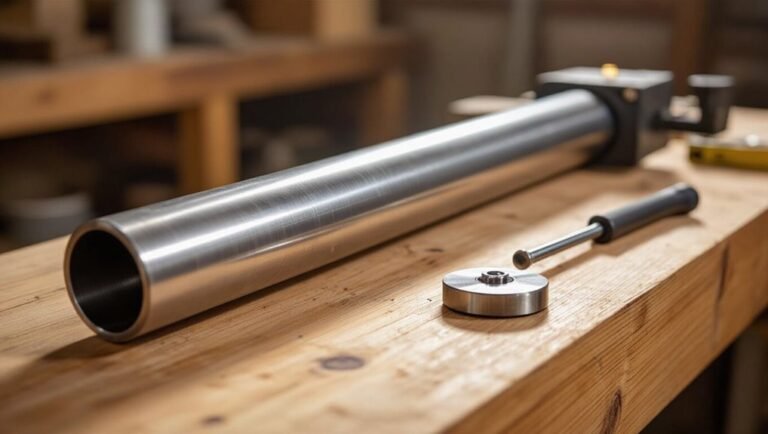
Reach for a toilet auger when plunging and chemical dissolvers cannot dislodge a stubborn obstruction or when the blockage is clearly beyond the trap and into the drain line.
Use a toilet-specific auger, feed the cable gently, crank clockwise to break or hook the clog, then retract slowly.
Wear gloves, eye protection, and clean the tool after use; avoid forcing the cable to prevent porcelain damage.
Using hot water and a bucket safely
Pour hot (not boiling) water from a bucket into the bowl to soften and shift a stool blockage, taking care to pour steadily to avoid splashing or cracking porcelain.
This method suits partial blockages and when chemical dissolvers are undesirable.
Pause after pouring to let heat work; test flushing gently.
Avoid extreme temperatures, overfilling, or forceful plunging that could damage seals or pipes.
Health and Safety Considerations
The author notes that appropriate protective gear and good ventilation are essential when addressing a clogged toilet to reduce exposure to pathogens and fumes.
Care is advised to avoid mixing chemicals, which can create dangerous reactions.
Proper disposal and environmental guidelines should be followed to prevent contamination of wastewater and local ecosystems.
Protective gear and ventilation
Because chemical drain treatments and manual cleanup can release fumes and contaminate skin or clothing, appropriate protective gear and good ventilation are essential before attempting to dissolve or remove fecal matter from a toilet.
Gloves, eye protection, and a mask prevent contact and inhalation. Open windows, run exhaust fans, and minimize enclosed-space exposure.
Remove contaminated clothing promptly and launder separately.
Chemical mixing hazards to avoid
Why mix only one product at a time?
Combining cleaners can generate toxic gases or violent reactions. Never mix bleach with acids, ammonia, or toilet bowl cleaners; chloramine or chlorine gas can form.
Avoid combining hydrogen peroxide with vinegar or bleach. If a reaction occurs, evacuate, ventilate, and seek fresh air.
Follow label instructions and use single-product treatments sequentially, rinsing between.
Environmental disposal guidelines
When disposing of waste or rinse water after attempting to dissolve stool, local regulations and potential environmental impacts should guide choices to prevent contamination of waterways and sewage systems.
Consult municipal guidelines before pouring chemicals or soiled water down drains. Prefer biodegradable cleaners and solid waste disposal where permitted.
Avoid storm drains, natural bodies of water, and septic overload; document and report unusual discharges.
Common Mistakes That Make Toilet Clogs Worse
Readers are warned about mistakes that can worsen clogs, including mixing incompatible chemicals that produce toxic gases.
Excessive use of harsh cleaners or repeated chemical treatments can corrode pipes and seals.
Improper plunging or auger technique can compact blockages or damage the toilet, making removal harder.
Harmful chemical combinations
Many household cleaners carry warnings for a reason: mixing common products like bleach and ammonia can produce toxic gases, and combining drain cleaners with each other or with acids can trigger violent reactions that worsen clogs and damage plumbing.
Users should never mix chemicals; instead, follow labels, ventilate, and wait between treatments. When unsure, consult product guidance or a professional to avoid hazardous outcomes.
Overuse of products and pipe damage
Overreliance on chemical cleaners and repeated attempts to force a blockage can gradually erode pipes and seals, turning a minor clog into a major repair.
Excessive use of drain solvents, enzymes, or abrasive additives weakens joints and corrodes metal or PVC.
Persistent pouring of products risks leaks, degraded wax seals, and compromised fittings; conservative, appropriate treatments and professional assessment prevent long-term damage.
Incorrect plunging or auger technique
After excessive chemical use and repeated force can damage plumbing, improper mechanical attempts frequently exacerbate clogs.
Users often plunge at the wrong angle, break the seal, or force an auger too aggressively, pushing material deeper. Metal augers can scratch bowls; plastic tips can detach.
Proper technique—steady, centered plunging and gentle, controlled augering—prevents damage and often resolves blockages without escalation.
Preventing Future Poop Buildup and Clogs
To prevent future poop buildup and clogs, simple habits such as flushing only waste and using less toilet paper can make a big difference.
Regular use of recommended cleaners, occasional enzymatic treatments, and a basic maintenance schedule help keep drains clear.
Persistent or recurring blockages should be evaluated by a professional plumber to avoid damage.
Habits to reduce toilet clogs
Adopting a few simple bathroom habits can greatly reduce the frequency of toilet clogs caused by stubborn stool.
Regularly flushing during multi-waste use, avoiding flushing excessive toilet paper or nonbiodegradable items, and encouraging adequate hydration and fiber intake to soften stools all help.
Promptly addressing minor backups and educating household members on proper flushing practices prevent many future blockages without specialized products.
Recommended products and maintenance schedule
Select a few reliable products and a simple maintenance schedule to keep toilets clear and reduce future stool-related clogs.
Recommended items and routine:
- Enzymatic toilet cleaner: weekly application
- Mild drain-safe dissolver: as needed for slow drains
- Toilet brush: daily quick scrubs
- Plastic plunger: keep accessible
- Monthly deep clean with vinegar and baking soda
Follow signs of buildup and adjust frequency accordingly.
When to call a plumber
When should a homeowner call a plumber for recurring toilet blockages versus handling them with routine maintenance?
A plumber is warranted when clogs reappear despite proper use, plunging, enzyme treatments, or when multiple fixtures back up.
Slow drains persist, noises or sewage odors occur, or signs of pipe damage or leaks appear.
Professional inspection prevents structural issues and costly repairs.
Troubleshooting: If the Toilet Still Won’t Clear
If the toilet remains clogged after attempted treatments, indicators like multiple slow drains, gurgling sounds, or sewage odors may point to deeper drain or sewer issues.
Temporary measures—such as shutting off the water, using a plunger or a toilet-specific auger cautiously, and avoiding chemical overload—can reduce risk until a professional arrives.
Before calling a plumber, one should note recent symptoms, any attempted remedies, and ask about diagnosis methods, expected costs, and whether camera inspection or sewer-line repair might be needed.
Signs of deeper drain or sewer problems
Several indicators suggest the blockage extends beyond the bowl and into the drain or sewer system.
Recurrent backups in multiple fixtures, slow drains throughout the home, sewage odors near drains, gurgling sounds when toilets or sinks are used, and water rising in nearby fixtures during flushing all point to main-line or sewer issues.
Visible sewage or persistent foul smells warrant professional inspection.
Temporary remedies until a professional arrives
After confirming signs that the blockage likely involves the main drain or sewer, homeowners can use a few short-term measures to reduce overflow risk and limit damage while awaiting professional help.
Stop flushing, shut off the toilet’s water supply, place absorbent towels around the base, mop up minor spills, and divert graywater from other fixtures.
Avoid chemical mixtures and structural interventions.
Questions to ask a plumber before service
What should a homeowner ask before a plumber arrives to address a persistent toilet blockage?
The homeowner should confirm availability, diagnostic fees, estimated total cost, warranty on repairs, experience with similar clogs, required parts, expected duration, and disposal procedures.
Ask about emergency or after-hours rates, proof of licensing and insurance, and whether the plumber can propose noninvasive solutions before resorting to replacement.
Conclusion
The reader is left with clear options: try enzymatic dissolvers for gradual breakdown, use a toilet auger for stubborn blockages, and employ hot water and dish soap for quick softening. They are advised to avoid harsh chemicals, to protect hands and lungs, and to call a professional when water won’t drain. By choosing safe products, using the right tools, and maintaining regular care, future clogs can be prevented and peace restored.