
How to Test Water for Sewage: Simple DIY Methods and When to Call a Pro
To test water for sewage contamination, look for immediate signs such as foul odors, cloudy or discolored water, and slow drains or backups. If you suspect sewage, visually inspect the water, test its pH and turbidity, or use over-the-counter coliform/E. coli kits. You can also perform a boil-and-observe microbial test. If you find positive indications or experience recurring issues, it’s essential to seek professional lab analysis to check for bacteria, pathogens, and chemical markers. In such cases, stop using the water, isolate taps, and contact a septic or plumbing professional for pumping, repairs, and remediation. Detailed steps and timelines are provided below.
How to Tell Quickly If Water Is Contaminated with Sewage
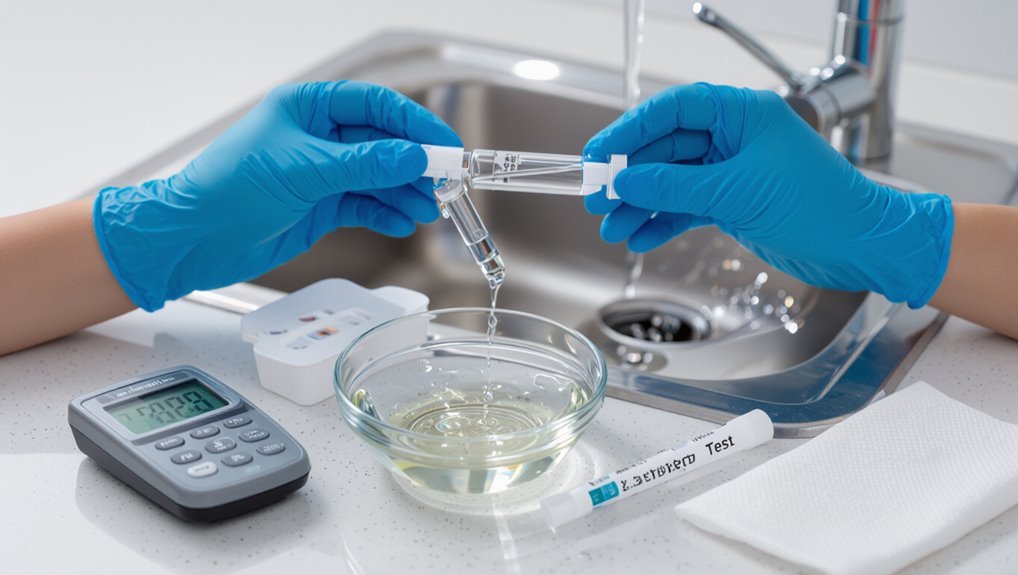
Immediate indicators of sewage contamination include foul or fecal odors, discolored or cloudy water, and unusual sliminess or grit.
Situations such as sewer backups, recent flooding, or persistently slow drains should raise suspicion and prompt testing.
Untreated sewage exposure can cause gastrointestinal, skin, and respiratory illnesses, so prompt action is important.
Immediate signs to watch for (odor, appearance, and texture)
Several clear sensory cues can indicate sewage contamination in water: a strong, rotten-egg or musty odor, visibly discolored or cloudy water with suspended solids, and an oily or slimy texture that clings to skin or surfaces.
Observers learning how to test water for sewage should note sudden changes, residue on containers, or irritation after contact. Then, avoid use and seek testing or professional advice.
Common household scenarios that raise suspicion (backups, flooding, slow drains)
When toilets back up, basements flood, or multiple drains become sluggish at once, these household events commonly point to sewage intrusion rather than routine plumbing issues.
Simultaneous failures, unexplained pooling after heavy rain, sewage-like vent odors, and gurgling fixtures suggest a shared sewer line problem.
Document occurrences, avoid using affected water, and contact a licensed plumber or utility to diagnose and isolate the source promptly.
Risks associated with untreated sewage exposure
Exposure to untreated sewage poses serious health and structural risks: pathogenic bacteria, viruses, and parasites can cause gastrointestinal, skin, and respiratory infections, while chemical contaminants and heavy metals threaten long-term health.
Immediate risks include acute illness, dehydration, and wound infections; environmental contamination can harm pets and crops.
Structural hazards—mold, corrosion, and weakened foundations—increase repair costs and long‑term liability.
Simple DIY Tests You Can Do at Home
The section outlines practical, low-cost checks a person can perform before seeking lab confirmation.
It covers a visual inspection checklist, a smell test and what different odors suggest, pH testing with strips including steps and interpretation, and a simple turbidity check using a clear container and light.
It also describes a basic homemade coliform indicator using boiled water and closed jars, noting its limitations and safety precautions.
Visual inspection checklist
A quick visual inspection provides the simplest first step for identifying possible sewage contamination: check water for unusual color, floating debris, persistent oil sheen, or dense cloudiness.
Note foul or sewage-like odors, and look for signs at fixtures and drains such as slow drainage, gurgling, or backflow stains.
- Inspect standing water and taps.
- Examine toilet and sink rims.
- Check outdoor discharge and gutters.
- Photograph and record findings for comparison.
Smell test: what different odors indicate
After noting visual clues, attention shifts to smell, which can provide quick, actionable hints about sewage presence.
A strong rotten-egg odor typically signals hydrogen sulfide from sewage decomposition. Fecal or musty scents suggest organic contamination or stagnant wastewater. Chemical or bleach-like smells may indicate industrial discharges or cleaning agents.
Record odors, their intensity, and duration; use results to decide whether to test further or call a pro.
pH test with strips: steps and interpretation
Several simple pH strip tests can quickly indicate whether water is within a safe range or skewed toward acidity or alkalinity.
The tester dips a strip, waits the recommended time, then matches colors to the chart. Readings below about 6.5 suggest acidity; above about 8.5 indicate alkalinity.
Repeated abnormal results warrant professional microbiological and chemical analysis for contamination confirmation.
Turbidity test using a clear container and light
Many homeowners can assess water clarity quickly by using a clear container and a light source to perform a turbidity check:
Fill a transparent glass or jar with sample water, hold it against daylight or a flashlight, and observe suspended particles or cloudiness.
Note changes over time and compare with a control (clear tap water).
Significant turbidity can indicate contamination and warrants further testing.
DIY coliform indicator using boiled water and closed jars (limitations and safety)
One simple at‑home method to screen for fecal coliforms involves boiling a water sample, sealing it in sterile jars, and observing for signs of microbial regrowth over time.
While this approach can indicate that live bacteria were present, it does not identify specific pathogens, quantify contamination, or distinguish coliforms from other microbes.
Results are qualitative, slow, and prone to contamination; sterile technique and cautious interpretation are essential.
Using chlorine or bleach as a presumptive disinfectant (how and when)
After using simple at‑home screening methods like boiled‑jar observation, a practical next step when contamination is suspected is to apply chlorine (household bleach) as a presumptive disinfectant.
A typical dose is 8 drops (about 0.5 mL) of 5–6% bleach per liter, mix, wait 30 minutes, then aerate.
Use only potable containers, avoid contact with skin, and call a professional for persistent turbidity or odor.
Affordable Over-the-Counter Test Kits
Affordable over-the-counter kits can help screen for sewage indicators such as coliform/E. coli, nitrates, and ammonia with differing sensitivity and price points.
A standard coliform/E. coli kit typically requires a sterile sample, incubation or reagent development, and comparison against a color chart or digital readout.
Attention to instructions, potential false positives from environmental bacteria, and features like included controls, clear expiration dates, and prices generally ranging from low-cost single tests to modestly priced multi-test packs will guide selection.
Types of kits to consider (coliform/E. coli, nitrates, ammonia)
When testing suspect water for sewage contamination, consumers can choose from several inexpensive over-the-counter kits that target different indicators: coliform/E. coli kits detect bacterial contamination, nitrate test strips measure fertilizer- or sewage-related nitrogen levels, and ammonia assays reveal fresh organic waste or breakdown products.
Each kit offers rapid, qualitative or semi-quantitative results; users should compare detection limits, sample types, and interpretation guidance before purchasing.
How to use a standard coliform/E. coli test kit
While coliform, E. coli, nitrate, and ammonia kits each screen for different signs of sewage, many homeowners will start with a standard coliform/E. coli test kit because it directly indicates fecal contamination.
Follow kit instructions: collect a sterile sample midstream, avoid touching inside container, seal promptly, incubate if required, and note timing.
Ship or compare within specified timeframe for valid results.
Reading results and common false positives
How should a homeowner interpret results from an over-the-counter coliform/E. coli kit? Results indicate presence/absence rather than concentration; any positive E. coli warrants concern and follow-up.
False positives can stem from contaminated sampling bottles, improper incubation, or nonpathogenic strains reacting with reagents.
Repeat testing, use sterile technique, and confirm positives with a certified lab before major remediation decisions.
Recommended kit features and price ranges
Having confirmed that any E. coli-positive result merits follow-up, homeowners should next consider which over-the-counter kits will produce reliable presence/absence data without breaking the bank.
- Clear E. coli indicator and control samples.
- Simple sampling bottles and instructions.
- Lab-confirmation upgrade or mail-in option.
- Price: $10–$40 for single tests, $30–$120 for multi-test packs or kits with mail-in capabilities.
When to Send Water to a Professional Lab
When over-the-counter kits yield ambiguous results, persistent odors, or health complaints, a professional laboratory should be consulted.
Labs can perform bacterial cultures, PCR, and targeted chemical analyses, but accurate results depend on proper sample collection, preservation, and packaging according to the lab’s instructions.
The laboratory report will identify contaminants, quantify concentrations, and compare findings to regulatory limits to guide remediation or further action.
When DIY tests are insufficient
If preliminary home testing yields ambiguous results, visible contamination, recurring gastrointestinal illness, or involves vulnerable occupants, professional laboratory analysis is warranted.
DIY kits cannot reliably quantify risk or identify complex contaminants.
Professionals offer validated sampling, chain-of-custody, and regulatory-grade reporting needed for remediation decisions, legal disputes, or public health actions.
Send samples when results affect safety, liability, or require official documentation.
What tests labs perform (bacterial culture, PCR, chemical analyses)
Laboratories perform a suite of targeted tests to determine sewage contamination, typically combining microbiological culture for indicator organisms, molecular assays such as PCR for specific pathogens, and chemical analyses to detect human-associated markers and contaminants.
- Culture for coliforms and E. coli to quantify viable bacteria.
- PCR for norovirus, Giardia, Cryptosporidium, and bacterial genes.
- Chemical screening for pharmaceuticals, caffeine, and human fecal markers.
- Trace metals and nutrient profiling to assess sewage signatures.
How to collect and package a lab sample correctly
Following the suite of laboratory tests, proper field collection and packaging determine whether results reflect actual contamination or sampling error.
Collect with sterile bottles, avoid touching rims, and sample midstream or from flowing taps.
Label samples with date, time, location, and preservative if required.
Keep chilled (4°C), transport to the lab promptly, and follow lab instructions for chain-of-custody and holding times.
Understanding lab reports and regulatory limits
Interpret lab reports by focusing on key metrics—coliforms, E. coli counts, enterococci, and any chemical indicators—then compare those values to applicable regulatory limits or public-health guidelines to determine risk.
Laboratories include detection limits, methods, and units; note exceedances, confidence intervals, and analytical uncertainty.
Where values approach or exceed standards, professionals recommend source investigation, repeat testing, and remediation plans aligned with local regulations and health advisories.
Interpreting Test Results and Health Implications
Positive bacterial results indicate the water is unsafe for drinking, cooking, and often bathing until treated or replaced.
Chemical contaminants common in sewage—such as ammonia, nitrates, and volatile organics—can cause irritation, organ damage, or other toxic effects depending on concentration.
The immediate risk is typically gastrointestinal illness or irritation, while repeated or long-term exposure raises the likelihood of chronic conditions and cumulative organ harm.
What positive bacterial results mean for household use
Any detection of fecal indicator bacteria—such as E. coli or enterococci—in household water signifies a potential contamination risk that warrants immediate attention.
Positive results indicate possible sewage intrusion or animal waste presence; users should stop drinking untreated water, boil or use validated disinfecting methods, disinfect fixtures, retest after corrective actions, and consult local health authorities or a professional to identify contamination sources and guarantee safe restoration for domestic use.
Chemical contaminants associated with sewage and their effects
When sewage enters household water, it can introduce a mix of chemical contaminants—nutrients (like nitrate and ammonia), organic compounds (such as pharmaceuticals and detergents), heavy metals (including lead and copper mobilized in plumbing), and disinfection byproducts—that each carry distinct health risks.
Interpreting results requires comparing measured concentrations to regulatory or guideline values, noting cumulative exposures, and prioritizing remediation or professional assessment when limits are exceeded.
Short-term vs long-term health risks
Beyond identifying specific chemicals and comparing them to guidelines, interpreting water test results requires distinguishing risks that present immediately from those that develop with chronic exposure.
Acute hazards—pathogens, high nitrate, toxic spikes—demand urgent action and possibly medical attention.
Chronic risks—low-level heavy metals, persistent organics—call for long-term remediation, monitoring, and public health evaluation to prevent cumulative disease.
Immediate Actions if Sewage Contamination Is Confirmed
If sewage contamination is confirmed, immediate measures should secure household safety by advising boiling or using bottled water, isolating affected taps and fixtures, and restricting access to contaminated areas.
Recommended disinfection steps for water and surfaces include specific chlorination dosages and required contact times to inactivate pathogens.
Simultaneously, containment actions such as sealing affected plumbing, shutting off nonessential water lines, and coordinating repairs can help prevent further spread.
Emergency steps to protect household members (boiling, bottled water, isolation of outlets)
Act quickly to reduce health risks by stopping use of contaminated taps and securing safe drinking water.
Household members should rely on bottled water or vigorously boiled and cooled water for drinking and food preparation.
Shut off and tag affected outlets, avoid ice from suspect sources, and limit bathroom use.
Vulnerable individuals require immediate relocation to uncontaminated water until professional assessment confirms safety.
Disinfection methods for water and surfaces (chlorination dosages, contact times)
When sewage contamination is confirmed, prompt disinfection of water and surfaces is essential to prevent disease transmission.
Appropriate chlorination dosages and contact times depend on the medium and level of contamination. For drinking water, target free chlorine 0.5–2 mg/L after treatment with 30 minutes contact.
For surfaces, use 500–1000 ppm (0.05–0.1%) bleach with 10 minutes contact, then rinse.
Plumbing and property containment to prevent spread
Containment measures should immediately isolate affected plumbing and property areas to limit pathogen spread and protect occupants.
Shut valves, cap drains, and stop HVAC circulation to prevent aerosolized contamination.
Restrict access, post warning signs, and relocate people and pets.
Document affected zones, remove porous materials that cannot be disinfected, and contact licensed plumbers and remediation specialists for repairs, sewage removal, and certified clearance testing.
When to Call a Professional Plumber or Environmental Contractor
Clear signs of an emergency plumbing situation—such as sewage backing into multiple fixtures, strong sewer gas odors, or sudden widespread leaks—warrant immediate professional intervention.
In contrast, isolated slow drains or minor odors may be handled as routine repairs.
Remediation specialists perform tasks like pump-outs, sewer line repairs, and septic system servicing to remove contamination and restore safe operation.
Homeowners should ask contractors about insurance, licensing, specific experience with sewage incidents, written estimates, and references before hiring.
Signs you need emergency plumbing vs. routine repair
If raw sewage is visibly present, backing up into drains, or emitting a strong sewer odor throughout a building, it signals an emergency that requires immediate professional intervention.
Other emergency signs include sustained widespread backups, contaminated drinking water, electrical hazards from flooding, and rapid structural water intrusion.
Isolated slow drains, sporadic odors, or single-fixture issues usually indicate routine repair and scheduled professional assessment.
What remediation professionals do (pump-out, sewer line repair, septic service)
When signs point to an emergency—visible sewage, persistent backups, or contaminated water—professional remediation teams take over with targeted actions that stop hazards and restore safe conditions.
They pump out contaminated water, disinfect affected areas, and remove biohazardous materials.
Technicians inspect and repair sewer lines, clear blockages, and relink damaged pipes.
For septic systems, they assess tanks, perform service or replacement, and document work for safety compliance.
Questions to ask contractors and credentials to check
Which credentials and questions distinguish a qualified contractor from a mediocre one? A homeowner should confirm licensing, insurance, certifications (OSHA, state plumbing), and references before hiring.
Ask about testing methods, remediation plan, timeline, warranties, and cost breakdown.
- License and insurance verification
- Relevant certifications and experience
- Detailed written scope and warranty
- References and past project documentation
Preventing Future Sewage Contamination
Preventing future sewage contamination centers on routine maintenance of plumbing and septic systems to catch issues before they escalate.
Proper disposal practices—keeping fats, wipes, and hazardous chemicals out of drains—reduce the risk of clogs and backups.
Seasonal and weather-related precautions, such as inspecting sump pumps and securing drain outlets before heavy rains or freezes, further protect water quality.
Routine maintenance for plumbing and septic systems
Regular inspection and timely servicing of plumbing and septic systems greatly reduce the risk of future sewage contamination.
Routine maintenance includes monitoring, cleaning, and prompt repairs to preserve system integrity and protect water quality.
- Schedule annual septic inspections and pump-outs.
- Inspect visible pipes and joints for leaks.
- Test sump and backflow devices periodically.
- Keep drainage fields clear of compaction and roots.
Proper disposal practices to avoid clogs and backups
Many household clogs and septic backups stem from improper disposal of solids, greases, and chemicals; minimizing these risks requires clear rules about what should never enter drains or toilets.
Households should discard fats, oils, coffee grounds, sanitary products, wipes, and nonbiodegradable items in trash.
Avoid pouring paint, solvents, or harsh cleaners down drains.
Regularly collect cooking grease for disposal and use drain screens.
Seasonal and weather-related precautions
Seasonal shifts and extreme weather events greatly increase the risk of sewage contamination by stressing sewer systems, overwhelming septic tanks, and mobilizing pollutants from saturated soils into water sources.
Homeowners should inspect and maintain septic systems before wet seasons, elevate or protect vulnerable drainage outlets, clear gutters and storm drains, secure lids, and plan for emergency discharges.
Local advisories guide safe water use after events.
Cost Estimates and Timeframes for Testing and Remediation
Typical cost ranges and expected timelines for addressing sewage in water are summarized below to help set realistic expectations. The table outlines common expenses from DIY testing to full remediation alongside typical timeframes from initial test to resolution. Readers are encouraged to use these estimates as a starting point and seek quotes for precise figures.
| Item | Typical Range / Timeline |
|---|---|
| DIY test kits | $15–$100; results same day to 48 hours |
| Laboratory testing | $50–$400; 2–7 days for results |
| Plumber inspection/repair | $150–$800; 1–7 days depending on issue |
| Partial remediation (localized) | $500–$5,000; days to weeks |
| Full remediation (septic/system replacement) | $5,000–$30,000+; weeks to months |
Typical costs for DIY kits, lab testing, plumber visits, and full remediation
Estimating costs and timeframes for sewage testing and remediation depends on the chosen approach, ranging from inexpensive DIY kits to extensive professional remediation that can run into the thousands.
DIY test strips and basic kits: $10–$50.
Certified lab analyses: $50–$300.
Plumber diagnostic visits: $100–$400; repairs $200–$2,000+.
Full remediation, including cleanup and repairs: $1,000–$25,000+, varying by scope.
Expected timelines from test to resolution
A clear timeline from initial test to final resolution depends on the testing route and severity of contamination: DIY test kits can provide preliminary results within minutes to days but require confirmation.
Certified lab analyses typically return results in 24–72 hours.
Plumber diagnostics and minor repairs often conclude within 1–7 days.
Extensive remediation—plumbing repairs, mold and sewage cleanup, and any structural restoration—commonly spans one to four weeks, with large-scale or insurance-involved projects extending to several months.
Subsequent permitting, moisture monitoring, and contractor scheduling can add days to weeks; homeowners should plan contingencies and budget for potential delays.
Real-World Scenarios and Step-by-Step Responses
The section presents three practical scenarios with clear, prioritized actions.
Scenario A covers a single contaminated faucet with immediate fixes and recommended follow-up testing.
Scenarios B and C address whole-house contamination and suspected septic failure after heavy rain, outlining containment, when to call professionals, and short- and long-term steps.
Scenario A: Single contaminated faucet quick fixes and follow-up
When a single faucet shows signs of sewage contamination—discolored water, persistent foul odor, or sudden backups—initial actions focus on isolating the source and minimizing exposure: stop using the fixture, shut off any connected supply if possible, and cap or close downstream drains to prevent cross-contamination.
Then test with a home bacteria kit, flush and sanitize the fixture, inspect aerators and supply lines, and retest within 24–48 hours.
Scenario B: Entire house water affected containment and professional escalation
If contamination appears limited to one fixture but then spreading symptoms—multiple discolored taps, widespread sewage odor, or systemic low pressure—emerge throughout the home, the response must shift to whole-house containment and rapid professional escalation.
Shut main water supply, avoid using appliances, isolate potable storage, document visible signs, and contact licensed plumbers and public health authorities immediately for testing, remediation, and safe reoccupation guidance.
Scenario C: Suspected septic failure after heavy rain immediate and long-term actions
Inspect for surface pooling and backflow immediately after heavy rains, as saturated soil can overwhelm a septic system and force untreated sewage into yards, drains, or indoor plumbing.
If present, stop water use, avoid contact, and mark contaminated areas.
Contact a septic professional for pump, tank, and drain field assessment.
Arrange soil testing and upgrade plans if failures recur to prevent health risks.
Additional Resources and Where to Find Help
For readers seeking assistance beyond practical steps, authoritative contacts and vetted suppliers can provide guidance and testing services.
Recommended sources include:
- Local government and public health departments
- Accredited laboratories and reputable test kit manufacturers
- National water safety agencies and standards organizations
- Online directories and professional environmental consultants
These avenues help verify results, arrange confirmatory testing, and clarify regulatory thresholds.
Government and public health contacts
When sewage contamination is suspected, residents should contact local public health departments, environmental agencies, or water utilities to report the problem and request testing guidance.
Officials can advise on immediate precautions, arrange confirmatory sampling, and coordinate boil notices or remediation steps.
Contact information is typically available on municipal websites; state health hotlines and regional environmental protection offices also provide guidance and incident reporting channels.
Trusted test kit manufacturers and lab directories
Reliable sources for testing supplies and laboratory services are essential for accurate detection of sewage contamination. Reputable manufacturers provide validated kits (E. coli, coliforms, turbidity) with clear instructions and certifications.
National and regional laboratory directories list accredited facilities offering microbial, chemical, and DNA analyses. Users should verify accreditation (e.g., ISO/IEC 17025), read reviews, compare prices, and confirm turnaround times before ordering.
Further reading on water safety standards
After selecting test kits and laboratories, readers may need authoritative guidance on interpreting results and meeting legal or safety thresholds.
Recommended sources include EPA guidance, World Health Organization drinking-water manuals, state public health departments, and local water utilities.
Professional associations (AWWA), peer-reviewed journals, and university extension services offer technical context.
Legal counsel or licensed environmental consultants can clarify regulatory obligations and remediation options.
Conclusion
When water whispers of danger—clouded, foul, or oddly warm—home detectives can use simple tests to unmask sewage’s signature: smell, color, DIY strips, or affordable kits reveal telltale clues. Professional labs are the lighthouse when uncertainty or serious exposure looms. Interpreting results guides health action and repairs; preventing recurrence protects households. Like gardeners tending roots, vigilant testing and timely remediation restore clean flow, turning contaminated streams back into safe, life-giving water.