How to Avoid Plumbing Problems: Expert Tips to Prevent Leaks and Clogs
To avoid plumbing problems like leaks and clogs, homeowners should conduct regular inspections and perform basic maintenance. Look for signs such as slow drains, unusual odors, water stains, and changes in water pressure. Regularly tighten fittings, replace worn hoses and seals, and use strainers to catch debris. Additionally, flush your water heater, clean faucet aerators, and winterize any exposed pipes seasonally. Never flush wipes or pour grease down the drain; instead, tackle clogs with plungers, snakes, or enzyme cleaners. By following a straightforward maintenance routine and consulting a licensed plumber for complex issues, you can effectively prevent plumbing problems.
How Proper Plumbing Maintenance Prevents Leaks and Clogs
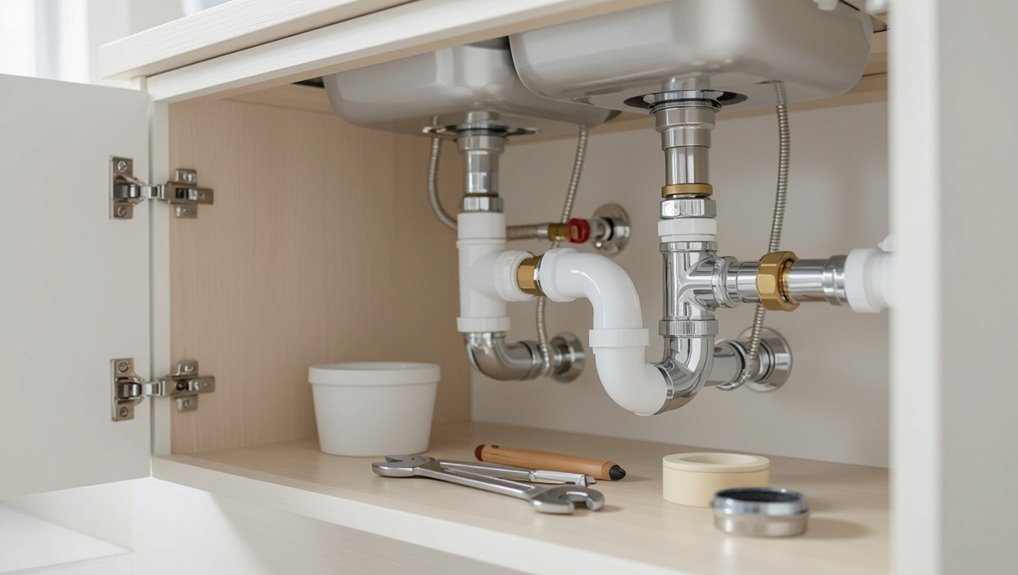
Recognizing common signs that plumbing needs attention—such as slow drains, persistent odors, and unexplained water stains—allows problems to be addressed before they escalate.
Routine maintenance yields short-term benefits like improved flow, fewer emergency repairs, and better water quality.
Over time, consistent upkeep reduces repair costs and protects the property’s value by preventing major leaks and structural damage.
Common signs your plumbing needs attention
How can small warning signs reveal larger plumbing issues?
Observing slow drains, persistent odors, unexplained water stains, fluctuating water pressure, and recurring clogs signals potential system failure.
Recognizing these indicators supports how to avoid plumbing problems by prompting timely inspection.
Early detection reduces risk of leaks, pipe damage, and costly repairs, guiding appropriate maintenance or professional intervention before escalation.
Short-term benefits of routine maintenance
Routine maintenance catches minor faults before they escalate, delivering immediate benefits such as fewer clogs, reduced leak risk, and steadier water pressure.
Prompt inspections and simple actions—clearing drains, tightening fittings, replacing worn seals—restore ideal flow, prevent odors, and reduce emergency calls.
Ten-minute checks and routine cleanings improve fixture performance, minimize downtime, and maintain household comfort until thorough repairs are scheduled.
Long-term cost savings and property protection
Regular maintenance reduces the likelihood of catastrophic failures that lead to costly water damage and extensive repairs.
Proactive inspections, timely repairs, and routine cleaning extend fixture and pipe lifespan, lower utility bills, and preserve property value.
Preventing mold, structural decay, and insurance claims saves significant long-term expense.
Owners who invest in scheduled plumbing care avoid emergency replacements and retain resale appeal while minimizing cumulative maintenance costs.
Essential Plumbing Components Every Homeowner Should Know
A basic understanding of water supply lines, shutoff valves, drainage pipes and traps, and common fixtures helps homeowners spot issues early.
Recognizing how toilets, faucets, showers, and appliances connect to the system clarifies where problems originate.
Familiarity with water heater operation and household pressure controls completes the overview needed to prevent many plumbing failures.
Water supply lines and shutoff valves
When water reaches fixtures, its path is guided by supply lines and controlled by shutoff valves that together determine flow, pressure, and the ability to isolate sections for repair.
Supply lines—copper, PEX, or flexible braided—must be inspected for corrosion, kinks, and proper support.
Shutoff valves should operate smoothly; exercise them periodically and replace leaking or seized valves promptly to prevent damage.
Drainage pipes and traps
Several key components—drainage pipes and traps—carry wastewater away and prevent sewer gases from entering the home.
Properly sloped drain lines, durable materials (PVC, ABS, cast iron), and accessible cleanouts reduce backups.
Traps retain a water seal; damaged or dry traps allow odors and pests.
Regular inspections for leaks, corrosion, blockages, and frozen sections help avoid costly repairs and maintain effective drainage.
Fixtures: faucets, toilets, showers, and appliances
Many household plumbing issues trace back to fixtures—faucets, toilets, showers, and appliances—that control water delivery and disposal.
Regular inspection for drips, loose connections, worn seals, and mineral buildup prevents leaks and inefficiency. Promptly replace faulty washers, cartridges, flappers, and supply lines.
Use strainers and recommended cleaners to avoid clogs. Hire professionals for complex repairs or when corrosion, persistent leaks, or improper installation appear.
Water heater basics and pressure systems
Understand the basics of a home’s water heater and pressure system to prevent failures and maintain comfort.
The homeowner should monitor temperature settings, inspect the pressure relief valve, and drain tanks annually to reduce sediment.
Maintain pressure between 40–60 psi to avoid stress on pipes and fixtures.
Address fluctuations, noises, or leaks promptly and schedule professional inspections for tank and tankless systems.
Practical Weekly and Monthly Maintenance Checklist
The homeowner is encouraged to adopt a simple maintenance routine to catch small issues before they grow.
Suggested focus areas include:
- Weekly: visual inspections and quick fixes.
- Monthly: clean aerators, drains, and appliance filters.
- Seasonal: winterizing, adding insulation, and servicing the water heater.
Regular attention to these items reduces emergency repairs and prolongs system life.
Weekly tasks: visual inspections and quick fixes
Once each week, a brief visual inspection and a few quick fixes can prevent minor issues from becoming costly repairs.
Check under sinks, around toilets, water heaters, and visible pipes for drips, corrosion, or dampness.
Tighten loose fittings, wipe away residue, run faucets to confirm pressure, and exercise shutoff valves.
Note any suspicious signs for timely professional attention.
Monthly tasks: cleaning aerators, drains, and appliance filters
Following the weekly visual checks, monthly attention to aerators, drains, and appliance filters helps maintain flow and prevents buildup that shortens component life.
Remove and soak aerators in vinegar to clear mineral deposits. Use a drain snake or enzymatic cleaner for slow drains.
Replace or clean refrigerator, dishwasher, and washing machine filters per manufacturer guidance.
Record completed tasks and note recurring issues for professional follow-up.
Seasonal checks: winterizing, insulation, and water heater servicing
Because seasonal temperature swings increase stress on pipes and equipment, homeowners should schedule targeted checks for winterizing, insulation, and water heater servicing to prevent freeze damage and efficiency loss.
Inspect exposed pipes, add or replace insulation, drain and winterize outdoor faucets and irrigation, test water heater pressure relief valve, flush sediment, and verify thermostat and sacrificial anode condition.
Arrange professional service when needed.
How to Prevent Common Causes of Leaks
The section outlines practical steps to prevent leaks by addressing loose fittings, corrosion, and appropriate use of pipe sealants and thread tape.
It describes simple methods for detecting hidden leaks—watching for moisture, listening for water sounds, and using the water meter—and offers clear guidance on when tightening suffices versus when replacement is required.
Readers are directed to prioritize safety and timely action to avoid small problems becoming major repairs.
Identifying and fixing loose fittings and corrosion
Inspecting fittings and recognizing early corrosion are essential steps in preventing leaks. Loose nuts, cracked sealants, and green or white deposits on metal joints signal vulnerabilities that can escalate quickly.
Tightening connections, replacing degraded washers, and swapping corroded fittings restore integrity. After repairs, monitoring for moisture and rechecking torque prevents recurrence.
Professional assessment is advised for advanced corrosion or inaccessible piping.
Proper use of pipe sealants and thread tape
Many common leaks arise from improperly sealed threaded joints, so correct use of pipe sealants and PTFE (thread) tape is a simple, high-impact preventive step.
Technicians should clean threads, apply thread tape clockwise two to three wraps, or use appropriate pipe dope for metal/plastic compatibility.
Avoid overapplication, guarantee proper torque, and recheck joints after pressure testing to confirm a durable, leak-free connection.
Detecting hidden leaks: moisture, sound, and meter methods
How can technicians reliably find leaks hidden behind walls, under slabs, or beneath finished floors?
Technicians combine visual moisture mapping, infrared thermography, and moisture meters to locate damp areas.
Acoustic leak detectors and listening sticks reveal pressurized flow.
Isolation tests and water meter monitoring confirm active leaks without excavation.
Accurate documentation guides targeted repairs while minimizing disruption and false positives.
When to tighten, when to replace pipes or fittings
After locating a hidden leak, the technician must determine whether the problem requires a simple tightening or full replacement of the affected pipe or fitting.
Assessment focuses on material condition, corrosion, crack presence, thread damage, and joint type.
Tightening suits loose connections or minor thread gaps; replacement is necessary for cracked, heavily corroded, or previously repaired sections to guarantee long-term integrity and code compliance.
How to Avoid and Clear Clogs Without Damage
Homeowners should follow clear drain‑use rules—avoid flushing wipes, grease, and large food particles—and install strainers or hair catchers to block debris.
For existing clogs, gentle mechanical methods such as plungers, drain snakes, and enzyme cleaners are preferred because they clear blockages without harming pipes.
Strong chemical cleaners and heat can damage plumbing and should be reserved only when safer alternatives fail and a professional is consulted.
Best practices for drain use and what not to flush
When drains are treated as part of routine maintenance, the risk of clogs and costly repairs is greatly reduced; clear rules about what should never be flushed or poured down sinks—grease, fibrous food scraps, coffee grounds, sanitary products, wipes, and unrinsed chemicals—protect pipes and septic systems and simplify clog prevention.
Regular use of strainers, cold-water flushing after greasy tasks, and prompt removal of hair and debris maintain flow and longevity.
Safe DIY unclogging methods: plungers, drain snakes, enzyme cleaners
Routine maintenance reduces most blockages, but stubborn clogs still occur and require careful, damage-free remedies.
Homeowners should begin with a fitted plunger for sinks and toilets, using steady seals and pumps. If that fails, a manual drain snake can dislodge hair and debris without harming pipes.
Enzyme cleaners offer gentle biological breakdown over time; follow label directions and avoid mixing products.
When chemical cleaners are harmful and safer alternatives
Although chemical drain cleaners can seem like a quick fix, they can damage pipes, finishes, and septic systems and pose serious health risks if used improperly.
Safer options include mechanical removal with a snake or plunger, biodegradable enzyme cleaners for organic buildup, and boiling water for grease clogs.
Consult a plumber before using harsh chemicals to avoid costly repairs and hazardous reactions.
Preventive devices: strainers, hair catchers, and grease traps
After noting the risks of harsh chemical cleaners, attention shifts to preventive hardware that can stop many clogs before they form.
Simple strainers catch food and debris at sinks, hair catchers prevent buildup in showers and tubs, and grease traps intercept fats before reaching drains.
Regular emptying and periodic inspection keep these devices effective, reducing blockages and minimizing need for invasive cleaning.
Appliance and Fixture Care to Reduce Plumbing Failures
Routine care of appliances and fixtures prevents many common plumbing failures by addressing wear points before they cause leaks or blockages.
Attention to washing machine and dishwasher hoses, filters, and proper installation, regular toilet checks to prevent clogs and running, and maintenance of faucet cartridges, aerators, and valves each reduce risk.
Periodic water heater flushing, pressure‑relief valve testing, and conservative temperature settings further protect the system and extend equipment life.
Washing machines and dishwashers: hoses, filters, and installation tips
Many homeowners underestimate how frequently washing machine and dishwasher hoses, filters, and installation choices influence leaks and drain clogs; simple inspections and correct connections prevent most failures.
Regularly check hoses for bulges, cracks, and corrosion, replace flexible hoses every 5–7 years, clean or replace inlet and outlet filters, verify proper drain air gap and secure mounting, and use manufacturer-recommended fittings and clamps.
Toilet maintenance: avoiding clogs and running toilets
When a toilet frequently clogs or runs, it signals small issues—like worn flappers, misadjusted fill valves, or partial blockages—that, if addressed promptly, prevent water waste and costly repairs.
Regular inspections, timely flapper and valve replacements, adjusting float levels, clearing partial obstructions with a plunger or auger, and avoiding flushing non-flushable items maintain reliable operation and reduce emergency plumbing calls.
Faucet and shower care: cartridges, aerators, and valve maintenance
Just as toilets benefit from regular checks, faucets and showers require periodic attention to prevent leaks, poor flow, and fixture failure.
Inspect cartridges and replace worn seals to stop dripping. Clean aerators to remove mineral buildup and restore spray patterns.
Check diverter valves and shutoff valves for smooth operation and leaks. Timely part replacement preserves water efficiency and avoids costly repairs.
Water heater maintenance: flushing, pressure relief valve checks, and temperature settings
A water heater’s routine maintenance prevents sediment buildup, preserves heating efficiency, and reduces the risk of pressure-related failures.
Regularly flushing the tank removes deposits that impair performance.
Testing the temperature-pressure relief valve guarantees it opens reliably, preventing dangerous overpressure.
Setting the thermostat to 120°F balances safety and energy use while reducing scalding risk.
Document service intervals and address anomalies promptly.
Water Quality and Pressure: How They Affect Plumbing Longevity
Water quality and pressure are primary factors in long-term plumbing performance, with hard water causing scale buildup and certain chemistries accelerating corrosion.
Simple treatments like water softeners, point-of-use filters, or chemical conditioning can reduce mineral damage, while high incoming pressure should be controlled with a pressure-reducing valve to prevent joint and fixture stress.
Regular water testing helps detect corrosive conditions early so appropriate anti-corrosion treatments or material changes can be applied.
Hard water effects and simple treatment options
Although often invisible, hard water accelerates scale buildup inside pipes, fixtures, and appliances, reducing flow, cutting efficiency, and increasing the frequency of clogs and repairs.
Simple treatments include descaling with vinegar or commercial cleaners, installing point-of-use filters or water softeners, and routine flushing of mineral-prone lines.
Regular inspection and timely softener maintenance prevent premature appliance failure and lower plumbing repair costs.
Managing high water pressure and installing regulators
Excessively high household pressure—typically above 60 psi—wears on pipes, joints, fixtures, and appliances, causing leaks, burst pipes, noisy plumbing, and shortened lifespans.
Installing a pressure-reducing valve (PRV) and monitoring pressure with a gauge are the most effective ways to protect the system, with professional calibration and periodic checks ensuring the regulator maintains ideal pressure as supply conditions change.
Regular maintenance prevents failures.
Detecting and treating corrosion from water chemistry
High pressure can accelerate corrosion by stressing seals and exposing fresh metal to corrosive agents, so attention to water chemistry complements pressure control.
Regular inspection for green/white deposits, pitting, pinhole leaks and metallic taste indicates corrosion. Test pH, alkalinity, dissolved oxygen and chloride.
Treat with corrosion inhibitors, adjust pH, install dielectric unions or replace susceptible materials to extend system life.
Plumbing Upgrades That Prevent Future Problems
Upgrading plumbing can greatly reduce future failures by addressing materials, automatic protection, and ongoing monitoring.
Key options include:
- Replacing old pipes (PEX, copper, PVC) with consideration of cost, durability, and suitability.
- Installing automatic shutoff and leak-detection systems.
- Adding smart monitoring such as leak sensors, water-flow monitors, and companion apps to enable early response.
Replacing old pipes: PEX, copper, and PVC pros and cons
When replacing aging water lines, homeowners must weigh the practical differences between PEX, copper, and PVC to match longevity, cost, and local code requirements. Each material offers tradeoffs in durability, installation ease, corrosion resistance, and temperature tolerance; choices depend on plumbing layout, budget, and regional rules. Compare features before committing to full repiping.
| Material | Quick notes |
|---|---|
| PEX | Flexible, cost-effective |
| Copper | Durable, corrosion-resistant |
| PVC | Inexpensive, cold-water use only |
| Requirement | Check local code |
Installing automatic shutoff and leak-detection systems
After selecting suitable piping material, homeowners should consider systems that prevent water damage before it starts: automatic shutoff valves and leak detectors can isolate problems quickly and minimize repair scope.
Professional installation guarantees correct valve sizing, placement, and integration with main shutoff lines.
Battery backup and manual override maintain operation during power loss.
Routine testing and scheduled maintenance verify functionality and extend system lifespan.
Smart monitoring: leak sensors, water-flow monitors, and apps
Because leaks and hidden pipe failures can escalate quickly, homeowners increasingly rely on smart monitoring systems—combining spot leak sensors, whole-home water-flow monitors, and mobile apps—to detect anomalies early, pinpoint sources, and alert users or trigger shutoffs.
These tools provide real-time data, customizable alerts, usage analytics, and integration with home automation, reducing damage, enabling faster repairs, and supporting preventive maintenance strategies.
Steps to Take Immediately When You Discover a Leak or Major Clog
When a leak or major clog is discovered, the immediate priority is to shut off water at the main valve and contain any runoff to limit damage.
A quick assessment follows to locate the source, gauge severity, and determine whether a simple fix is possible.
If the problem is uncontrolled, affects multiple fixtures, or involves sewer backup, a professional plumber should be contacted promptly.
Emergency shutoff and containment actions
A few decisive actions can prevent a small leak or clog from becoming major water damage.
The homeowner locates and turns off the main water valve or relevant fixture shutoff immediately, then cuts power to affected areas if electrical risk exists.
Contain spread with towels, buckets, and plastic sheeting; move valuables to dry locations.
Call a licensed plumber and document damage for insurance.
Quick diagnostic steps to identify source and severity
After shutting off water and containing the area, the next step is a focused, methodical check to pinpoint the leak or clog and gauge its severity.
Inspect visible pipes, joints, and fixtures for drips, corrosion, or fractures.
Run isolated tests—turn valves, activate fixtures individually—to locate flow loss.
Note pooling, discoloration, sound, and pressure changes for accurate assessment and documentation.
When to call a professional plumber
How urgent is the situation, and what immediate steps should be taken before calling a professional?
Assess danger: shut off water, cut power if flooding risks electrical contact, and contain leaks with buckets or towels.
For major clogs, avoid chemical cleaners; try a plunger or snake.
If damage, persistent backup, or unsure of source, contact a licensed plumber promptly to prevent escalation.
Common DIY Mistakes That Create Bigger Plumbing Problems
Homeowners often make well-intentioned repairs that worsen plumbing issues, such as overusing chemical drain cleaners or using incorrect tools for the job.
Poorly executed pipe joints and amateur soldering can cause leaks, corrosion, or failed connections.
Ignoring small leaks or postponing repairs frequently leads to larger, costlier damage over time.
Overuse of chemical cleaners and incorrect tools
Reaching for a bottle of chemical drain cleaner or the wrong wrench can seem like a quick fix, but overreliance on caustic chemicals and improper tools often turns minor clogs or leaks into costly repairs.
Harsh cleaners corrode pipes, damage seals, and harm septic systems. Using incorrect wrenches or plungers rounds fittings, breaks fixtures, and compounds problems best handled with targeted, appropriate methods or professional help.
Improper pipe joint methods and amateur soldering pitfalls
Beyond chemical misuse and wrong tools, mistakes made when joining pipes or attempting soldering are another common source of expensive failures.
Poorly fitted joints, inadequate flux, insufficient heating, and contaminated surfaces cause leaks, weakened seams, and corrosion.
DIYers often overlook proper pipe alignment, correct solder amount, and pressure testing.
Professional technique and appropriate fittings prevent rework, water damage, and costly emergency repairs.
Ignoring small leaks and delayed repairs
Ignore a slow drip long enough and a minor leak can escalate into structural damage, mold growth, and much higher repair bills.
Homeowners who postpone fixes risk corroded fittings, warped floors, and compromised insulation.
Prompt assessment, temporary shutoffs, and timely professional repairs prevent escalation.
Documenting leaks and scheduling maintenance reduces surprises and long-term costs while preserving property value and safety.
Choosing and Working With a Plumber
Selecting a qualified plumber begins with verifying licenses, insurance, and reliable customer reviews to reduce risk.
During estimates and service calls, clear, specific questions about timeline, materials, and potential additional costs help set expectations.
The homeowner should also confirm warranty details, request a written scope of work, and keep the final invoice for future reference.
How to vet licenses, insurance, and reviews
When hiring a plumber, verifying licenses, insurance, and customer reviews provides a factual foundation for judgment rather than relying on price or salesmanship alone.
Confirm license numbers with state databases, check liability and workers’ compensation coverage, and request proof.
Scan independent review sites for patterns in punctuality, workmanship, and dispute resolution.
Prefer technicians with trade affiliations and clear warranty policies.
Questions to ask during estimates and service calls
After confirming licenses, insurance, and reviews, homeowners should prepare focused questions to ask during estimates and service calls to verify competence, scope, and cost.
Ask about diagnostic steps, expected timeline, parts and labor rates, permits needed, and subcontracting.
Request references for similar jobs, confirmation of emergency availability, and clarification on cleanup.
Note grantable alternatives and estimated risks for each repair option.
Understanding warranties, invoices, and scope of work
A clear, written scope of work paired with explicit warranty and invoicing terms protects both homeowner and plumber by defining responsibilities, timelines, materials, and remedies for defects.
Documentation should list labor, parts, warranty duration, exclusions, and claim procedures.
Itemized invoices support payments and disputes. Homeowners should retain copies; plumbers should provide signed agreements.
Clear records reduce misunderstandings and speed resolution of issues.
Maintenance Plan Template for Homeowners
A concise maintenance plan helps homeowners prevent common plumbing failures by scheduling routine tasks and tracking service history.
Recommended components include:
- Quarterly tasks and checklist items
- Annual professional services to schedule
- Recordkeeping tips for plumbing history and receipts
Clear timelines and a central file for receipts and reports make follow-up and warranty claims straightforward.
Quarterly tasks and checklist items
Each quarter, homeowners should follow a concise plumbing checklist to catch minor issues before they escalate.
Inspect visible pipes, connections, and faucets for leaks or corrosion. Test shutoff valves and repair slow drains with noncaustic methods.
Clean aerators and strainers, flush seldom-used fixtures, check water pressure, and verify sump pump operation.
Document findings and schedule timely repairs as needed.
Annual professional services to schedule
Because seasonal checks catch most minor issues, annual professional services target hidden or complex problems that require specialized tools and expertise.
Homeowners should schedule camera drain inspections, sewer line evaluations, water heater tune-ups, pressure and backflow testing, and localized leak detection.
Certified plumbers perform sediment flushing, valve exercise/replacement, and emergency preparedness reviews to prevent costly failures and guarantee code compliance.
Recordkeeping tips for plumbing history and receipts
Maintaining a concise, organized record of plumbing history and receipts helps homeowners track repairs, warranties, and service intervals for faster diagnostics and better budgeting.
Store dates, contractor details, parts replaced, costs, and warranty terms digitally and as hard copies. Use folders or cloud spreadsheets with searchable tags.
Update after each service, retain receipts until warranties expire, and summarize annual expenditures for maintenance planning.
Conclusion
Coincidentally, the quiet drip that once went unnoticed becomes the catalyst for care, reminding homeowners that vigilance and simple routines prevent disasters. When a neighbor’s clogged sink sparks a shared tip, or a routine check averts a costly repair, these small actions ripple outward, turning maintenance into quiet resilience. By learning the basics, avoiding common mistakes, and partnering with trusted professionals, a home’s plumbing transforms from vulnerability into dependable comfort.