How to Stop Clogging Your Toilet: Simple Fixes and Prevention Tips
To prevent toilet clogs, avoid flushing non-flushables like wipes and sanitary products, and limit toilet paper use. If a clog occurs, gentle plunging with a flange plunger or using a toilet auger can help. Regular maintenance with enzyme cleaners can reduce buildup. For persistent issues, consider calling a professional. Follow these tips for effective clog prevention and maintenance.
Why Toilets Clog Common Causes Explained
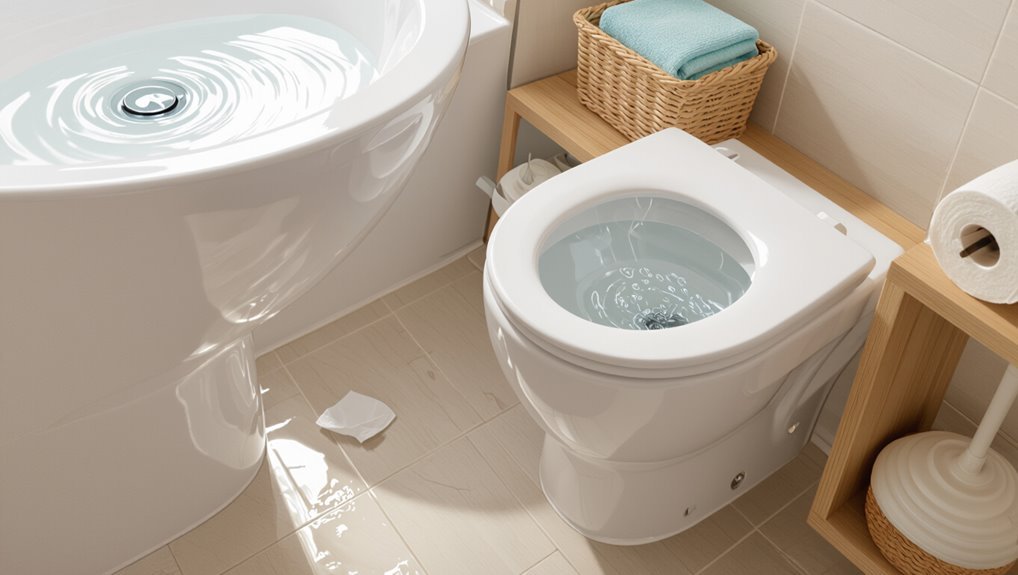
A clog begins when debris and solids accumulate in the trap or further down the drain, restricting flow and allowing water to back up.
Common household causes include excessive toilet paper, flushed non‑flushables, and gradual waste buildup, while plumbing issues such as poor venting, low‑flow fixtures, and partial blockages can exacerbate the problem.
Seasonal and behavioral factors—children, guests, and high‑traffic periods—often increase the likelihood of blockages.
What happens inside the drain when a clog forms
Flushes set a chain of events in motion inside the drain: water rushes down the trap, carrying waste and paper until solids slow, stick, and accumulate against the pipe walls.
Flow narrows, pressure changes, and turbulence decreases; organic matter and fibers entwine, forming a resistant mass.
Understanding how to stop clogging toilet requires recognizing these mechanical buildups before they fully obstruct passage.
Most frequent household causes (toilet paper, non-flushables, waste buildup)
Many clogs trace back to three predictable household sources: excess toilet paper, non-flushable items, and gradual waste accumulation.
Excess paper forms dense balls that resist flow; wipes, cotton, dental floss, feminine products, and cotton buds create stubborn blockages.
Over time organic waste and residue adhere to pipe walls, narrowing passages.
Combined habits and improper disposal markedly increase clog risk and frequency.
Plumbing and system-related causes (venting issues, low-flow toilets, partial blockages)
Investigate plumbing and system faults when household habits aren’t to blame: poor venting, low-flow fixtures, and partial blockages within the drain or trap all disrupt the airflow and water dynamics a toilet needs to clear waste.
Compromised vent stacks cause slow drains and gurgling; low-flow toilets may lack flushing force. Narrowing by mineral buildup or debris produces recurrent, hidden obstructions requiring inspection or professional cleaning.
Seasonal and behavioral contributors (kids, guests, high-traffic periods)
How do seasonal patterns and household behavior influence clog frequency?
Occupancy spikes, guests, children, and holidays increase toilet use and risky disposal (wipes, excessive paper). Cold-weather reduced outdoor plumbing flow and holiday menus add grease and solids.
Behavioral education, visible waste bins, limiting flushable claims, and brief supervision reduce incidents.
Predictable high-traffic periods benefit from proactive supplies and clear rules.
Quick Troubleshooting Diagnose the Type of Clog
A brief assessment can distinguish a partial clog—slow draining and weak flush—from a complete blockage that causes water to rise and not clear.
Observing other fixtures and the sewer cleanout helps determine if the issue is local to the toilet or in the main line.
If water continues to back up or overflows, the shutoff valve should be used; if the bowl is slow but draining, controlled additional flushes or a plunger may be appropriate.
Signs of a partial vs. complete clog
When water rises slowly in the bowl but still drains, it usually indicates a partial clog; conversely, standing water that refuses to move signals a complete blockage.
A partial clog often causes gurgling, slow flushing, or weak siphon action. A complete clog produces overflow risk, strong backups, and persistent standing water.
Response differs: partial may clear with a plunger; complete often needs more forceful intervention.
How to determine if the problem is local or in the main sewer line
After identifying whether a clog is partial or complete, the next step is to determine whether the blockage is confined to the fixture or located in the main sewer line.
Check other drains: backups or slow sinks suggest a main-line issue.
Inspect the cleanout for standing water or gurgling.
Local clogs affect only one toilet; widespread symptoms indicate sewer-line blockage requiring professional service.
When to shut off water and when to keep flushing
How quickly should water flow be stopped versus continued depends on signs of an impending overflow and the nature of the blockage. If water rises toward the rim, shut off the valve to prevent flooding and call for assistance. If flushing slowly drains, attempt limited extra flushes or use a plunger. Persistent backups, gurgling drains, or multiple fixtures affected indicate a main line issue requiring professional intervention.
Immediate DIY Fixes to Unclog Your Toilet
The section outlines immediate DIY methods to clear a clogged toilet, starting with proper plunging technique and the differences between a sink plunger and a flange plunger.
It then covers use of a toilet auger—necessary tools, safe handling, and technique—and lists household remedies that can be tried as well as substances to avoid.
Finally, guidance is given on when to stop and call a professional.
Proper plunging technique
Grasping the right plunging technique restores flow quickly and prevents damage to the bowl and plumbing.
Position the flange plunger to seal the drain, maintain firm vertical strokes, and avoid splashing.
Repeat controlled thrusts, checking progress and adding water if needed to improve suction.
Stop if resistance persists to avoid harm.
- Seal
- Stroke
- Assess
Using a toilet auger (snake): tools, technique, and safety
Reach for a toilet auger when plunging fails: this curved, capped coil is designed to reach and dislodge blockages in the trap and early drain line without scratching porcelain or damaging seals.
Select a toilet-specific auger, feed the cable slowly, crank clockwise to push through or hook debris, then retract steadily.
Wear gloves, eye protection, and clean the tool and bowl after use.
Safe household remedies to try and what to avoid
Several simple household remedies can often clear a minor toilet clog without specialized tools.
Pouring hot (not boiling) water, adding a few tablespoons of dish soap, or using a mixture of baking soda and vinegar can loosen blockages.
Avoid chemical drain cleaners, bleach with acids, and harsh solvents that can damage porcelain, seals, or plumbing and pose health risks.
When a sink plunger or flange plunger is appropriate
A plunger is the simplest mechanical tool for most toilet clogs, but choosing the right type matters: a sink (cup) plunger works only for flat-surfaced drains like sinks, while a flange (toilet) plunger, with its extended rubber collar, creates a better seal in the toilet bowl and generates more focused pressure to dislodge blockages.
Use a flange plunger for toilets; reserve cup plungers for sinks and tubs.
Tools and Products That Work Best
A clear comparison of plungers, augers, and closet snakes helps homeowners choose the right tool for common blockage types and pipe configurations.
The paragraph will also cover chemical cleaners, their risks and effectiveness, and safer alternatives.
Finally, specific recommended brands and models for typical households will be presented.
Plungers, augers, and closet snakes comparison and use cases
Choose the right tool for the clog and the job: plungers excel at sealing and dislodging soft blockages near the bowl, hand augers (closet snakes) reach moderate clogs in the trap and short runs of waste line, and power augers handle deep, stubborn obstructions in longer drains.
| Tool | Feeling |
|---|---|
| Plunger | Relief |
| Hand auger | Confidence |
| Power auger | Resolve |
| Preventive care | Peace |
Chemical cleaners: risks, effectiveness, and alternatives
How effective are chemical drain cleaners, and at what cost to pipes, health, and the environment?
Chemical cleaners can dissolve organic clogs but often damage porcelain, seals, and old pipes. They emit harmful fumes and pose ingestion risks.
Safer alternatives include enzyme-based products, boiling water where appropriate, manual removal with augers or snakes, and preventive habits like limiting waste and using drain screens.
Recommended brands and models for homeowners
When selecting tools and products for household toilet maintenance, homeowners are best served by items that balance effectiveness, durability, and safety; reliable options include manual augers (closet snakes) from Ridgid and Korky, accordion-style plungers such as those by Simplehuman or Fluidmaster for forceful seals, and enzyme-based cleaners from Bio Clean or Green Gobbler for routine prevention.
Also consider wax-ring kits (Kohler), adjustable fill valves (Danco), and water-saving dual-flush converters (Niagara).
Preventive Habits to Reduce Future Clogs
Preventive habits focus on clear rules about what should and should not be flushed, with an emphasis on disposing of wipes, feminine products, and grease in the trash rather than the toilet.
Proper toilet paper selection and using modest amounts per flush can make a major difference in trap and pipe performance.
Establishing simple household routines—such as occasional multiple flushes for heavy loads and periodic full-tank flushes in seldom-used bathrooms—helps prevent buildup before it becomes a clog.
What you should and shouldn’t flush practical rules
A few simple rules about what goes into the bowl can cut the chances of a clog dramatically: only human waste and toilet paper should be flushed, while anything else—wipes (even those labeled flushable), paper towels, cotton pads, feminine hygiene products, dental floss, cigarette butts, and household trash—should be disposed of in the trash or an appropriate receptacle.
- Place a small waste bin with a lid nearby.
- Educate household members on exceptions.
- Rinse solids from small objects and discard elsewhere.
Toilet paper choices and proper amounts per flush
Having covered what should never be flushed, attention turns to toilet paper: its type and the quantity used each flush greatly affect clog risk.
Choose septic-safe, single-ply or labeled “rapid-dissolve” varieties. Avoid thick, quilted multi-ply for older plumbing.
Use moderate amounts per flush—flush more than once if needed rather than overloading.
Replace excessively fibrous brands to minimize blockages.
Household routines to prevent buildup (regular flushing practices)
Establish consistent flushing habits to keep pipes clear and reduce residue buildup: rinse debris down the drain with a quick, full flush after each use.
Teach household members to avoid partial or weak flushes that leave waste behind, and routinely run an extra flush in seldom-used bathrooms to prevent standing water and sediment accumulation.
Additionally, schedule weekly bathroom checks, discourage flushing nonbiodegradables, and document any recurring issues.
Maintenance Tasks to Keep Your Toilet Flowing
Regular periodic maintenance keeps a toilet performing well and helps prevent clogs before they start.
Simple DIY tasks such as cleaning the trap, scraping mineral buildup, and checking the fill valve can be performed safely, with guidance on how to clear and inspect the trap and drain without causing damage.
For persistent slow drains or recurring blockages, scheduling professional drain cleaning and inspection is recommended.
Periodic DIY maintenance steps (cleaning trap, checking fill valve)
Inspecting and servicing a toilet on a scheduled basis prevents common causes of clogs before they escalate.
Periodic DIY steps include wiping tank components, testing and adjusting the fill valve for proper shutoff, and flushing to confirm refill height.
Removing mineral buildup from inlet holes and the bowl rim improves flow.
Record inspections, replace worn flappers, and address slow fills promptly to avoid blockages.
How to clear and inspect the toilet trap and drain safely
Start by clearing visible blockages from the bowl and trap using a flange plunger or a toilet auger, working methodically to avoid pushing debris deeper into the drain.
Wear gloves, use eye protection, and remove water as needed.
Inspect the trap with a flashlight for remaining obstructions or mineral buildup.
Flush cautiously to confirm flow.
Sanitize tools and surfaces after completion.
When to schedule professional drain cleaning
When should a homeowner call a professional for drain cleaning?
A professional is advised when recurring clogs occur despite DIY efforts.
Slow drainage affects multiple fixtures, foul sewer odors persist, or water backs up into sinks or tubs.
Professionals handle deep blockages, tree-root intrusion, and damaged pipes safely.
Schedule service promptly to prevent worsening damage and costly repairs.
When to Call a Plumber Warning Signs and Costs
Persistent or recurring clogs, especially when multiple fixtures back up, indicate a problem that likely needs professional attention.
Plumbers commonly respond with snaking, hydro-jetting, or sewer-line repair depending on the cause and severity.
Service fees vary widely—simple snaking is the least expensive, hydro-jetting and repairs cost more, and factors like access, material, and emergency service affect the final price.
Signs a clog requires professional service (recurring clogs, multiple fixtures affected)
How can a homeowner tell if a clog is beyond DIY fixes?
Recurrent blockages, slow drainage across multiple fixtures, gurgling drains, sewage odors, backups after flushing or running appliances, and wet patches in the yard are strong indicators.
When problems persist despite plunging and enzymatic treatments, professional evaluation is warranted.
Expect diagnostic fees and variable repair costs depending on cause and access.
Common professional solutions (snaking, hydro-jetting, sewer line repair)
Call a licensed plumber if simple fixes fail, because professionals use targeted methods—snaking, hydro-jetting, and sewer-line repair—to address clogs that DIY tools cannot.
Snaking clears localized blockages with mechanical reach.
Hydro-jetting blasts roots and buildup from pipe interiors.
Sewer-line repair replaces or patches damaged sections causing recurring obstruction.
Technicians diagnose location and choose the least invasive, code-compliant solution.
Typical cost ranges and what affects pricing
After outlining the professional methods available for stubborn clogs, attention turns to the costs homeowners can expect and the factors that influence them.
Routine snake services typically range $100–$300; hydro-jetting $300–$800; sewer repairs from $1,000 to several thousand.
Pricing depends on severity, access, materials, permits and regional labor rates. Emergency or after-hours calls add surcharges.
Preventing Clogs in Specific Situations
Different settings call for tailored clog-prevention measures, from childproofing toilets in homes with young children to managing high-use fixtures in rentals.
Property managers and homeowners can reduce risks with clear signage, limited-flush hardware, and regular maintenance schedules.
For vacation properties or extended absences, winterizing, shutting off water, and pre-trip checks help prevent stagnation and freeze-related blockages.
Toilets in homes with young children kid-friendly strategies
How can caregivers reduce toilet clogs when toddlers are learning independence?
Caregivers should childproof flushing by explaining proper use, providing step stools and child seats to prevent accidental over-flushing, and placing a small bin for wipes and diapers.
Supervise early toilet training, demonstrate flush limits, and choose low-clog toilet paper.
Routine checks and gentle reminders reinforce habits that prevent blockages.
Managing toilets in rental properties and high-use bathrooms
Moving from child-focused precautions, attention shifts to toilets serving multiple users or tenants, where higher traffic and varied habits increase clog risk.
Establish clear rules about disposable items, post signage, and supply appropriate liners and trash bins.
Schedule routine inspections, install commercial-grade fixtures and pressure-optimized flush valves, and educate tenants or staff on reporting slow drains promptly to prevent escalating blockages.
Vacation homes and long absences: winterizing and pre-trip checks
When a property will be unoccupied for weeks or months, owners should prepare plumbing to prevent blockages and damage from neglected toilets.
Drain lines, shut off water supply to toilets, and flush to clear remaining water.
Add non-toxic antifreeze if needed, inspect vents and drains for debris, secure lids to deter pests, and schedule periodic checks or a caretaker to run fixtures and detect problems early.
Troubleshooting Scenarios and Step-by-Step Remedies
The article presents clear, ordered responses for common toilet troubles, starting with stepwise fixes for a slow-draining bowl.
It outlines immediate emergency actions for an overflowing toilet to minimize water damage.
It then explains how to assess and respond when multiple fixtures back up, indicating when to call a professional.
Scenario: Slow-draining toilet stepwise fixes
Several clear steps can quickly identify and resolve a slow-draining toilet without immediately calling a plumber.
Inspect the bowl and tank, test multiple flushes, then try non-corrosive drain cleaner or enzymatic solution.
Use a plunger before attempting a closet auger; check venting if slow persists. If unresolved, consult a professional.
- Plunge gently, repeat.
- Auger carefully.
- Check venting.
Scenario: Overflowing toilet emergency actions to take
Act quickly to contain water and reduce damage when a toilet begins to overflow: immediately shut off the water supply at the shutoff valve behind the toilet, lift the tank lid and close the flapper or hold down the flush lever to stop additional flow, and place towels or a shallow container around the base to catch runoff.
Clear visible blockages with a plunger; avoid flushing.
Call a plumber if water remains or sewage backs up.
Scenario: Multiple fixtures backing up how to assess and respond
If more than one fixture backs up at once, it usually indicates a clog in the main sewer line or a shared drain rather than a single-toilet blockage.
Inspect lowest cleanout; shut off water to prevent overflow. Avoid using fixtures.
Try an auger or call a plumber with sewer camera if smell or slow drains persist.
Document occurrences for professional diagnosis and insurance if needed.
Quick Reference Checklist for Fast Unclogging and Prevention
A concise checklist helps homeowners respond quickly to a toilet clog and reduce recurrence. It outlines immediate actions, tools to use, and prevention steps. Keep it visible near plumbing access.
- Turn off water, use plunger, avoid chemical mixes.
- Inspect trap and clean with auger; clear secondary drains.
- Schedule repairs, limit paper, educate household.
Conclusion
Clogs are largely preventable with simple habits and timely fixes. Surprisingly, households flush about 20 billion disposable wipes annually worldwide, many causing sewer blockages—highlighting how small choices create big problems. Adopting use limits, proper disposal, and basic tools cuts incidents dramatically. When DIY steps fail or recurring issues appear, calling a plumber prevents damage and higher costs. Consistent prevention saves time, money, and plumbing headaches over the long term.