How to Tell If You Have Poly B Plumbing: 7 Simple Signs and What to Do Next
To determine if you have Poly B plumbing, look for smooth gray, white, or black plastic tubing marked “PB” with a diameter of 1/2″ to 1″. Common signs include brittleness, cracking, pinhole leaks, discolored water, or a plastic smell, especially in basements, crawlspaces, and near water heaters. Homes built between 1978 and 1995 are most likely to contain this type of plumbing. If you notice any of these issues, immediately shut off the water, document the conditions, and contact a plumber for inspection and potential replacement options.
How to Quickly Tell If Your Home Has Poly B Plumbing
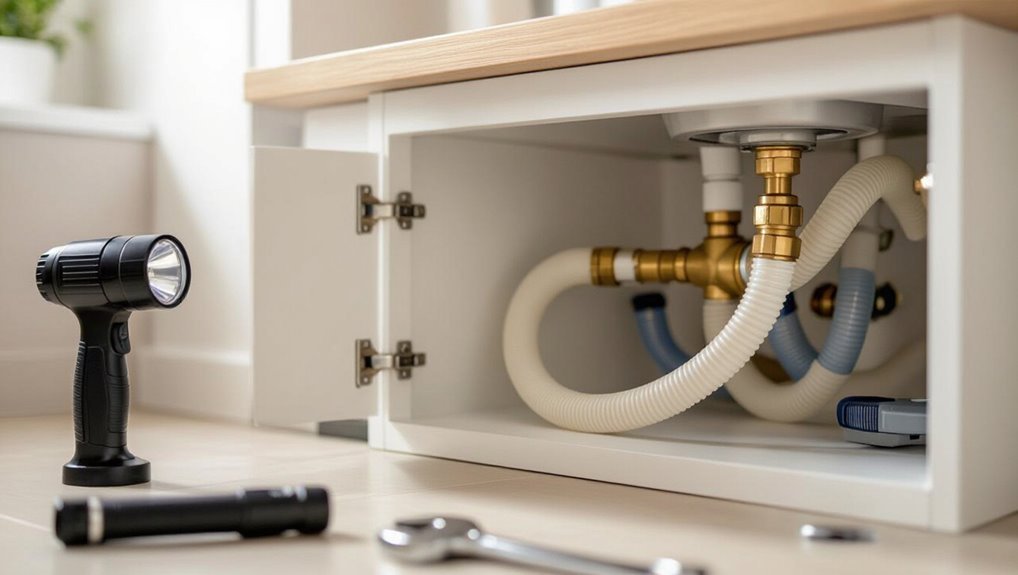
A brief visual inspection can help identify polybutylene (Poly B) piping by its smooth gray plastic appearance and printed “PB” or manufacturer markings.
It is commonly found in exposed areas such as basements, crawlspaces, utility closets, and behind access panels near water heaters and main shutoffs.
Homeowners can perform a quick three-step check:
- Look for gray plastic lines at visible plumbing locations.
- Trace them back to valves or fixtures.
- Note any stamped markings or fittings that indicate Poly B.
What polybutylene (Poly B) piping looks like
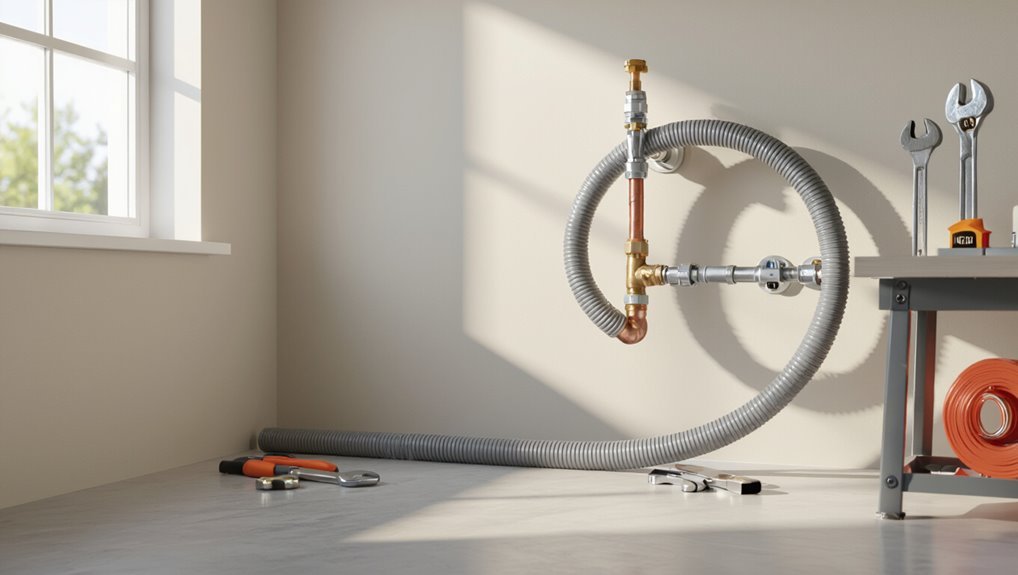
Polybutylene (Poly B) piping is a flexible, often gray or blue plastic tubing commonly found installed in U.S. homes built or remodeled between 1978 and 1995.
It appears smooth, slightly shiny, and about 1/2″–1″ diameter, sometimes stamped with manufacturer codes.
To learn how to tell if you have poly b plumbing, inspect for simple plastic runs, gray/blue color, and crimped metal fittings.
Where poly B pipes are usually located in a house
In many homes built or renovated between the late 1970s and mid-1990s, poly B piping is most often found running from the main water line to interior fixtures, commonly grouped in basements, crawlspaces, utility closets, and along foundation walls.
It also frequently appears behind access panels, under kitchen sinks, and near hot water heaters, branching to bathrooms and laundry areas.
Quick three-step visual check you can do yourself
When homeowners want a fast visual check for poly B plumbing, they should follow three simple steps: locate exposed water lines, inspect the material and fittings, and look for identifying markings or discoloration.
- Examine exposed piping in basements, crawlspaces, and utility closets.
- Note color: gray, white, or black plastic tubing.
- Check fittings for crimp rings or plastic couplings.
- Search for “Poly B” or manufacturer stamps and brittle spots.
Seven Clear Signs You Likely Have Poly B Plumbing
Seven clear signs can indicate a home has Poly B plumbing and help prioritize further inspection. These signs include the pipe’s appearance and condition, patterns of leaks, water quality changes, and the home’s age or renovation history.
Recognizing multiple signs together raises the likelihood that the plumbing is Poly B and may warrant professional evaluation.
- Pipe material appears gray or metallic and flexible
- Cracking, brittleness, or visible stress marks on fittings
- Frequent pinhole leaks or recurring hidden leaks
- Discolored water, sediment, or plastic smell after flushing
Sign 1 Pipe material appears gray or metallic and flexible
If the home’s supply lines look metallic-gray and bend without the stiffness of copper or rigid plastic, they may be polybutylene (Poly B) piping.
Such tubing is smooth, slightly shiny, and more pliable than PEX or PVC. It often runs in continuous lengths with few joints and connects to brass or gray plastic fittings, providing a clear visual cue for identification.
Sign 2 Cracking, brittleness, or visible stress marks on fittings
Multiple fittings showing small cracks, flaking, or hairline splits indicate the material has become brittle and is nearing failure.
Observers should note discoloration, surface chalking, or stress lines around joints and clamps. These signs often appear where fittings flex or are compressed.
Documentation with photos and dates helps assess progression and informs decisions about inspection, monitoring, or replacement by a qualified plumber.
Sign 3 Frequent pinhole leaks or recurring hidden leaks
Frequent pinhole leaks or recurring hidden leaks often signal deteriorating polybutylene (Poly B) piping, especially when small, hard-to-find drips reappear after short repairs.
Such leaks commonly occur at joints, behind walls, or under floors.
Repeated spot repairs that fail, sudden moisture stains, or hidden mold growth suggest systemic pipe degradation requiring thorough inspection and likely full replacement rather than patching.
Sign 4 Discolored water, sediment, or plastic smell after flushing
Alongside recurring pinhole leaks, signs that the plumbing material itself is failing can appear in the water quality.
Discolored water, visible sediment, or a faint plastic or chemical odor after flushing often indicate internal pipe degradation or particulate release.
Such symptoms warrant immediate testing and inspection; they suggest pipe deterioration rather than isolated fixture issues and can precede more serious contamination or failure.
Sign 5 Older construction dates (1978 to 1995) or renovation history
When a home’s plumbing dates from roughly 1978 to 1995, or when records show major plumbing work during that period, there is a strong likelihood that Poly B piping was used. Builders commonly installed it in that era before its risks became widely known.
Homebuyers, inspectors, or owners reviewing permits or renovation records should flag that timeframe and prioritize visual inspection or professional evaluation for Poly B presence.
Sign 6 Use of compression fittings, brass/gray molded fittings, or plastic manifolds
Inspecting visible connection points can reveal telltale hardware associated with Poly B systems: compression fittings, brass or gray molded fittings, and plastic manifolds were commonly paired with Poly B piping and often remain even when the tubing itself is obscured.
These components often show corrosion, discoloration, or brittle plastic. Noting their presence during appliance, under-sink, or utility hookups helps identify probable Poly B without accessing hidden runs.
Sign 7 Evidence of previous temporary repairs or epoxy patches
Noting those fittings often leads to discovering makeshift fixes nearby: evidence of previous temporary repairs or epoxy patches is a common indicator of Poly B.
Discolored, uneven wraps, epoxy blobs, or hastily applied clamps suggest past leaks and improvised fixes.
Such repairs indicate brittle or failing piping; their presence warrants further inspection and professional evaluation to confirm material and assess replacement needs.
How to Confirm Poly B with Simple Tests and Inspections
A basic confirmation starts with close inspection of fittings and any visible pipe labels for manufacturer marks or dates.
Visual and tactile checks — noting color, surface texture, and flexibility up close — help distinguish Poly B from PEX or copper.
For hidden runs or suspected leaks, moisture meters or infrared cameras can locate trouble areas, and a licensed plumber will verify material by examining joints, crimp rings, and pipe markings or taking a small sample if needed.
Inspecting joints and labels for manufacturer marks
When confirming whether piping is Poly B, homeowners should closely examine visible joints and any printed markings on the pipe or fittings for manufacturer names, model numbers, or specific codes that indicate polyethylene of raised temperature (PERT) or polybutylene composition.
Focus on crimped or molded fittings, adhesive labels, and stamped codes near bends. Photograph markings and compare them to manufacturer databases or contractor references.
Identifying by texture, flexibility, and color under close-up
After checking joints and markings for manufacturer information, inspectors should next examine the pipe’s surface, feel, and flexibility to confirm Poly B.
Poly B typically has a smooth, slightly waxy finish, feels softer than rigid PVC, and bends with moderate ease.
Color ranges from gray to olive or black; fading or discoloration may indicate age.
Compare samples and note any unusual stiffness.
When to use a moisture meter or infrared camera for hidden leaks
If visual inspection suggests staining, soft drywall, or damp odours but no obvious wet pipe or joint failure, the inspector should employ a moisture meter or infrared camera to locate concealed leaks quickly and noninvasively.
Use a moisture meter to map elevated moisture levels through surfaces; use an infrared camera to reveal temperature differentials indicating active leaks or moisture patterns.
Confirm findings with targeted probe holes only as needed.
How a licensed plumber verifies material (what they look for)
A licensed plumber begins verification by visually and physically inspecting accessible pipe runs, fittings, and connection points for the telltale signs of polybutylene: smooth, gray plastic tubing generally 1/2″ to 3/4″ in diameter, crimped or barb-style fittings with gray or black plastic rings, and metal clamps or deteriorated compression fittings that show corrosion or deformation.
They may cut a small section, check manufacturer markings, and perform pressure/leak tests.
Risks and Problems Associated with Poly B Piping
Poly B piping is prone to specific failure modes—cracking at fittings and pinhole leaks along pipe runs—that typically produce slow, hard-to-detect water damage.
Degradation can also affect water quality and raise health concerns when particles or additives enter the supply.
Homeowners may face higher insurance scrutiny, resale disclosures, and mounting long-term costs that often make full replacement more economical than repeated short-term repairs.
Common failure modes and typical leak patterns
Inspectors and homeowners should expect a limited set of predictable failure modes in Poly B plumbing that lead to leaks and system degradation.
Cracking at fittings, stress-induced pinholes, abrasion where pipes contact framing, and UV- or age-related embrittlement are common.
Leaks often originate at connections, manifolds, or bends, producing slow drips, wet insulation, or localized staining before larger failures occur.
Health and water quality concerns tied to pipe degradation
When exposed to stress, chemical degradation, or prolonged chlorinated water, Poly B piping can release particulate debris, degraded polymer fragments, and elevated levels of byproducts into the potable water supply that may affect taste, odor, and turbidity.
Corrosion of fittings and fragmented tubing can introduce metals and contaminants, increasing biofilm formation and microbial risk.
Regular testing for contaminants and visual monitoring of water clarity is advised.
Potential home insurance and resale implications
Concerns about water quality and material degradation can spill over into financial and legal areas for homeowners.
Insurers may require disclosure, impose higher premiums, limit coverage, or deny claims for known Poly B risks.
During resale, buyers and lenders often request inspections, repairs, or credits; undisclosed Poly B can delay sales, reduce offers, or trigger renegotiation, increasing transaction complexity and liability exposure.
Long-term cost risks vs short-term fixes
Although short-term repairs or partial replacements can temporarily stop leaks and reduce visible damage, they often leave underlying degradation unaddressed and can lead to higher lifetime costs.
Deferred full replacement risks repeated failures, emergency repairs, water damage, mold remediation, increased insurance premiums, and reduced resale value.
Investing in complete re-piping may raise upfront expense but typically minimizes cumulative costs, liability, and disruption over time.
Immediate Actions to Take If You Suspect Poly B
If a homeowner suspects Poly B and notices active leaking, they should immediately use shutoff valves or bucket-and-towel methods to control water flow while avoiding electrical hazards.
Temporary fixes such as pipe clamps, rubber and hose-clamp wraps, or epoxy putty can reduce leakage briefly but are not long-term solutions and may fail under pressure.
If leaks are extensive, the main water supply should be turned off and emergency plumbing services contacted at once.
Steps to stop active leaks safely
Act promptly to minimize water damage and hazards when a Poly B leak is discovered: shut off the main water supply, open low faucets to drain remaining water, turn off electricity to affected areas if there is standing water near outlets or appliances, and collect escaping water with buckets or towels while protecting belongings.
Then document the leak with photos, ventilate the area, and contact a licensed plumber for assessment and repair.
Temporary repair options and their limitations
Consider temporary fixes as short-term risk-reduction measures rather than permanent solutions: options such as self-fusing silicone tape, pipe clamps, epoxy putty, or compression fittings can slow or stop small leaks immediately but vary widely in durability, compatibility with Poly B materials, and effectiveness under pressure or at joints.
These measures buy time for assessment; they may fail at fittings, under sustained pressure, or with aged, brittle tubing.
When to turn off main water and call emergency services
After temporary measures are applied, homeowners should know when to shut off the main water and call emergency services to prevent rapid damage or flooding.
If leaks worsen, pipes burst, or water spreads into electrical areas, the main shutoff must be turned off immediately.
Contact emergency plumbers or services when flooding is uncontrolled, structural risk exists, or occupants face safety hazards; document conditions for insurers.
Replacement Options and How to Choose the Right Solution
Choices range from a full repipe to targeted section-by-section replacement, each with distinct cost, longevity, and disruption trade-offs.
Common replacement materials—PEX, copper, and CPVC—offer differing durability, installation complexity, and price points that should be compared against the home’s needs.
Homeowners should also factor in a typical full-repipe timeline and disruption, and carefully evaluate contractor quotes and credentials before committing.
Full repipe vs section-by-section replacement: pros and cons
When evaluating how to address aging Poly B plumbing, homeowners must weigh a full repipe against section-by-section replacement; each approach carries different costs, timelines, and long-term risks. A full repipe offers thorough mitigation and higher upfront cost; staged replacement lowers immediate expense but risks missed failures and repeated disruption.
| Option | Key consideration |
|---|---|
| Full repipe | Complete risk removal |
| Sectional | Lower short-term cost |
| Full repipe | Single disruption |
| Sectional | Possible repeated work |
Common replacement materials (PEX, copper, CPVC) and comparison
Plumbing replacement typically uses three main materials—PEX, copper, and CPVC—each with distinct performance, cost, and installation profiles that influence suitability for a given home.
PEX is flexible, corrosion-resistant, and cost-effective but vulnerable to UV.
Copper is durable, heat-resistant, and long-lasting with higher material and labor costs.
CPVC is affordable and easy to install but less impact-tolerant and heat-stable than copper.
Typical timeline and disruption for a full repipe
A full repipe typically unfolds over several days to a week depending on house size, access, and chosen material, with most single-family homes completed in two to five days.
Work involves draining systems, removing old piping, installing new lines, and pressure testing.
Occupant disruption includes water shutdowns, noise, dust, and intermittent access restrictions; exterior landscaping or drywall repairs may extend final cleanup.
How to evaluate contractor quotes and verify credentials
After reviewing the expected timeline and disruptions of a full repipe, homeowners should next compare contractor quotes and confirm credentials to guarantee the chosen solution is both cost-effective and reliable.
Obtain written estimates, check licenses and insurance, verify references and recent Poly B experience, and confirm warranty terms.
Evaluate scope, materials, and payment schedule before signing.
- Request detailed estimates
- Verify license/insurance
- Check references/work samples
- Confirm warranties
Cost Estimates, Financing, and Insurance Considerations
Cost estimates for replacing Poly B vary by home size and scope, often ranging from several thousand dollars for partial repairs to $8,000–$15,000 or more for whole‑house repiping.
Homeowners can consider financing options, emergency loans, or local/state grants and assistance programs when urgent repiping is required.
It is advisable to review homeowners insurance policies and past claims history to determine coverage for water damage and whether replacement or mitigation costs may be reimbursed.
Typical cost ranges by home size and scope of work
Price estimates for replacing Poly B plumbing vary widely depending on home size, the extent of affected piping, and regional labor rates.
Small homes (1,000–1,500 sq ft) often range $3,000–$6,000 for selective repiping; mid-sized homes (1,500–2,500 sq ft) typically $6,000–$12,000.
Full repipes in larger homes or complex layouts can reach $12,000–$25,000 or more, including permits and inspections.
Financing options and grants for urgent repiping
Financing options and emergency assistance can make urgent Poly B repiping feasible for homeowners facing health or safety risks.
Homeowners may access low-interest personal loans, home improvement loans, contractor payment plans, or credit financing.
Local and state grants, utility hardship funds, and nonprofit emergency repair programs sometimes cover partial costs for low-income households.
Applicants should document urgency and obtain multiple quotes before applying.
How to check homeowners insurance coverage and claims history
After exploring financing sources for urgent Poly B repiping, homeowners should next review their homeowners insurance policy and past claims to understand potential coverage and how a claim might affect premiums.
They should check policy limits, water damage exclusions, required documentation, and whether preexisting-condition clauses apply.
Request a claims history report from the insurer, get written coverage determinations, and consult an agent before filing to avoid surprises.
How to Work with a Plumber: Checklist for Hiring and Inspection
When arranging a plumber to assess suspected Poly B, the homeowner should prepare a concise list of questions about licensing, experience with Poly B, warranties, and timeline.
They should also gather and offer access to photos, any prior plumbing reports, and a clear list of observed leaks or damage for documentation during inspection.
Bids should be reviewed for scope clarity, material specifications, and unexpected line items, with unusually low or vague quotes treated as red flags when comparing multiple estimates.
Questions to ask a plumber before hiring
Before hiring a plumber to inspect for Poly B, homeowners should prepare a focused set of questions that clarify qualifications, experience with Poly B, scope of inspection, cost structure, and remediation options.
- Are you licensed, insured, and experienced with Poly B inspections and replacements?
- What will your inspection include and how long will it take?
- How do you price inspections, reports, and any remediation?
- Can you provide references or examples of completed Poly B work?
Documents and photos to collect during inspection
Once the plumber begins the inspection, the homeowner should collect specific documents and photographs to create a clear record of Poly B conditions and findings.
Required items include dated photos of visible piping, close-ups of fittings and discolored areas, a copy of the plumber’s inspection report, written notes of test results, repair estimates, and any manufacturer or warranty papers related to installed plumbing components.
Red flags in bids and how to compare multiple quotes
Although bids may appear similar at a glance, careful comparison reveals critical differences in scope, materials, and guarantees that affect long-term risk and cost.
Inspect for vague descriptions, omitted permits, unusually low pricing, or absent warranties. Confirm included materials (replacement type, fittings), labor details, timeline, insurance and change-order policies.
Obtain at least three written quotes, compare line‑item costs, and prioritize clear, documented contracts.
Preventive Measures and Maintenance After Replacement
After replacement, attention turns to maintaining system integrity through routine water quality testing and appropriate filtration to prevent corrosion and mineral buildup.
A clear inspection schedule should be established, noting signs to watch for such as leaks, pressure changes, and discolored water.
Homeowners are advised to keep warranty documents, service agreements, and detailed maintenance records to guarantee coverage and track any recurring issues.
Water quality testing and filtration recommendations
Water testing is a critical step following identification or replacement of polybutylene plumbing; it confirms whether contaminants like particulate copper, lead (from fittings), chlorination byproducts, or elevated turbidity persist and whether corrosion control is adequate.
Professional lab tests for metals, microbiological contaminants, and disinfectant byproducts are recommended.
Install NSF-certified point-of-use filters (lead/cyst-rated) or whole-house systems based on results and water chemistry.
Regular inspection schedule and what to watch for
Regularly scheduled inspections help guarantee that replacement plumbing and any remaining polybutylene sections remain sound and that early signs of failure or contamination are detected before they escalate.
Inspect visible fittings, joints, and valve areas quarterly; check for discoloration, swelling, brittleness, dampness, and mineral buildup.
Test water pressure and flow annually.
Document findings and promptly repair or replace compromised components to prevent leaks and contamination.
Warranty, service agreements, and record-keeping tips
1 clear set of documents—warranty certificates, service agreements, and inspection records—serves as the homeowner’s primary defense against future disputes and unexpected costs following polybutylene replacement.
Store originals and digital copies, note dates, contractor details, serial numbers, and covered components.
Review warranty terms for transferability and required maintenance.
Schedule documented annual inspections and keep invoices to validate claims and resale disclosures.
Real Examples and Case Scenarios
Several brief case scenarios illustrate common outcomes: a hidden slab leak that required a full repipe, temporary repairs that failed and led to an insurance denial, and a targeted partial replacement followed by a monitoring plan.
Each example highlights decision points, costs, and practical lessons for homeowners facing Poly B issues.
These real-world summaries set up specific takeaways for prevention and planning.
Short case: Hidden slab leak detected and full repipe outcome
In one notable case, a homeowner discovered elevated water bills and unexplained damp spots before a plumber used electronic listening equipment to locate a hidden slab leak originating from corroded Poly B beneath the concrete.
Inspection revealed multiple pinhole failures that made localized repair impractical, so the chosen solution was a full repipe to copper throughout the slab and accessible walls to eliminate ongoing leak risk and restore water quality.
Short case: Temporary repairs failed, insurance denied lessons learned
A homeowner attempted temporary fixes after discovering leaking Poly B fittings, but repeated patch-and-seal repairs failed within months as corrosion spread and new pinhole leaks appeared.
Insurance denied a claim citing maintenance exclusions and undocumented preexisting conditions.
The homeowner faced mounting water damage, replacement costs, and lessons about documenting issues, seeking professional assessment early, and understanding policy limitations to avoid future denial.
Short case: Successful partial replacement and monitoring plan
After facing denied claims and recurring leaks, one homeowner chose a targeted approach: replacing only the most deteriorated Poly B runs feeding the kitchen and laundry while leaving intact sections under observation.
The contractor installed new PEX lines, isolation valves, and moisture sensors.
Follow-up inspections occurred quarterly; minor issues were caught early.
Costs remained moderate, insurance cooperation improved, and full replacement was deferred pending long-term performance.
Resources and Next Steps
The article provides links and guidance on locating certified plumbers and reputable inspectors for Poly B evaluation and repair.
It points to concise checklists and printable inspection forms homeowners can use during assessments.
It also references technical standards and authoritative consumer guides for further reading and decision-making.
How to find certified plumbers and trusted inspectors
When homeowners suspect Polybutylene (Poly B) pipes, locating certified plumbers and qualified inspectors becomes the immediate priority.
These professionals can confirm pipe material, assess risk, and recommend remediation options.
Search state licensing sites, trade association directories, and consumer-review platforms.
Verify credentials, insurance, references, and experience with Poly B.
Request written estimates, inspection reports, and warranties before hiring to guarantee accountability and proper remediation.
Useful checklists and printable inspection forms
Why gather checklists and printable inspection forms? They streamline visual inspections, guarantee consistent documentation, and help homeowners communicate findings to professionals.
Recommended items:
- Visual signs checklist (discoloration, bulging, fittings).
- Room-by-room pipe inventory form.
- Leak and moisture log with dates/photos.
- Service and repair record template for contractors and warranties.
Links to technical standards and consumer guides
Where can homeowners find authoritative guidance on Poly B plumbing risks and remediation?
Reliable sources include government consumer alerts, plumbing codes, standards, and nonprofit guides. Consult these specific references:
- Manufacturer advisories and defect notices.
- Local building department plumbing codes.
- Canadian and US standards (CSA, ASTM) for plastic piping.
- Consumer Reports and state attorney general recall/consumer protection pages.
Conclusion
In short, homeowners should treat suspected Poly B like a ticking clock—visible signs, simple tests, and a plumber’s inspection quickly reveal the truth. Acting promptly reduces water damage, health risks, and costly emergency repairs. A clear replacement plan, qualified contractor, and routine post-replacement checks restore safety and value. With informed steps and timely action, families move from uncertainty to confidence, ensuring plumbing no longer undermines home comfort or resale prospects.