How to Fix a Clogged Drain Pipe Fast: DIY Tips & Tools guÃa
Key Takeaway: Quick Fixes for a Clogged Drain
A clogged drain can often be resolved quickly with simple DIY methods. Start by removing any visible debris from the stopper or grate and flushing the drain with hot water. Then, pour a cup of baking soda followed by a cup of vinegar down the drain, cover it for five minutes, and flush with boiling water. If the drain is still slow, try using a plunger or a hand auger and clean the P-trap. Remember to wear gloves and eye protection during the process. If issues persist, it may be time to consult a professional for further assistance.
Quick Fix for a Clogged Drain : 3 Steps in 5 Minutes
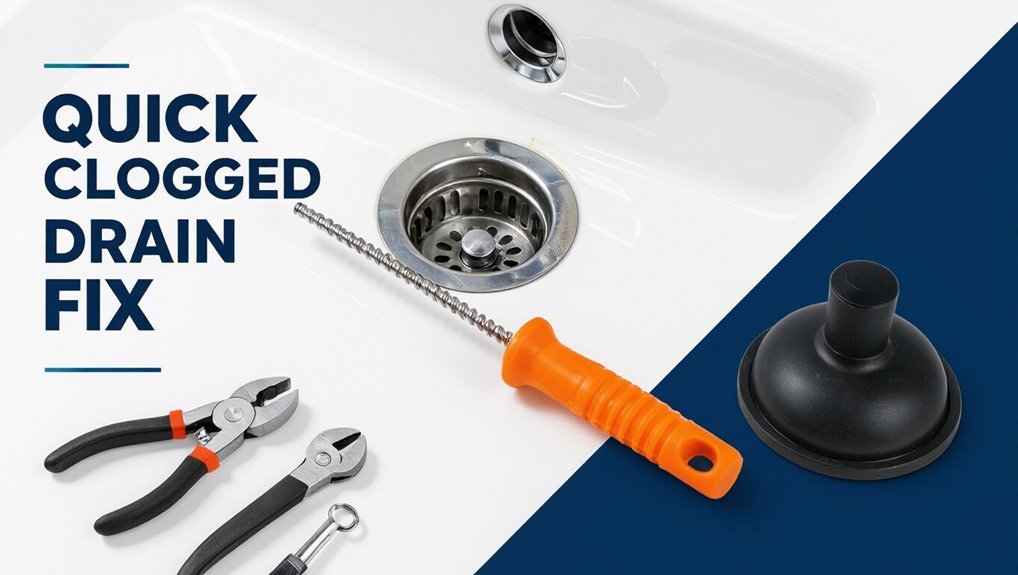
In a few efficient moves, a clogged drain can often be cleared without tools or a plumber.
One: remove visible debris from the stopper or grate by hand or with gloves, then flush with hot tap water to dissolve light grease.
Two: pour a cup of baking soda followed by a cup of vinegar, cover the drain, wait five minutes, then flush with boiling water to dislodge residue.
Three: use a plunger over an overflow-free sink or tub, giving several firm strokes to create pressure and pull the clog free.
Repeat steps if flow remains restricted.
Diagnose the Clog & Safety Tips Before You Start
How deep is the problem, and how risky is the approach? The homeowner inspects visible drains, runs water, and notes slow flow, gurgling, or backups to locate severity.
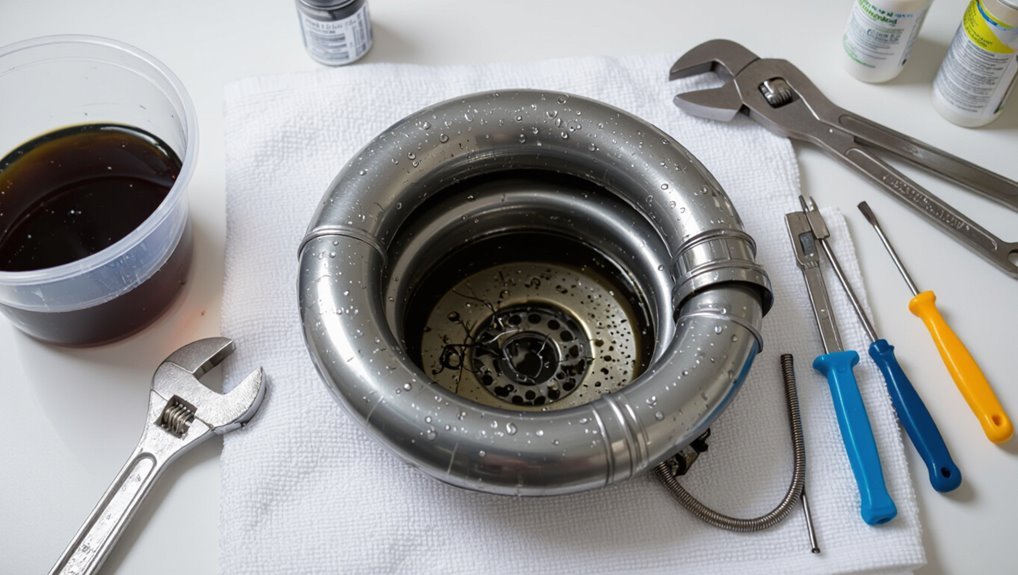
A plunger test and removal of the trap (with a bucket) reveal blockages near fixtures; persistent backups suggest deeper pipe or sewer issues requiring professionals.
Before starting, protective gloves, eye protection, and appropriate clothing are recommended. Turn off nearby electrical outlets if water is present.
Avoid mixing chemical cleaners. Ventilate enclosed spaces when using products.
If odors, sewage, or recurring clogs appear, stop and contact a licensed plumber for assessment.
Tools That Actually Work (Cheap to Pro)
Gathering the right tools separates a quick fix from repeated repairs: basic, low-cost items handle most household clogs, while a few mid-range and professional tools tackle stubborn or deep-seated blockages.
Essential cheap tools include a plunger, mechanical sink auger (handheld snake), drain brush, and rubber gloves.
Mid-range options: longer drum-style augers, wet/dry shop vacs with seal attachments, chemical-safe enzyme cleaners, and adjustable basin wrenches.
Professional tools: motorized drain snakes, hydro-jetting systems, and inspection cameras for diagnosis.
Proper selection reduces effort and risk; match tool reach and power to pipe material, diameter, and clog type.
Unclog a Sink, Shower, or Tub: Step-by-Step Methods
Start by evaluating the blockage to choose the least invasive method likely to work: note whether water drains slowly or not at all, whether there are gurgling sounds, and whether the trap or visible strainer is clogged by hair, grease, or debris. Remove visible debris, run hot water, use a plunger on a sealed drain, or employ a sink auger for reachable clogs. Detach and clean the P-trap if accessible, then reassemble and test. Repeat gentle steps before escalating.
| Sight | Sound | Feeling |
|---|---|---|
| Hairy mess | Gurgle | Frustration |
| Grease film | Silence | Relief |
| Sediment | Bubbling | Calm |
Stubborn Clogs: When to Snake, Use Chemicals, or Call a Plumber
When common remedies fail and water still pools or backs up despite plunging and trap cleaning, it’s time to weigh snaking, chemical treatments, or professional help.
A manual auger suits hair, soap, and shallow blockages; insert carefully to avoid pipe damage and pull debris slowly.
Chemical cleaners can dissolve organic buildup but risk pipe corrosion, environmental harm, and harm to septic systems; follow label instructions and avoid mixing products.
Persistent, recurring, or deep clogs, unusual noises, foul odors, or multiple fixtures affected indicate a sewer or structural issue.
In such cases, a licensed plumber with camera inspection and proper tools is recommended.
Conclusion
In short, the guide gives clear, practical steps for freeing a blocked drain quickly and safely, like a flashlight cutting through fog. It emphasizes proper diagnosis, basic safety, and a range of tools—from simple plungers to affordable snakes—while outlining step-by-step methods for sinks, showers, and tubs. For persistent blockages it explains when stronger measures or a professional are warranted, helping readers choose the fastest, most effective solution.