How to Find a Frozen Pipe Fast: DIY Detection Tips & Tricks
Key Takeaway: To quickly identify a frozen pipe, look for signs such as reduced water flow at multiple fixtures, dry outdoor spigots, or visible frost and bulging on the pipe.
Detection Steps:
- Inspect Likely Areas: Focus on unheated spaces like basements, attics, crawl spaces, and exterior walls.
- Listen and Feel: Tap along the suspected pipe runs for a dull sound, check for cold spots with a flashlight and non-contact thermometer.
- Relieve Pressure: Open nearby taps to help alleviate any built-up pressure.
For additional tests, safe thawing methods, and guidance on when to seek professional help, continue exploring the topic.
Quick Ways to Tell If a Pipe Is Frozen
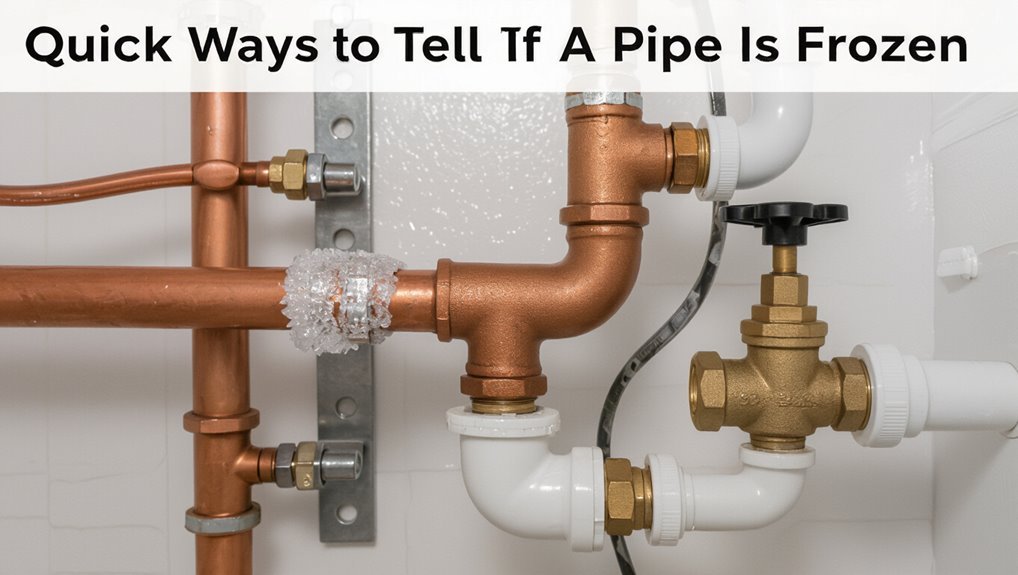
How can one quickly determine whether a pipe is frozen? A person inspects faucets, noting slow or nonexistent flow when multiple taps produce weak water; outdoor spigots that yield nothing suggest freeze within supply lines.
Visual cues include frost, bulging, or damp insulation along accessible runs. Tapping suspicious sections produces a hollow, dull sound compared with solid, flowing water elsewhere.
Unusual pressure drops at fixtures and sudden temperature changes in walls or cabinets—colder than surrounding areas—also indicate a freeze. Detecting a frozen pipe combines simple flow checks, visual inspection, and sound or temperature comparison to isolate the likely frozen segment.
Where Pipes Are Most Likely to Freeze in Your Home
Exposed to cold air or poorly insulated spaces, pipes in unheated areas—such as basements, crawl spaces, attics, exterior walls, and garage walls—are the most vulnerable to freezing; supply lines that run along these locations or through wall cavities with exterior exposure should be considered high risk. The article identifies common freeze points: near exterior wall outlets, beneath windows, in uninsulated knee walls, close to foundation penetrations, and along exposed service lines. Home inspection should prioritize these zones, noting poorly insulated ducts and gaps where cold drafts contact plumbing.
| Location | Typical Risk | Notes |
|---|---|---|
| Basement rim joist | High | Drafts concentrate |
| Crawl space | High | Limited heat |
| Attic | Medium | Intermittent cold |
| Exterior wall | High | Thin insulation |
| Garage wall | Medium | Door exposure |
Three Quick DIY Tests to Locate a Frozen Pipe
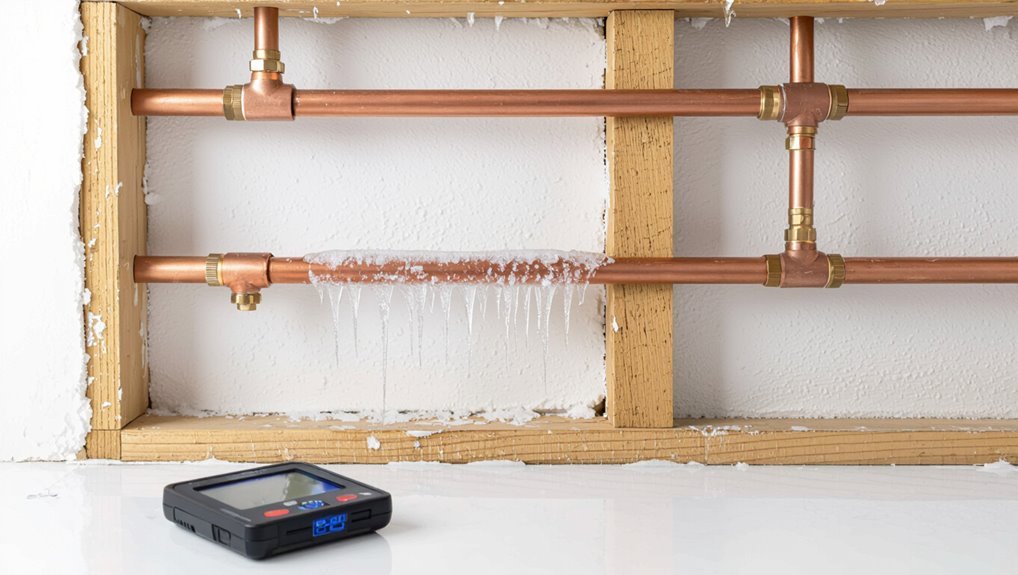
When cold is suspected in the plumbing, a homeowner can quickly pinpoint likely freeze locations using three simple DIY tests: visual inspection for frost or bulging, tap-and-listen percussion to detect solid ice inside a line, and temperature checks with a handheld infrared thermometer or a non-contact sensor.
First, scan exposed pipes and fittings for visible frost, condensation patterns, or distortions indicating ice pressure.
Next, gently tap along suspect runs; a dead, dull sound often means frozen contents versus a hollow metallic ring for clear flow.
Finally, compare surface temperatures along the line to find sudden drops that mark ice-bound sections.
Tools and Safe Tests You Can Do Right Now
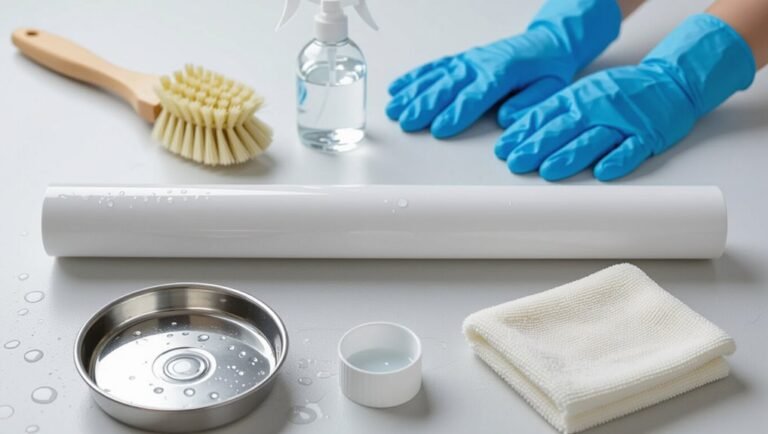
With a few basic instruments and cautious procedures, a homeowner can safely confirm and narrow the location of a frozen pipe before calling a professional. Recommended tools: flashlight, infrared thermometer or non-contact thermometer, wrench and towels for containment. Safe tests include gentle tapping to detect solid sections, feeling pipe temperature at intervals, and checking reduced flow at fixtures upstream.
| Tool | Purpose | Note |
|---|---|---|
| Flashlight | Inspect shadows and condensation | Look for ice crystals |
| Thermometer | Measure cold spots | Scan along pipe runs |
| Wrench/Towels | Contain leaks if found | Ready for immediate action |
What to Do Immediately : Thawing Safely and When to Call a Pro
Act quickly but cautiously: before attempting any thawing, the homeowner should shut off the main water supply and open nearby taps to relieve pressure and allow melting ice to flow out.
Next, gently warm the frozen section with a hair dryer, heating pad, or warm towels, moving outward from the nearest faucet until full flow returns.
Never use open flames or high‑heat devices.
Inspect for bulging, cracks, or moisture; if leaks appear, keep water off and call a licensed plumber.
Call a professional immediately for inaccessible pipes, persistent freezing, visible damage, or if the homeowner is uncomfortable performing thawing safely.
Conclusion
Cold silence in a home contrasts with the sudden urgency of a hidden ice plug; where warmth should flow, stillness warns. Swift tests and careful tools reveal buried freezes, turning uncertainty into action. Yet haste must meet caution: gentle thawing brings relief, while stubborn ice demands professional hands. This balance — calm observation beside decisive remedy — transforms a creeping, unseen problem into a solved, managed one, restoring movement and quiet confidence to the household.