How to Clean a Porta Potty: Step-by-Step Guide for Safe, Sanitary Results
Cleaning a porta potty effectively is essential for maintaining hygiene and minimizing odors. Here’s a straightforward step-by-step guide to ensure safe and sanitary results:
- Wear Personal Protective Equipment (PPE) and ensure proper ventilation.
- Pump the holding tank to remove waste.
- Pre-rinse the interior surfaces.
- Apply detergent and scrub all surfaces thoroughly.
- Use an EPA-registered disinfectant, allowing it to dwell for the recommended time.
- Rinse the surfaces thoroughly.
- Restock consumables like toilet paper and hand sanitizer.
- Treat odors with appropriate products.
- Log the service for record-keeping.
Regular inspections and cleaning based on usage are crucial. If persistent issues arise, consult professionals. Follow this protocol for optimal sanitation and safety.
What a Clean Porta Potty Looks Like and Why It Matters
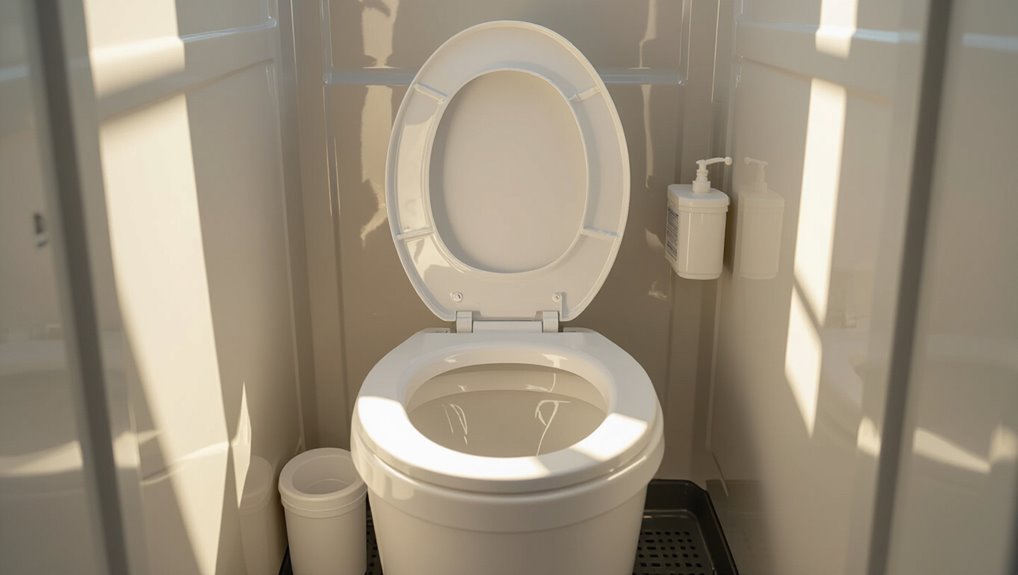
A clean porta potty presents disinfected surfaces, functioning ventilation, and odor control, reducing health and safety risks associated with pathogens and slips.
Regular cleaning benefits organizers and contractors by maintaining user comfort and preserving unit condition across events, rentals, and construction sites.
For rental operators, documented cleaning schedules and adherence to local sanitation laws are essential to meet legal and compliance obligations.
Health and safety risks of poorly maintained portable toilets
Sanitation lapses in portable toilets create tangible health and safety hazards: bacterial and viral contamination, pest attraction, and slip or exposure risks from overflowing waste and broken components.
Neglected units amplify disease transmission, foul odors, and rodent/insect infestations. Workers and users face respiratory, gastrointestinal, and injury risks.
Clear protocols on how to clean porta potty reduce contamination, equipment failure, and acute hazards.
Benefits of regular cleaning for events, rentals, and construction sites
When regularly cleaned and maintained, porta potties present a hygienic, functional environment that protects users and preserves site reputation. Surfaces are free of visible waste and residue, odors are minimized, hand-sanitizing stations are stocked, and mechanical components (locks, vents, and door hinges) operate reliably, reducing downtime and potential injuries.
Regular cleaning increases user satisfaction, lowers illness transmission, extends unit lifespan, simplifies servicing, and supports uninterrupted event or project operations.
Legal and compliance considerations for rental operators
Building on the operational benefits of routine cleaning, rental operators must also meet specific legal and compliance obligations that define what a clean porta potty looks like and why it matters.
Regulations cover sanitation standards, waste disposal, signage, accessibility (ADA), inspection records, employee training, and chemical use.
Noncompliance risks fines, liability, and service suspension; documented procedures and audits guarantee adherence and public safety.
Quick Overview: Step-by-Step Cleaning Process (High-Level)
A concise sequence guides the cleaning from emptying the holding tank and removing waste to scrubbing surfaces, replenishing supplies, deodorizing, and performing a final inspection.
Time per service typically ranges from 15–30 minutes for routine maintenance and 45–60 minutes for a full deep clean, with service frequency adjusted for low-, medium-, and high-use scenarios.
The overview sets expectations for workflow and scheduling before detailing each step.
Required sequence from emptying to final inspection
Begin by removing waste and debris from the holding tank using the recommended pump and hoses.
Next, rinse and apply biodegradable disinfectant to surfaces, scrub bowl and walls, then flush residue.
Refill deodorizer and anti-bacterial solution.
Inspect seals, vents, and locks for damage or leaks.
Replace torn liners, restock supplies, and perform a final odor and cleanliness check before returning unit to service.
Estimated time and frequency for different use scenarios
Estimate cleaning time and frequency based on expected usage intensity and event duration.
For light residential use, a weekly deep clean plus spot checks suffices (20–30 minutes per unit).
Moderate construction or small events require twice-weekly servicing (30–45 minutes).
High-traffic festivals or multi-day events need multiple daily checks and nightly cleaning (45–90 minutes).
Adjust for weather and sanitation complaints.
Tools, Equipment, and Supplies Needed
The article lists the essential personal protective equipment — gloves, goggles, face protection, and coveralls — required for safe handling.
Recommended cleaning agents and disinfectants are specified with suggested types and concentrations, followed by necessary tools and machines such as pumps, brushes, sprayers, hoses, and wet/dry vacs.
Optional supplies for odor control and finishing are noted to complete the cleaning setup.
Personal protective equipment (PPE) checklist
Personal protective equipment (PPE) is essential for minimizing exposure to biological hazards, chemical cleaners, and sharp objects when servicing a porta potty.
Required items include Nitrile gloves (double-gloving recommended), splash-proof goggles, disposable coveralls with hood, a respirator (N95 or higher) for aerosol risk, rubber boots, and puncture-resistant waste bags.
Inspect PPE before use and replace contaminated items promptly.
Cleaning agents and disinfectants recommended types and concentrations
Select cleaning agents that balance broad-spectrum antimicrobial activity with material compatibility and user safety.
Use EPA-registered disinfectants labeled for restroom use, bleach solutions (0.1% sodium hypochlorite for general disinfection; 0.5% for bloodborne pathogens), quaternary ammonium compounds, and enzymatic degraders for organic buildup.
Follow manufacturer dilution, contact time, ventilation, and PPE requirements; store chemicals separately and clearly labeled.
Tools and machines: pumps, brushes, sprayers, hoses, wet/dry vacs
Equipments for porta-potty maintenance include pumps, brushes, sprayers, hoses, and wet/dry vacuums chosen to match waste volume, surface materials, and site constraints.
Corrosion-resistant pumps and recovery tanks expedite waste removal. Stiff nylon brushes and extendable poles clean surfaces. Chemical-resistant sprayers apply disinfectant evenly. Reinforced hoses handle suction and pressure.
Wet/dry vacs remove liquids and debris; all tools require regular inspection and safe storage.
Optional supplies for odor control and finishing
Enhance odor control and finishing with a small kit of optional supplies tailored to site size and user expectations.
Include enzymatic deodorizer concentrates, fragrance packs, aerosol or pump sprayers, surface-safe sealants, disposable air freshener discs, and odor-absorbing gel pots.
Add microfiber cloths, single-use gloves, and UV sanitizing wands for quick touchups.
Store in a labeled, ventilated container for easy access.
Safety Preparations Before Cleaning
Before any cleaning begins, personnel must establish site safety and traffic control, guarantee adequate ventilation, and review procedures for managing fumes.
They should don appropriate PPE according to protocol and follow a clear donning and doffing sequence to minimize contamination.
A spill containment and emergency plan must be in place and communicated to all crew members.
Site safety and traffic control measures
A clear perimeter and defined traffic flow are essential before any porta potty cleaning begins; they protect workers and the public by minimizing accidental vehicle or pedestrian interference.
Workers should establish barriers, signage, and high-visibility clothing; position cones to redirect traffic; designate safe equipment staging and waste disposal zones; and assign a traffic marshal when needed to control vehicle access and guarantee uninterrupted, secure cleaning operations.
Ventilation and handling fumes
When enclosed restroom units are opened for service, personnel must immediately assess ventilation and potential fumes to prevent inhalation hazards and explosive atmospheres.
They verify airflow, open vents or doors, and position intake/exhaust fans to create cross-ventilation.
Detect combustible or toxic gases with portable monitors; evacuate and ventilate if thresholds exceed limits.
Maintain ventilation until safe atmosphere is confirmed before beginning cleanup.
Proper PPE donning and doffing procedure
Several layers of personal protective equipment must be selected and donned in a specific order to protect cleaning personnel from biological, chemical, and splash hazards.
Gloves, coveralls, boot covers, eye protection, and respirators are applied systematically.
Doffing follows reverse order, avoiding contact with contaminated surfaces.
Contaminated PPE is contained for disposal or decontamination, and hands are washed thoroughly after removal.
Spill containment and emergency plan
Proper removal and containment of contaminated PPE sets the stage for addressing larger spill risks. Cleaning teams must be prepared for fluid releases, chemical exposures, and unexpected overflows before beginning work.
A written spill plan identifies roles, evacuation routes, communication procedures, and required containment kits. Stock absorbents, neutralizers, and biohazard bags onsite.
Conduct briefings, practice drills, and document incident reporting and decontamination steps.
Detailed Step-by-Step Cleaning Instructions
The technician begins with a thorough inspection and records any damage or unusual conditions before work proceeds.
Waste is then removed using the appropriate method—mechanical pump preferred, manual only when necessary—followed by a pre-rinse to clear solids and loose debris.
Cleaning continues with detergent application and scrubbing of all surfaces, then a disinfectant is applied with specified dwell time to guarantee effective sanitization.
1. Preliminary inspection and documentation
Begin by visually surveying the unit from a safe distance to note obvious damage, biohazard presence, and any signs of tampering.
Record unit ID, location, time, and observed issues. Photograph damage and hazards.
Log odor intensity, structural concerns, and signage or lock status.
Note required PPE and any access restrictions.
Submit documentation to supervisor before entry.
2. Emptying waste tank safely (mechanical pump vs. manual)
After documentation is complete and the unit is confirmed safe to approach, attention turns to emptying the waste tank.
Personnel choose mechanical pump when available for speed and sealed transfer; otherwise use manual methods with rated hoses and hand pumps.
Secure connections, verify valves closed, wear PPE, and monitor for leaks.
Dispose waste per regulations, then isolate tank access until pre-rinse starts.
3. Pre-rinse and debris removal
Move a hose with sufficient pressure but controlled flow to the porta potty’s interior and apply a thorough pre-rinse to dislodge loose solids and floating debris.
Collect expelled material with a net or scraper, directing it toward the waste opening.
Flush rinsate into the tank, inspect corners and under the seat, and repeat until visible debris is removed and wastewater runs clear.
4. Applying detergent and scrubbing all surfaces
With the interior cleared of loose debris and rinsate running clear, attention shifts to applying detergent and mechanically scrubbing every surface.
A compatible cleaning solution is applied evenly to walls, seat, floor, and urinal areas. Stiff brushes and wand attachments remove biofilm, stains, and residues.
Crevices and hinges receive focused scrubbing. Spent detergent is thoroughly rinsed away before proceeding.
5. Disinfecting and dwell time guidance
Begin disinfecting by applying an EPA-registered disinfectant labeled for norovirus, hepatitis A, or similar pathogens to all cleaned surfaces, ensuring even coverage on the seat, lid, walls, floor, urinal, hinges, and high-touch areas.
Allow the manufacturer-specified dwell time for full microbial kill. Reapply if surfaces dry prematurely.
Document product, concentration, start time, and completion to verify compliance and safety.
6. Rinsing and flushing system components
Once disinfectants have achieved their required dwell time, the rinsing and flushing phase removes residual chemicals and loosened soil from tanks, lines, and spray components.
Operators should start by neutralizing any remaining disinfectant per manufacturer instructions, then flush fresh water through seat, urinal, and waste lines until the effluent runs clear and odor-free.
Inspect valves, strainers, and spray nozzles, clear blockages, and verify proper flow.
7. Replacing consumables (toilet paper, hand sanitizer, urinal cakes)
After rinsing and verifying that tanks, lines, and spray components are clear, attention shifts to replenishing consumables that guarantee user comfort and hygiene.
Replace toilet paper rolls, ensuring dispensers feed smoothly. Refill or replace hand sanitizer reservoirs, test dispenser function.
Install fresh urinal cakes in designated holders, avoiding contact with bare hands. Record quantities restocked and dispose of packaging properly.
8. Odor control treatment and deodorizer application
Apply targeted odor control measures to neutralize residual smells and prevent reoccurrence.
Technicians spray enzyme-based treatments on surfaces and in holding tanks, focusing on high-odor zones.
Introduce compatible deodorizers—liquid tank additives, urinal cakes, or concentrated foggers—per manufacturer guidelines.
Allow dwell time, ventilate, and reapply as needed during heavy use.
Record products and dosages for consistency.
9. Final inspection and documentation before service completion
Begin the final inspection by systematically checking the unit’s interior and exterior for cleanliness, damage, and odors, following a predefined checklist to guarantee nothing is overlooked.
Photograph conditions, note repairs required, confirm supplies replenished, and verify signage and locks function.
Record service time, technician name, and client confirmation.
Securely complete checklist, file documentation per company protocol before leaving the site.
10. Safe transport and disposal of waste and cleaning runoff
Contain and label all waste streams before transport to guarantee compliance and safety: technicians should segregate pump-out sewage, rinse water, and any solid debris into clearly marked, leak-proof containers or tanks, avoiding cross-contamination.
Secure lids, inspect seals, and use secondary containment on vehicles. Follow local regulations for transport routes and disposal sites.
Decontaminate equipment, document volumes and destinations, and retain manifests for audit.
Cleaning Frequency and Scheduling Recommendations
The article outlines scheduling guidelines for single-day events, multi-day events, and long-term sites to guarantee sanitary conditions are maintained.
Recommended frequency depends on site traffic, weather conditions, and user demographics, which together determine servicing intensity.
Specific intervals should be adjusted based on observed usage patterns and environmental factors.
Guidelines for single-day events, multi-day events, and long-term sites
For single-day events, multi-day events, and long-term sites, cleaning frequency should be tailored to expected usage, environmental conditions, and regulatory requirements.
Planners should establish a minimum baseline schedule and adjust it based on real-time observations and user feedback.
Single-day: pre-event setup and post-event service.
Multi-day: daily servicing with mid-day checks.
Long-term: regular weekly servicing plus responsive visits and documented logs.
Factors that dictate frequency: traffic, weather, and demographics
Many variables determine how often portable restrooms require attention, with user traffic, weather patterns, and attendee demographics being the primary drivers. High turnover events, extreme temperatures, or populations with elevated sanitation needs will all increase servicing frequency.
Scheduling should match peak usage, anticipate heat-related odors and waste breakdown, and consider age, gender mix, and special needs to set inspection, pumping, and restocking intervals.
Special Scenarios and Troubleshooting
When routine maintenance is insufficient, addressing special scenarios like heavy soiling or biohazard exposure requires more intensive cleaning protocols and PPE.
Technicians should also be prepared to troubleshoot clogs, frozen tanks, and hard-water buildup, and to assess whether repairs or component replacement need professional service.
Seasonal factors such as freezing temperatures, extreme heat, and heavy rain affect cleaning schedules and equipment choices and must be planned for accordingly.
Deep cleaning after heavy soiling or biohazard exposure
Addressing heavy soiling or biohazard exposure in a porta potty requires strict adherence to safety protocols, appropriate PPE, and containment measures before cleaning begins.
Personnel should isolate the unit, post warnings, and ventilate.
Use EPA-registered disinfectants, absorbents, and controlled waste removal.
Decontaminate surfaces top-to-bottom, bag and label hazardous waste, document the incident, and arrange licensed disposal and follow-up testing as needed.
Dealing with clogs, frozen tanks, and hard-water buildup
Troubleshooting clogs, frozen tanks, and hard-water buildup in portable toilets requires targeted techniques and tools distinct from routine cleaning. Each issue demands a diagnostic approach to identify cause, severity, and safe remediation steps before attempting repairs or chemical treatments.
Clogs are cleared with augers and enzyme treatments. Frozen tanks thaw slowly using warm water circulation and insulation. Hard-water scale is removed with descalers and mechanical scraping, followed by preventative treatments.
Repair vs. replace: when components need professional service
Problems that resist standard remedies—persistent leaks, cracked tanks, warped doors, or repeated failures after attempted fixes—require a clear decision between repair and replacement to avoid safety risks, regulatory violations, or escalating costs.
Assess frequency, age, component availability, and repair cost versus replacement.
Choose professional service for structural damage, sanitation-system failure, or when repairs risk noncompliance; document actions and warranties.
Seasonal considerations (cold weather, heat, and rain impacts)
Seasonal weather substantially alters porta-potty performance and maintenance needs: freezing temperatures can ice valves, crack tanks, and reduce chemical effectiveness; high heat accelerates odors, increases bacterial activity, and can warp plastics; heavy rain and flooding compromise site stability, contaminate waste containment, and hinder access.
Operators should winterize with antifreeze-safe chemicals, insulate or heat units, increase ventilation and deodorizer frequency in heat, and site units above floodplain.
Environmentally Responsible Practices
The article addresses environmentally responsible practices for porta potty maintenance, emphasizing the selection of biodegradable, low-VOC cleaning agents and adherence to proper disposal methods.
It outlines strategies to reduce water use and prevent contamination of storm drains during cleaning operations.
It also covers recycling and waste-stream separation to minimize landfill contributions and support responsible waste management.
Eco-friendly cleaning agents and proper disposal methods
Adopt biodegradable, non-toxic cleaners and low-odor deodorizers to minimize environmental impact while maintaining sanitation; these products break down more readily, reduce harmful runoff, and protect onsite workers from harsh chemicals.
Use measured doses, follow manufacturer instructions, and prefer concentrated formulas to reduce packaging.
Collect waste and contaminated materials in sealed containers, label for transport, and dispose at licensed sanitation facilities per local regulations.
Reducing water use and preventing contamination of storm drains
When operators limit water use during cleaning and employ capture measures for rinse or washout, they reduce demand on local supplies and lower the risk of contaminated runoff reaching storm drains.
Best practices include using low-flow equipment, capturing graywater in sealed containers, treating collected washwater with approved disinfectants before disposal, and performing cleaning away from storm drains or on impermeable surfaces to prevent accidental contamination.
Recycling and waste stream separation best practices
Implement clear separation protocols to maximize recovery and minimize contamination of recyclable materials from porta-potty servicing.
Staff should sort plastics, paper, metals, and hazardous liquids at collection, labeling containers and using sealed bins.
Train teams on cross-contamination risks and monitoring.
Partner with licensed recyclers and waste-to-energy facilities.
Document chain-of-custody, audit performance, and adjust procedures to improve diversion rates and regulatory compliance.
Checklists and Documentation Templates
A set of standardized checklists and templates helps guarantee consistent cleaning and safety procedures for porta potties.
Recommended documents include a daily cleaning checklist, a deep-clean log with inspection fields, and an incident report template for spills or exposure events.
These forms should be kept on-site, reviewed regularly, and archived for compliance and training purposes.
Daily cleaning checklist
Daily cleaning checklists specify the tasks, frequency, and responsible personnel required to maintain porta potty hygiene and functionality.
They outline daily waste removal, sanitation, restocking, odor control, and safety checks. Records enable accountability and quick issue identification without overlapping with deep-clean documentation.
- Surface sanitation and waste removal
- Restock supplies and inspect seals
- Record completion, time, and staff initials
Deep-clean log and inspection form
Deep-clean logs and inspection forms provide a standardized record of intensive sanitation procedures, component checks, and corrective actions performed on porta potties.
Staff record date, technician, cleaning agents, and odors or stains noted. Forms guide post-clean verification, repairs, and follow-up scheduling.
Use concise entries and signatures for accountability.
- Procedure checklist
- Component condition
- Corrective actions and dates
Incident reporting template for spills or exposures
Several clear, concise fields guarantee that any spill or exposure incident is documented promptly and consistently for review and corrective action.
The template captures location, time, materials, personnel affected, immediate response, and required follow-up.
Use a simple checklist and signature line to verify completion.
- Incident details and severity
- Immediate actions taken
- Recommended corrective and preventive steps
Common Mistakes to Avoid and Professional Tips
Common mistakes such as skimping on contact time for disinfectants, using abrasive tools that damage surfaces, or neglecting seal and vent checks can undermine sanitation and equipment longevity.
Technicians often use time-saving methods—like setting up a systematic workflow, carrying pre-measured chemical doses, and using PPE that balances protection with mobility—to reduce service time and risk.
Professional intervention is recommended for persistent odors, structural damage, or servicing large fleets beyond routine capacity.
Frequent cleaning errors that reduce sanitation or cause damage
Avoiding shortcuts and incorrect products prevents more harm than it seems; many routine cleaning errors either leave pathogens behind or damage surfaces and plumbing.
Using diluted disinfectants, skipping contact time, neglecting seals and vents, abrasive scrubbing on fragile plastics, and flushing incompatible chemicals into holding tanks all compromise sanitation or cause costly repairs.
Regular inspection and adherence to manufacturer guidance minimize these risks.
Efficiency hacks for faster, safer servicing
Streamline servicing by combining workflow organization with safety-focused habits: technicians should sequence tasks to minimize movement between units, use color-coded tools and disposable liners to reduce cross-contamination, and employ pumps and vacuums correctly to cut time while preventing spills.
Maintain checklist-driven routines, pre-stage supplies, wear PPE, and inspect seals and venting to catch issues early—avoid rushing and double-check secure waste containment.
When to call a professional service
Recognize signs that exceed routine maintenance and warrant a professional call, such as persistent odors despite cleaning, visible structural damage, recurring clogs or leaks, overflowing waste, or malfunctioning vacuum and pump systems.
Professionals handle deep sanitation, waste removal, repairs, and regulatory compliance. Avoid DIY attempts on complex failures; document issues, provide access, and request service records and safety certifications to guarantee proper resolution and liability protection.
Comparison of DIY vs. Professional Porta Potty Cleaning
A concise comparison helps readers weigh cost, safety, equipment needs, and expected quality outcomes when choosing between DIY and professional porta potty cleaning. Below is a quick emotional prompt to frame that choice:
| DIY | Professional | Feeling |
|---|---|---|
| Lower upfront cost | Higher but predictable cost | Anxiety ↔ Relief |
| Limited safety controls | Trained safety protocols | Unease ↔ Confidence |
Practical decisions should balance budget with health risks and desired cleanliness.
Cost, safety, equipment needs, and quality outcomes
Several factors determine whether DIY or professional porta-potty cleaning is the better choice, with cost, safety, equipment requirements, and expected cleanliness forming the core comparison.
DIY lowers expense but raises risk: limited PPE, weaker disinfectants, and potential health hazards.
Professionals charge more yet deliver trained staff, industrial-grade equipment, regulated waste disposal, and consistently higher sanitary outcomes, reducing liability and downtime.
Closing: Best Practices Summary and Final Safety Reminders
The article closes with a concise checklist of safety dos and don’ts to guarantee proper personal protection and waste handling.
It also directs readers to relevant regulatory agencies and professional contacts for permits, disposal guidelines, and training resources.
These final reminders reinforce safe practices and where to seek authoritative guidance.
Quick-reference safety dos and don’ts
Many basic precautions greatly reduce risk during porta-potty cleaning: wear appropriate PPE, guarantee ventilation, use correct chemical dilutions, and follow lockout/tagout for electrical or mechanical hazards.
- Do: inspect, ventilate, wear gloves/respirator/eye protection, and follow SDS instructions.
- Don’t: mix incompatible chemicals, skip PPE, or work alone in confined spaces.
- Do: decontaminate tools, label waste, and document incidents for continuous improvement.
Contact and regulatory resources for further guidance
Because regulations and best practices evolve, cleaners should consult authoritative contact and regulatory resources for current guidance on porta-potty maintenance, chemical use, waste disposal, and worker safety.
Recommended contacts include:
- Local public health departments for permits and disposal rules.
- OSHA or equivalent agencies for worker safety standards and training.
- Environmental protection agencies and licensed waste haulers for disposal compliance.
Conclusion
A gleaming porta potty, once a closed shell, becomes a small lighthouse—its sanitized surfaces and fresh scent signaling safety and care. Cleaning transforms chaos into order; each wiped corner and treated tank is a measured stroke restoring dignity. By following the steps, equipping properly, and respecting precautions, custodians turn a humble unit into a reliable sanctuary. The ritual of maintenance, like polishing glass, keeps public health visible and trust intact.