How to Get a Toy Out of a Toilet Without Calling a Plumber
If a toy falls into the toilet, don’t panic! First, stop flushing and keep children away. Assess the situation based on the toy’s size and visibility. For toys that are within reach, try using rubber gloves with a hooked wire hanger or long tongs to carefully retrieve it. Alternatively, you can use a plunger or a wet/dry vacuum (just be sure to seal the vacuum hose with a rag for suction). If the toy is stuck deep inside and you’re not comfortable removing the toilet, it’s best to call a plumber for help. Follow these steps and safety tips to safely retrieve the toy.
What to Do Immediately When a Toy Falls into the Toilet
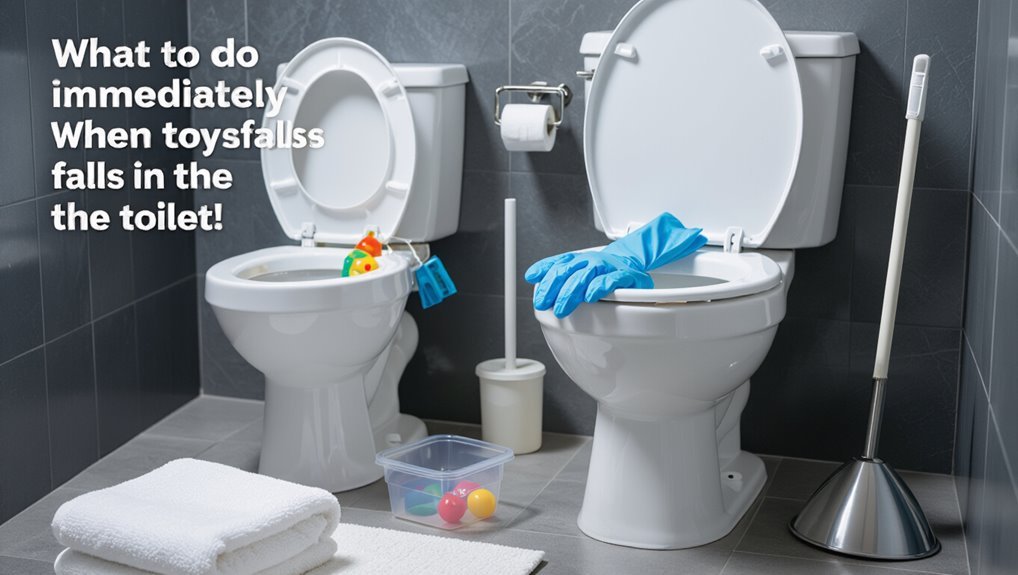
When a toy drops into the toilet, the immediate priority is to prevent flushing and limit movement that could push the item further into the trap.
The caregiver should promptly remove children and pets from the bathroom to avoid curiosity or accidental disturbance.
A quick visual assessment of the toy’s material, size, and whether it is visible will guide the safest retrieval method.
Safe first steps to prevent flushing or further damage
Act quickly but calmly: stop anyone from flushing and keep curious children and pets away from the bathroom.
Assess the situation visually before touching water.
Put on gloves, clear the area, and gather simple tools (gloves, pliers, wire hanger).
Avoid chemical cleaners and vigorous flushing that could push the toy deeper.
These steps reduce damage and prepare for safe extraction—how to get a toy out of a toilet.
How to keep children and pets away from the bathroom
A quick, calm perimeter should be established around the bathroom to prevent children and pets from approaching the toilet.
Close and latch the door if possible, or place a baby gate. Remove toys and enticing items nearby.
Inform household members with a clear, brief instruction to stay out.
Supervise any curious child at a distance until the object is retrieved or the situation is resolved.
Quick assessment: material, size, and visibility of the toy
How quickly the situation can be judged depends on three simple factors: the toy’s material, its size, and whether it is visible from the bowl.
The observer notes material (rigid, buoyant, soft), estimates size relative to drain, and checks visibility.
Hard, large, visible items suggest straightforward retrieval; small, flexible, or hidden items may require tools, flushing precautions, or professional help.
Simple Tools You Likely Have at Home to Retrieve a Toy
Common household items can often retrieve a toy without calling a plumber, starting with rubber gloves for direct manual removal.
A straightened wire hanger can be fashioned into a hook with careful, step-by-step technique, while a wet/dry vacuum requires proper setup and precautions to avoid damage or contamination.
A toilet plunger may also dislodge or shift the toy toward the bowl opening for easier access.
Using rubber gloves and manual retrieval
Reach for a sturdy pair of rubber gloves before attempting manual retrieval, as they protect skin from bacteria and improve grip on wet surfaces.
Kneel comfortably, lift the toilet seat, and visually locate the toy. Slide a gloved hand slowly into the bowl, grasp the toy firmly, and withdraw steadily to avoid dropping it.
Sanitize gloves and hands afterward.
How to use a wire hanger safely step-by-step
Unbend a sturdy wire hanger into a straightened shaft with a small hook at the end to create a makeshift retrieval tool.
Wear gloves, angle the hook downward, and lower it slowly into the bowl. Gently probe around the toy, hook its edge, and lift steadily.
Avoid forceful jerks to prevent damage. Sanitize the hanger and bowl after removal.
Using a wet/dry vacuum: setup and precautions
Prepare the wet/dry vacuum by fitting a narrow nozzle or attaching a length of hose to concentrate suction, and place a thin cloth or pantyhose over the end to prevent small parts from being drawn into the machine.
Position the hose into the bowl without forcing seals, seal around the rim with towels to improve suction, use low power first, and wear gloves and eye protection.
Using a toilet plunger to dislodge or shift the toy
A toilet plunger can often dislodge or shift a toy lodged in the trap by creating short, forceful pressure changes that move the object toward the bowl rather than deeper into the plumbing.
Use a flange plunger for a seal, position securely, and pump gently at first. Increase force if needed.
Retrieve the toy with gloved hands or tongs once it loosens.
Step-by-Step Method: Remove a Toy Without Draining the Toilet
The following steps guide a careful retrieval without draining the bowl, beginning with proper positioning and use of lighting or a small mirror to improve visibility.
Techniques for reaching and grasping are described to minimize the risk of pushing the toy deeper, with specific advice for freeing items lodged in the trapway.
Finally, a brief inspection protocol is provided to check the bowl and flapper for damage after the toy is removed.
Positioning, lighting, and visibility aids (flashlight, mirror)
Proper alignment of body and tools makes spotting and reaching a submerged toy far easier: position knees on a towel in front of the toilet, hips squared to allow a straight reach, and place a small stool or folded towel under the elbows to steady hands.
Use a bright, narrow-beam flashlight to illuminate the bowl; a small mirror helps see under rims and around bends.
Reaching and grabbing techniques to avoid pushing the toy further
Start by steadying the arm and aligning the hand so fingers approach the toy from beneath or alongside, minimizing forward pressure that could shove it deeper.
Use a gentle scooping motion, closing fingers around edges rather than pushing surfaces. If available, grasp with a rubberized tool or gloved fingers for grip.
Pause if resistance is felt; readjust angle and try again slowly to avoid displacement.
What to do if the toy is lodged in the trapway
If gentle scooping and angle adjustments fail and the toy does not budge, attention shifts to the trapway, where careful, methodical action can free a lodged object without draining the bowl.
Wear gloves, use a small hand auger or a hooked grabber, apply slow, steady motion to avoid damage, and flush cautiously to confirm clearance once the obstruction is extracted.
How to inspect for damage after retrieval
Once the toy is removed, the next step is a careful inspection for damage to the toilet and the plumbing components; this guarantees any hidden cracks, scratches, or displacements are identified before regular use resumes.
Visually examine the bowl, rim, and trap for hairline cracks or chips. Check the flush mechanism, flapper, and seals for distortion.
Run a test flush and monitor for leaks.
Methods That Require Partially or Fully Draining the Bowl
When water removal becomes necessary, the article outlines safe ways to bail water into buckets to lower the bowl level.
It then covers removing the toilet seat and techniques for working at bowl level without causing damage.
Finally, it explains basic homeowner steps for disconnecting and lifting the toilet when an object cannot be reached any other way.
How to bail water safely into buckets
Start by preparing a stable work area and suitable containers before attempting to remove water from the bowl.
Use sturdy buckets and a small plastic scoop or cup; wear gloves and eye protection.
Transfer water slowly to prevent splashing and overfilling.
Set filled buckets on a flat surface and empty them promptly into a floor drain or utility sink.
Sanitize tools and hands afterward.
Removing the toilet seat and bowl-level tactics
Remove the seat and lower the water level before reaching into the bowl to improve access and reduce the risk of pushing the toy deeper.
With water reduced, use gloves and a flashlight to locate the toy.
Gentle retrieval with pliers or a grabber is safer than probing.
Afterward, sanitize the bowl, inspect for damage, and restore water slowly to check proper flushing.
When and how to remove the toilet for stubborn objects (basic homeowner steps)
If the toy cannot be retrieved from the bowl with gloves, pliers, or a grabber after lowering the water, the fixture may need to be unbolted and lifted for better access.
Turn off the shutoff valve, drain the tank and bowl, disconnect supply line, unfasten floor bolts, and gently rock and lift the toilet.
Inspect flange, remove toy, reseat wax ring, bolt and reconnect.
When to Stop and Call a Professional
If the toy repeatedly causes clogs, is visibly damaged, or cannot be reached with basic tools, a professional should be contacted.
Continued DIY attempts can worsen blockages, damage the bowl or trap, and increase repair costs.
When calling a plumber, provide the toy’s size/material, the steps already taken, and any changes in flushing or water levels to speed diagnosis.
Signs the toy is beyond DIY retrieval (repeated clogs, visible damage)
Although many toilet obstructions can be cleared with household tools, certain signs indicate the toy should not be retrieved without professional help.
Repeated clogs after attempted removal, persistent low flush performance, visible cracks in porcelain, a toy lodged deep beyond reach, or torn toilet components all signal escalation.
In such cases, contacting a plumber prevents further damage and guarantees safe extraction.
Risks of DIY attempts that can make the problem worse
Attempting to force a stuck toy free can convert a minor blockage into a costly repair: excessive plunging, poking with improvised tools, or disassembling parts without experience risks cracking the bowl, bending or breaking the trap, ripping seals, and pushing the object farther into the drain.
Persistent DIY attempts can cause leaks, sewer gas entry, or permanent pipe damage; stop and call a professional when uncertainty or worsening occurs.
What to tell the plumber to speed diagnosis and repair
When calling a plumber, homeowners should give concise, specific details to help the technician assess the situation before arrival:
describe toy type, size, material, location (toilet model and bowl vs trap), symptoms (slow drain, gurgling, standing water), attempts already made, and any visible damage or leaks.
Mention household plumbing layout and accessibility to speed diagnosis and necessary tools or parts.
Preventing Toys from Falling into the Toilet in the Future
To reduce repeat incidents, the article shifts to prevention strategies for keeping toys out of the toilet.
Suggestions include childproofing storage and securing toilet lids with recommended products such as lid locks, seat clips, and organised storage solutions.
It also notes the importance of clear rules and simple safety lessons to teach children about bathroom behaviour.
Childproofing bathroom storage and toilet lids
Many parents find that simple changes to bathroom storage and toilet lids greatly reduce the chance of toys ending up in the bowl.
Install secure, wall-mounted shelves and bins with lids, keep frequently used items in high, closed containers, and use a soft-close, childproof toilet seat or a locking lid.
Regularly check fastenings and choose waterproof, easy-to-clean storage.
Teaching kids bathroom safety and toy rules
Establish clear, consistent bathroom rules and routines so children understand which toys are allowed near sinks and toilets and which must stay in dry areas.
Caregivers should model behavior, explain hygiene and risks, set consequences for breaking rules, and supervise young children.
Use simple reminders, praise compliance, and practice routines during baths to reinforce boundaries and reduce accidental drops into the toilet.
Recommended products: lid locks, toilet seat clips, and storage solutions
Simple hardware and organized storage can significantly reduce the chance of toys ending up in the toilet. Recommended items include secure lid locks, adjustable toilet seat clips, wall-mounted baskets, and stackable tubs to keep playthings out of reach.
Caregivers should choose durable, childproof designs and place storage near bathrooms. Regular checks guarantee fast, reliable prevention without disrupting routines.
- Lid locks
- Seat clips
- Wall baskets
- Stackable tubs
Cleaning and Sanitizing After Retrieval
After retrieval, attention should turn to safe cleaning methods tailored to the toy’s material—rigid plastic, soft rubber, and fabric each require different approaches.
The toilet and any tools used should be disinfected with an appropriate cleaner or bleach solution, and the toy rinsed and sanitized according to its care recommendations.
If a toy is porous, damaged, or cannot be reliably disinfected, it should be discarded rather than returned to a child.
Safe cleaning steps by material (plastic, rubber, fabric)
Begin by sorting the recovered toy by material—plastic, rubber, or fabric—since each requires a different cleaning method to remove microbes and residues safely.
Plastic: wash with hot soapy water, rinse thoroughly, air dry.
Rubber: avoid boiling; use mild detergent and wipe crevices, rinse and dry.
Fabric: launder per label or soak in soapy water, rinse and fully dry.
Disinfecting the toilet and the toy
With materials sorted and surface soils removed, attention turns to disinfecting both the toilet and the retrieved toy to eliminate pathogens and residue.
Use gloves, a bleach solution (1 tablespoon per quart), or EPA-registered disinfectant on hard surfaces; allow recommended dwell time.
For nonporous toys, soak and rinse thoroughly.
For porous items, follow manufacturer guidance or launder; dry completely before reuse.
When to discard a toy instead of salvaging it
Sometimes the safest choice is disposal rather than salvage: toys that are porous, cracked, composed of foam or soft fabric, or have internal components inaccessible to thorough cleaning should be discarded after toilet exposure.
Items with lingering odors, visible mold, battery compartments compromised by water, or low replacement cost justify disposal.
Prioritize health over sentiment; document model or batch if recalls or warranty apply.
Common Mistakes to Avoid When Trying to Retrieve a Toy
Attempting retrieval without care can push the toy farther into the trap or damage pipes, so forceful flushing and prodding should be avoided.
Using improvised or sharp tools, chemical drain cleaners, or excessive force risks injury and costly plumbing repairs.
If the object is out of sight, lodged firmly, or retrieval attempts fail after a couple tries, a professional should be called.
Actions that can push the toy deeper or damage plumbing
Avoid plunging ahead without considering consequences: certain common responses can force a toy deeper into the trap or harm the toilet’s components.
Rapid flushing, vigorous plunging, or tilting the bowl can dislodge seals, crack porcelain, or push the item into the S-bend.
Excessive force risks damaging the wax ring, clogging downstream pipes, and complicating retrieval, increasing repair needs.
Unsafe tools and techniques to avoid
Reach for the wrong tool and a simple retrieval can become a costly plumbing problem.
Using wire hangers, chemical drain cleaners, or excessive force risks scratching porcelain, rupturing seals, or pushing the toy farther.
Avoid screwdrivers, knives, or improvised hooks that can damage the bowl or injure hands.
Opt for gentle, appropriate tools and careful technique to prevent avoidable damage.
Misjudging when to call for help
Misjudging the severity of the situation can turn a small, fixable problem into a costly emergency. If the toy is lodged beyond the trap or causes repeated clogs, a professional plumber should be called rather than continuing DIY attempts.
Waiting or escalating efforts can damage seals, pipes, or fixtures. Recognizing limits and seeking timely expert help prevents higher repair bills and health hazards.
Comparison of Retrieval Methods by Difficulty, Cost, and Risk
A concise comparison helps readers choose the most appropriate retrieval approach based on toy type and toilet condition. Below is a quick reference summarizing recommended methods with their typical difficulty, cost, and risk profiles.
| Situation | Recommended method |
|---|---|
| Small plastic toy in clean, accessible bowl | Use a gloved hand or plunger |
| Heavy toy lodged near trap | Flexible grabber or plumber call |
| Fragile toy or cracked porcelain | Protective barrier and professional assistance |
Quick reference: best method per toy type and toilet condition
Several common retrieval strategies—manual fishing with gloves, using a wire coat hanger or grabber tool, flushing with a bucket to coax buoyant toys toward the trap, and calling a plumber—are summarized here so readers can quickly match method to toy type (plastic, rubber, metal) and toilet condition (clear trap, partial clog, full clog).
- Plastic, clear: bucket flush.
- Plastic, partial: grabber.
- Rubber/floaters: manual or bucket.
- Metal/full clog: plumber.
Real-Life Scenarios and Troubleshooting Examples
The section presents concise, real-life examples to guide selection of retrieval techniques.
It first addresses visible small plastic toys and the quickest safe fixes, then outlines special care for soft or porous toys that absorb water.
Finally, it explains escalation steps for toys lodged in the trapway, including when to stop and call a professional.
Small plastic toy visible in bowl fastest fixes
Start by evaluating the situation: if a small plastic toy is clearly visible in the bowl and within reach, quick, noninvasive methods are safest.
Use gloves and grip tools: extended tongs, a coat hanger with padding, or a plastic grabber. Lift gently to avoid scratching porcelain or pushing the toy into the trap.
Sanitize afterward and inspect for residue or fragments.
Soft or porous toy that absorbs water special considerations
Many soft or porous toys swell, become heavy, and can fragment when waterlogged, so rescuers should expect a more delicate retrieval than with hard plastics.
Use gentle tongs, a hooked wire, or gloved fingers to lift slowly. Avoid twisting or forcing to prevent tearing and clogging.
If pieces break off, remove fragments promptly and inspect seals or stuffing for contamination before drying and sanitizing.
Toy stuck in the trapway escalation steps
A toy lodged in the toilet trapway calls for a stepwise escalation that balances retrieval success with preventing damage or a clog.
Begin with gloved manual probing and retrieval tools (pliers, hooked wire). If stuck, apply a plunger or wet-dry vacuum.
Avoid chemical solvents. When obstruction persists, remove the toilet or call a plumber to access the trapway, minimizing pipe damage and leaks.
Recommended Tools to Keep in a Home Emergency Kit
One practical home emergency kit contains a compact selection of tools that address common toilet mishaps and prevent further damage: a sturdy pair of rubber gloves, a short-handled plunger designed for sink and toilet use, a small basin or bucket, disposable towels or rags, a basic set of screwdrivers and pliers, and a flashlight with fresh batteries.
Recommended items include:
- Gloves and towels
- Plunger and basin
- Basic hand tools
- Flashlight and batteries
Conclusion
When a toy slips into the toilet, calm practical action usually solves it without calling a plumber. Using common household tools and simple techniques can retrieve most items quickly; sometimes partial draining is needed. Know when to stop—stubborn clogs or damaged seals demand professional help. Avoid common mistakes and keep a small retrieval kit on hand. With sensible caution, rescuing a toy is rarely the end of the world—though it may feel catastrophically urgent in the moment.