How to Dissolve Feces in Toilet Quickly and Safely: Effective Tips and Products
To quickly and safely dissolve feces in the toilet, start by wearing gloves and ensuring the bathroom is well-ventilated. Break up large pieces with a toilet brush or a disposable stick, then apply an enzyme-based toilet cleaner or a biodegradable dissolver as directed. For faster results, add hot (not boiling) water and a squirt of dish soap, gently agitate, and plunge if necessary. Avoid flushing multiple times to prevent overflow; if clogs persist, contact a plumber for assistance.
Quick solution for dissolving feces in the toilet safely
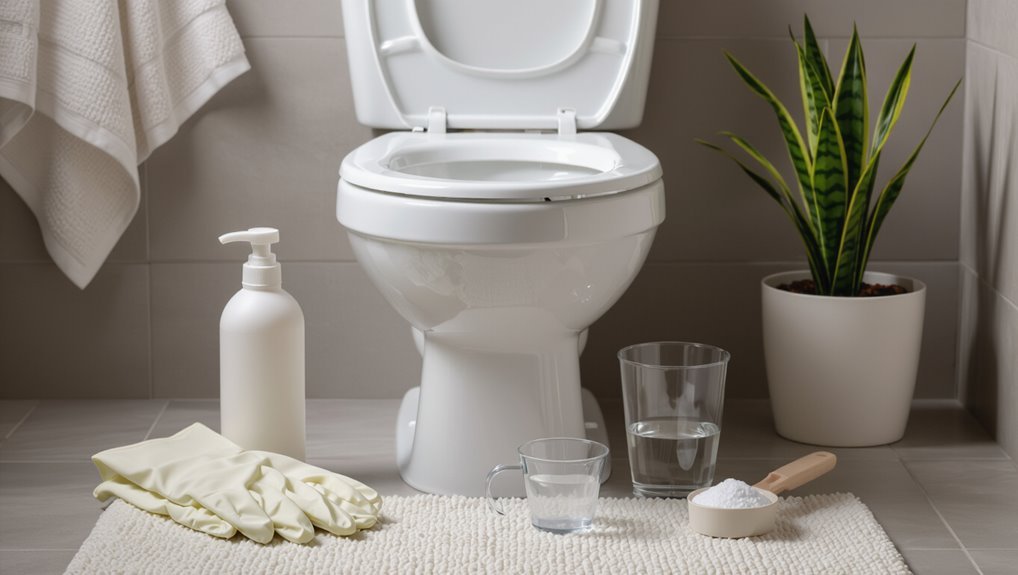
The author outlines fast-action steps to try immediately, such as adding enzyme-based toilet cleaner, letting it sit briefly, and using a plunger if needed.
Clear guidance is given on when to avoid repeated flushing, particularly if the bowl is clogged, overflowing, or connected to a septic system.
Safety and plumbing-preservation are emphasized throughout.
Fast-action steps to try immediately
Start by putting on gloves and ensuring the bathroom is ventilated.
Then attempt mechanical break-up with a toilet brush or disposable stick to reduce mass and encourage flushing.
Next, add a safe dissolving agent per product instructions (enzyme cleaner or diluted bleach alternative).
Wait the recommended time, then flush.
Repeat gentle agitation if needed.
This outlines how to dissolve feces in toilet quickly and safely.
When to avoid flushing repeatedly
After attempting mechanical breakup and applying a dissolving agent, a person should avoid repeatedly flushing if water in the bowl rises, the trap seems partially clogged, or multiple flushes fail to move the waste.
Further flushing can overflow the bowl or push a partial blockage deeper into the plumbing. Instead, stop flushing, remove excess liquid with a cup, use a plunger or enzyme cleaner, and call a plumber if needed.
Why feces sometimes fail to dissolve or flush properly
Failures in dissolution or flushing often stem from stool consistency influenced by diet, the shape and flush power of the toilet, or underlying plumbing issues.
These mechanical and biological factors can also signal health concerns such as constipation or dehydration that warrant attention.
Maintaining proper hygiene and addressing persistent problems promptly helps prevent clogs and reduces infection risk.
Common causes (consistency, diet, toilet design, plumbing)
Several factors determine whether feces dissolve or flush effectively, including stool consistency, dietary composition, toilet design, and plumbing condition.
Hard, compact stools resist breakdown; high-fiber, hydrated diets promote softer, more dissolvable waste.
Low-flow or older toilets use insufficient water and trap solids. Narrow traps, partial clogs, or poor venting impede flushing and prevent complete removal, causing persistence and odors.
Health and hygiene considerations
When feces fail to dissolve or flush properly, the issue often reflects a mix of physiological, microbial, and hygienic factors that affect breakdown and transport.
Medical conditions (constipation, malabsorption), medication effects, and low gut motility alter stool composition.
Poor personal hygiene and inadequate toilet cleaning promote biofilm buildup that impedes flow.
Prompt attention to health, hydration, and sanitation improves dissolution and reduces plumbing problems.
Safe household methods to dissolve or break up feces
The section outlines practical, toilet-safe approaches for loosening or breaking up fecal matter using common household items and products.
It covers the hot water technique with correct procedure, the use of dish soap and biodegradable degreasers, vinegar and baking soda combinations and their limitations, selecting and using enzyme-based drain cleaners, and criteria for choosing commercial toilet-safe dissolvers.
Each method is presented with its mechanism, step-by-step use, and safety or effectiveness notes.
Hot water technique and correct procedure
Pouring hot (but not boiling) water into the bowl can help soften and break up compacted feces by loosening fibers and increasing pliability.
Pour slowly from waist height to avoid splashing, allow five to ten minutes for softening, then use a toilet brush or plunger gently to dislodge material.
Repeat once if needed; ventilate the bathroom afterward.
Dish soap and biodegradable degreasers: how they work and how to use
After softening with hot water, tackling stubborn clogs can be aided by mild surfactants: dish soap and biodegradable degreasers break down fats and reduce surface tension, helping fecal matter disperse and glide through traps.
Apply a generous squirt, let sit 15–30 minutes, then flush or add more hot water.
Choose phosphate-free, septic-safe products and ventilate the bathroom.
Vinegar and baking soda: effective combinations and limits
Household vinegar and baking soda can create a mild fizzy reaction that helps loosen and break apart compacted fecal matter, particularly when combined with hot water and allowed time to penetrate the clog.
Applied sequentially—baking soda first, then vinegar—followed by a flushing flush or gentle plunging, this method is safe for most toilets but may be slow and ineffective on severe blockages.
Enzyme-based drain cleaners: selection and proper use
Several enzyme-based drain cleaners contain specific bacteria and enzymes that break down organic matter such as feces, turning solids into smaller, water-soluble molecules that are easier to flush.
Users should choose products labeled for toilets, follow manufacturer dosing and contact time, avoid mixing with chemical cleaners, and maintain regular use for prevention.
Allow adequate flushing to clear residues.
Commercial toilet-safe dissolvers: what to look for
What features distinguish effective toilet-safe dissolvers from inferior products? Consumers should seek enzyme or bacterial formulations rated for toilets, biodegradable ingredients, and neutral pH to protect porcelain and seals. Look for NSF/ANSI or equivalent certifications, clear dosing instructions, and safety data sheets. Avoid caustic chemicals, strong acids or bases, and products lacking compatibility statements for plumbing and septic systems.
Mechanical techniques for stubborn obstructions
When chemical and enzymatic approaches fail, mechanical methods become necessary to clear stubborn toilet obstructions.
Proper plunger technique and the selective use of a toilet auger are primary options, with attention to seal, pressure, and safe operation to avoid damage.
For severe blockages, alternatives such as a controlled bucket flush or carefully executed manual removal with durable gloves may be required.
Proper plunger use and technique
A firm, rhythmic plunging motion anchored by a proper seal is the most effective mechanical method for dislodging a stubborn toilet obstruction.
The user should position a flange plunger, guarantee water covers the cup, push gently at first, then accelerate to strong, controlled pumps.
Maintain the seal throughout; avoid abrupt jerks.
Repeat cycles until flow resumes, then flush to confirm clearance.
Toilet auger (snake): when and how to use it safely
Reach for a toilet auger when plunging fails to clear a bowl-level clog or when blockages are suspected deep in the trap or short section of the drain; this tool extends a flexible, coiled cable past the toilet curve to break up or retrieve obstructions without removing the fixture.
Wear gloves, position the rubber boot to seal the bowl, crank slowly to feed and retract, and clean the auger afterward.
Alternatives for severe blockages (bucket flush, manual removal with gloves)
Consider employing manual or gravity-driven methods for obstructions that resist plunging and augering: a controlled bucket flush can force a large volume of water through the trap to dislodge compacted waste.
Meanwhile, gloved manual removal allows direct extraction of solid material that mechanical tools cannot break up.
Use sturdy gloves, disposable bags, and disinfectant; avoid chemical interaction and seek professional help if blockage persists.
Comparison of methods and products
A concise comparison helps identify the best approach based on effectiveness, safety, cost, and environmental impact. The table below summarizes these factors across common methods and products. This enables informed choices tailored to specific needs and constraints.
| Method/Product | Key considerations |
|---|---|
| Enzymatic/biological cleaners | Effective over time; generally safe; moderate cost; low environmental impact |
| Chemical cleaners (caustics) | Fast acting; safety risks; low–moderate cost; higher environmental impact |
| Mechanical tools (plunger, auger) | Immediate results; low chemical risk; low cost; minimal environmental impact |
Effectiveness, safety, cost, and environmental impact
Evaluate common approaches to dissolving feces in toilets by weighing effectiveness, safety, cost, and environmental impact. The detached assessment rates chemical cleaners high in speed but moderate in eco-harm and cost; enzymatic agents are safer and eco-friendlier yet slower and pricier; mechanical methods are cheap and immediate but labor-intensive and carry splash risks.
| Method | Speed | Eco/safety |
|---|---|---|
| Chemical | Fast | Moderate harm |
| Enzymatic | Slow | Low harm |
Step-by-step safety precautions and hygiene after treatment
The text outlines essential safety precautions and post-treatment hygiene to minimize infection risk and chemical exposure.
It covers use of protective equipment and ensuring adequate ventilation, proper disinfection of the toilet and any tools used, and protocols for safe disposal of waste and contaminated materials.
Readers are advised to follow each step systematically to protect themselves and others.
Protective equipment and ventilation
Personal protective equipment and adequate ventilation are essential before attempting any chemical treatment to dissolve feces in a toilet.
Gloves, eye protection, and a mask or respirator suitable for fumes minimize exposure. Open windows and run an exhaust fan to disperse vapors.
Protective clothing that can be laundered and handwashing immediately after handling chemicals reduce contamination risk and cross-transfer.
Disinfection of toilet and tools
After chemicals have acted and protective gear remains on, attention moves to disinfecting the toilet and any tools used.
Flush if safe, then apply an EPA-registered disinfectant to bowl surfaces, handles, and tools, following label contact time.
Scrub with dedicated brush, rinse with hot water, and allow surfaces to air-dry.
Remove gloves last, wash hands thoroughly with soap and water.
Safe disposal of waste and contaminated materials
Begin by collecting all disposable contaminated items—gloves, paper towels, and single-use applicators—into a sturdy, leak‑proof bag, sealing it securely and labeling it as biohazardous where local regulations require.
Place the bag in designated waste bins, avoid compacting, and wash hands thoroughly with soap for 20 seconds.
Clean reusable tools, disinfect surfaces, launder contaminated cloths separately on hot cycle, and document disposal if mandated.
When to call a professional plumber
If persistent clogs, gurgling drains, foul odors, or sewage backups occur after attempted dissolving, this may indicate a deeper plumbing issue requiring professional assessment.
A licensed plumber can diagnose blockages, damaged pipes, or venting problems and recommend corrective action.
Homeowners should expect diagnostic fees and variable repair costs, and request estimates and warranty information before proceeding.
Signs of a deeper plumbing issue
When persistent slow drains, recurring clogs, gurgling noises, foul sewer odors, or sewage backups occur despite standard remedies, these symptoms often indicate a deeper plumbing problem that requires a professional assessment.
Additional signs include water pooling around fixtures, low water pressure, multiple fixtures affected simultaneously, and sudden floor or wall dampness.
Immediate inspection prevents structural damage, mold growth, and health hazards.
Estimated costs and what to expect from service
Although costs vary with the problem’s severity and local market rates, homeowners should expect a clear breakdown of charges and a diagnostic fee on arrival.
Typical service calls range from a modest diagnostic plus hourly or flat labor; simple unclogs may cost $75–$200, while repairs or sewer work can exceed $500.
Estimates, warranties, and written invoices are standard practice.
Preventive habits to reduce future issues
Attention to daily habits can greatly reduce recurrence: recommendations include a toilet-friendly diet and mindful wiping practices to produce easier-to-dissolve waste.
Clear guidance on what not to flush and which products are safe prevents blockages and chemical damage.
Regular inspections and simple maintenance—such as checking seals, cleaning jets, and using enzyme cleaners periodically—help keep toilets and drains functioning.
Toilet-friendly diet and wiping habits
Adopting a toilet-friendly diet and consistent wiping habits can considerably reduce the need to dissolve or forcefully remove stubborn stool.
A fiber-rich diet, adequate hydration, and regular meal timing promote softer, bulkier stools that flush easily. Gentle, thorough wiping prevents clog-prone accumulations.
Encouraging regular bowel schedules and avoiding constipating foods helps minimize future plumbing stress and maintenance.
What not to flush and recommended products
Improved diet and wiping habits reduce difficult stools, but preventing toilet blockages also depends on what is flushed and which products are used.
One should avoid flushing wipes, sanitary products, cotton swabs, or grease. Choose toilet-safe toilet paper and enzyme-based drain cleaners when needed.
Recommended items:
- Toilet-safe paper
- Enzyme cleaners
- Gentle plungers
- Biodegradable wipes (trash only)
Routine maintenance tips for toilets and drains
While routine use and occasional mishaps are inevitable, simple preventive habits can greatly reduce clogs and prolong fixture life.
Regularly inspect for leaks, tighten fittings, and replace worn flappers. Flush with sufficient water and avoid excess toilet paper.
Clean bowl and trap monthly using mild cleaners or enzyme products. Run kitchen and bathroom drains with hot water weekly to prevent buildup.
Product recommendations and buying guidance
The section outlines recommended enzyme cleaners and toilet-safe dissolvers alongside the most effective plungers and augers for typical household clogs.
It also explains key label information to check for safety and septic-system compatibility.
Readers are guided toward practical choices based on performance, materials, and staining or chemical considerations.
Top enzyme cleaners and toilet-safe dissolvers
Several enzyme-based cleaners and toilet-safe dissolvers stand out for effectively breaking down organic matter without damaging plumbing or septic systems.
Recommended options include products with mixed enzyme blends (protease, lipase, amylase), septic-safe formulations, and foam or gel applicators for cling time.
Choose brands with clear dosing, positive reviews for odor control and biodegradability, and compatibility statements for septic and PVC systems.
Best plungers and augers for home use
After covering enzyme cleaners that soften and dissolve organic blockages, attention turns to the mechanical tools that remove or dislodge stubborn clogs once chemical action is insufficient.
Recommend a flange plunger for toilets and a cup plunger for sinks; a heavy-duty closet auger (3–6 ft) for deep clogs; a compact hand auger for narrow traps.
Prioritize durable materials, comfortable grips, and rust resistance.
How to read labels for safety and septic compatibility
How can consumers quickly determine whether a cleaner is safe for home plumbing and septic systems?
Labels should be checked for explicit “septic-safe” or “safe for drains” claims, biodegradable ingredients, and absence of strong acids or lye.
Look for EPA Safer Choice or NSF certifications and follow dilution instructions.
Avoid products listing “professional use only.”
When unsure, consult manufacturer resources or local wastewater guidelines.
Troubleshooting common scenarios
The guide addresses solutions for hard, compacted feces that resist normal dissolution methods.
It outlines approaches for homes experiencing blockages across multiple toilets or repeated clogs.
It also highlights precautions and alternative strategies for residences with septic systems.
Hard, compacted feces
Encountering hard, compacted feces in a toilet requires a focused, methodical approach to avoid damage to plumbing while restoring proper flow.
Begin by softening with warm (not boiling) water and a biological enzyme cleaner; allow time to act.
Use a plunger then a toilet auger if needed.
Avoid harsh chemicals that can harm pipes; repeat softening and mechanical removal until cleared.
Multiple toilets or recurring blockages
Multiple affected fixtures often indicate a main drain or sewer-line issue rather than isolated clogs.
Persistent or repeated backups warrant inspecting the building’s main stack, sewer cleanout, or municipal connection.
Recommend using a professional plumber with a camera inspection and auger service.
Temporary chemical or enzymatic treatments may help, but recurring blockages usually require mechanical clearing or pipe repair to resolve root causes.
Problems in homes with septic systems
Homes served by septic systems require different troubleshooting steps than those on municipal sewers, since blockages, slow drains, or odors often stem from tank capacity, soakaway performance, or biological imbalance.
Inspect tank levels, pump schedules, and inlet/outlet baffles. Avoid harsh chemical decloggers that harm microbes.
Use approved bacterial additives, reduce water load, and call a licensed septic service for persistent backups or drainfield saturation.
Conclusion
To sum up, dissolving feces in the toilet quickly and safely requires practical, common-sense steps that balance household remedies and mechanical approaches. Like a calm tide smoothing rough edges, gentle enzymes, hot water, or a plunger often resolve the issue; persistent blockages call for augers or professional help. Adopting preventive habits and choosing recommended products reduces repeat problems, ensuring toilets remain functional, hygienic, and trouble-free with minimal fuss.