
How to Keep Your Main Sewer Line From Clogging: Proven Prevention Tips and Maintenance Guide
To prevent clogs in your main sewer line, it’s essential to follow key maintenance practices. Avoid putting grease down drains, use sink strainers to catch debris, and flush only toilet paper. Schedule camera inspections every 12–24 months, and utilize enzyme cleaners to tackle organic buildup. Manage landscaping to prevent root intrusion by installing root barriers. Ensure the main cleanout remains accessible, and keep a record of your maintenance activities. Be proactive—address early warning signs like gurgling toilets or slow drains immediately. Follow the practical steps outlined below to safeguard your sewer system effectively.
Why Preventing Main Sewer Line Clogs Matters for Homeowners
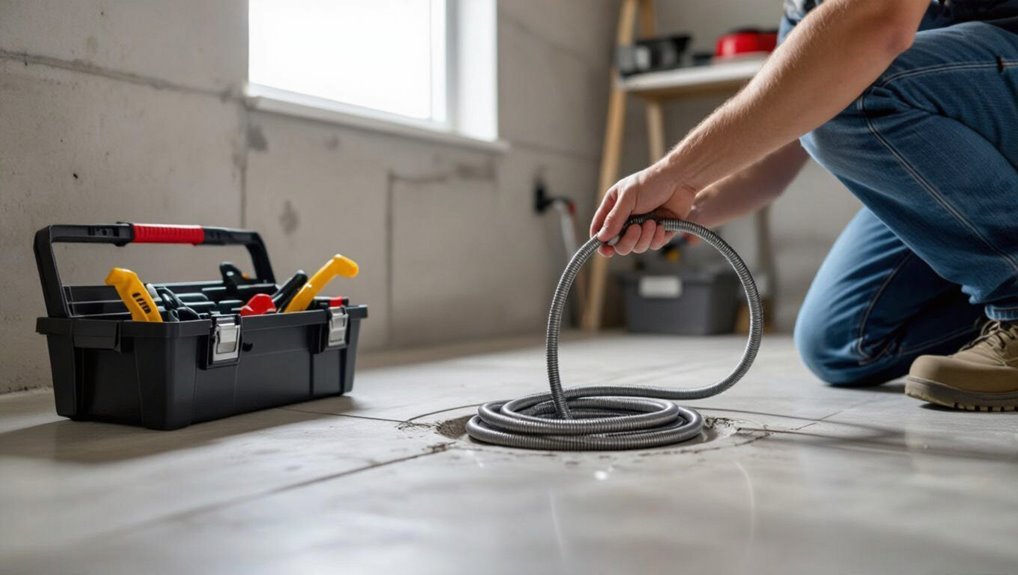
A clogged main sewer line can cause sewage backups, costly repairs, and property damage that disrupt daily life.
Homeowners should watch for warning signs such as slow drains, gurgling toilets, and multiple fixture backups occurring at once.
Recognizing these indicators early helps prioritize inspection and professional intervention before problems escalate.
Common consequences of a clogged main sewer line
Several serious problems can arise when a main sewer line becomes clogged, affecting property, health, and finances.
Homes can suffer sewage backups, structural water damage, and mold growth requiring costly remediation.
Residents face health risks from pathogens and foul odors, reduced sanitation, and potential legal or insurance complications.
Understanding how to keep your main sewer line from clogging prevents disruption, expense, and long-term deterioration.
Signs that your main sewer line is at risk
Homes show warning signs when the main sewer line is under stress, and recognizing these early indicators lets homeowners act before backups or extensive damage occur.
Slow drains in multiple fixtures, gurgling toilets, foul sewer odors, sewage backups in low drains, unusually lush patches in the yard, and sudden sinkholes or wet spots above the line all signal increased risk and warrant prompt inspection.
Quick-action Checklist to Reduce Immediate Clog Risk
A concise checklist helps homeowners act quickly to prevent and address sewer line blockages. Consider these immediate steps:
- Adopt daily habits like limiting grease, using strainers, and flushing only toilet paper.
- When warning signs appear, stop water use, check cleanouts, and call a plumber if backup persists.
Daily habits to prevent blockages
Although often overlooked, small daily habits considerably reduce the chance of an immediate sewer clog. Simple actions—like running cold water during garbage disposal use, wiping plates into the trash before rinsing, and limiting grease down the drain—prevent buildup that leads to blockages.
Regularly use drain strainers, dispose of hair and fibrous food in trash, avoid flushing wipes, and schedule periodic enzyme treatments to maintain clear flow.
What to do right away when you notice warning signs
Act immediately when warning signs appear: slow drains, gurgling toilets, foul sewer odors, or sudden backups signal an imminent blockage.
Shut off water to nonessential fixtures, avoid using toilets and drains, and stop laundry or dishwasher cycles.
Clear accessible traps, remove nearby debris, ventilate odors, and place towels around leaks.
Call a professional plumber for inspection, camera diagnosis, and prompt clearing to prevent damage.
Understanding the Main Sewer Line: Components and Vulnerabilities
The main sewer line runs from the home to the municipal connection or septic system, with service tees and cleanouts marking key junctions.
Common clog points include the trap, lateral joints, and bends where debris, tree roots, grease, and misplaced objects accumulate.
Risk increases with older pipe materials, deteriorating joints, and adverse soil conditions that promote shifting or root intrusion.
How the main sewer line is routed and connected to your home
Many houses rely on a single main sewer line that runs from the building to the municipal sewer or septic system, collecting waste from branch pipes, roof drains, and cleanouts along the way.
The main typically exits near the foundation, slopes downhill, and connects via a junction or service saddle.
Materials vary—PVC, cast iron, clay—and include access points for inspection and maintenance.
Typical clogging points and causes (debris, roots, grease, objects)
Several common locations along a main sewer line are especially prone to blockage.
Near the house trap and cleanout, accumulations of hair, paper, and grease form obstructions.
Midline low spots collect sediment and solids.
Joints and cracks invite root intrusion that narrows flow.
Near street connections, foreign objects and construction debris lodge, while grease and congealed fats coat pipe interiors, reducing capacity.
How age, materials, and soil conditions affect clog risk
Although aging pipes may still carry waste, their vulnerability grows as materials degrade, joints loosen, and roots exploit cracks.
Older clay, cast iron, and vitrified materials fracture; plastic can warp or collapse under shifting loads.
Reactive soils accelerate corrosion and collapse, while expansive clays and high groundwater promote root intrusion and misalignment.
Material choice, installation quality, and soil stability directly influence clog frequency and severity.
Routine Maintenance Tasks to Keep the Sewer Line Clear
Recommended inspection frequency and methods are outlined, typically advising annual visual checks and periodic camera inspections for older or problem-prone lines.
Practical DIY maintenance techniques and safe tools—such as enzyme treatments, hand augers, and routine trap cleaning—are described with clear cautions about when not to proceed.
Guidance on indicators that prompt scheduling of professional maintenance rounds out the discussion, emphasizing preventative service before minor issues escalate.
Recommended inspection frequency and methods
Routine inspections every 12 to 24 months strike the best balance between early problem detection and cost-effectiveness for most residential sewer lines.
Properties with older plumbing, frequent tree roots, or previous backups should be checked annually, while newer systems in low-risk settings can extend to every two years.
Inspections should include camera CCTV assessment, flow testing, and visual checks of cleanouts and accessible junctions by qualified technicians.
DIY maintenance: safe techniques and tools
Perform basic preventive tasks regularly to reduce the chance of blockages and extend the life of a sewer line.
Homeowners can flush drains with hot water weekly, use enzyme cleaners monthly, and install strainers to catch debris.
Manual augers clear minor clogs; inspect traps and clean accessible cleanouts.
Always wear gloves and eye protection, follow product instructions, and avoid harsh chemicals that can damage pipes.
When to schedule professional maintenance
After homeowners complete basic preventive tasks like flushing with hot water, using enzyme cleaners, and clearing minor clogs with a manual auger, they should know when to call a professional for scheduled care.
Schedule inspections every 1–3 years depending on tree roots, age, and past problems.
Call immediately for recurring backups, slow drains despite treatments, foul odors, or visible sewage.
Professionals provide camera inspections and hydro-jetting.
Effective Prevention Techniques and Best Practices
Effective prevention combines sensible habits and targeted maintenance to keep sewer lines flowing.
Homeowners should adopt proper disposal practices in kitchens and bathrooms, manage grease with collection and removal rather than pouring, and enforce toilet and drain use policies that exclude wipes and nondegradable items.
Landscaping choices and proactive root management near sewer lines further reduce intrusion and costly repairs.
Proper waste disposal habits for kitchens and bathrooms
Adopt clear, consistent waste-disposal habits in kitchens and bathrooms to minimize solids, grease, and fibrous materials entering the sewer line.
Simple routines—scraping plates into compost or trash, collecting cooking oil for recycling, and disposing of wipes, sanitary products, and hair in the trash rather than flushing—significantly reduce clog risk and prolong pipe life.
Regularly empty sink strainers, use trash bins with liners, and educate household members.
Grease management and disposal strategies
Grease is one of the most common and persistent causes of sewer clogs, so households should handle it deliberately to keep fats, oils, and greases (FOG) out of drains.
Collect cooled grease in disposable containers, wipe pans with paper towels before washing, use sink strainers, recycle cooking oil where facilities exist, and schedule periodic professional inspections to catch buildup before it becomes a blockage.
Toilet and drain usage policies to avoid clogs
Establish clear toilet and drain usage rules to reduce clogs: flush only human waste and toilet paper, avoid disposing of paper towels, wipes (even those labeled “flushable”), feminine hygiene products, cotton swabs, or dental floss, and keep food scraps, coffee grounds, and cooking grease out of sinks.
Enforce household signage, provide waste bins in bathrooms, instruct guests, and schedule periodic inspections to detect misuse before blockages form.
Landscaping and tree root management near sewer lines
Manage landscaping thoughtfully to keep tree roots from invading sewer lines, since roots seek moisture and can crack or block pipes over time.
Select shallow-rooting or native plants, maintain appropriate setback distances, and avoid planting large trees near sewer routes.
Install root barriers, perform regular inspections with a camera, and prune or remove problematic trees promptly.
Schedule professional assessments before major landscaping changes.
Tools and Products That Help Prevent Sewer Clogs
A concise review of practical tools and products can help homeowners reduce sewer clogs and choose appropriate maintenance methods.
Key items to contemplate include:
- Drain screens, strainers, and hair catchers
- Enzyme treatments vs chemical drain cleaners: pros and cons
- Sewer cleanout access: locating and using it safely
The following section will explain how each option works, when to use it, and basic safety tips.
Drain screens, strainers, and hair catchers
Many households rely on simple drain screens, strainers, and hair catchers to block debris before it enters the sewer system.
These inexpensive devices capture hair, food particles, soap scum, and small solids at sinks, tubs, and showers, reducing buildup.
Regular emptying and periodic cleaning prevent odors and bacterial growth.
Choosing durable, well-fitted models guarantees consistent protection and long-term clog reduction.
Enzyme treatments vs chemical drain cleaners: pros and cons
Following simple screens and strainers, homeowners often consider chemical or enzyme-based products to tackle slow drains and prevent deeper sewer clogs. Enzymes digest organic buildup safely over time; chemicals act fast but can harm pipes, septic systems, and the environment. Choose enzymes for maintenance, chemicals for stubborn clogs sparingly, and follow label directions.
| Type | Speed | Impact |
|---|---|---|
| Enzyme | Slow | Low |
| Chemical | Fast | High |
Sewer cleanout access: locating and using it safely
When homeowners know where the sewer cleanout is and how to access it safely, they can diagnose backups faster and reduce the need for disruptive excavation.
Locate the capped vertical or horizontal pipe near the foundation, garage, or yard.
Wear gloves and eye protection, clear debris, remove the cap slowly to relieve pressure, inspect with a flashlight, and call a plumber for major clogs.
How to Inspect and Diagnose Sewer Line Health
Household symptoms such as slow drains, recurring backups, gurgling noises, or multiple fixtures acting up can indicate a mainline problem rather than a localized clog.
A camera inspection reveals blockages, tree-root intrusion, pipe fractures, and joint offsets, and its footage should be reviewed for severity and exact location.
Simple water-flow and pressure tests help confirm restricted flow or leaks and indicate when professional repair is required.
Signs from indoor plumbing that point to mainline issues
Although many sewer problems begin outside the home, persistent indoor plumbing symptoms often reveal developing mainline issues; slow drains, recurring backups, gurgling toilets, and unexplained sewage odors are key indicators that the main sewer line may be compromised.
Additional signs include multiple fixtures backing up simultaneously, fluctuating toilet water levels, wet spots in basements, and sudden increases in pest activity suggesting leaks or sewer breaches.
Camera inspection: what it reveals and how to interpret results
Persistent indoor signs point technicians toward the mainline, but confirming the problem and locating its cause requires a camera inspection.
A push camera maps pipe condition, blockages, roots, offsets, cracks, and grease buildup, timestamping images for location.
Technicians interpret footage to determine severity and repair options—snaking, hydrojetting, spot repair, or replacement—then document findings for homeowners and insurance or municipal records.
When to run a water-flow and pressure test
When should a water-flow and pressure test be performed to assess a sewer line’s functional health?
It is recommended after camera inspection indicates ambiguous blockages, following unexplained slow drains, after heavy repairs or tree-root removal, and when intermittent backups occur.
Tests quantify flow rates and static/dynamic pressure to locate restrictions, leaks, or collapsed sections, guiding targeted repairs and verifying restoration of proper hydraulic performance.
Common Mistakes That Increase Clog Risk and How to Avoid Them
Common household choices and site work often raise the risk of sewer clogs, and recognizing these pitfalls helps prevent costly repairs.
Key trouble areas include:
- Misuse of chemical cleaners and do-it-yourself fixes
- Ignoring minor backups and warning signs
- Improper landscaping and construction practices
Addressing these items promptly can preserve line function and extend system life.
Misuse of chemical cleaners and do-it-yourself fixes
Using harsh chemical drain cleaners and improvised home repairs can do more harm than good to a sewer line, accelerating corrosion, damaging sewer pipes, and masking underlying problems.
Consumers risk pipe erosion, joint failure, and toxic residue.
Temporary fixes often conceal progressive blockages.
Recommend professional diagnosis, mechanical snaking, enzymatic cleaners when appropriate, and documented repairs to guarantee durable, code-compliant solutions.
Ignoring minor backups and warning signs
After chemical or makeshift remedies fail to address root issues, minor backups and early warning signs often get overlooked until they escalate into major blockages.
Homeowners who ignore slow drains, foul odors, gurgling toilets, or repeated small backups delay diagnosis.
Prompt inspection, routine maintenance, and addressing symptoms early prevent larger clogs, costly repairs, and sewer line damage by catching problems before they worsen.
Improper landscaping and construction practices
Poorly planned landscaping and careless construction near sewer lines can greatly increase the risk of clogs and costly damage.
Tree roots, heavy equipment, and altered grading can crack pipes, invade joints, or redirect surface water into drains.
Professionals should locate utilities, choose root-resistant plants, maintain appropriate setbacks, and avoid excessive soil compaction to preserve pipe integrity and minimize clogging risk.
Emergency Responses for Major Sewer Line Backups
When a major sewer backup occurs, homeowners should first take immediate steps to minimize damage and health risks by shutting off water sources, avoiding contaminated areas, and ventilating the space if safe.
Short-term remedies like using containment barriers, removing valuables, and applying absorbent materials can limit harm until professionals arrive.
The expected professional response typically includes camera inspection, clearing or repairing the line, and advising whether a repair or full replacement is necessary.
Immediate steps to minimize damage and health risks
Act quickly to limit exposure and property damage during a major sewer backup: evacuate people and pets from affected areas, shut off nonessential water sources, and avoid contact with sewage.
Secure ventilation to reduce fumes, isolate contaminated zones, and document damage for insurers.
Notify the utility or emergency plumber, alert local health authorities if contamination is extensive, and keep bystanders clear until professionals arrive.
Temporary remedies before professionals arrive
Begin by containing the problem: block off affected rooms, place absorbent materials or sandbags at doorways and floor drains, and plug toilet bowls with plastic sheeting or sealed containers to prevent backflow.
Then shut off water supply, avoid using fixtures, and ventilate safely. Use protective gear, remove valuables to dry areas, document damage with photos, and await trained technicians rather than attempting major repairs.
What to expect from professional repair or replacement
After securing the area and waiting for trained technicians, homeowners should expect a systematic assessment followed by targeted emergency actions.
Technicians will inspect via camera, locate the blockage or damage, then recommend options: spot repair, full-line replacement, or trenchless repair.
Emergency measures may include temporary bypass pumping, odor control, and safety barricades.
Clear estimates, timelines, and permit handling are provided before work begins.
Cost Considerations and When Replacement Is Necessary
Cost considerations guide whether a sewer line is repaired or replaced, with condition, age, location, and long‑term costs being primary factors. Typical cost ranges and available financing options should be compared to determine when replacement is more economical than repeated repairs. The homeowner benefits from weighing immediate expense against expected future savings.
| Factor | Typical Range / Note |
|---|---|
| Repair (spot) | $300–$2,500 depending on access |
| Replacement (trench) | $3,000–$25,000+ based on depth/length |
| Financing options | Home equity, personal loans, installer payment plans |
Factors influencing repair vs replacement decisions
Several key factors determine whether a sewer issue warrants repair or full replacement, centered on the extent of damage, pipe material and age, frequency of failures, and overall long-term expense.
Decision-making balances short-term repair cost versus longevity, accessibility for rehabilitation, presence of root intrusion or corrosion, and impact on property.
Safety, code compliance, and expected lifespan guide the choice toward replacement when repairs are temporary.
Typical cost ranges and financing options
Budgeting for sewer work requires understanding a wide price spectrum and the factors that push a job toward repair or full replacement.
Typical repairs range from $150–$1,500 for clearing or spot repairs; trenchless relining runs $2,000–$10,000; full replacement can exceed $10,000–$25,000 depending on depth and landscaping.
Financing includes payment plans, home equity lines, contractor financing, and municipal assistance programs.
Long-term Strategies to Minimize Future Clogs
Long-term prevention centers on proactive arrangements such as maintenance plans and service contracts to guarantee regular cleaning and prompt responses.
For high-risk properties, upgrading pipe materials or rerouting lines can reduce root intrusion and corrosion over time.
Keeping clear records of inspections and repairs helps track patterns and guides timely interventions.
Maintenance plans and service contracts
A clear maintenance plan or service contract provides regular inspections, scheduled cleanings, and documented responses to minor issues before they escalate into major clogs or backups.
Providers outline scope, frequency, emergency response, pricing, and warranty terms.
Homeowners benefit from predictive maintenance, priority scheduling, and reduced repair costs.
Contract reviews and documented inspections create accountability and a reliable long-term strategy for sewer line health.
Upgrading materials and rerouting options for high-risk homes
When soils, tree roots, repeated blockages, or aging infrastructure make clogs recurrent, upgrading pipe materials or rerouting the sewer line can provide a durable solution.
Selecting corrosion- and root-resistant materials (such as PVC, HDPE, or cured-in-place liners) and redesigning flow paths away from root zones or unstable soils reduces failure points and future maintenance.
Professional assessment, trenchless techniques, proper slope restoration, and permits guarantee longevity.
Record-keeping for inspections and repairs
Consistent record-keeping transforms maintenance from reactive to proactive by documenting inspections, repairs, and service dates for a sewer line.
A centralized log—digital or paper—captures camera reports, cleaning history, warranty details, contractor contacts, and observed defects.
Regularly reviewed records enable trend analysis, optimized service intervals, budget planning, and faster diagnostics, reducing recurrence and repair costs while preserving system lifespan.
Checklist for Seasonal and Annual Sewer Line Care
Seasonal and annual care helps prevent weather-related damage and backups in the sewer line.
Key actions include:
- Winterizing and freeze-prevention steps.
- Pre-rainy-season preparations to reduce backups.
Winterizing and freeze-prevention steps
Why prepare sewer lines for winter? Cold weather risks freezing, pipe damage, and backups.
Inspect exposed lines, insulate vulnerable sections, and seal gaps where cold air enters.
Maintain proper slope and clear debris from outdoor drains.
Consider heat tape on susceptible runs and schedule a professional inspection before sustained freezes.
Promptly address slow drains to prevent ice-related blockages.
Pre-rainy-season preparations to reduce backups
As winter precautions finish, attention shifts to preparations for the rainy season to minimize sewer backups.
Inspect gutters, downspouts and yard grading to divert water away from foundations. Clear debris from storm drains and clean main sewer cleanouts.
Schedule a professional camera inspection and, if needed, hydro-jetting. Trim tree roots near lines and review sump pump operation to guarantee reliable discharge.
Resources and Professional Qualifications to Look For
Selecting a qualified plumber or sewer specialist begins with verifying licensing, insurance, and relevant experience in sewer systems.
Prior to hiring, homeowners should ask about specific sewer repair history, available warranties, inspection methods (such as camera diagnostics), and cost estimates.
Credentials can be confirmed through state licensing boards, trade associations, and local reviews or references.
How to choose a qualified plumber or sewer specialist
Where can homeowners turn for reliable sewer work, and what credentials separate competent professionals from amateurs?
Homeowners should prioritize licensed plumbers or certified sewer technicians with bonded, insured businesses and verifiable trade association memberships.
Look for contractors offering camera inspection, hydro-jetting, and clear written estimates.
Proven local references, documented training, and warranty-backed workmanship indicate competence without unnecessary marketing claims.
Questions to ask before hiring and verifying credentials
What should homeowners ask to separate qualified sewer professionals from underqualified ones?
Ask for license numbers, proof of insurance, and local certifications.
Request references, recent inspection or repair reports, and detailed written estimates.
Inquire about camera-inspection equipment, warranty terms, and subcontractor use.
Verify complaints or reviews via licensing boards and consumer sites before hiring to confirm credibility and experience.
Conclusion
Preventing main sewer line clogs protects a home’s plumbing, property value, and sanity—saving homeowners from nightmares of backflow and costly emergency repairs. Regular inspections, mindful waste habits, root management, and timely repairs form a sensible defense. When replacement looms, informed cost comparisons and qualified professionals guarantee the best outcome. With consistent seasonal care and proactive maintenance, main lines can run smoothly for years, avoiding catastrophe-level plumbing disasters with modest, steady effort.
