How to Use a Monkey Wrench: Step-by-Step Guide for Beginners and Pros
A monkey wrench is an adjustable tool designed to grip and turn flat-sided fasteners. To use it effectively, select the appropriate size for the fastener, position the jaws squarely on the clean surfaces, and tighten the adjuster for a secure grip. Apply steady force toward the fixed jaw while ensuring proper body stance and wearing personal protective equipment (PPE). For stuck or rounded fasteners, consider using penetrating oil, alternate tools, or seeking professional assistance. Continue reading for detailed steps, troubleshooting tips, and safety guidelines.
What a Monkey Wrench Is and When to Use It
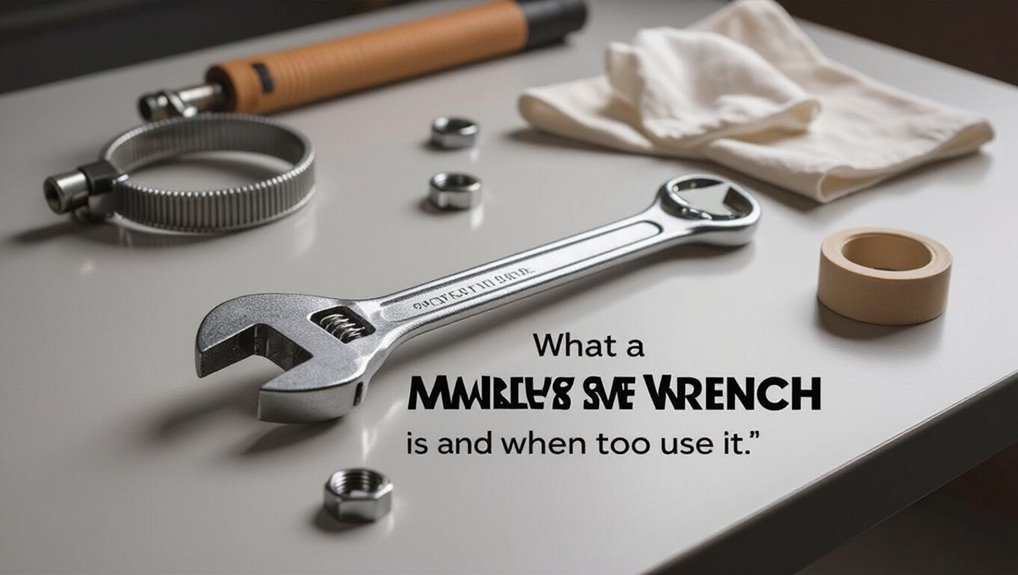
A monkey wrench is described by its adjustable straight jaws and robust steel construction, suited for gripping flat-sided fasteners and heavy-duty tasks.
It is commonly used on hardened nuts and bolts and performs well on durable materials where high torque is required.
A brief comparison with adjustable, pipe, and crescent wrenches highlights jaw shape, gripping method, and designated applications to clarify when each tool is preferable.
Definition and key features of a monkey wrench
Heavy-duty adjustable pliers with smooth jaws, the monkey wrench is a single-piece tool designed for gripping and turning pipes, nuts, and other rounded workpieces.
It features an adjustable jaw via a threaded nut, long handle for leverage, and smooth faces to avoid marring.
Clear size markings, durable steel construction, and a secure adjustment mechanism define its key features and inform how to use a monkey wrench.
Common applications and materials it’s best suited for
Versatile and robust, the monkey wrench excels at gripping and turning rounded metalwork such as pipes, fittings, bolts, and hexagonal nuts when smooth jaw contact is needed to prevent surface damage.
It suits ferrous and nonferrous metal components, maintenance on plumbing, automotive repair, and heavy machinery assembly.
Best applied where flat, wide jaw pressure gives secure hold without biting into softer finishes.
Differences between monkey wrench, adjustable wrench, pipe wrench, and crescent wrench
When distinguishing among monkey wrenches, adjustable wrenches, pipe wrenches, and crescent wrenches, focus falls on jaw shape, gripping action, and designated surface—each tool is optimized for specific materials and fastener profiles. Monkey: flat jaws, smooth bolts. Adjustable/Crescent: movable jaw, general fasteners. Pipe: serrated, pipes and round stock.
| Tool | Typical Use |
|---|---|
| Monkey | Smooth bolts |
| Pipe | Pipes |
Choosing the Right Monkey Wrench
Selecting the appropriate monkey wrench begins with matching size and jaw capacity to the typical fasteners encountered.
Material, handle length, and grip type influence durability and control, while choosing between fixed-jaw and adjustable models depends on the range of tasks and required precision.
A few recommended models for beginners and professionals illustrate practical trade-offs in cost, performance, and ergonomics.
Size and jaw capacity explained
A monkey wrench’s size and jaw capacity determine the tasks it can handle and the leverage it provides.
Users choose wrench length based on required torque and access. Jaw opening must match fastener dimensions; insufficient capacity prevents secure grip, excessive size reduces maneuverability.
Common sizes range from compact 6-inch models to heavy 24-inch types, each rated for specific pipe or nut diameters.
Material, handle length, and grip types to consider
Beyond size and jaw capacity, material, handle length, and grip type further define a monkey wrench’s suitability for specific jobs.
Steel or chrome-vanadium offer durability and corrosion resistance; lighter aluminum suits portable use.
Longer handles increase leverage but reduce maneuverability; shorter handles aid tight spaces.
Smooth, knurled, or rubberized grips affect control and comfort—choose based on task torque and operator preference.
When to choose fixed jaw vs. adjustable models
Decide between fixed-jaw and adjustable monkey wrenches by matching tool stability and speed to the task: fixed-jaw models deliver consistent alignment and greater strength for repetitive, high-torque work on uniform fasteners, while adjustable wrenches excel at versatility when varying sizes or occasional use demand quick size changes.
Choose fixed for repeatability and heavy loads; choose adjustable for multi-size jobs, portability, and occasional repairs.
Recommended models for beginners and professionals
With the trade-offs between fixed-jaw strength and adjustable versatility established, recommendations can be tailored by experience and use case.
Selections favor durability, grip, and size range. Suggested models:
- Heavy fixed-jaw steel wrench — professional pipework.
- Adjustable chrome-vanadium wrench — versatile tradesperson.
- Lightweight aluminum adjustable — beginner, light duties.
- Compact stubby fixed model — tight spaces, pros and hobbyists.
Safety Gear and Precautions Before You Start
Before beginning work with a monkey wrench, the operator should don essential personal protective equipment such as safety glasses, gloves, and sturdy footwear.
The work area must be cleared, well-lit, and inspected for loose objects or slippery surfaces that could create hazards.
Awareness of common risks—pinch points, sudden tool slips, and over-torquing—and the steps to prevent them will reduce the chance of injury.
Essential personal protective equipment
Personal protective equipment (PPE) is essential when using a monkey wrench to prevent common injuries from slips, flying debris, and pinches.
Recommended items include safety glasses or a face shield for eye protection, cut-resistant gloves for hand safety and grip, steel-toed footwear to protect feet, and snug-fitting clothing to avoid entanglement.
Hearing protection is advised for noisy environments.
Workspace preparation and hazard checks
A clear, organized workspace reduces the risk of trips, tool slips, and unexpected hazards when using a monkey wrench.
Inspect surface stability, remove clutter, guarantee adequate lighting, and secure workpieces.
Check for nearby flammable materials, wet spots, or unstable shelving.
Confirm clear access to exits and a fire extinguisher.
Verify tools are clean, functional, and within easy reach before beginning.
Common risks and how to avoid them
Several essential precautions greatly reduce common risks when using a monkey wrench: wearing impact-resistant eye protection, sturdy gloves that preserve dexterity, and closed-toe footwear; ensuring the wrench fits the fastener to prevent slippage; and confirming proper body positioning to avoid pinch points and sudden torque reactions.
Inspect tools for damage, secure workpieces, apply controlled force, and release tension slowly to prevent sudden movement or tool failure.
Step-by-Step Guide to Using a Monkey Wrench
Before beginning work, the operator inspects the monkey wrench for damage and adjusts the jaws to fit the fastener with correct alignment and minimal gap.
Hands and body are positioned to maximize leverage and control while turning in the proper direction with steady, even force.
When necessary, the operator repositions the wrench carefully to avoid slipping or stripping the fastener.
Inspecting the wrench for damage and proper adjustment
Inspect the monkey wrench carefully for bent jaws, stripped threads, cracks, or excessive wear that could compromise grip or adjustment.
The handler confirms the sliding jaw moves smoothly, the adjustment screw turns without binding, and threads engage fully.
Loose or missing pins, rusted surfaces, or deformities are noted.
Damaged tools are set aside for repair or replacement before use to guarantee safety and effectiveness.
Sizing the jaws to the fastener: alignment and gap tips
How should the jaws be set for a secure, efficient grip? The operator adjusts the movable jaw until it aligns flush with the fastener faces, leaving minimal but visible clearance to prevent binding.
Guarantee parallel contact across flats, not corners. Tighten the adjustment so the wrench sits snugly; avoid excessive gap that causes slipping or over-tightening that stresses the tool or fastener.
Proper hand positioning and body mechanics
With the jaws set to sit flush across the flats and a small visible clearance to prevent binding, attention shifts to hand placement and body mechanics to apply force safely and effectively.
The user grips the handle near its midpoint for control, opposite hand steadies the head if accessible.
Feet are shoulder-width, knees slightly bent, torso aligned to minimize twisting and maintain balance throughout the operation.
Applying force correctly: turning technique and direction
Begin by positioning the wrench so the force will be applied along the plane of the fastener: the handle should align with the desired turning direction and the jaws must remain square to the flats.
Apply steady, controlled pressure toward the aimed rotation, using the palm for drive and fingers for balance.
Pause if resistance spikes; avoid sudden jerks to maintain grip and fastener integrity.
Repositioning without stripping or slipping
To reposition the monkey wrench without stripping or slipping, the user should loosen the jaw slightly, shift the tool to a fresh set of flats, then re-seat the jaws squarely before reapplying pressure.
The operator aligns the wrench on clean, undamaged surfaces, checks bite by a light pull, and verifies the handle follows the planned turning direction to prevent cam-out or rounding of fastener edges.
Loosening stuck nuts and bolts safely
After confirming the wrench is properly seated on undamaged flats and the handle will pull in the desired direction, attention turns to freeing stuck nuts and bolts.
Apply steady, increasing leverage; avoid sudden jerks. Use penetrating oil, allow soak time, then tap the nut lightly to break corrosion.
If needed, heat the surrounding metal cautiously. Reassess grip and continue until the fastener yields.
Tightening to the correct torque without a torque wrench
Estimate torque by combining consistent technique, calibrated feel, and simple reference methods when a torque wrench is unavailable.
The user applies steady, repeatable turns: count quarter- or half-turns from finger-tight, use known fastener sizes and material as guides, and compare resistance against a familiar benchmark nut previously tightened with a torque wrench.
Stop when resistance matches the benchmark to avoid over- or under-tightening.
Advanced Techniques and Troubleshooting
The section addresses advanced techniques for working with a monkey wrench in confined or awkward spaces and explains safe approaches to using cheater bars and extensions, including when they should not be used.
It covers methods for removing rounded, rusted, or damaged fasteners and when to employ penetrating oil, heat, or mechanical extraction.
It also outlines effective combinations of tools and tactics for freeing stubborn fittings without causing additional damage.
Working in tight or awkward spaces
Maneuvering tight or awkward spaces demands deliberate adjustments to tool selection, body positioning, and technique; a standard monkey wrench can become impractical unless modified approaches are used.
Opt for slim-profile or smaller adjustable wrenches, alternate jaw orientations, and short, controlled strokes. Stabilize workpieces, maintain clear sightlines, and reposition the body to maximize leverage without overreaching.
Prioritize safety and patience.
Using cheater bars, extensions, and when not to
Apply leverage judiciously: cheater bars and socket extensions can multiply torque to free stubborn fasteners but also greatly increase the risk of tool or fastener failure and personal injury.
Use only rated extensions, guarantee secure grip and alignment, and apply steady, controlled force.
Avoid improvised pipes or excessive sudden force. When workpieces or surrounding components may break, seek alternative methods or professional assistance.
Dealing with rounded, rusted, or damaged fasteners
A handful of stubborn bolts and nuts can halt a project, but properly diagnosing whether a fastener is rounded, rust-fused, or otherwise damaged guides the choice of extraction method.
Inspect jaw engagement, corrosion extent, and surrounding material.
Apply penetrating oil and gentle tapping, try locking pliers or a hex extractor on rounded heads, and heat steel seized by rust before attempting removal.
Combining tools for stubborn fittings
Combine complementary tools and methods to tackle fittings that resist a single approach, matching force, grip, and heat to the failure mode.
The technician selects sequences that minimize damage while maximizing leverage and control:
- Apply penetrating oil, wait, then tap joint.
- Use adjustable wrench plus pipe wrench for opposing grips.
- Add heat cautiously to expand metal.
- Finish with impact or extractor if needed.
Maintenance, Storage, and Lifespan
Routine maintenance extends a monkey wrench’s useful life through cleaning and light lubrication of moving parts.
Regular inspection for worn jaws, stripped threads, or damaged handles indicates when replacement is necessary.
Storing the tool in a dry, protected location and applying a light oil coat prevents rust and accidental damage.
Cleaning and lubricating moving parts
Inspecting and addressing grime and old lubricant on a monkey wrench’s moving parts prevents wear and preserves smooth operation; a brief, regular regimen of cleaning and proper lubrication removes debris, displaces moisture, and guarantees the jaw and adjustment screw function reliably.
Use a brush and solvent for buildup, dry thoroughly, then apply light machine oil or grease sparingly to threads and sliding surfaces; wipe excess.
Inspecting for wear and when to replace
After cleaning and lubricating the moving parts, the next step is to evaluate the wrench for wear that affects safety and function.
Inspect jaws for rounding, chips, or uneven contact; check the adjuster screw and threads for stripping or play; examine handles for cracks or bends.
If gripping edges are compromised, adjustments fail, or structural damage exists, replace the wrench to guarantee reliable, safe operation.
Proper storage to prevent rust and damage
Proper storage dramatically reduces the risk of rust and accidental damage to a monkey wrench by controlling moisture exposure and preventing impacts.
The tool should be cleaned, lightly oiled, and closed to minimize exposed teeth. Store in a dry, ventilated toolbox or on a pegboard with protective sleeves.
Avoid contact with corrosive chemicals and heavy objects; periodic checks guarantee continued protection and function.
Common Mistakes to Avoid
Common mistakes include using the wrong wrench size or type, which can damage fasteners and reduce control.
Excessive torque or improper leverage techniques can strip threads or cause slips that lead to injury.
Skipping routine inspection and maintenance of the wrench increases the risk of failure during use.
Using the wrong wrench for the job
Selecting an incorrect wrench often leads to stripped fasteners, rounded corners, and wasted time; technicians should match wrench type and size to the fastener before applying force.
Using pliers, adjustable wrenches, or improperly sized tools increases slippage and damage. Proper selection preserves hardware, guarantees efficient torque transfer, and reduces risk.
When uncertain, pause to choose a correctly fitting, quality wrench rather than improvising.
Over-tightening and stripping threads
Over-tightening fasteners can strip threads, deform heads, and compromise joint integrity, turning a secure connection into a failure-prone assembly.
The user should apply recommended torque values or hand-tighten with controlled turns, inspect threads for damage before reuse, and replace stripped bolts or nuts.
Proper seating, clean threads, and using torque-limiting tools when available prevent repeated repairs and maintain reliable assemblies.
Unsafe force techniques and leverage errors
Having warned against over-tightening and damaged threads, the discussion now moves to unsafe force techniques and leverage errors that create other hazards.
Users applying sudden jerks, improper body positioning, or makeshift cheaters increase slip, tool breakage, and injury risk.
Excessive leverage multiplies force unpredictably; correct handle length and steady pressure guarantee controlled torque and safer results.
Ignoring inspection and maintenance
Neglecting routine inspection and maintenance turns a reliable wrench into a latent hazard.
The user should check jaws, adjustment threads, grips, and handle for wear, corrosion, or damage before use.
Failure to lubricate moving parts and replace worn components increases slip risk, fastener damage, and personal injury.
Scheduled checks and prompt repairs preserve tool function, safety, and longevity.
Practical Use Cases and Step Examples
The section outlines specific, practical tasks where a monkey wrench proves useful: removing a bicycle pedal, tightening a garden gate hinge, loosening a car battery terminal, and assembling metal framing in a workshop.
For each task, brief step-by-step examples illustrate grip selection, turning direction, and torque control.
Safety notes and quick troubleshooting tips accompany the steps to prevent common errors.
Removing a bicycle pedal with a monkey wrench
When a standard pedal wrench won’t fit, a monkey wrench can provide the necessary jaw width and leverage to remove a bicycle pedal safely.
Position the bike securely, set wrench jaws to grip flat pedal flats, turn counterclockwise for the right pedal and clockwise for the left, apply steady controlled force, protect chromed surfaces with cloth, and back out the spindle until the pedal clears threads.
Tightening a garden gate hinge
A monkey wrench that freed a stubborn pedal can also tighten a sagging garden gate hinge when jaw width and leverage are required.
The operator positions jaws on hinge nut, secures grip, applies steady pressure, and avoids jerks that could strip threads.
If access is limited, use extended handle for leverage or heat-seize methods cautiously.
Recheck alignment and retighten after test swings.
Automotive quick task: loosening a battery terminal
Loosen the battery terminal by first identifying the correct negative or positive post, selecting the properly sized wrench or socket, and ensuring the vehicle and operator are safe from sparks or short circuits.
Wear gloves and eye protection, disconnect the negative terminal before the positive, loosen the clamp nut securely, lift the cable clear of the post, and inspect for corrosion or damage before reassembly.
Workshop scenario: assembling metal framing
Aligns metal sections and secures connections using a monkey wrench to tighten or adjust bolts, nuts, and threaded connectors during framing assembly.
- Position members and hand-thread fasteners.
- Use wrench to evenly tighten opposing bolts.
- Check alignment with a square and adjust as needed.
- Re-torque after initial load and inspect for slippage or galling before finishing.
Quick Reference: Do’s and Don’ts
A concise checklist outlines the essential do’s and don’ts for safe and effective monkey wrench use.
It notes common mistakes to avoid and best practices to maintain grip and avoid damage.
It also specifies clear indicators for when to switch tools or call a professional.
Concise checklist for safe and effective use
One clear checklist highlights essential do’s and don’ts for safe, effective monkey-wrench use: inspect the tool before use, select the correct size, guarantee a secure jaw bite, apply force toward the fixed jaw, wear eye and hand protection, and keep bystanders clear;
do not use a damaged or makeshift wrench, apply cheater bars or excessive force, strike the wrench with a hammer, or use the wrench as a hammer or pry bar.
- Confirm condition and fit.
- Position fixed-jaw force.
- Use controlled, steady pressure.
- Wear PPE and clear area.
When to switch to a different tool or call a professional
Recognize clear limits early: if a fastener is rounded, corroded, seized, or requires torque beyond hand-tool capability, stop using the monkey wrench and choose a purpose-built tool or contact a professional.
Attempting improvised methods, excessive force, or repeated slips increases damage and injury risk.
Prefer socket sets, impact tools, penetrating lubricants, extractor kits, or welding for stubborn parts.
Seek licensed help for structural, pressurized, or safety-critical systems.
Conclusion
Like an old ship’s captain trusting a faithful sextant, the user turns to the monkey wrench when measured force and steady hands are needed. With correct selection, care, and respect for safety, the tool becomes a quiet ally—resolving stubborn fittings, guiding precise adjustments, and rewarding patience. Wielded properly, it bridges simple household fixes and seasoned tradework, leaving behind tightened joints, learned habits, and the satisfaction of work done well.