How Do You Know If You Have Lead Pipes? 6 Signs, Tests, and Next Steps
If you suspect your home may have lead pipes, look for these signs: homes built before the 1950s often contain lead service lines or solder, pipes may have a dull, soft gray appearance, and you might notice metallic-tasting or discolored water. Other indicators include easily scratched pipes, frequent pinhole leaks, fittings stamped “Pb,” and utility records confirming lead presence. To confirm, perform first-draw and flushed water tests, seek lab analysis, or consult a plumber for a pipe sample. Until you resolve the issue, avoid using tap water for drinking and opt for certified filters. Continue reading for detailed tests, health risks, and step-by-step solutions.
Do you have lead pipes? A clear, direct answer
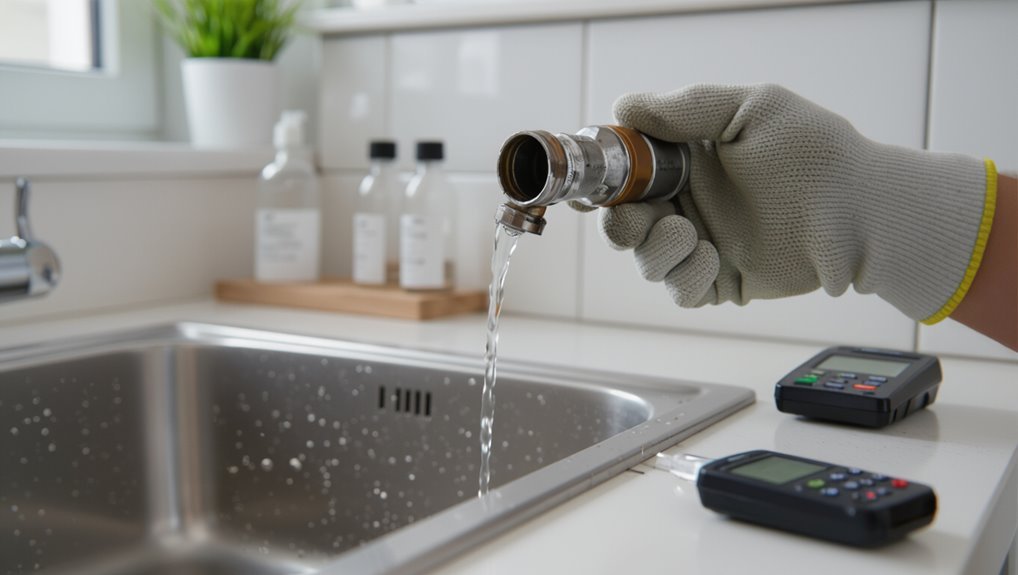
Most homes built before the 1950s or with visible soft, gray piping are more likely to have lead service lines.
If lead is suspected, the recommended immediate action is to stop using tap water for drinking or cooking and use bottled water or a certified filter until testing confirms safety.
A certified laboratory test of the service line and tap water provides a definitive answer.
One-sentence summary of likelihood and immediate action
If a home was built before the mid-1980s and plumbing records or a visual inspection indicate unpainted, dull gray pipes or fittings marked “Pb” or “lead,” there is a strong chance the service line or interior plumbing contains lead.
Residents should stop drinking the tap water without treatment and arrange for a certified test and professional replacement.
To answer how do you know if you have lead pipes, prioritize testing.
How lead pipes were used and where they’re likely to be found
Lead was commonly used for water service lines, interior plumbing, and solder in homes built before the 1950s and sometimes into the 1970s.
Regions with older infrastructure and certain urban neighborhoods consequently carry a higher risk of lead plumbing.
Within a property, lead is most often found in the service line from the street, older interior supply lines, and in fittings or solder joints.
Historical use of lead in service lines, plumbing, and solder
Pipes, fittings, and solder joints installed from the late 19th century through much of the 20th century frequently contained elemental lead or lead alloys, used for their softness, malleability, and resistance to corrosion.
Municipal service lines, interior supply pipes, brass fixtures, and tin-lead solder in joints commonly incorporated lead.
Identification relies on visual inspection, magnet tests, and professional sampling for confirmation.
Typical building ages and regions with higher risk
After outlining how lead was used in service lines, fittings, and solder, the discussion turns to when and where those materials are most likely to be found.
Buildings erected before the 1950s, and many through the 1970s, carry greater risk.
Older urban neighborhoods, industrial towns, and regions with slow municipal replacement programs show higher prevalence; renovation history and local regulations further influence likelihood.
Common locations of lead piping in a property (service line, interior plumbing, fittings)
A property’s plumbing network can contain lead in several distinct places: the service line connecting the street to the meter, interior supply lines and branch runs, and the small but critical fittings and solders that join components.
Service lines are common outdoors; older homes may have lead pipes inside walls and basements.
Faucets, valves, and pipe joints often contain leaded alloys or lead solder, especially pre-1986 installations.
6 visual and practical signs that your home may have lead pipes
Visible clues and simple tests can help identify whether a property’s plumbing contains lead. The following signs are common indicators to check for when inspecting pipes and water quality:
- Dull gray, soft metal pipes or fittings, sometimes stamped “Pb”
- Older galvanized pipes that may have lead solder or lead-lined connections
- Metallic taste, brownish discoloration, or an oily film on the water
- Frequent pinhole leaks or pipes that scratch or deform easily
- Municipal records or service-line maps indicating lead service lines
Sign 1 Pipe appearance: dull gray, soft metal, or stamped Pb markings
Metallic color and texture offer the quickest clues to a pipe’s composition: lead plumbing typically appears dull gray rather than shiny, feels soft when scratched or tapped, and may show stamped markings such as “Pb” or “LEAD.”
Inspect accessible service lines, interior segments in basements, and exposed joints; rounded, heavy sections and scannable markings help distinguish lead from copper, brass, or plastic fittings.
Sign 2 Older galvanized pipes with lead solder or connections
When homes were plumbed before the 1960s, galvanized steel pipes were often joined using lead-based solder or connected to lead service lines.
So the presence of older galvanized piping can indicate hidden lead components. Inspect fittings, joints, and nearby service lines for corrosion, softened joints, or mismatched materials.
Records, plumber assessments, and targeted testing confirm whether lead solder or lead service connections exist.
Sign 3 Metallic taste, discoloration, or oily film on water
Could the water itself signal a lead problem? A metallic or bitter taste, gray or brown discoloration, or an oily sheen may indicate corrosion leaching metals from plumbing.
Such changes are more noticeable after stagnant periods or when water sits in fixtures. While not definitive for lead, these symptoms warrant testing and professional inspection to identify contaminated pipes or soldering.
Sign 4 Frequent pinhole leaks or soft, easily scratched pipes
Frequent tiny leaks or pipes that feel soft and can be easily scratched are common visual and tactile clues that plumbing contains lead or severely corroded lead-based alloys.
Homeowners may notice pinhole drips, greenish or powdery corrosion, and easily nicked surfaces with a screwdriver. Such signs suggest aging lead or leaded solder; prompt testing and professional inspection are advised to confirm material and risk.
Sign 5 Records or municipal maps showing lead service lines
After noticing physical signs like pinhole leaks or soft pipes, homeowners should check official records and municipal maps to confirm whether a lead service line connects the property to the water main.
Local utility departments often publish searchable maps or response databases. Property deeds, service line inventories, and historical waterworks plans can identify lead lines; requesting a utility inspection or certified confirmation follows naturally from such documentation.
Sign 6 Renovation history showing original plumbing components
When renovation records or visible original plumbing remain intact, they offer clear clues about whether a home once used lead service lines or lead-based fittings.
Documentation showing unchanged supply lines, old solder, or original valve types suggests lead-era installation. Exposed pipe sections, dated permits, and contractor notes help confirm material.
If indicators align, homeowners should prioritize testing and consult professionals for safe replacement options.
Tests to confirm the presence of lead in pipes or water
A simple visual inspection checklist can guide homeowners to obvious indicators of lead plumbing, but confirmation requires testing.
Options include at-home test kits (with varying methods and reliability), professional plumber assessments and pipe sampling, and water testing using first-draw versus flushed samples.
Certified laboratory analysis provides the most reliable results and clear interpretation of lead concentrations.
Visual inspection checklist for homeowners
Homeowners can use a focused visual inspection and simple on-site tests to determine whether plumbing contains lead.
Check the service line where it meets the curb—lead is dull gray, soft, and scratches easily.
Inspect interior and exterior pipes, solder joints, and fixtures for markings like “LP” or “Pb.”
Note pipe color, corrosion, and aged plumbing styles; document photos and locations for professional follow-up.
At-home test kits: types, how to use, and reliability
Several types of at‑home lead test kits are available—colorimetric swabs for pipes, liquid reagents for water samples, and electronic/strip tests—each designed for different targets and sensitivity levels.
Users should follow manufacturer instructions: clean surface, collect first-draw water or swab, wait prescribed reaction time, and compare colors or read digital results.
Kits vary in detection limits and can yield false negatives; confirm suspicious results with laboratory analysis.
Professional inspection options: plumber assessments and pipe samples
Engage a qualified professional when at‑home tests are inconclusive or when visible pipe material must be identified to confirm the presence of lead.
A licensed plumber can perform visual inspections, remove small sections for lab analysis, or collect certified pipe and solder samples.
Accredited laboratories use XRF or chemical assays to confirm lead content.
Obtain written reports and repair or replacement recommendations.
Water testing for lead: first-draw vs flushed samples
After a professional has inspected pipes or submitted samples, testing the water itself helps determine whether lead is leaching into the supply and under what conditions.
First-draw samples capture water stagnant in pipes (often higher lead). Flushed samples reflect typical flowing water after running taps.
Comparing both reveals whether lead is localized in plumbing or present more broadly, guiding mitigation choices.
Certified lab testing and interpreting results
Send water samples to a laboratory certified by the state or an EPA-recognized program to obtain reliable, legally defensible results that distinguish between trace contamination and hazardous levels of lead.
Laboratories use ICP-MS or AAS methods, report concentrations in µg/L (ppb), and provide detection limits.
Interpret results against the EPA action level (15 µg/L) and state standards; consult the lab for quality-control data and follow-up sampling recommendations.
Health risks and why action matters
Lead in drinking water can cause both immediate symptoms like stomach pain and headaches and long-term effects such as neurological damage and developmental delays.
Children, pregnant people, and household pets are especially vulnerable to these harms, with exposure during early development carrying the greatest risk.
When lead pipes or plumbing materials corrode, they introduce lead into tap water, making identification and remediation an important public health priority.
Short-term and long-term health effects of lead exposure
Exposure to lead can cause immediate symptoms such as stomach pain, headaches, fatigue, and irritability, and can progress to more severe outcomes like seizures or acute kidney damage at high levels.
Short-term exposure also impairs concentration and sleep.
Long-term exposure contributes to hypertension, cognitive decline, renal impairment, and increased cardiovascular disease risk, making prompt detection and remediation essential to prevent cumulative harm.
Vulnerable populations: children, pregnant people, and pets
Why are certain groups at greater risk from contaminated plumbing?
Young children absorb more lead per intake, impairing brain development and learning.
Pregnant people face increased fetal exposure, raising miscarriage and developmental risks.
Pets ingest water and lick contaminated surfaces, suffering neurological and organ damage.
Because effects are often irreversible, prompt testing, filtration, and removal are essential to protect these vulnerable populations.
How pipe-based lead contributes to water contamination
Corroding pipes and solder release microscopic lead particles and dissolved ions into household water, creating a persistent contamination source that can accumulate over time.
Chronic ingestion raises risks of neurological damage, developmental delays in children, hypertension, kidney impairment, and reproductive harm. Even low concentrations are hazardous because lead bioaccumulates.
Prompt testing, filtration, and pipe replacement reduce exposure and protect long-term public health.
Immediate steps to take if you suspect or confirm lead pipes
Upon suspecting or confirming lead pipes, immediate actions focus on short-term mitigation such as flushing taps, using cold water for consumption, and installing certified filters.
If risk is high or infants are present, emergency measures include using bottled water and avoiding any consumption or preparation of infant formula with tap water.
All observations and test results should be documented and reported promptly to local utilities or public health authorities.
Short-term mitigation: flushing, using cold water, and filters
If lead plumbing is suspected or confirmed, immediate steps can reduce exposure: flushing stagnant water from taps before use, always using cold water for drinking and cooking, and installing certified point-of-use filters.
Flushing clears standing water that accumulates lead. Cold water minimizes leaching.
Use NSF/ANSI 53 or 58 certified filters, maintain and replace cartridges per manufacturer instructions to guarantee continued effectiveness and testing confirmation.
Emergency measures: bottled water and avoiding consumption for infants
When lead plumbing is suspected or confirmed, immediate reliance on bottled water for drinking and food preparation is the safest short-term option; infants and young children should never consume tap water in that scenario.
Caregivers should use bottled or tested formula water, avoid ice made from tap water, and bathe infants cautiously—minimizing swallowing.
Store sealed supplies and rotate stock to maintain freshness.
Documenting and reporting to local utilities or health departments
Document the issue immediately with clear, dated notes and photographs showing pipe locations, visible corrosion, solder joints, and any markings (such as “lead” or “Pb”) so that records are unambiguous.
Notify the local water utility and health department promptly, provide copies of documentation and test results, request guidance on next steps, inquire about replacement programs, and keep records of all communications for follow-up and potential remediation funding.
Long-term solutions for lead pipes and service lines
Long-term solutions range from full service-line replacement to partial replacement or interior repiping, each with different pros, cons, and expected lifespans.
Homeowners should hire certified contractors and verify credentials, references, and insurance before proceeding.
Typical costs vary widely but can be offset by utility or government financing programs and local assistance.
Options: full service-line replacement, partial replacement, and interior repiping
Consider three primary approaches for addressing lead in water service lines and interior plumbing: full service-line replacement, partial replacement, and interior repiping.
Full replacement removes lead from property line to home. Partial replacement replaces only segments, often leaving some lead. Interior repiping replaces household plumbing without touching the service line.
Each approach involves permitting, qualified contractors, and coordination with utility providers and occupants.
Pros, cons, and lifespan of each replacement option
When evaluating full service-line replacement, partial replacement, and interior repiping, homeowners and utilities should weigh each option’s benefits, drawbacks, and expected service life to choose the most effective long-term solution for eliminating lead exposure. Full replacement removes all lead, higher cost, 50–100+ years service. Partial is cheaper, risk of galvanic corrosion, shorter benefit. Replacing interiors solves home plumbing, lifespan varies.
| Option | Typical lifespan |
|---|---|
| Full service-line replacement | 50–100+ years |
| Partial replacement | 10–30 years |
Certified contractors: how to find and vet professionals
How can homeowners identify qualified contractors for lead pipe and service-line replacement?
Homeowners should seek licensed plumbers with lead-safe certification, verify bonding and insurance, and check credentials with state contractor boards.
Review references, recent project photos, and written warranties.
Confirm use of certified materials and compliance with local codes.
Obtain detailed written estimates and a clear timeline before hiring.
Typical costs and financing options
Although expenses vary widely by home and locality, full lead service-line replacement typically ranges from a few thousand to over ten thousand dollars per property, depending on pipe length, accessibility, and materials.
Grants, utility rebates, low-interest loans, and income-based assistance can offset costs.
Homeowner responsibility varies by jurisdiction; contractors often provide itemized estimates and payment plans.
Compare offers and confirm written warranties.
Financial assistance, regulations, and local resources
Many municipalities and utilities offer programs to replace lead service lines, and homeowners can often apply for grants, low-interest loans, or tax incentives to help cover costs.
Regulations now require some water systems to inventory and disclose lead service line locations, enabling residents to check municipal records or request information.
Contacting the local water utility or public health department is the recommended first step to learn about available funding and disclosure rules.
Government and utility programs for lead service line replacement
When municipalities and utilities address lead service lines, they typically combine federal funding, state grants, and local programs to cover replacement costs and protect public health.
Utility-led inventories, mandatory testing, prioritization of high-risk areas, and full public-private replacement policies guide action.
Customers can access utility billing credits, income-based assistance, and local outreach for timelines, contractor coordination, and regulatory compliance information.
Grants, loans, and tax incentives to offset costs
To reduce the financial burden of replacing lead service lines, homeowners and municipalities can tap a mix of grants, low-interest loans, and tax incentives offered by federal, state, and local programs.
Programs may cover partial or full replacement costs, offer deferred payment or principal forgiveness, and provide tax credits or deductions.
Eligibility, application steps, and documentation requirements vary by jurisdiction and program.
How to find municipal lead service line inventories and disclosure rules
After exploring financial options for replacing lead lines, attention turns to locating municipal lead service line inventories and understanding disclosure rules that govern homeowner notification and utility responsibilities.
Homeowners should consult local water utility websites, state databases, and EPA-required inventories.
Review disclosure laws for required notifications during property sales or repairs, contact utilities for confirmation, and use local health departments or consumer protection agencies for guidance and enforcement.
Preventive maintenance and best practices to reduce lead exposure
Homeowners can reduce lead in tap water by adopting simple water-use habits such as using only cold water for drinking and cooking, running taps until water is clear, and avoiding stagnant overnight water.
Choosing certified point-of-use filters and following manufacturer maintenance and replacement schedules provides an additional barrier.
Keeping records of filter changes, household plumbing work, and periodic water retesting helps verify effectiveness and guides future actions.
Water-use habits to minimize lead leaching (temperature, flow, timing)
Many simple adjustments to water use—controlling temperature, flow, and timing—can greatly reduce lead leaching from plumbing.
Use cold water for drinking and cooking, avoid hot-tapped potable water, run taps briefly after periods of stagnation to flush standing water, and avoid low, continuous flows that increase corrosion.
Schedule high-use activities after flushing and maintain consistent household water use patterns to limit buildup.
Filter selection: certification, maintenance, and replacement schedules
Adjusting water-use habits reduces lead exposure, but point-of-use or point-of-entry filtration provides an additional layer of protection where plumbing contains lead.
Select systems certified to NSF/ANSI 53 or 58 for lead reduction. Follow manufacturer maintenance: regular cartridge changes, flushing, and sanitizing.
Track replacement schedules based on capacity and flow. Neglecting maintenance diminishes effectiveness and risks renewed exposure.
Recordkeeping and periodic retesting
A simple, organized recordkeeping system supports long-term lead-risk management by documenting filter purchases, cartridge change dates, water test results, and any plumbing work.
Periodic retesting—after repairs, annually, or following source changes—verifies continued protection. Records enable trend analysis, warranty claims, and regulatory compliance.
Households should store dates, lab reports, photos, and receipts digitally and retain paper copies for at least several years.
Real-world examples and homeowner scenarios
The article presents three homeowner scenarios illustrating common lead-pipe issues and responses.
One describes an older urban rowhouse where a quick inspection and targeted replacement resolved the problem.
The others cover a suburban home facing partial replacement complexities and a case of coordinating with the utility over public versus private line responsibilities.
Case 1 Older urban rowhouse: quick identification and fix
How can a homeowner quickly tell whether an older urban rowhouse has lead service lines?
Visual checks at the water meter, curb stop, and where the pipe meets the foundation reveal soft, dull gray tubing or soldered seams.
Magnet tests help (lead is nonmagnetic).
If suspected, arrange a certified water test and contact the utility about replacement programs; temporary filtration reduces exposure until replaced.
Case 2 Suburban home with partial replacement challenges
When suburban homeowners discover that only part of their service line has been replaced—typically a newer pipe from the street to the curb but original tubing under the yard or into the basement—they face unique detection and mitigation challenges; intermittent sections of lead, solder, or brass fittings can still leach contaminants, complicate water testing results, and increase the risk of galvanic corrosion where dissimilar metals meet.
Homeowners should map lines, sample at fixtures, and prioritize full replacement when testing or disturbances indicate ongoing lead exposure.
Case 3 Working with a utility on public vs private line responsibilities
Although responsibility for service lines varies by municipality and utility, homeowners often find themselves traversing a patchwork of public and private obligations when lead pipes are involved.
Many utilities replace the public portion while owners cover private sections; negotiation, cost-sharing programs, permits, and documented ownership maps determine outcomes.
Real cases show proactive communication, written agreements, and leveraging grants or low-interest loans streamline full replacement.
Checklist for homeowners: steps from suspicion to resolution
When a homeowner suspects lead plumbing, a concise checklist guides immediate action, testing, and next steps.
Suggested actions include:
- Inspect visible service line and interior pipes for material and markings
- Flush and sample water for quick on-site indicators
- Schedule certified laboratory testing for confirmed results
- Contact local water utility and health department for guidance and grants
- Decide on interim measures (filters, bottled water) and long-term fixes (pipe replacement)
These steps move the homeowner from suspicion toward resolution efficiently.
Immediate checks to perform
How can a homeowner quickly move from suspicion to action?
Visually inspect exposed pipes for dull, grayish metal, lead solder, or soft edges; check pipe fittings and service line at the meter; note water taste, odor, and recent plumbing changes; run cold water after sitting and observe discoloration; locate property deed or utility map for pipe material records; document findings with photos and dates.
Tests to schedule
Having completed basic visual checks and noted any signs of contamination, the homeowner should schedule definitive tests to confirm pipe material and water quality.
Arrange a professional plumbing inspection with pipe tracing or excavation if needed. Order certified water testing for lead, copper, and pH from an accredited lab.
Keep records, request written reports, and plan follow-up sampling after any remediation or pipe replacement.
Decisions to make and resources to contact
Several clear decisions and a short list of contacts guide a homeowner from suspecting lead pipes to resolving the issue.
Decide whether to test, temporarily use filters, or replace plumbing.
Contact a certified sampler, local water utility, licensed plumber, and public health agency.
Obtain quotes, verify credentials, apply for assistance programs, and schedule remediation.
Keep records, notifications, and follow-up testing.
Additional resources and where to get help
The article provides links to certified testing laboratories, recognized filter standards, and official government guidance for owners confirming potential lead plumbing.
It also lists the types of contact information to gather before seeking assistance, including the water utility, a licensed plumber, and the local health department.
Readers are encouraged to use those resources to verify results and coordinate next steps.
Links to certified testing labs, filter standards, and government guidance
Many residents will need reliable sources to confirm lead levels and choose effective filters; certified testing labs, official filter standards, and government guidance provide that foundation.
- EPA and state lab directories for accredited testing
- NSF/ANSI filter certification (e.g., 53, 58)
- Consumer Reports filter performance summaries
- Local public health guidance and lead factsheets
- Grants and replacement program resources from government portals
Contact information types to have ready when seeking help (utility, plumber, health dept)
After locating accredited labs, certified filters, and official guidance, homeowners should compile contact details for the organizations they will likely need to consult.
Include the water utility’s customer service and lead program, a licensed plumbing contractor experienced in service-line replacement, the local health department’s environmental or toxicology unit, and state drinking water agency contacts.
Add emergency numbers, billing and permit offices, and warranty contacts.
Conclusion
Like a faded map hidden beneath wallpaper, the presence of lead pipes can quietly redraw a household’s future. Observant homeowners may spot the telltale metal glint at the meter, the greenish stains, or the ancient seams, but certainty demands testing and timely action. Treating suspicion like a small, urgent leak—inspect, test, replace—turns anxiety into control. With steady steps, the house’s plumbing will shift from hazard back into safe, flowing reassurance.