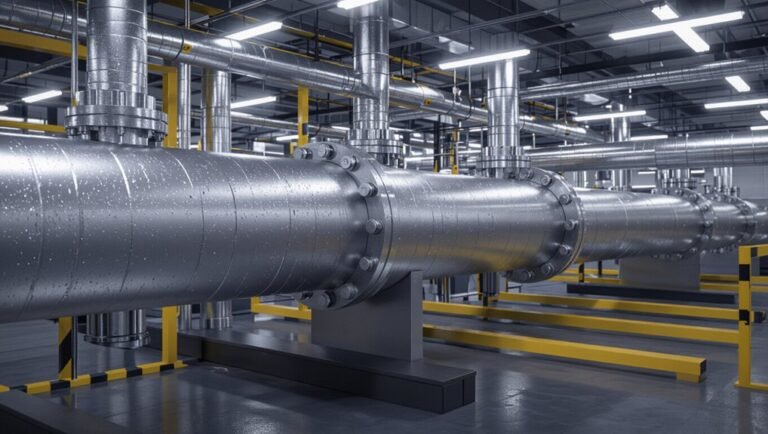
How to Turn Off the Gas Line Safely: Step-by-Step Guide for Homeowners
To safely turn off your gas line, locate the main shutoff valve at the gas meter or where the service enters your home. Use a valve key or adjustable wrench to turn the main stem a quarter turn until the flat side is perpendicular to the pipe. Ensure the area is well-ventilated, avoid any sparks, and check for leaks using a gas detector or soapy water. If you detect any smells or damage, contact your utility provider or a licensed professional immediately. Below are detailed step-by-step instructions for further guidance.
How to Turn Off the Gas Line Safely: Quick Action Steps
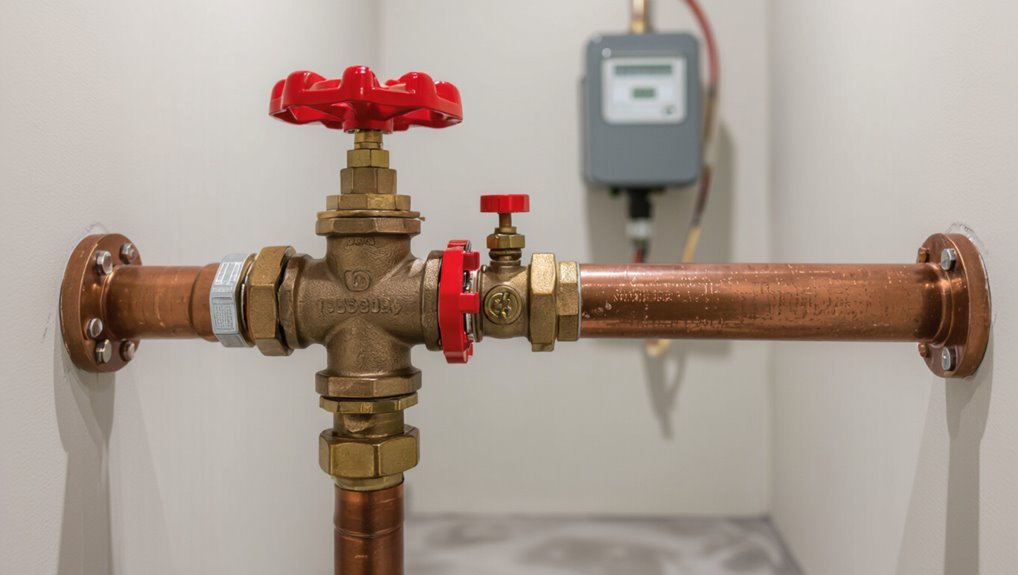
First, identify the household gas shutoff valve location and note any individual appliance valves.
Next, follow clear step-by-step instructions to turn the main valve and, if needed, shut off appliance-specific valves without forcing fittings.
If resistance, smell of gas, or uncertainty occurs, stop immediately and contact a qualified professional.
Locate the gas shutoff valve for the house
Locating the house gas shutoff valve is a critical early step: it is typically found where the gas line enters the building—often on an exterior wall, in a basement, crawlspace, or utility room—and may be near the gas meter or a regulator.
The homeowner should visually inspect entry points, follow the service line from the meter, note valve orientation and accessibility, and document location for emergency how to turn off the gas line.
Turn the main gas shutoff valve: step-by-step
Turn the main gas shutoff valve using a firm, steady motion to rotate the valve stem a quarter turn so the flat side of the valve is perpendicular to the gas pipe; this fully closes the line and isolates the house from supply.
Confirm closure visually, then listen and smell for gas. If resistance occurs, stop and call the utility.
Note valve orientation for reopening.
How to shut off individual appliance gas valves
Shut the appliance valve by rotating its handle or knob until the flow path is perpendicular to the pipe—typically a quarter turn for ball valves or fully closed for needle-type valves—and verify the off position visually.
Relieve residual pressure by briefly turning appliance controls off. Label closed valves when possible and note appliance locations.
After shutoff, ventilate the area and monitor for any lingering odor of gas.
When to stop and call a professional immediately
When should action stop and a professional be summoned immediately?
If a strong gas odor persists after shutting valves, if hissing or visible leaks continue, if pilot lights won’t relight, or if evacuation is required, cease attempts and call the gas utility or a licensed technician.
Also summon professionals for damaged lines, after seismic events, or when unsure about valve locations or procedures.
What You Need Before Turning Off the Gas
Before attempting to shut off the gas line, the reader should confirm possession of essential tools and safety equipment, such as a wrench, flashlight, and a gas detector or soapy water for leak checks.
They should also recognize clear signs of a gas leak—rotten-egg odor, hissing sounds, or visible gas pooling—before approaching the meter.
Finally, household members and pets must be informed and moved to a safe area to prevent exposure or interference during the procedure.
Tools and safety equipment checklist
A concise kit of tools and protective gear is essential to turn off a gas line safely. The homeowner should gather items that enable valve operation, basic shutoff tasks, and personal protection before approaching the meter.
- Adjustable wrench or gas valve key
- Flashlight (battery) or headlamp
- Work gloves (leather or nitrile)
- Safety glasses
- Fire extinguisher (Class B/C)
Signs of a gas leak to watch for before approaching
Signs of a gas leak should be checked from a safe distance before anyone moves toward the meter.
Look for a rotten egg or sulfur odor, hissing sounds near pipes or the meter, dead or dying vegetation over buried lines, visible gas cloud or fog, and unexplained physical symptoms like headache, nausea, dizziness.
If any appear, evacuate immediately and call emergency services.
Preparing household members and pets
How should household members and pets be prepared before approaching the gas meter to shut off service?
All people should evacuate the immediate area, gather at a predetermined safe meeting point, and avoid using electronics or open flames.
Pets must be secured in carriers or leashed and removed from the vicinity.
Designate one responsible, informed person to access the meter while others stay clear.
Understanding Your Gas System Basics
The section outlines common types of gas supply lines and meters, distinguishing between natural gas and propane connections and the materials typically used.
It also describes where main shutoff valves and appliance-level valves are usually located around the meter, near the gas service entry, or beside individual appliances.
Finally, it explains how gas meters operate and what a meter shutoff or emergency valve typically looks like for quick identification.
Types of gas supply lines and meters
Gas supply systems use a few common types of piping—such as black steel, corrugated stainless steel tubing (CSST), and polyethylene (PE)—each chosen for factors like installation environment, pressure rating, and local code.
Residential meters vary by utility; diaphragm meters for low flow, rotary or turbine meters for higher demand, and smart meters for remote reading.
Materials, joints, and labeling indicate service type.
Typical locations of main and appliance shutoff valves
Following a review of piping types and meter locations, attention shifts to where shutoff valves are typically found so occupants and technicians can quickly isolate service.
Main shutoffs usually sit near the gas meter or at the building entrance.
Appliance shutoffs are installed adjacent to each appliance—furnace, water heater, stove—with small ball or quarter-turn valves for rapid manual isolation during maintenance or emergency response.
How gas meters work and what the meter shutoff looks like
Because a meter both measures consumption and marks the boundary between utility and customer responsibility, understanding its operation helps occupants recognize normal indications and spot problems.
A gas meter records flow via diaphragm, rotary, or ultrasonic mechanisms and has a visible valve or lever at the inlet. The meter shutoff is typically a flat-sided or round handle; perpendicular position denotes closed, inline denotes open.
Detailed Step-by-Step Procedure
The procedure begins with distinguishing emergency situations from non-emergencies to determine the appropriate response.
If gas is suspected, occupants should evacuate, ventilate the area, and extinguish pilot lights and appliances following safe practices.
Guidance then covers operating the main shutoff at the meter with proper tools and technique and shutting off individual indoor appliance valves.
Step 1 Recognize an emergency vs. non-emergency
How can one tell whether a gas smell, hissing noise, or visible leak constitutes an immediate danger or a situation that can be addressed later?
Assess severity: strong rotten-egg odor, loud hissing, bubbling soil, or flame near piping indicate immediate danger.
Faint odor without sound, small appliance-only issues, or intermittent smell may be non-emergent but still require prompt inspection by a professional.
Step 2 Evacuate and ventilate if you smell gas
Immediately evacuate everyone from the area and move upwind to a safe distance, closing doors behind you to limit gas spread.
Once outside, avoid using phones or switches near the building. Do not re-enter until emergency responders declare it safe.
If possible, open windows and exterior doors from outside to ventilate, and warn neighbors of the leak without creating ignition sources.
Step 3 Turn off pilot lights and appliances safely
After evacuating and ventilating the area, attention should shift to extinguishing pilot lights and shutting down gas-powered appliances to prevent ignition from lingering gas.
Locate appliance pilot assemblies and follow manufacturer shutdown steps: turn switches to “off,” close gas valves at each appliance, and extinguish pilots with care.
Do not operate electrical switches; wait outdoors and contact a qualified technician before restoration.
Step 4 Turning the main shutoff at the meter (tools and technique)
Locate the gas meter and main shutoff, confirm a safe distance from any ignition sources, and prepare the required tools — a wrench sized for the shutoff nut, safety gloves, and a flashlight if visibility is poor.
Position oneself for steady leverage, place the wrench on the flat nut, turn clockwise a quarter to half turn until perpendicular to the pipe, then secure and inspect for leaks.
Step 5 Turning off individual appliance valves indoors
With the main shutoff at the meter secured, attention shifts indoors to each appliance’s individual gas valve.
Locate valves at burners, ovens, water heaters, furnaces, and dryers.
Using a wrench or built‑in lever, turn each valve perpendicular to the pipe to close.
Confirm by attempting to start appliances (do not ignite) and visually inspect valves for firm closed position.
Step 6 After shutdown: ventilating and monitoring
Once indoor and outdoor valves are secured, the next priority is to ventilate the area and monitor for residual gas or odors to guarantee safety before reoccupation.
Open windows and exterior doors, use fans to direct airflow outward, and avoid creating sparks.
Use a combustible gas detector or call the utility for a professional check.
Continue ventilation until sensors read safe and odors are absent.
Safety Precautions and Legal Considerations
Before and after shutting off a gas line, contact local utility or emergency services if there is any sign of a leak or if the procedure exceeds basic homeowner actions.
Reconnection often requires adherence to local regulations and permits to guarantee the system is inspected and approved.
Liability concerns mean a licensed technician should handle work that involves system repairs, re-routing, or any risk beyond simple valve closure.
When local utility or emergency services must be contacted
Recognize that certain gas-related situations exceed homeowner capabilities and require immediate notification of local utility companies or emergency services.
Incidents warranting contact include a strong smell of gas, audible hissing from a meter or line, visible damage after excavation, or any unexplained appliance malfunctions accompanied by dizziness or nausea.
Provide exact location, shutoff actions taken, and follow dispatcher instructions while evacuating and keeping others clear.
Regulations and permitting for gas reconnection
How should homeowners approach gas reconnection while ensuring compliance and safety?
Homeowners should verify local codes, obtain required permits, and follow utility company procedures before restoring service.
Inspections and pressure tests often must be scheduled and passed.
Documentation of approvals should be retained.
Failure to comply can delay reconnection and create hazards; always confirm regulatory steps with the authority having jurisdiction.
Liability and when a licensed technician is required
When gas work involves system modifications, reconnection after shutoff, or any action beyond simple appliance shutoff, homeowners can face significant legal and financial liability if unqualified individuals perform the tasks.
Consequently, many jurisdictions and utilities require a licensed technician to carry out or certify such work to guarantee compliance with codes, proper testing, and insurance validity.
Liability includes fines, voided insurance, and civil exposure; hire certified pros.
Common Problems and How to Avoid Them
Common problems when shutting off a gas line include stiff or seized shutoff valves, common homeowner mistakes, and the challenge of confirming a complete shutdown.
The text will outline temporary fixes and the risks they carry, identify frequent procedural errors to avoid, and describe safe methods for testing for residual leaks after shutdown.
Readers will be guided toward practical steps that minimize danger and the need for emergency repairs.
Stiff or seized shutoff valves: temporary fixes and risks
A stiff or seized shutoff valve can prevent a quick gas isolation and complicate emergency or routine work. Temporary fixes include applying penetrating oil, gentle tapping, and using an adjustable wrench with steady pressure.
These actions may restore movement briefly but risk damaging valve stems or causing leaks. A seized valve often requires a licensed technician for safe replacement to guarantee long-term integrity.
Mistakes homeowners make when shutting off gas
Misidentifying the correct shutoff, using excessive force, or turning off gas without informing household members are frequent errors that compromise safety and delay repairs.
Common mistakes include ignoring valve condition, not notifying occupants, forcing seized valves, using wrong tools, and failing to secure utilities.
Avoid these by confirming valve identity, using proper tools, communicating with household members, and calling a pro when uncertain.
- Ignoring valve labels
- Not notifying occupants
- Forcing seized valves
- Using improper tools
- Skipping professional help
How to test for residual leaks safely after shutdown
After shutting off the main, verifying there are no remaining leaks is the next step to guarantee safety and prevent gas buildup.
Inspect joints and appliances visually and by smell, then apply a detergent solution to fittings; bubbles indicate leaks.
Use a calibrated gas detector for confirmation.
If any leak is suspected, ventilate, avoid sparks, and call a licensed professional before restoring service.
Reconnecting Gas: Safe Steps and Who Should Do It
Guidance clarifies when a homeowner may safely reopen a residential gas valve after minor work versus when professional reactivation is required.
It outlines the typical steps a certified gas technician follows to restore service, including leak tests, appliance inspections, and meter re-commissioning.
It also summarizes mandatory inspections and safety checks that must be completed before gas is turned back on.
When you can safely turn the gas back on yourself
When is it acceptable for a homeowner to relight a gas supply after it has been shut off?
A homeowner may relight appliances if the shutoff was local, no smell or leak is present, appliances are intact, and the owner follows manufacturer lighting procedures.
If uncertainty, physical damage, repaired piping, or persistent odor exists, the homeowner must not attempt reconnection and should contact a licensed professional.
How a professional gas technician restores service
A licensed gas technician follows a systematic procedure to restore service, combining safety checks, pressure tests, and appliance inspections before reintroducing gas into the system.
They confirm leak-free piping, verify regulator and meter integrity, purge lines where required, relight and test appliances, and document work.
Homeowners are advised to hire certified professionals for reconnection to guarantee compliance and reduce risk.
Required inspections and safety checks before reactivation
Following the technician’s checks and appliance relighting, a defined sequence of inspections and safety checks must be completed before gas reactivation can occur.
Inspectors verify leak-free connections, pressure stability, functional shutoff valves, ventilation and combustion air, and correct appliance combustion.
Meter seals are checked and documentation completed.
Only after all items pass and utility authorization is granted may service be restored.
Tools, Products, and Replacement Parts
The section outlines essential tools and products for shutting off and maintaining gas valves, including wrenches, leak detectors, and thread sealants.
It summarizes common shutoff valve types and fittings, noting their typical uses and compatibility.
Guidance is provided on signs that indicate a valve needs replacement and criteria for selecting an appropriate replacement.
Recommended tools for shutting off and maintaining valves
Select tools that prioritize safety, fit, and durability when shutting off and maintaining gas valves.
Essential tools and parts reduce leaks and damage, enable smooth operation, and support safe inspections.
- Adjustable wrench (proper size, non-sparking if needed)
- Valve key or T-handle
- Pipe thread sealant approved for gas
- Leak detection spray or soapy solution
- Replacement washer and packing materials
Types of shutoff valves and fittings explained
Understanding shutoff valve types and common fittings helps users choose the right components for safety and compatibility when working on gas lines. Common valve types include ball, gate, and needle valves; fittings include unions, couplings, and adapters. Selection depends on pressure, material, and joint type.
| Component | Typical use |
|---|---|
| Ball valve | Quick shutoff |
| Gate valve | Full flow |
| Needle valve | Fine control |
| Union | Easily disconnectable |
| Coupling | Permanent join |
When to replace a valve and how to choose a replacement
Signs of wear or malfunction—persistent leaks, stiff operation, visible corrosion, or failure to fully open or close—indicate when a gas-line valve needs replacement.
Choose a replacement matching pipe material, size, pressure rating, and certification (CSA, ANSI, or local code). Prefer brass or stainless steel, quarter-turn ball valves for reliability.
Hire a licensed professional for installation and pressure testing to guarantee safety and code compliance.
Prevention and Maintenance Tips
Routine checks can identify leaks, corrosion, and valve issues before they require an emergency shutoff.
Proper winterizing of outdoor pipes and meters, including insulation and heat tape where appropriate, helps prevent freezing and meter damage.
Regular professional inspections and scheduled maintenance guarantee safe operation and timely replacement of worn components.
Routine checks to prevent emergency shutoffs
Regular inspections of gas lines and connected appliances can markedly reduce the likelihood of emergency shutoffs by catching leaks, corrosion, and loose fittings early; a concise checklist should include visual checks for rust or damage, smell tests for mercaptan odor, listening for hissing sounds, verifying proper ventilation around gas appliances, and ensuring shutoff valves operate smoothly.
- Check visible pipes and fittings for corrosion
- Sniff for unusual odors
- Listen for escaping gas
- Confirm appliance ventilation
- Operate and lubricate shutoff valves periodically
How to winterize gas lines and protect meters
As temperatures drop, preparing gas lines and meters for winter reduces freeze-related damage and service interruptions.
Homeowners should insulate exposed pipes with foam sleeves or heat tape rated for gas lines, seal gaps around meter bases to block drafts, remove nearby debris, and guarantee meters remain accessible.
Temporary wind barriers can help, but avoid covering vents or obstructing emergency access.
Scheduling professional inspections and maintenance
Schedule professional inspections and maintenance before cold weather arrives to identify leaks, corrosion, and faulty components that homeowners may miss.
Licensed technicians should test pressure, inspect joints, check shutoff valves, and assess appliances.
Establish annual or biannual service intervals, keep records, and address recommended repairs promptly.
Professional certification guarantees code compliance, reduces emergency risk, and prolongs system lifespan.
Real-Life Scenarios and Decision Guides
The article presents clear decision guides for three common emergencies: detecting a gas odor indoors, discovering gas-line damage during renovations, and evaluating gas safety after a natural disaster.
For each scenario, it outlines immediate actions, when to shut off the gas, and when to contact professionals or evacuate.
The guidance prioritizes occupant safety, preserving evidence for responders, and restoring service only after qualified inspection.
Scenario: Smell of gas inside the home exact actions
A sudden scent of gas inside a residence demands immediate, decisive action to protect occupants and property.
Occupants should evacuate immediately, avoiding switches, phones, or open flames.
From outside, call emergency services and the gas company.
If trained and safe, shut the main gas valve using a wrench.
Do not re-enter until professionals declare the area safe.
Scenario: Gas line damaged during home renovation
When a renovation punctures or severs a gas line, immediate containment and professional assessment become the priority; unlike noticing a smell, physical damage often produces audible hissing, visible fittings failure, or a sudden loss of pressure in appliances.
Evacuate occupants, shut main gas at the meter if safe, avoid ignition sources, ventilate if possible, contact the gas utility and an emergency-qualified plumber for secure repair and pressure testing.
Scenario: After a natural disaster gas safety checklist
After a significant earthquake, flood, wildfire, or storm, occupants should follow a focused gas-safety checklist before re-entering or using gas appliances:
- inspect for strong gas odor,
- listen for hissing,
- check appliance pilot lights,
- examine visible pipes for damage,
- shut off gas if suspected,
- ventilate enclosed spaces,
- avoid electrical switches,
- evacuate if leak confirmed, and
- contact utility professionals for inspection and safe restoration before resuming use.
Additional Resources and Emergency Contacts
The section lists who to call in a gas emergency, including the utility, emergency services, and licensed professionals.
It also points to authoritative reference documents and regulatory sources for local requirements.
Recommended online tutorials and videos are provided for visual guidance on safe shutdown procedures.
Who to call: utility, emergency services, and licensed pros
A small set of contacts should be kept readily available: the local gas utility’s emergency line, municipal emergency services, and licensed plumbing or gas-fit contractors.
- Gas utility emergency number for immediate leaks
- 911 or local emergency dispatch for hazards
- Licensed gas fitter for repairs and inspections
- Certified plumber for shutoff and appliance work
- Local building department for permit and safety guidance
Useful reference documents and regulatory sources
Reference materials and regulatory sources provide essential guidance on safe gas-line shutdowns, offering standards, legal requirements, and step-by-step procedures that homeowners and professionals can rely on.
- Local utility safety manuals and shutdown procedures
- National gas codes and standards (e.g., ANSI, ISO)
- State regulatory commission guidance
- Manufacturer valve installation and maintenance documents
- Emergency response protocols and contact lists
Recommended online tutorials and videos
Where can reliable guidance be found online for safely shutting off a gas line?
Trusted tutorials and videos from utilities, manufacturers, and emergency responders demonstrate proper technique, tools, and safety checks.
Viewers should verify credentials and cross-check with local codes.
Recommended sources include:
- Utility company instructional videos
- Manufacturer shutdown guides
- Fire department tutorials
- Certified plumber demonstrations
- Government safety channels
Conclusion
Homeowners who learn to shut off a gas line can markedly reduce household risk and respond effectively in emergencies. Studies show that roughly 40% of residential gas-related incidents involve delayed or improper shutdowns, underscoring the value of prompt, informed action. By combining basic knowledge, the right tools, and adherence to safety and legal guidelines, individuals can prevent escalation, protect occupants, and support first responders until professional technicians arrive to restore service.