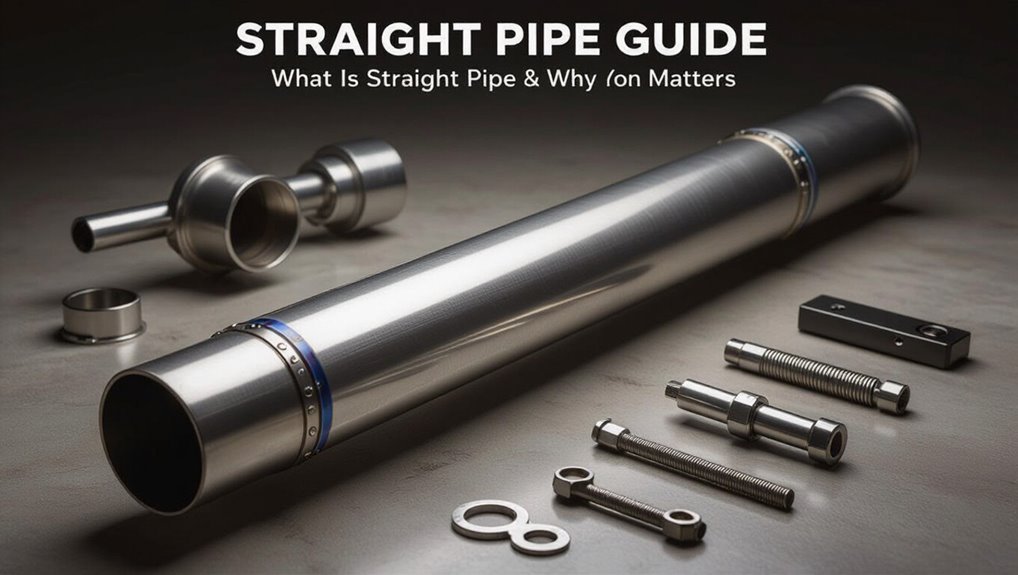
Straight Pipe Guide: What Is Straight Pipe & Why It Matters
A straight pipe is an exhaust system that eliminates catalytic converters, resonators, and mufflers, creating a direct route for exhaust gases. This setup reduces backpressure and can enhance peak power at high RPMs, but it often sacrifices low-end torque and drivability without proper tuning. The result is a louder, more aggressive sound, potential drone, increased component temperatures, and possible legal or emissions issues. Straight pipes are best suited for track or purpose-built vehicles rather than everyday driving. The following sections will detail the trade-offs, safety considerations, and alternative options.
What Is a Straight Pipe : and Should You Do It?
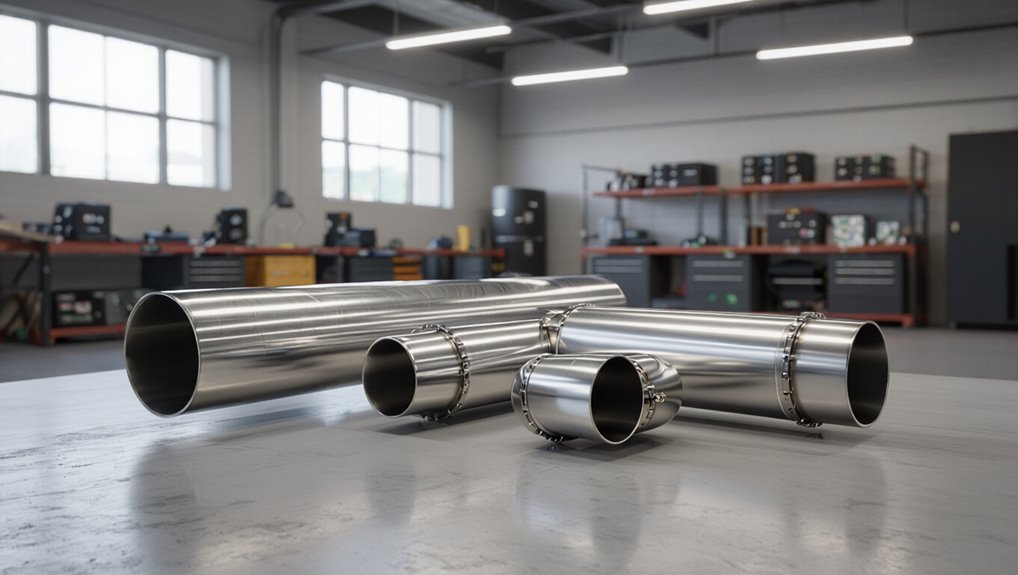
In automotive terms, a straight pipe is an exhaust system that removes catalytic converters, mufflers, and other restrictions so exhaust gases flow unimpeded from the engine to the tailpipe.
Enthusiasts value the increased flow for potential horsepower gains and a louder, raw sound.
Downsides include legal and environmental consequences, potential engine tuning issues, and loss of emissions controls.
Practical considerations are vehicle use, local laws, noise ordinances, and resale impact.
Professional installation and proper tuning can mitigate damage but do not resolve legality.
The decision balances performance desires against compliance, environmental responsibility, and long-term vehicle health.
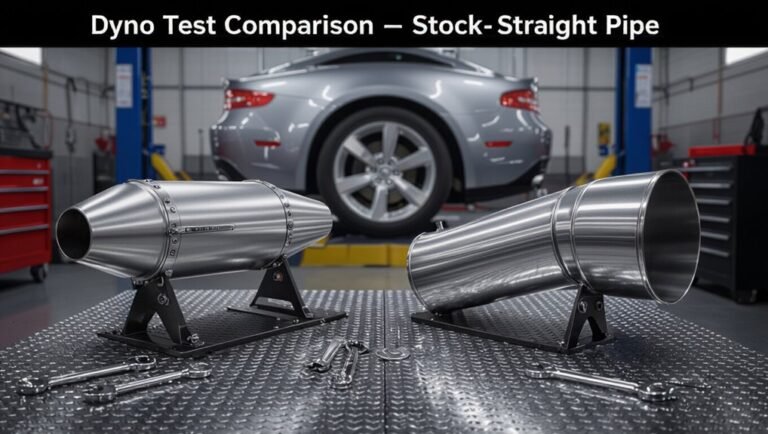
Straight Pipe vs Stock & Performance Exhausts
Having weighed the trade-offs of removing emissions controls and muffling hardware, the comparison shifts to how a straight pipe stacks up against stock and aftermarket performance exhausts.
A straight pipe maximizes flow by eliminating restrictions, often increasing peak horsepower at the expense of low-end torque and drivability refinement. Stock systems prioritize noise suppression, emissions compliance, and consistent torque curves.
Performance exhausts aim for balance: freer flow than stock, engineered backpressure, tuned scavenging, and manageable cabin noise. Cost, legality, and intended use determine suitability: racing or track-focused builds may favor straight pipes, while street use typically benefits from tuned performance or stock systems.
Quick Pros and Cons of Straight-Piping
Straight-piping can yield measurable performance gains by reducing exhaust backpressure, but those benefits often come with a significant increase in noise.
These louder outputs may violate local sound ordinances and can make vehicles more conspicuous in traffic.
Additionally, removing emissions equipment trades legal compliance and pollution control for simplified flow, creating regulatory and environmental risks.
Performance Gains vs Noise
Why trade quieter operation for a few extra horsepower? The discussion weighs measurable gains against increased sound levels.
Straight-piping can reduce backpressure, improving throttle response and peak power in some engines, especially high-revving or heavily modified ones. However, gains are often modest without complementary tuning; dyno validation is recommended.
Noise increases are immediate and subjective: louder intake and exhaust tones, rasp, and cabin intrusion may appeal to enthusiasts but annoy daily drivers and neighbors.
Maintenance and component stress can rise with altered pressure pulses. Owners should balance realistic performance expectations with noise tolerance and planned vehicle use.
Legal And Emissions Tradeoffs
How does removing catalytic converters and mufflers affect legality and emissions? Removal typically violates emissions laws and noise ordinances, increasing pollutants like NOx, CO, and hydrocarbons while raising decibel levels. Legal risk includes fines, failed inspections, and voided warranties.
Environmental impact harms air quality and may contravene federal or local regulations. Users weigh perceived performance gains against compliance and public health costs. Consider alternatives such as high-flow catalytic converters or performance mufflers to balance goals.
- Pros: potential minor horsepower gains and reduced backpressure.
- Cons: illegal in many areas, higher emissions, louder exhaust.
- Mitigation: compliant performance parts.
What Actually Changes When You Remove Mufflers & Cats
Removing mufflers and catalytic converters alters backpressure and scavenging, which can change power and torque characteristics across the rev range.
It also increases exhaust pollutants and noise, raising emissions compliance and legal concerns in many jurisdictions.
The trade-offs between modest performance shifts and regulatory risk should be weighed before modifying the exhaust.
Power And Torque Effects
When mufflers and catalytic converters are taken out of an exhaust system, the engine’s airflow dynamics and backpressure change, which can alter torque and horsepower across the rev range. Effects depend on engine design, cam timing, and intake tuning. Low-end torque often drops if backpressure falls too much, while peak horsepower can rise with improved scavenging at high rpm. Fuel trim and ignition timing may shift, requiring tuning to realize gains. Reliability and heat management also influence outcomes.
- Possible high-rpm horsepower increase with better exhaust flow
- Reduced low-rpm torque without proper tuning
- Need for ECU or fuel/ignition adjustments
Emissions And Legal Issues
What changes in emissions and legality after mufflers and catalytic converters are taken out depends on chemistry, sensor feedback, and local regulation.
Removing catalytic converters eliminates the primary means of converting CO, NOx, and hydrocarbons into less harmful gases, raising pollutant output markedly. Oxygen sensors and engine control systems may run rich or trigger error codes, altering performance and emissions further.
Muffler removal mainly increases noise and can slightly affect backpressure, with negligible direct emissions change.
Legally, tampering with emissions controls and noise limits is prohibited in many jurisdictions, risking fines, failed inspections, and vehicle impoundment.
Noise Levels: What to Expect From a Straight Pipe
How loud will a straight pipe be compared with a stock exhaust? A straight pipe typically increases volume and changes tone: fewer baffles mean louder, crisper sound with prominent rasp or growl. Perceived loudness depends on engine size, tuning, headers, and pipe diameter.
Expect stronger drones at cruising RPMs and pronounced spikes during acceleration. Noise can be subjective; nearby observers and enforcement thresholds matter.
- Increased decibel peaks and harsher midrange drone
- Varied loudness based on engine load, RPM, and piping layout
- Noticeable tonal shift toward raw, unfiltered exhaust character
How to Make a Loud Exhaust Meet Local Noise & Emissions Rules
Often overlooked, compliance with local noise and emissions rules requires balancing desired sound levels with legal limits and vehicle performance.
Vehicle owners can install adjustable mufflers, resonators, or mid-pipes to reduce decibel output while retaining tone. Use catalytic converter-friendly setups or high-flow catalytic converters to maintain emissions control. Periodic sound checks and professional tuning assure exhaust tuning does not trigger sensors or exceed local thresholds.
Removable baffles or switchable valves provide flexibility between loud and compliant modes. Documentation of parts and testing helps during inspections. Consulting local regulations before modifications prevents fines and assures legal operation.
Emissions and Legal Risks of Straight-Piping
Straight-piping frequently raises significant emissions and legal concerns because it typically removes catalytic converters and other emissions-control devices, leading to higher outputs of hydrocarbons, carbon monoxide, and nitrogen oxides that violate vehicle emissions standards.
Authorities may impose fines, require repairs, or fail inspections; aftermarket exhausts without certifications can void warranties and complicate resale. Compliance varies by jurisdiction, with some areas enforcing strict tampering laws and others focusing on noise enforcement. Owners face potential civil liability if emissions contribute to local air quality violations.
- Regulatory penalties: fines, impoundment, failed inspections
- Warranty and resale impacts
- Jurisdictional variation in enforcement
Safety Risks: Heat, Fumes, and Backpressure Changes
Straight-piping can raise exhaust temperatures, increasing the risk of heat damage to nearby components and surfaces.
It also permits greater release of toxic fumes, which may endanger occupants and bystanders if not vented properly.
Changes in backpressure from removing mufflers can alter engine performance and cooling, with potential long-term mechanical consequences.
Increased Exhaust Heat
Removing mufflers and catalytic converters raises exhaust temperatures and alters heat distribution under a vehicle, increasing the risk of burns, heat damage to nearby components, and elevated cabin or engine bay temperatures.
The removal shortens gas flow paths and reduces backpressure that otherwise moderates heat retention, causing hotter, faster-moving exhaust to contact heat shields, wiring, fuel lines, and plastic trim.
Persistent elevated temperatures accelerate material degradation, increase fire risk near combustible debris, and can impair sensors or hoses.
Routine inspection and additional shielding become more critical when straight piping is used to mitigate concentrated heat exposure.
- Inspect heat-sensitive components regularly
- Install or reinforce heat shielding
- Maintain clearances from combustible materials
Toxic Fume Exposure
Exposing occupants and nearby workers to concentrated exhaust gases becomes more likely when mufflers and catalytic converters are removed, because those components normally reduce and disperse toxic emissions; without them, higher-speed exhaust can carry greater quantities of carbon monoxide, hydrocarbons, and nitrogen oxides into vehicle cabins, service bays, and ventilation intakes.
Concentrated fumes increase acute poisoning risk, impairing cognition and causing headaches, nausea, or worse. Service personnel and bystanders face elevated chronic exposure if ventilation is inadequate.
Monitoring, enforced no-idle policies, and proper personal protective equipment reduce risk. Vehicles should undergo emissions controls testing and avoid enclosed-space operation when straight-piped.
Altered Backpressure Effects
By changing the exhaust’s flow dynamics, straight pipe systems alter backpressure and create a cascade of heat and fume-related hazards that can compromise engine components and occupant safety. Reduced backpressure can upset scavenging, causing hotter exhaust pulses and higher manifold temperatures that stress valves, gaskets, and turbochargers.
Increased heat raises cabin intrusion risk and can degrade nearby wiring or fuel lines. Altered flow may also redirect fumes toward leaks or ventilation intakes, raising inhalation and corrosion concerns. Owners and technicians must weigh performance gains against these mechanical and safety trade-offs.
- Elevated manifold and component temperatures
- Increased cabin fume intrusion risk
- Accelerated wear on valves and seals
When Straight-Pipe Setups Reduce Engine Performance
In certain operating conditions, a straight-pipe setup can lower an engine’s power instead of increasing it. Reduced scavenging at low rpm, mismatched exhaust velocity, and loss of tuned backpressure cause torque dips and poorer drivability. Engines reliant on exhaust pulse timing or with restrictive intake designs often suffer; forced-induction systems can face elevated turbine backpressure. Careful dyno tuning, correct pipe diameter, and collector design mitigate losses. The table highlights common causes, affected engine areas, and mitigation strategies.
| Cause | Affected Area | Mitigation |
|---|---|---|
| Low-rpm scavenging loss | Torque curve | Resonators, smaller diameter |
| Excessive diameter | Exhaust velocity | Tuned length |
| Pulse timing mismatch | Powerband | Header redesign |
Cars and Use Cases Best (and Worst) for Straight Pipe
For certain vehicles and driving goals, a straight-pipe exhaust is an appropriate modification; for others it degrades performance, compliance, or comfort. Track-focused cars with high-flow headers and tuned ECUs can gain reduced backpressure and a raw soundtrack, while older carbureted or turbocharged street cars often lose low-end torque or turbo spool. Daily drivers suffer noise, legal risk, and reduced refinement. Enthusiasts should weigh planned use, emissions rules, and neighborhood tolerance before modifying.
- Best: purpose-built race cars and some high-RPM naturally aspirated engines
- Borderline: show cars used occasionally on streets
- Worst: daily commuters, turbocharged street vehicles, and emission-controlled cars
Straight-Pipe Costs: Parts, Labor, and Long-Term Expenses
The section outlines the typical parts and materials required for a straight-pipe conversion, from tubing and flanges to clamps and hardware.
It then summarizes typical installation labor costs, noting variation by vehicle and shop rates.
Finally, it addresses long-term maintenance expenses such as corrosion, repairs, and potential regulatory fines.
Parts And Materials
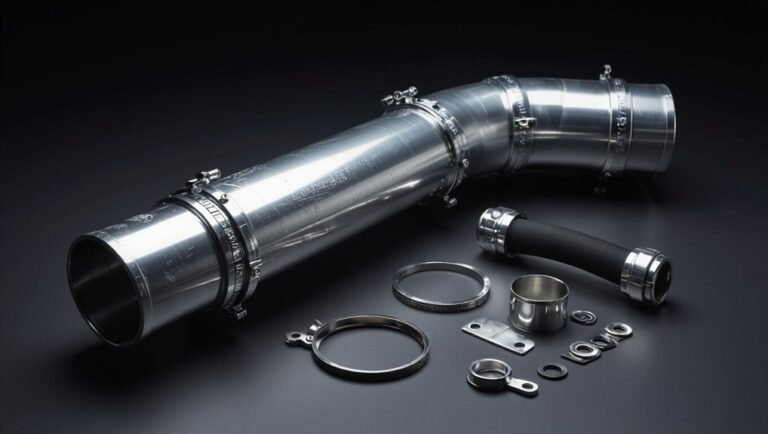
How much does a straight-pipe conversion actually cost once parts and materials are accounted for? The breakdown centers on components selected and their quality: tubing diameter and thickness, flange and hanger hardware, and any required gaskets or clamps. Stainless steel raises price but improves longevity; mild steel is cheaper yet corrodes faster. Catalytic components removed or replaced affect parts lists. Specialty bends or custom mandrel bends increase expense. Budgeting should include contingency for replacement fasteners and seals. Comparison shopping and sourcing used sections can lower upfront spend but may trade off durability.
- Tubing (material, OD, wall thickness)
- Flanges, hangers, clamps
- Gaskets, seals, replacement hardware
Installation Labor Costs
Moving from parts and materials to labor, installation costs depend largely on complexity of the chosen components and shop rates.
Technicians charge hourly or flat fees; hourly work varies by region, skill level, and facility overhead.
Simple bolt-on straight-pipe swaps can take one to three hours, while custom-fit systems with welding, hangers, or catalytic converter removal increase time and expense.
Diagnostic checks, exhaust routing, and exhaust heat shielding add labor.
Labor estimates should itemize hours, rates, and required procedures to compare shops.
Written quotes reduce surprises and help owners weigh professional installation versus DIY capability and risk.
Long-Term Maintenance
Frequently, long-term maintenance for a straight-pipe system centers on corrosion control, hardware wear, and periodic inspections to guarantee safe operation and acceptable performance. Owners should budget for parts replacement, seal and clamp renewal, and occasional welding to address rust and fatigue.
Labor for inspections and repairs accumulates over years, especially in harsh climates or salty roads. Preventive maintenance reduces emergency costs but requires scheduled downtime and skilled technicians.
Documentation of service intervals and condition assessments extends component life and helps forecast expenses.
- Replace corroded sections, clamps, and gaskets
- Schedule annual inspections and cleaning
- Track labor hours and parts lifecycle
Choosing Pipe Diameter and Material for Your Straight-Pipe Build
Which pipe diameter and material best balance flow, sound, and durability depends on the engine, planned use, and local regulations. Choice begins with diameter: larger pipes reduce backpressure and favor top-end power but can lose low-end torque and thin the tone; smaller pipes preserve midrange response and reinforce a deeper exhaust note.
Material selection affects corrosion resistance, cost, and heat management: aluminized steel is economical yet less durable, stainless steel resists rust and lasts longer, and titanium is lightweight with distinct timbre but costly. Proper matching of diameter and material aligns performance goals, longevity, and legal constraints.
Basic Straight-Pipe Installation Steps
Before beginning work on a straight-pipe installation, the vehicle should be secured on level ground and cooled completely to prevent burns and guarantee accurate fitting.
The installer removes the old exhaust, checks flange alignments, and measures clearances to avoid contact with chassis or heat-sensitive components.
Pipes are test-fitted, trimmed for precise length, and clamped or welded following local regulations.
Final positioning guarantees proper hangar placement and resonance control.
A leak check is performed with the engine briefly run at idle to verify seals.
- Confirm flange alignment and gasket condition
- Test-fit and adjust pipe lengths
- Secure hangars and verify clearances
Maintenance & Inspection Checklist for Straight-Piped Cars
After installation and a successful leak check, regular maintenance and inspection guarantee a straight-piped system remains safe and reliable. Visual inspections look for cracks, rust, and loose brackets. Fastener torque and hanger integrity prevent sagging. Check for vibration or unusual resonance during varied RPMs. Inspect connection seals and replace gaskets as needed. Monitor nearby heat shielding and wiring for heat damage. Record findings and corrective actions.
| Item inspected | Action required |
|---|---|
| Pipes & joints | Visual check, tighten, weld or replace |
| Hangers & brackets | Replace worn or broken parts |
| Resonance/vibration | Diagnose mounts, add dampers |
| Heat impact | Protect wiring, shield panels |
Exhaust Alternatives That Deliver Loud Sound With Fewer Downsides
Explore alternatives that reproduce an aggressive exhaust note while reducing legal, comfort, and durability trade-offs associated with straight-piping.
Tuned cat-back systems, resonator deletes with chambered mufflers, and adjustable electronic valves offer loudness without removing emissions gear or causing constant drone.
Each option balances sound, backpressure, and compliance differently; choice depends on vehicle, local laws, and planned use.
Professional dyno tuning and legal research further optimize performance and avoid fines.
Consider heat shielding and corrosion-resistant materials to limit wear.
Expected sound can be previewed on many shop recordings before committing to a permanent modification.
- Cat-back systems
- Chambered mufflers with resonator deletes
- Valved exhausts
Final Checklist: Is Straight Piping the Right Choice for You?
When weighing straight piping, the prospective modifier should run through a concise checklist covering legal compliance, daily comfort, performance goals, and long-term costs to determine whether the louder, simpler exhaust aligns with their priorities and risk tolerance. Consider noise limits, inspection laws, insurance implications, and neighborhood impact. Assess driving habits, planned use (track vs. street), and whether marginal power gains justify sacrifices in comfort and emissions. Evaluate budget for installation, maintenance, and potential fines. Use a simple decision matrix to rank trade-offs before committing.
| Factor | Benefit | Risk |
|---|---|---|
| Noise | Simplicity | Legal trouble |
| Power | Slight gain | Fuel inefficiency |
| Cost | Low parts | Fines/repairs |
Conclusion
The car exhales like a freed beast, throat bared and echo trailing down empty streets. Choosing straight pipe is a deliberate unmasking — raw tone, sharper throttle breaths, and a tumble of rumble in the chest. Yet that exposed voice brings legal shadows, heat, and constant vigilance. Prospective owners weigh the spectacle against the cost; in the end, the decision rests between the lust for sound and the patience for its consequences.