How to Eliminate Air in Water Pipes Fast: Easy DIY Fixes
To quickly eliminate air in water pipes, follow these steps:
- Open the highest and lowest faucets in your home to create a purge path.
- Run the water until the sputtering stops and the flow becomes steady.
- For faster results, start with exterior spigots and top-floor taps, then move to basement fixtures, closing the faucets from lowest to highest.
- If you need to isolate the main, shut it off, open all cold taps to drain, and then slowly repressurize the system.
- Repeat this process after making any valve adjustments and inspect for leaks.
Key Takeaway: Open faucets from highest to lowest to purge air quickly, and ensure to address any leaks after repressurizing.
Fast Answer: Remove Air From Water Pipes
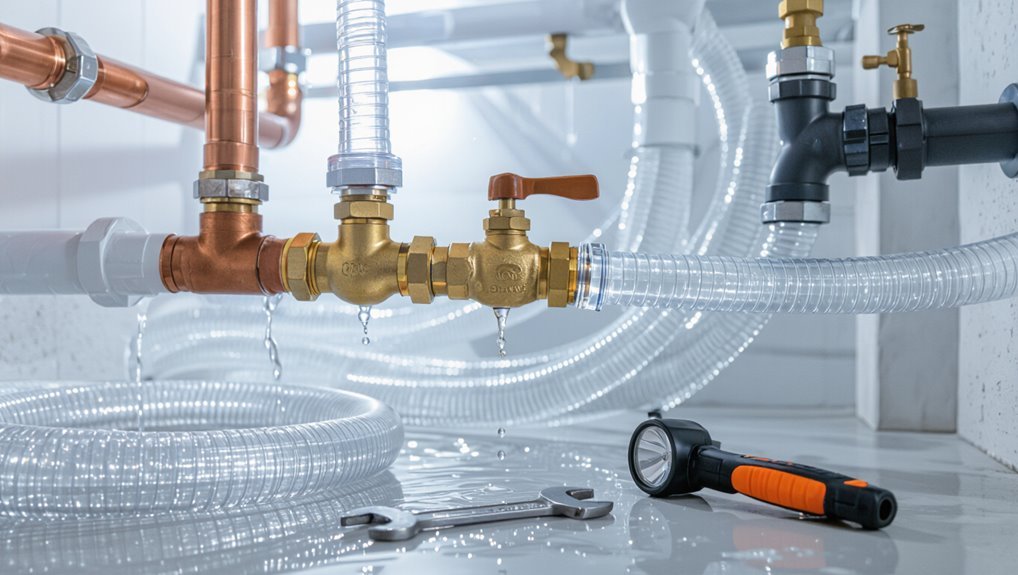
Fast Answer: To remove trapped air from water pipes, open the highest and lowest faucets in the system, allow the water to run until steady, air-free flow is achieved, then close faucets starting from the lowest to the highest.
A systematic bleed clears pockets without tools: start at the main, open exterior spigots and attic or top-floor taps, then open basement or ground-level taps.
Monitor for sputtering; once flow is constant and free of air noise, sequentially shut lower then upper outlets to prevent reintroduction.
Repeat if necessary after valve adjustments or pressure changes.
Professional help is advisable for persistent problems.
Quick Signs You Have Air in Water Pipes
Audible banging or knocking in the pipes often indicates trapped air striking pipe walls or fittings.
Sudden surges, sputtering, or inconsistent pressure at taps signal irregular water flow caused by air pockets.
Together these symptoms provide quick, observable clues that air has entered the plumbing system.
Banging Or Knocking Noises
A sudden banging or persistent knocking in a home’s plumbing signals trapped air moving through pipes or striking shut valves. Such noises often occur when air pockets shift velocity or compress against pipe fittings and appliances.
They may appear during sudden valve closures, rapid changes in pressure, or when air collects near high points in the system. Consistent knocking can indicate recurring air entry or inadequate venting and risks loosening connections.
Identifying affected fixtures and timing helps locate the problem. Simple remedies include bleeding lines, checking for loose straps, and ensuring proper pressure settings before pursuing more complex repairs.
Irregular Water Flow
After banging or knocking noises draw attention to trapped air, homeowners may also notice irregular water flow—sporadic spurts, sputtering at taps, or uneven pressure between fixtures—which signals air pockets forcing water to surge or break into intermittent streams.
This condition often appears when starting appliances or opening distant faucets, revealing trapped compressible pockets that compress and release. Observing whether multiple fixtures fluctuate or only one helps locate the affected branch.
Simple remedies include bleeding lines by opening faucets fully, running the main water supply briefly, or using outdoor hose bibs to flush sections. Persistent or recurring irregularity warrants professional inspection for trapped air or system issues.
Why Air Gets Trapped in Plumbing Systems
Air becomes trapped in plumbing systems when pressure changes, flow disruptions, or improper installation create pockets where water cannot displace air.
Air enters during initial system filling, after repairs, or when mains lose pressure, allowing gas to migrate into pipes. Sharp bends, high points, and poorly pitched runs form natural collection zones.
Faulty valves, worn seals, or loose pipe fittings admit air under negative pressure.
Thermal expansion can liberate dissolved gases from water, which then collect as bubbles.
Intermittent flow and partially closed fixtures prevent purging, so air accumulates until removed by venting, bleeding, or restored continuous flow.
When to Call a Plumber : Quick Signs
A sudden drop in water pressure or sharp fluctuations in flow can indicate trapped air interfering with system performance.
Likewise, persistent banging, gurgling, or other unusual noises in pipes often signal air pockets that simple bleeding may not resolve. These signs warrant contacting a plumber to diagnose and safely correct the underlying issue.
Sudden Pressure Drops
When water pressure suddenly falls without prior warning, it often signals a problem beyond routine maintenance. A rapid drop can indicate a major leak, a failed pressure regulator, or a blocked main line.
Homeowners should check multiple fixtures; localized loss suggests a valve or fixture issue, while whole-house reduction points to mains or equipment failure. If brief flushing or bleeding air does not restore consistent pressure, professional assessment is warranted.
A plumber can perform pressure tests, inspect hidden leaks, and evaluate backflow devices or municipal supply problems. Prompt intervention prevents water damage and restores reliable service.
Persistent Noisy Pipes
Frequently, persistent noises in water pipes indicate issues that need professional attention rather than DIY fixes. A homeowner can note banging, whistling, or continuous vibration; these often signal loose straps, water hammer, air pockets, or failing valves. Prompt assessment prevents damage and detects hidden leaks or pressure problems. If noises persist after basic checks (bleeding faucets, securing pipes), a licensed plumber should inspect the system, examine pressure regulators, and test for trapped air or worn components. Quick recognition of these signs reduces repair scope and cost.
| Noise Type | Likely Cause |
|---|---|
| Banging | Water hammer |
| Whistle | Valve or regulator issue |
Safety Steps Before You Start Bleeding Pipes
Before any bleeding begins, the homeowner should isolate the affected section by shutting off the main water supply and relieving system pressure to prevent sudden sprays or flooding.
They should locate and close appropriate valves, then open a nearby faucet to drain residual water.
Electrical safety must be considered: turn off nearby appliances and make certain switches and outlets remain dry.
Wear eye protection and gloves to avoid injury from debris or hot water.
Place buckets and towels to catch runoff and protect floors.
Keep children and pets away.
Finally, verify that emergency shutoffs and contact numbers are accessible before proceeding.
Tools for Bleeding Air From Pipes
A brief inventory helps identify the tools needed to remove trapped air from plumbing.
Basic hand tools—wrenches, screwdrivers, hose clamps and a bucket—cover most household jobs.
For larger or stubborn systems, optional power equipment such as a wet/dry vacuum or a pump can speed the process.
Essential Hand Tools
Essential hand tools for bleeding air from water pipes include a few reliable items that make the process quick and safe: adjustable wrench, flathead screwdriver, hose and hose clamp, bucket or tray, and adjustable pliers.
A flashlight and work gloves improve visibility and protection. A rag or small towel helps contain drips. A pressure gauge assists in confirming system stabilization after bleeding. Thread seal tape guarantees quick, leak-free reconnections when fittings are loosened. Compact, corrosion-resistant tools reduce damage to valves and fittings.
These items enable controlled release of trapped air, minimizing spills and preventing unnecessary system stress.
Optional Power Equipment
After listing hand tools that handle most air-bleeding tasks, attention can shift to optional powered equipment that speeds work and reduces manual effort. Powered options suit larger systems or frequent maintenance, offering faster depressurization and less fatigue. Safety and correct fittings remain essential; misuse risks leaks or damage.
Typical choices include:
- Electric air compressor: provides controlled pressure for flushing lines, requires regulator and inline filter.
- Battery-powered pump: portable solution for moving water and forcing trapped air toward drains.
- Wet/dry shop vac: extracts air pockets and drains, useful for sinks and short runs.
Select equipment by system size and user skill.
Find the Noisy or Sputtering Fixture
Listen for hissing, knocking, or sputtering sounds at fixtures to pinpoint where air is trapped in the plumbing system. One person moves through the home, running each tap briefly at low flow while another listens; isolate noisy outlets such as showers, kitchen sinks, or outdoor spigots. Note intermittent sputters versus constant noise—intermittent suggests pockets of air, constant implies pressure issues. Record locations and times to prioritize fixes. After identification, proceed with targeted bleeding or shutoff checks. The table below summarizes common symptom sources and immediate observations.
| Fixture | Symptom | Likely cause |
|---|---|---|
| Shower | Sputtering | Air pocket in branch |
| Kitchen sink | Knocking | Water hammer |
| Exterior hose | Hissing | Partially closed valve |
Simple Faucet Bleeding Method (Single Fixture)
With the noisy fixture(s) identified, proceed to bleed air from a single faucet to confirm and relieve the trapped pocket. Turn the faucet fully on (hot or cold) and let it run until a steady stream replaces sputtering; this often expels the pocket. If sputter persists, partially close the valve to create a stronger jet, then reopen. After steady flow, check other nearby fixtures for residual air.
- Run the highest nearby fixture briefly to encourage movement.
- Use a basin to catch initial sputter and prevent splash.
- Note sound change as confirmation and stop when steady.
Whole‑House Bleeding Using the Main Shutoff
Shut the main water supply to isolate the system before draining lines: this prevents new water from entering while trapped air is forced out. The homeowner then opens all cold taps, including outdoor spigots, to let water and air escape. After flow steadies, flush toilets once to clear lines; do not open hot taps to avoid backflow into the heater. Close taps starting from lowest floor, moving upward, then slowly reopen the main to repressurize. Check for steady, air‑free flow and listen for sputtering. If problems persist, inspect shutoff valve integrity or consult a plumber.
| Step | Action |
|---|---|
| 1 | Close main |
| 2 | Open cold taps |
| 3 | Flush toilets |
| 4 | Reopen main slowly |
Bleed Air From Showers and Tubs
With the main water supply shut off, attention turns to individual fixtures to remove trapped air.
Shower and tub valves are opened sequentially to allow pockets of air to escape.
Running each fixture briefly until flow stabilizes completes the flushing of trapped air.
Turn Off Water Main
To stop the flow and prepare fixtures for bleeding, the homeowner should locate and turn off the main water valve, ensuring no taps are open and electrical appliances that use water are unplugged or switched off; this isolates the system so trapped air can be safely released from showers and tubs.
The homeowner confirms shutoff by checking no pressure at fixtures and by noting the meter stops when a tap is briefly opened. If the valve is stiff, apply penetrating lubricant and use proper tools.
Record valve position and inform household before proceeding.
- Main valve location (basement, meter box)
- Tools: wrench, lubricant
- Safety: inform others
Open Shower Valves
After confirming the main water supply is closed and fixtures show no pressure, the homeowner proceeds to open shower and tub valves to release trapped air.
Cold and hot handles are turned fully on, including handheld sprayers and diverters, to provide multiple bleed points.
Standing clear of spray paths, the homeowner listens for sputtering and hissing that indicate escaping air.
Once steady water flows without sputters, each valve is closed in reverse order.
Any visible debris is caught with a towel to prevent drain clogs.
This targeted venting guarantees air pockets in branch lines are expelled before restoring mains.
Flush Trapped Air
The homeowner opens each shower and tub faucet fully and activates any hand sprayers or diverters to create the widest possible bleed path, then listens for sputtering or hissing that signals trapped air escaping.
Water runs until flow steadies; intermittent bursts indicate pockets clearing. If flow remains uneven, they close basin and laundry taps, then briefly shut main supply to reseat air before reopening slowly.
After steady flow, fixtures are checked for leaks and aerators cleaned.
- A steady stream replaces sputters once air is expelled.
- Diverters help reach hidden lines.
- Note pressure changes and repeat if needed.
Clear Air From Outdoor Hose Bibs and Sprinklers
When dealing with outdoor hose bibs and sprinkler systems, trapped air can cause sputtering, uneven spray, and pressure fluctuations that reduce performance. A technician opens the main shutoff, then sequentially opens each bib and valve to let air escape. For sprinklers, run zones one at a time until steady streams appear. Inspect backflow devices and hose washers for leaks that admit air. Recheck pressure at the meter afterward. If problems persist, bleed lines at low points or use an automatic air release on long runs. Professional help is advised for complex underground systems.
| Component | Action | Result |
|---|---|---|
| Hose bib | Open fully | Air escapes |
| Sprinkler zone | Run sequentially | Steady spray |
| Low point | Bleed valve | Removes pockets |
Purge Air From Hot Water Heaters
Purge air from a hot water heater by isolating the unit, relieving system pressure, and carefully cycling faucets to allow trapped air to escape.
The procedure begins with turning off power or gas, closing the cold-water inlet, and attaching a hose to the tank drain to direct water to a safe spot.
Slowly open the pressure-relief valve to release trapped air, then open a hot faucet at a nearby sink to bleed lines until steady water flows.
Finish by closing the drain, restoring the inlet, and returning power or gas.
- Turn off supply and power
- Open relief valve and drain hose
- Cycle nearby hot faucets until steady flow
Fix Air in Hot‑Water Recirculation or Booster Systems
Diagnose air in a hot-water recirculation or booster system by checking for intermittent flow, noisy pumps, or cool spots at outlets, then isolate and depressurize the circuit before attempting repairs.
Inspect pump inlet for air leaks, tighten fittings, and replace deteriorated seals.
Open automatic air vents at high points and test manual bleeds at fixtures until steady water appears.
Confirm check valves and balancing valves are oriented and functioning; a stuck valve can trap air.
Refill slowly to avoid reintroducing bubbles, and run the pump while venting to purge remaining pockets.
Verify consistent temperature and silent operation before returning system to service.
Deal With Persistent Knocking (Water Hammer) After Purging
After completing venting and confirming steady flow, persistent knocking — water hammer — may still occur when valves slam or pumps stop; this symptom indicates trapped momentum and pressure waves rather than remaining entrained air.
The homeowner should inspect for loose pipe supports, failing arrestors, or high-velocity shutoffs. Simple fixes often stop the shocks quickly.
- Tighten or add pipe straps near bends and fixtures to limit movement.
- Replace or install water hammer arrestors or air chambers rated for the system pressure.
- Slow valve closure or fit check valves and pressure regulators to reduce sudden flow changes and dampen pressure surges.
Use a Toilet Tank to Push Air From Pipes
Using a toilet tank as a simple pump, a homeowner can force trapped air out of low sections of a plumbing run by repeatedly filling the bowl and quickly dumping the tank’s water to create a short, focused surge through the branch line. This method targets isolated pockets unreachable from main shutoffs.
Shut off nearby valves, open the affected fixture slightly, then operate the toilet to push water toward the blockage; observe discharge and listen for air escaping. Repeat until steady water flows.
Avoid overfilling or rapid repeats that stress fittings. If air persists or leaks appear, stop and consult a plumber.
Handling Air After Recent Plumbing Work
After recent plumbing work, the technician recommends bleeding the system to release trapped air and restore steady flow.
Supply valves should be checked and fully opened or adjusted to prevent pockets from reforming.
Individual fixtures are then flushed one at a time to confirm air removal and normal pressure.
Bleed The System
Bleeding the system guarantees trapped air introduced during recent plumbing work is expelled before regular use. The homeowner or technician opens the highest fixture, then the lowest, allowing a steady stream to purge pockets of air.
Flow is observed until sputtering stops and pressure stabilizes. Close fixtures in reverse order, checking for leaks and restored steady flow. If multiple lines exist, repeat per branch.
- Open highest fixture first, then lowest, to create complete flow.
- Run each fixture until smooth, continuous water replaces sputtering.
- Close in reverse sequence, monitoring joints for new drips.
Check Supply Valves
Before restoring regular use, inspect each supply valve to make certain they are fully open and functioning correctly. The technician should visually confirm valve positions, feel for smooth operation, and check for leaks at stems and connections.
Partially closed or stiff valves trap air pockets and reduce flow, prolonging sputtering or pressure issues. Replace or service any valve that resists movement, leaks, or shows corrosion.
After adjustments, slowly open upstream main to avoid sudden surges, then monitor fixtures for consistent pressure. Document which valves were adjusted and revisit if air symptoms persist, indicating upstream or system-wide bleeding may be needed.
Flush Individual Fixtures
Begin by opening each fixture one at a time — starting with the highest point in the house and proceeding downward — to let trapped air escape and restore steady flow. The homeowner should run cold then hot water at full pressure until sputtering stops and flow becomes constant. Fixtures near recent work deserve extra attention; collect initial water in a bucket to avoid mess.
After each fixture, close and move on. If air persists, repeat after a short pause or check nearby shutoffs.
- Bathroom sink: run both taps
- Upstairs shower: full pressure run
- Outdoor hose bib: clear lines
How to Re‑Pressurize the System After Bleeding
After completing the bleeding procedure, the system must be brought back to normal operating pressure gradually to prevent shock to components and trap residual air.
Close bleed valves slowly and reopen isolation valves in stages, monitoring pressure gauges as the static pressure rises.
Observe fixtures for sputtering or irregular flow; pause if signs of trapped air appear and reopen bleeds briefly.
Check pressure-reducing or backflow devices for correct setpoint and adjust per manufacturer instructions.
Once steady pressure and smooth flow are confirmed, tighten fittings checked during bleeding and recheck for leaks.
Record final pressure and any corrective actions taken.
Temporary Fixes When You Can’t Shut Off the Main
When shutting off the main supply is impossible, temporary measures can reduce air-related issues and protect equipment until a full shutdown is possible. Use short, controlled interventions to move air pockets and maintain flow without isolating the entire system. Prioritize safety and monitor pressures.
- Open the highest and lowest faucets to encourage a continuous flow path and purge trapped air gradually.
- Partially throttle a downstream valve to create a controlled pressure differential, nudging air toward vents without causing surges.
- Install temporary hose runs to bypass problematic sections and allow steady flushing until a planned shutdown.
Preventing Air During Winter and Thawing
Typically, facilities plan winterization and thawing strategies to minimize air intrusion by ensuring continuous, gentle flow, adequate insulation, and functioning air vents; maintaining slightly positive pressures in susceptible lines and preventing pockets from forming reduces the likelihood of cavitation, noisy operation, and pump damage during freeze–thaw cycles.
Personnel schedule low-rate circulation or recirculation to keep water moving, install heat tracing and thermal wraps on exposed runs, and verify automatic air-release valves operate at low temperatures.
During thawing, controlled warming and gradual pressurization avoid sudden vaporization and vacuum formation.
Documentation and seasonal checks confirm settings remain effective.
Inspect for Leaks That Let Air Into Pipes
A visual inspection of accessible pipe joints provides a first check for gaps or loose fittings that can admit air.
Faucets and shut-off valves should be examined for drips or worn seals that indicate leaks.
Water stains on walls, ceilings, or around fixtures offer additional evidence of concealed leaks that may introduce air into the system.
Check Visible Pipe Joints
Before any further troubleshooting, visually inspect all exposed pipe joints for signs of leaking or corrosion that could allow air into the system. The inspector notes any loose fittings, hairline cracks, or white powdery corrosion near connections. Tightening minor fittings or replacing worn seals often stops air ingress; mark problematic joints for repair. Wear gloves and use a flashlight to see hidden areas. Look for wet spots after the system runs briefly.
- Green or white corrosion around soldered joints
- Small bubbles forming when a joint is gently wiped
- Dampness or mineral trails below a fitting
Inspect Faucets And Valves
After checking visible joints, attention should shift to faucets and valves, common entry points for air into a plumbing system. The inspector examines handles, aerators, and valve stems for drips, loose fittings, or worn seals that permit air ingress. Cartridge and compression valves receive close scrutiny; torn O-rings and degraded seats are noted.
During low-flow tests, bubbling or sputtering at outlets indicates intermittent air entry. Tightening connections, replacing washers or cartridges, and reinstalling aerators often resolve issues. Shutoff valves are cycled to verify seal integrity. Documented findings guide targeted repairs that restore steady, air-free water flow.
Look For Water Stains
Inspectors scan ceilings, walls, and under sinks for water stains that signal leaks permitting air into the plumbing system.
They note discolored paint, soft drywall, and peeling wallpaper where moisture tracks reveal slow seepage from pipes or fittings.
Finding stains guides targeted repairs that stop air entry and prevent recurring hiss or sputter in fixtures.
Photographs and measurements document locations before tightening, sealing, or replacing affected sections.
After repairs, inspectors recheck for fresh stains to confirm success.
- pale yellow rings spreading from a pipe joint
- bubbling paint around a ceiling fixture
- damp patches beneath sink cabinets
Check and Maintain Pressure‑Reducing Valves
When air pockets persist despite bleeding traps and raising mains, the pressure‑reducing valve (PRV) often merits examination for stuck or fluctuating operation; a properly functioning PRV maintains steady downstream pressure and prevents conditions that draw air into the system. Inspect for leaks, corrosion, or jammed diaphragms; verify inlet and outlet pressures with gauges and adjust per manufacturer guidance. Replace worn seals or faulty units to restore stable flow. After service, retest fixtures for trapped air. Simple maintenance reduces cavitation and pressure swings that introduce air.
| Issue | Test | Action |
|---|---|---|
| Leak | Gauge drop | Replace seal |
| Fluctuation | Pulse on gauge | Clean/replace diaphragm |
Identify Failed Air/Vacuum or Expansion Tanks
If pressure‑reducing valves have been serviced but air problems persist, attention should turn to air/vacuum and expansion tanks as common sources of trapped or entrained air. Inspect tanks for visible damage, listen for unusual knocking, and verify isolation valves are open.
Test bladder or diaphragm integrity where accessible; a failed separator allows air to migrate into the distribution system. Check mounting and piping for leaks that admit air under varying pressure.
Typical failure indicators include:
- Sudden pressure swings or frequent pump cycling
- Audible water hammer or intermittent sputtering at fixtures
- Corroded fittings, dampness, or visible deformation on the tank
Recognize Waterlogged Expansion Tanks
Frequently, a waterlogged expansion tank reveals itself through diminished air cushion and related system symptoms: rapid pressure fluctuations, short cycling of the pump, and spitting or banging at fixtures.
Inspection shows a tank that feels heavy and full of water when gently tapped; the top may be cold and the bottom warm.
A pressure gauge swings erratically and manual air valve checks reveal little or no air.
Visible corrosion, persistent leaks near the tank, or frequent automatic release from relief valves corroborate diagnosis.
Replacement or recharging of the tank restores proper cushioning and stabilizes system pressure and operation.
Safely Drain Sections of Piping to Remove Stubborn Air
To remove stubborn air pockets that resist simple venting, the technician isolates the affected piping and drains controlled sections to force trapped air toward service drains or high-point vents. Valves are closed to section off the run, a drain hose is attached, and water is released slowly while monitoring downstream vents. Pressure is kept low to prevent water hammer and fittings are checked for leaks.
Once air is expelled, sections are refilled carefully to avoid reintroduction of pockets and system pressure is restored per manufacturer specs.
- Close isolation valves methodically
- Use a hose to guide expelled water
- Refill slowly while watching vents
DIY Fixes for Older Homes With Galvanized or Corroded Lines
For homes with older galvanized or corroded lines, the first step is a careful inspection to identify sections that should be replaced to stop recurrent air pockets and leaks.
After replacing compromised segments, flushing the system removes trapped debris and residual air. Installing aerators at fixtures can improve flow and reduce turbulence that entrains air.
Inspect And Replace Sections
When visible corrosion, persistent air pockets, or pressure loss affect specific runs in an older home, inspecting and selectively replacing those sections often resolves the problem without rewiring the entire plumbing system.
A methodical approach isolates trouble: visually inspect accessible pipes, tap fittings to detect weakness, and run fixtures while watching for air bursts or sputter.
Replace only the damaged runs with compatible materials (copper, PEX) and proper fittings to restore flow.
Proper slope and secure hangers prevent future air traps.
Consider valve replacement and sealing joints to stop leaks.
- Trace problem run from fixture to junction.
- Cut out corroded segments.
- Fit new pipe and test.
Flush And Add Aerators
Begin by flushing lines to clear loose corrosion and sediment, then install faucet aerators to stabilize flow and reduce sputtering.
Flushing requires opening all taps, starting at the highest point and moving downward until water runs clear; this expels trapped air pockets and dislodged particles.
After flushing, fitting new aerators filters debris at the outlet, equalizes downstream pressure, and smooths flow patterns that cause gurgling.
For galvanized or corroded lines, use stainless or plastic aerators and clean screens periodically.
If sputtering persists or water remains discolored, consult a plumber to assess internal pipe deterioration or consider targeted replacement.
Five Maintenance Habits to Prevent Air in Pipes
Regularly performing a few simple maintenance habits can greatly reduce the chance of air entering a water system and causing noisy pipes, sputtering taps, or pressure fluctuations.
Homeowners should schedule routine inspections, check and tighten visible fittings, and make certain valves move freely.
Flushing seldom-used lines monthly prevents trapped pockets.
Maintain a clean pressure tank and verify the air-to-water ratio per manufacturer guidance.
Inspect and replace aging flexible connectors and worn washers to stop small leaks that draw air.
- Monthly flushes of guest bathrooms and utility sinks
- Biannual valve and fitting checks
- Annual pressure-tank service and connector replacement
Quick Troubleshooting Checklist for Recurring Air
When air keeps appearing in a system, a quick checklist helps pinpoint common causes. First, check for leaks at joints, valves, and fittings that can draw air into pipes.
Next, inspect water pressure for fluctuations or excessive levels that promote air entrainment.
Check For Leaks
If air keeps appearing in a water system, checking for leaks is the most direct diagnostic step: even small breaches allow air to enter under pressure changes, so inspectors should methodically examine visible joints, fittings, valves, and connections for dripping, wetness, corrosion, or loose fittings and then extend the inspection to hidden joints, buried lines, and appliance inlets using pressure tests and listening or dye methods as needed.
A focused checklist speeds isolation and repair.
Common indicators and actions include:
- Visible wet spots, rust streaks, or mineral deposits near fittings.
- Audible hissing or bubbling when taps are off.
- Dye or pressure-drop results confirming concealed leaks.
Inspect Water Pressure
Why does fluctuating pressure often coincide with recurring air in pipes? The text explains that pressure swings draw air through loose connections, deteriorated seals, or worn check valves.
A pressure gauge attached to a hose bib or washing-machine line reveals spikes or drops; stable system pressure generally ranges within manufacturer specs. If readings show sudden changes, inspect pressure-reducing valves, expansion tanks, and the municipal supply connection.
Corrective steps include tightening fittings, replacing faulty PRVs or expansion tanks, and consulting the water supplier about supply-side transients. Restoring steady pressure prevents vacuum conditions that pull air into the system and reduces repeat air pockets.
Cost‑Effective Tools That Speed Up Bleeding Jobs
Efficient bleeding often hinges on a few simple, low-cost tools that reduce time and labor without compromising results. The writer recommends compact, reliable items that speed air removal and are easy for a homeowner to use safely.
A small selection covers most scenarios: adapters and valves, a pressure gauge, and a pump or hose to control flow. Proper sizing and basic maintenance prevent delays. Quick-access kits reduce trips for parts and minimize guesswork.
Each tool shortens bleeding cycles and improves consistency without major expense, making routine purging faster and less frustrating.
- Adjustable spanner and faucet adapters
- Inline pressure gauge
- Hand pump or garden hose with shutoff
How to Document and Test Results After Purging
After completing a bleed with the recommended tools, documenting and testing the results confirms that air has been removed and system performance restored. The technician records valve positions, flow observations, and pressure readings before and after purging. Sequential checks include listening for knocks, checking faucets for sputter-free flow, and verifying stable pressure on gauges. A simple log with timestamps and signatures provides accountability. Functional tests simulate normal usage (multiple fixtures opened) to guarantee no reintroduction of air. Photographs of gauge readings and valve settings supplement notes and help track repeat issues for future maintenance.
| Item | Example |
|---|---|
| Valve | Open/Closed |
| Pressure | 45 PSI |
| Flow | Steady |
| Noise | None |
| Photo | Attached |
Common Mistakes That Make Air Problems Worse
Technicians often make errors that worsen air entrapment in plumbing systems, such as closing vents prematurely, overpressurizing lines, or failing to follow proper purge sequences. Common mistakes include skipping systematic purges, ignoring slow-bleed points, and using incorrect valve positions. These actions trap pockets, cause noise, reduce flow, and prompt repeated interventions.
To highlight typical missteps:
- Bypassing sequence steps and isolating sections without pressure relief
- Relying on short tests that miss intermittent air pockets
- Using excessive pressure that drives air into dead legs
Avoidance of these errors reduces recurrence and limits unnecessary system stress.
When Air Problems Indicate a Larger Plumbing Fault
Noticing frequent or persistent air in a piping system can signal more than routine entrainment; it often points to underlying faults such as deteriorating pump seals, failing check valves, blocked vents, or improperly sized piping that create pockets and pressure imbalances.
A detached observer should correlate symptoms: sputtering fixtures, loud hammering, fluctuating pressure, or repeated bleeding indicate component failure or design flaws.
Diagnosis requires systematic checks—inspect seals, test valve operation, clear vents, and verify pipe gradients and diameters against flow rates.
When faults are confirmed, repairs or reconfiguration, often by a licensed plumber, prevent recurrence and protect pumps and fixtures from premature damage.
Conclusion
Ultimately, the homeowner learns to purge trapped air swiftly: open faucets, cycle valves, and use a hose like a telegraph line to speed flow, then test fixtures for steady streams. Safety steps and simple tools prevent missteps; persistent sputtering signals a deeper fault requiring a pro. Documenting before-and-after results and avoiding common errors keeps the system humming. The advice feels modern yet oddly reassuring, like a pocket watch tapped for timing.