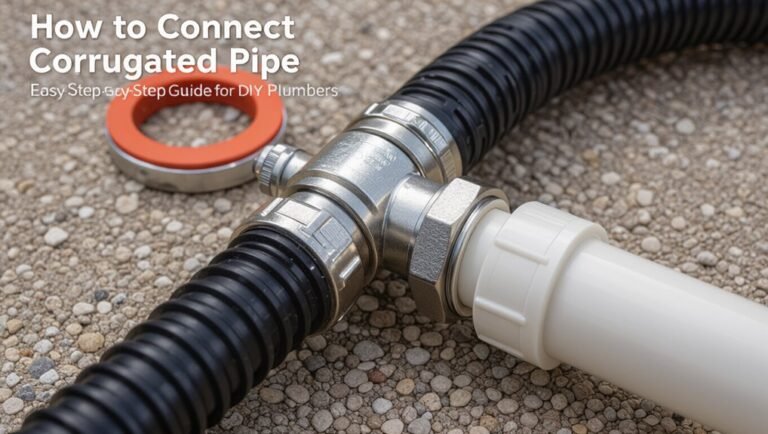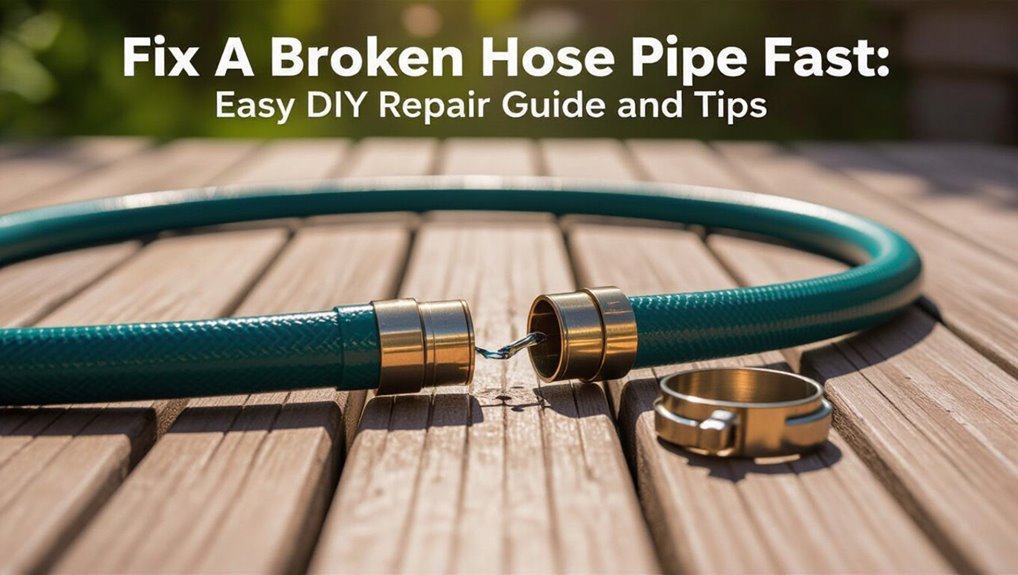
Fix a Broken Hose Pipe Fast: Easy DIY Repair Guide and Tips
Quick Fix for a Broken Hose Pipe: A DIY Guide
If you have a broken hose pipe, you can often repair it quickly using a few simple methods. Here are the key takeaways for an effective repair:
- For Larger Cuts: Use a cut-back splice with a rubber sleeve and stainless steel hose clamps, or opt for a barbed coupling.
- For Small Pinholes: Waterproof tape or silicone works well to seal leaks.
- For Kinked Sections: Warm water can help straighten them out.
- When to Replace: If the hose has widespread cracking, internal collapse, or is meant for high-pressure or potable use, it’s best to replace it.
- Safety Steps: Always depressurize the hose before making repairs, test the repairs at normal pressure, and protect the patches from UV rays and freezing temperatures.
Follow these techniques and tips for a successful DIY hose pipe repair!
Quick Answer: Fix or Replace Your Hose?
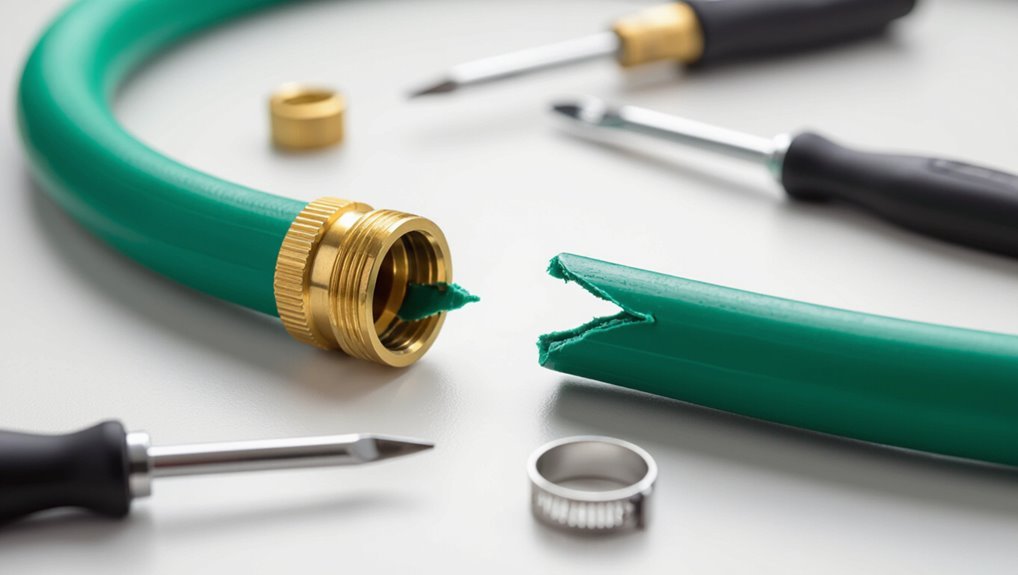
When deciding whether to fix or replace a broken hose, consider damage type, age, and purpose: small punctures or loose fittings often call for a quick patch or clamp, while widespread cracking, kinking, or internal collapse indicates replacement for safety and reliable water flow.
One rigid criterion is function: high-pressure or potable-water use favors replacement. Inspect fittings, collars, and the hose interior for deterioration.
Temporary repairs suit low-pressure, short-term needs. Budget and availability matter, but long-term reliability and risk of sudden failure should guide the choice.
When in doubt, replacing prevents recurring problems and potential water waste.
Common Causes of Hose Leaks and Bursts
Sunlight gradually degrades hose material, making walls brittle and prone to small cracks.
Water that freezes inside a hose expands and can split the tube or fittings.
Excessive internal pressure from kinks, blockages, or overly high supply pressure can cause sudden bursts.
Wear From Sun Exposure
Exposed to direct sunlight for extended periods, hoses gradually break down as ultraviolet (UV) radiation degrades rubber and plastic polymers, causing brittleness, cracking, and loss of flexibility. The material becomes prone to pinholes and splits, fittings loosen as surrounding material shrinks, and small surface damage widens under routine use. Regular inspection identifies sun-affected sections; replacement or UV-resistant sleeving prevents recurrence. Storage out of direct sun and use of protective covers prolong service life. Promptly repairing or replacing compromised segments reduces water waste and failure risk during use.
| Sign | Cause | Action |
|---|---|---|
| Brittleness | UV polymer breakdown | Replace section |
| Cracks | Surface degradation | Patch or sleeve |
| Fading | Material aging | Store shaded |
Freezing And Pressure
During cold spells, water trapped inside a hose can freeze, expand, and create internal stresses that split the tube or push fittings loose; similarly, sudden spikes in water pressure from pumps, inadvertent backflow, or closed valves can overstress weakened hose walls and lead to bursts.
Freezing causes microfractures and brittle fittings, often hidden until thawing; pressure surges exploit those flaws.
Prevention includes draining and storing hoses, insulating exposed lines, and installing pressure regulators or expansion tanks where pumps are used.
Regular inspection identifies bulges, hairline cracks, or loose couplings so repairs or replacements occur before catastrophic failure.
When to Repair a Hose vs Replace It
When evaluating whether to repair or replace a broken hose pipe, prioritize the extent of damage, age, and planned use; small punctures or loose fittings on a relatively new hose can often be patched or reconnected, while widespread cracks, hardened material, or recurrent leaks indicate the need for replacement. Decision factors include safety, water pressure needs, and cost-effectiveness. Temporary fixes suit low-pressure garden use; high-pressure or potable-water situations demand replacements. Inspect fittings, feel for brittleness, and test under normal pressure before deciding.
| Condition | Recommended Action | Rationale |
|---|---|---|
| Small puncture | Repair | Quick, cheap |
| Multiple cracks | Replace | Fails soon |
| Brittle hose | Replace | Unsafe |
| Loose fitting | Repair | Simple fix |
Tools and Materials for Fast Hose Repairs
A compact set of essential tools—adjustable wrench, hose cutters, pliers, and screwdrivers—enables most quick hose repairs.
Alongside tools, a few fast-fix materials such as hose clamps, rubber repair sleeves, waterproof tape, and replacement washers make temporary or permanent fixes possible.
The following section lists recommended items and explains how each is used for efficient roadside or backyard repairs.
Essential Tools Kit
One compact kit streamlines most fast hose repairs: a sharp utility knife, adjustable wrench, hose clamps in multiple sizes, replacement washers, waterproof tape, a short spare hose section, and a few hose menders (barbed and compression types).
Additional useful items include pliers, a small hacksaw or tubing cutter for clean cuts, a set of screwdrivers, and a marker for alignment.
A compact container or pouch keeps components organized and dry.
Selection favors corrosion-resistant materials like stainless clamps.
Routine inspection and replenishment after use guarantee readiness.
Properly chosen tools reduce repair time and improve joint reliability without specialized equipment.
Quick Fix Materials
In emergency hose repairs, a small set of reliable materials enables safe, fast fixes without waiting for replacements. The guide outlines compact, effective items that permit temporary sealing, secure joins, and quick pressure tolerance until a permanent repair is possible. Each material is chosen for availability, ease of use, and compatibility with common hose types. Proper selection reduces water loss and prevents damage while work proceeds. Users are advised to inspect compatibility and replace temporary fixes promptly.
- Rubber patch or short hose sleeve for punctures and worn sections
- Self-fusing silicone tape for pressure-tight wraps
- Hose clamps or stainless-steel worm clamps for secure joins
Safety Tips Before You Start
Before starting repairs, assess the area and equipment to prevent injury and further damage: shut off water at the main valve, relieve pressure by opening a downstream faucet, clear the work surface of tripping hazards, and wear gloves and eye protection when cutting or handling sharp fittings.
Make certain electrical sources near wet areas are switched off to avoid shock.
Use appropriate tools rated for plumbing tasks and inspect them for damage.
Work in daylight or with adequate lighting.
Keep a first-aid kit and phone nearby.
Read instructions for any replacement parts.
Dispose of damaged hose sections safely to prevent slips or punctures.
Locate the Leak Fast
With safety measures in place, the next step is to find the leak quickly to limit water loss and damage. The person inspects the hose visually along its length, feeling for wetness and listening for hissing. If the leak is hidden, they run water slowly to pinpoint the source, marking the spot with a waterproof tag. Attention is paid to fittings, connectors, and areas exposed to abrasion or sunlight, since these commonly fail.
- Examine seams and fittings for cracks or loose clamps.
- Feel along the hose for cold, damp sections.
- Run water at low pressure to reveal small punctures.
Stop Leaks Now: Emergency Fixes
Emergency patches provide a fast, temporary solution when a hose begins to fail mid-use.
One method uses a short hose clamp and rubber sleeve (cut from inner tubing or an old hose) positioned over the hole; tightening the clamp compresses the sleeve, stopping flow.
For small punctures, stuffing waterproof dental floss or plumber’s rope into the breach and wrapping firmly can hold under low pressure.
In a pinch, a small zip tie bundle combined with a rubber strip can seal larger tears briefly.
These measures restore function until a permanent replacement or proper repair is completed.
Use Waterproof Tape for a Short-Term Patch
In tight spots, waterproof tape offers a quick, user-friendly patch that stops leaks on low- to moderate-pressure hoses until a permanent repair can be made.
The surface should be clean and dry; wrap tightly overlapping layers, stretching if the tape is self-fusing.
This method is temporary but effective for small cuts, pinholes, or worn areas.
Check the patch frequently for slippage or seepage and avoid using it where fittings or high pressure occur.
Replace or perform a proper splice when feasible.
Keep tape on hand for garden or utility hoses as a fast, portable solution.
- Clean, dry surface
- Multiple overlapping layers
- Monitor for seepage
Splice and Clamp a Hose for a Lasting Fix
A reliable way to restore a hose is to splice the damaged section out and secure the ends with hose clamps and a short coupling; this creates a durable, low-cost repair suited to medium- and high-pressure lines.
The procedure: cut cleanly beyond visible damage, slide on two stainless clamps, insert a barbed or smooth coupling sized to the hose, then position clamps over coupling ends and tighten evenly.
Test under low pressure, inspect for leaks, and retighten as needed.
Use matching material (rubber to rubber, reinforced to reinforced) and replace if cracks, fraying, or internal collapse persist to guarantee safety and longevity.
Install a Hose Repair Coupling
After splicing and clamping a damaged section, attention turns to installing a hose repair coupling to create a secure, permanent join. The person measures the cut ends, trims squarely, and guarantees both sections are clean and dry. A barbed or compression coupling is chosen to match hose diameter; each end is pushed fully onto the barb and secured with stainless-steel clamps tightened evenly.
After installation, the joint is pressure-tested at normal operating flow to check for leaks. If seepage appears, clamps are retorqued or the coupling replaced.
- Trimmed, aligned hose ends ready for coupling
- Barbed coupling seated fully
- Evenly tightened clamps and test run
Fix Burst Hose Ends and Nozzle Connections
Address burst hose ends and failing nozzle connections by cutting away frayed or ruptured material back to solid, undamaged rubber, then inspect fittings for corrosion, cracks, or deformed threads that could prevent a tight seal.
Remove dirt and mineral buildup with a wire brush and vinegar if needed.
Test-fit the nozzle; if the barb or clamp seat is worn, replace the nozzle or use a threaded adapter.
Use stainless-steel worm clamps or crimp rings sized to the hose diameter, positioned over the hose bead. Tighten evenly to avoid pinching.
After reassembly, pressurize briefly and check for leaks, retightening if required.
Cut Out a Damaged Section and Reconnect
When a hose has a localized cut or crushed section, the damaged length should be removed back to clean, undamaged rubber so fittings can seal properly.
The repairer measures past visible damage, marks a straight cut, then uses a sharp utility knife or hose cutter to remove the bad segment.
Both freshly cut ends are inspected for fraying and wiped dry.
A compatible coupling or barbed connector is inserted and secured with stainless clamps tightened evenly.
Test under low pressure, check for leaks, then retighten if needed.
Proper alignment prevents kinks and preserves flow.
- Measure twice, cut once.
- Use matching diameter fittings.
- Tighten clamps evenly.
Use a Rubber Sleeve and Clamps for Splits
For narrow splits, a short length of thick rubber sleeve can restore a hose without cutting.
The writer recommends selecting a sleeve sized to overlap the undamaged hose by at least an inch on each side and made from durable, weather-resistant material. Secure the sleeve with two stainless-steel hose clamps tightened evenly to prevent leaks and slippage.
Choosing The Right Sleeve
In selecting a sleeve for a split hose, size and material determine repair durability. The writer advises matching sleeve inner diameter to hose outer diameter and choosing thick, flexible rubber to resist pressure and UV.
Short, snug sleeves reduce movement; longer sleeves distribute stress. Clean the hose, trim ragged edges, and slide the sleeve evenly over the split before fastening.
Consider temperature range and chemical exposure when picking material; EPDM works for water, nitrile for oils. A properly chosen sleeve restores flow and minimizes leaks without replacing the hose immediately.
- Match diameter and sleeve length
- Prefer thick, flexible rubber
- Check temperature and chemical compatibility
Securing With Hose Clamps
Slide the prepared rubber sleeve over the split so it centers the damaged area, then position hose clamps on either side of the break to compress the sleeve evenly. The technician tightens clamps alternately, avoiding over-compression that could deform the hose. After tightening, the repair is tested under low pressure, then inspected for leaks and clamp alignment. Regular checks prevent slippage and degradation. For long-term reliability, clamps should be stainless steel and the sleeve sized to match hose diameter. Replace clamps if corrosion appears.
| Step | Action |
|---|---|
| 1 | Fit sleeve |
| 2 | Position clamps |
| 3 | Tighten alternately |
| 4 | Test and inspect |
Barbed Connector vs Compression Fitting: Which to Use?
When choosing between a barbed connector and a compression fitting, the selection hinges on hose material, pressure requirements, and purposeful permanence of the repair.
A barbed connector grips flexible rubber or vinyl with clamps, offering quick, inexpensive joins suited to low-to-moderate pressure and frequent disassembly. A compression fitting compresses a sleeve around the hose, yielding a cleaner, more durable seal for firmer tubing and higher pressures, often preferred where leakage prevention matters.
Consider installation skill, equipment, and anticipated service life when deciding.
- Barbed: fast, clamp-dependent, flexible hoses
- Compression: durable, tool-required, firmer hoses
- Pressure and permanence guide choice
Match Replacement Parts to Your Hose Type and Size
For a reliable repair, match replacement parts to the hose’s material, inner diameter, and pressure rating: rubber, vinyl, braided, and PVC each require different connector types and clamp styles, and a mismatch in inner diameter or pressure capacity will cause leaks or failures.
Identify hose markings for ID and max PSI, measure ID with calipers if needed, and choose fittings rated equal or higher than the hose.
Select clamps compatible with the material—ear clamps for thin-wall vinyl, worm-drive for rubber, crimp for reinforced assemblies.
Use appropriate sealants or PTFE tape only where threads require it; avoid overstressing the joint.
Repair Multi-Layer and Reinforced Hoses Correctly
The guide explains how to identify each layer of a multi-layer or reinforced hose to determine which materials require different repair techniques.
It then outlines the correct way to cut back and prepare the hose ends for a secure joint.
Finally, it advises on selecting appropriate reinforcement—such as wire braid, spiral, or rigid inserts—to restore strength and prevent leaks.
Identify Layer Composition
In evaluating a damaged hose, carefully identify each layer—inner tube, reinforcement (braid or spiral), and outer cover—because correct repair depends on matching materials and construction.
The inspector notes material types (rubber, PVC, EPDM), reinforcement form (textile braid, steel spiral), and outer abrasion resistance.
Photographs and tactile checks help differentiate bonded layers from sleeved assemblies.
Knowing whether the reinforcement is load-bearing or cosmetic guides clamp selection and sealing methods.
Record measurements: wall thickness, braid density, and outer cover hardness to source compatible replacement sections or fittings without compromising pressure rating or flexibility.
- Inner tube: smooth, fluid-contact material
- Reinforcement: visible braid/spiral pattern
- Outer cover: protective, often textured
Cut And Prepare Ends
Begin by cutting the damaged section squarely with a sharp, appropriate tool—hose cutters for rubber, a fine-tooth saw for reinforced PVC—so the mating faces are true and free of ragged fibers. Next, inspect layers: trim frayed braid, peel back outer jacket slightly, and remove loose inner material. Lightly sand cut edges for smooth bonding, then degrease with isopropyl alcohol. Measure and mark insertion depth for connectors, keeping tolerances tight. Prepare clamps or crimp rings sized to the hose. Visualize the process:
| Cut square | Remove fray | Sand edge |
|---|---|---|
| Peel jacket | Degrease | Mark depth |
| Fit connector | Clamp ready | Inspect seal |
| Tighten | Test pressure | Trim excess |
| Store tools | Safety gear | Dispose waste |
Choose Proper Reinforcement
Selecting the correct reinforcement—braided, spiral, or fabric-lined—depends on the hose’s original construction, its operating pressures, and the fluids conveyed. Repair decisions should match layer type and strength: braided for flexibility and moderate pressure, spiral for high-pressure stability, fabric-lined for abrasion resistance or chemical compatibility.
Inspect layers, note crimps or delamination, and choose clamps, ferrules, or splice sleeves sized to the reinforcement. Proper seating prevents bulges and leaks. When in doubt, consult manufacturer specs or replace the hose.
- Braided: flexible, good for garden and low-medium pressure
- Spiral: rigid support for high-pressure systems
- Fabric-lined: resists abrasion and certain chemicals
Fix Holes From Pets, Mowers, or Bites
Assess the damage quickly to determine whether a hose with pet chews, mower nicks, or rodent bites can be repaired or needs replacement.
Small punctures and shallow cuts near the middle can be patched using waterproof hose repair tape, silicone adhesive, or a rubber patch clamped firmly.
For larger tears or damaged ends, cut back to sound material and install a brass or plastic coupling with hose clamps rated for outdoor use.
Make certain surfaces are clean and dry before sealing.
After repair, test under normal pressure, monitor for leaks, and consider protective measures—sleeves, raised storage, or barriers—to prevent recurrence.
Repairing Soaker and Drip Irrigation Hoses
Repairing soaker and drip irrigation hoses requires identifying the leak type—pinholes, splits, clogged emitters, or damaged fittings—and choosing a repair that preserves water distribution uniformity.
The technician inspects length, notes emitter spacing, and isolates sections. Pinholes are sealed with irrigation-approved tape or silicone; short splits are removed and joined with barbed couplers; clogged emitters are flushed or replaced.
Damaged fittings get swapped for new connectors and clamps. After repair, the system is pressure-tested and observed for even seepage.
Proper parts and gentle handling prevent flow disruption and maintain plant hydration patterns.
- Inspect along shaded, buried, and exposed runs
- Use inline couplers or emitters matched to diameter
- Flush before and after repairs
How to Fix a Kinked Hose That Blocks Flow
Straighten the kinked section and restore proper internal diameter to reopen flow without introducing new stress points. Inspect surrounding area for cracks or weakened material.
Free the hose from attachments, gently bend opposite the kink to coax fibers back, and use warm water to soften stiff vinyl before reshaping. If the inner lining remains collapsed, insert a dowel or round tool sized to the tube to force the lumen open; support the exterior with a temporary sleeve while it sets. Trim and reinstall damaged ends if cracking appears. Replace the hose when permanent deformation, delamination, or repeated kinking persists.
Heat-Shrink Tubing: When It Helps (And When It Doesn’t)
Heat-shrink tubing can provide a quick, waterproof sleeve for small punctures and worn spots, restoring pressure and preventing leaks when the underlying hose material is intact.
It fails when the hose has structural damage, large tears, or weakened layers, because the tubing cannot restore strength or flex without slipping or cracking.
Evaluation should focus on the size and nature of the damage and whether a permanent repair or replacement is required.
When It Works
When is tubing genuinely useful for a damaged hose? It serves well for small, clean cuts or surface abrasions on rubber or thin vinyl hoses where structural integrity remains. Proper sizing and heat application create a tight seal that resists moisture and dirt. It complements internal sleeve or clamp repairs, rather than replacing torn or delaminated sections. Ideal scenarios include temporary fixes and low-pressure garden lines.
- Short clean nick on the outer layer, away from fittings
- Thin-walled hose used at low pressure, without internal collapse
- As reinforcement over a taped or glued splice after alignment
When It Fails
Often disappointing, heat-shrink tubing fails when damage affects the hose’s structural integrity or when operating conditions exceed the tubing’s limits. It can seal superficial cuts or abrasion but cannot restore torn reinforcement, crushed fittings, or split layers.
High pressure, sharp bends, fuel or solvent exposure, and sustained UV or heat can degrade the tubing or force leaks past the sleeve. Improper sizing, inadequate overlap, or uneven heating also compromise performance. In those cases a proper repair requires patching with compatible materials, hose splicing, or full replacement. Users should assess reinforcement, pressure rating, and chemical compatibility before relying on heat-shrink.
Which Adhesives Actually Work on Hoses?
Which adhesives actually bond reliably to common hose materials? The article outlines adhesives suited for rubber, vinyl, and reinforced hoses, focusing on compatibility, cure time, and flexibility.
Selection depends on hose composition and expected pressure; inappropriate choices crack or delaminate.
Common effective options include contact cements for vinyl, flexible cyanoacrylates for small punctures, and specialized rubber adhesives for natural and synthetic rubber. Surface preparation and clamping during cure improve strength.
Avoid rigid epoxies on flexible sections.
Testing on a scrap piece verifies adhesion before repairing the live hose.
- Contact cement for vinyl surfaces
- Flexible cyanoacrylate for pinholes
- Rubber-specific adhesive for flexible rubber
Test and Restore Proper Water Pressure After Repair
Begin by pressurizing the repaired hose gradually and observing for leaks and steady flow to guarantee the fix holds under operating conditions. The technician checks fittings, joints and the repaired area while increasing pressure in stages to the typical household level.
Flow rate measurements before and after repair confirm restoration; a simple bucket-timing test or inline gauge provides quantitative comparison. If pressure or flow remains low, the technician inspects for kinks, blockages, or faulty connectors and flushes the line.
Final verification repeats the pressure ramp and leak check. Record findings and advise normal use only after consistent, stable performance is demonstrated.
Weatherproofing Repairs for Sun and Freeze
The guide now covers weatherproofing measures to extend hose life under sun and freeze conditions. It outlines UV protection for exposed lengths, insulation methods to prevent freezing, and ways to secure fittings against loosening and corrosion.
Practical, low-cost options are highlighted so repairs withstand seasonal stress.
Protect From UV
In direct sunlight, a repaired hose must withstand ultraviolet radiation and temperature swings that degrade rubber and compromise seals. The guide recommends selecting UV-resistant materials, keeping repair areas shaded, and monitoring joints for hardening or cracks. Durable tape, liquid rubber coatings, and UV-rated sleeves extend service life; periodic inspections catch early deterioration.
Proper adhesive curing and surface prep guarantee weatherproof bonds. Lightweight covers reflect sunlight without restricting use. Routine replacement of compromised sections prevents sudden failure, maintaining water delivery and avoiding leaks that worsen under prolonged sun exposure.
- Apply UV-rated sleeve over repair
- Use reflective cover or shade
- Inspect seals monthly
Insulate For Freezing
Facing freezing temperatures, a repaired hose requires insulation that prevents water expansion and brittle seals without trapping moisture against the repair.
The recommended approach uses closed-cell foam sleeves or pipe insulation slipped over the repair, sealed at ends with weatherproof tape to block drafts.
For added protection, apply heat-shrink tubing over the repair before sleeving; shrink evenly to avoid stress.
Elevated storage and gentle slope prevent standing water inside the hose.
Regular inspections during cold snaps catch cracks early.
Remove insulation when not needed to dry the hose, and replace degraded materials promptly to maintain effectiveness.
Secure Hose Fittings
Inspect fittings for corrosion, cracks, and loose threads before weatherproofing so repairs target actual weak points. The outcome is a secure connection that resists UV, temperature swings, and moisture. Replace damaged metal ferrules, tighten loose hose clamps, and choose fittings rated for outdoor exposure.
Use silicone grease on threads to prevent seizing, and apply plumber’s tape for a leak-free seal. For sun protection, wrap fittings with UV tape; for freeze protection, add removable insulation sleeves. Regularly inspect and re-torque fittings seasonally to catch wear early and prolong hose life.
- Replace corroded ferrules promptly
- Apply silicone grease and tape
- Wrap with UV tape or insulation
Prevent Future Breaks: Storage and Handling Tips
When not in use, coil the hose loosely and hang it on a wide hook or reel to prevent kinks and pressure points that lead to cracks. Store hoses away from direct sunlight and extreme heat to slow material degradation.
Avoid sharp bends, dragging over rough surfaces, and running vehicle tires across hoses. Use quick-release fittings or shutoff valves to relieve internal pressure before storage.
Keep hoses elevated to deter pests and pooling water. For long runs, use gentle supports to distribute weight. Label different hoses for specific tasks to prevent chemical exposure and unnecessary wear from incompatible use.
Seasonal Maintenance Checklist for Hose Longevity
A seasonal maintenance checklist helps extend a hose’s usable life by combining proper storage and routine inspection.
During colder months the hose should be drained, coiled neatly, and stored indoors or in a frost-free container.
Before each season the hose should be checked for cracks, bulges, and weakened fittings and repaired or replaced as needed.
Seasonal Storage Tips
For winter storage, hoses should be drained, dried, and stowed in a cool, dry place away from direct sunlight and freezing temperatures.
The homeowner prepares hoses by disconnecting fittings, rolling loosely to avoid kinks, and keeping them off damp floors.
Small repairs and cleaning prevent mildew; labeling lengths simplifies spring use.
Avoid sharp bends and heavy stacking that deform the hose body.
Protective caps on ends keep debris out and pests away.
Stored hoses remain flexible and ready for the next season when handled properly.
- Loosely coiled on a shelf or hanger
- End caps fitted to prevent debris
- Kept elevated and covered to avoid pests
Inspect For Cracks
After removing hoses from storage and confirming they are dry and capped, inspect each length for cracks that can cause leaks or rapid deterioration.
Visually scan along the entire hose, paying attention to areas near fittings and bends where stress concentrates.
Run a hand along the surface to feel for hairline splits, soft spots, or stiffness indicating material breakdown.
Flex short sections under gentle pressure to reveal hidden fractures.
Mark any defects and decide whether patching, coupling, or replacement is appropriate.
Record locations for future monitoring and dispose of severely damaged hoses to prevent sudden failure and water waste.
Cheap Emergency Fixes vs Best Long-Term Value
When a hose springs a leak, should the repair be an improvised stopgap or an investment in longevity? The choice balances speed, cost, and expected lifespan.
Quick fixes—tape, clamps, temporary couplers—restore function immediately but often fail under pressure or sunlight.
Durable repairs—properly sized couplings, replacement sections, or new hoses—require more expense and time yet reduce repeat failures and water waste.
Consider frequency of use, location of damage, and budget.
Short-term fixes suit rare emergency use; long-term solutions save money and hassle for frequent watering or exposed hoses.
- Temporary tape or rubber patch for immediate use
- Hose mender with clamp for moderate durability
- Full replacement for recurring or extensive damage
When to Hire a Pro or Just Buy a New Hose?
In deciding whether to call a professional or simply replace the hose, the key considerations are extent of damage, frequency of use, and available time or skill for repair.
If damage is localized, fittings intact, and the hose is inexpensive or seldom used, replacement is often faster and more reliable.
For complex failures—internal lining damage, multiple splits, or recurring leaks in a high-pressure or critical-use hose—a professional assessment guarantees safety and may extend service life.
Time constraints, lack of tools, or warranty concerns also favor hiring a pro.
Cost comparisons should include expected lifespan, repair labor, and potential failure consequences.
Where to Buy Quality Hose Repair Parts
For sourcing reliable hose repair parts, readers may compare local hardware stores and online specialty retailers.
Local stores offer immediate access and hands-on inspection of fittings and clamps.
Online specialty retailers provide wider selection, detailed specifications, and often customer reviews for more informed choices.
Local Hardware Stores
A nearby hardware store often provides the fastest, most reliable source for quality hose repair parts, offering brands, fittings, clamps, and replacement sections that match standard sizes and materials.
Staff can identify correct diameters, recommend durable materials (rubber, PVC, reinforced), and point to compatible connectors or quick-release couplings.
Local stock enables immediate repairs, avoiding shipping delays. Prices vary; comparison between store brands and premium options is straightforward.
Return policies and in-person inspection reduce mismatch risk. For DIYers, seeing parts helps confirm measurements and tool needs before starting the fix.
- Branded and generic replacement hose sections
- Hose clamps, repair couplers, and barb fittings
- Threaded adapters and sealing tape
Online Specialty Retailers
Among online specialty retailers, dedicated hose and fluid-handling shops offer the widest selection of repair parts, from industry-grade reinforced hoses to precision couplings and OEM-style fittings. They present clear specifications, compatible materials, pressure ratings, and often technical support or installation guides. Buyers can filter by size, material, and application, compare brands, and order custom-cut lengths. Shipping and return policies vary; warranties and certifications (e.g., NSF, ISO) are commonly listed. Pricing reflects quality and certification. Small orders and bulk discounts are available, making these retailers ideal for reliable, long-lasting repairs and professional-grade replacements.
| Store | Specialty |
|---|---|
| HoseSupply | Heavy-duty |
| FluidFit | Fittings |
| OEMPartsCo | OEM parts |
| QuickCutHoses | Custom lengths |
| CertHose | Certified items |
Fast Repair Kit Checklist to Keep in Your Shed
Well-stocked repair kits make quick hose fixes straightforward.
The shed should hold compact, durable supplies for immediate response: clamps, handy fittings, and sealing materials.
Items are chosen for compatibility with common hose sizes and ease of use so a homeowner can restore water flow without delay.
Include a small organizer box to keep parts visible and a simple instruction card for reference.
Routine checks of inventory prevent surprises before a leak.
Placement near the garden tap and labeled containers speed retrieval during busy weekends.
- Assorted hose clamps and coupling sleeves
- Waterproof tape, rubber repair sleeves, and sealant
- Small organizer box with basic pliers and spare fittings
Common Mistakes That Ruin DIY Hose Repairs
Having the right kit on hand reduces emergency stress, but common DIY mistakes still undo many repairs. The guide notes rushed cuts, mismatched fittings, inadequate clamps, and skipping surface prep as frequent causes. Clean, square cuts and compatible connectors prevent failures. Tighten clamps evenly; overtightening damages hose, undertightening leaks. Replace brittle or kinked sections rather than forcing temporary fixes. Follow manufacturer specs for pressure and temperature. Test repairs briefly under low pressure before full use. Regular inspection catches wear early, avoiding emergency breakdowns.
| Mistake | Effect |
|---|---|
| Rushed cut | Poor seal |
| Wrong fitting | Disconnection |
| Bad clamp | Leak |
| No prep | Short life |
Troubleshooting: Why a Repaired Hose Still Leaks
Check the repair systematically to locate the leak: common causes include improperly seated fittings, uneven or loose clamps, cuts that aren’t square, damaged hose material, and incompatible connectors or clamps for the hose diameter and pressure rating.
The inspector should pressurize the hose, feel for escaping air or water, and isolate sections to identify seepage. Visualize kinked or crushed areas and test under normal operating pressure. Replace suspect fittings, re-cut ends squarely, and use correct-size clamps tightened evenly.
If the hose wall is blistered or soft, the entire section may be compromised and require replacement.
- Loose clamp slipping outward
- Frayed inner tube exposed
- Connector too small for bore
Eco-Friendly Ways to Recycle an Irreparable Hose
When a hose is beyond repair, a practical reuse-and-recycle approach reduces waste and recovers value: sections can be cut and repurposed as garden ties, non-slip grips, or protective sleeves; rubber can be shredded for mulch or playground surfacing where accepted; and fittings and metal clamps should be separated for metal recycling.
Smaller rubber pieces serve as pot drainage layers or vibration dampers. Creative repurposing includes edging for raised beds or handles for tools. Local recycling centers may accept whole hoses or rubber mats; check guidelines. Label repurposed items and store dry to prevent mold and extend useful life.
How to Document Repairs With Photos and Video
After repurposing or recycling hose components, documenting any repairs and modifications with clear photos and video preserves a record for future reference and sharing.
The narrator recommends photographing before, during, and after each step: show the damage, tools and materials, and final seals.
Short video clips demonstrate bending, clamping, and pressure tests.
Label images with dates and brief captions, store originals plus compressed copies, and back them up to cloud storage.
These records aid troubleshooting, warranty claims, and teaching others.
Clear visuals also help assess long-term wear when revisiting repairs months later.
- Close-up shots of damage and measurements
- Timelapse of repair steps
- Video of a pressure/leak test
Conclusion
A concise evaluation concludes that quick DIY fixes often restore function, yet replacement may be wiser for aging or extensively damaged hoses. Investigating the theory that most leaks stem from fittings rather than the hose body reveals mixed truth: fittings are common failure points, but UV, abrasion, and freeze damage also dominate. Homeowners should weigh cost, safety, and longevity; document repairs with photos, and recycle irreparable hoses responsibly to reduce waste.