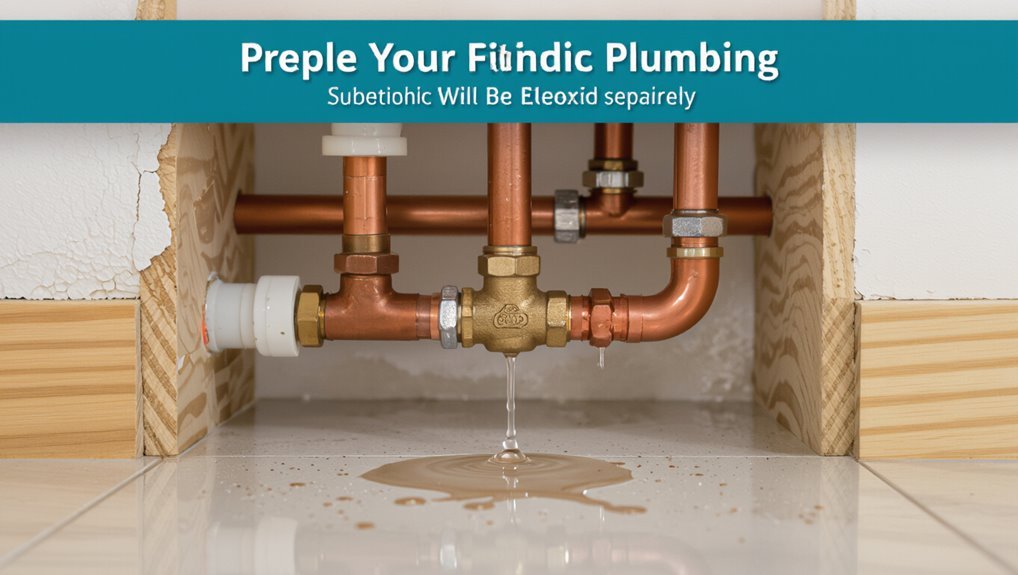
Does Home Insurance Cover Leaking Pipes? What You Need to Know
Key Takeaway: Homeowners insurance typically covers sudden and accidental pipe bursts along with the resulting water damage. However, it usually does not cover losses from slow leaks, wear and tear, or neglect.
When considering your home insurance policy, it’s essential to understand the specifics of your coverage. While many policies include coverage for water damage due to a sudden pipe burst, they often exclude damages from gradual leaks or maintenance issues. Coverage can vary based on policy language, limits, and deductibles. In some cases, related expenses such as drying or mold removal may be covered if the initial water damage is from a covered event.
To ensure you are protected, review your policy details, check for any relevant endorsements, and maintain documentation of your home’s maintenance. This information will be crucial when filing a claim, as it can affect what your insurer will cover and the steps you need to take.
Does Homeowners Insurance Cover Leaking Pipes?
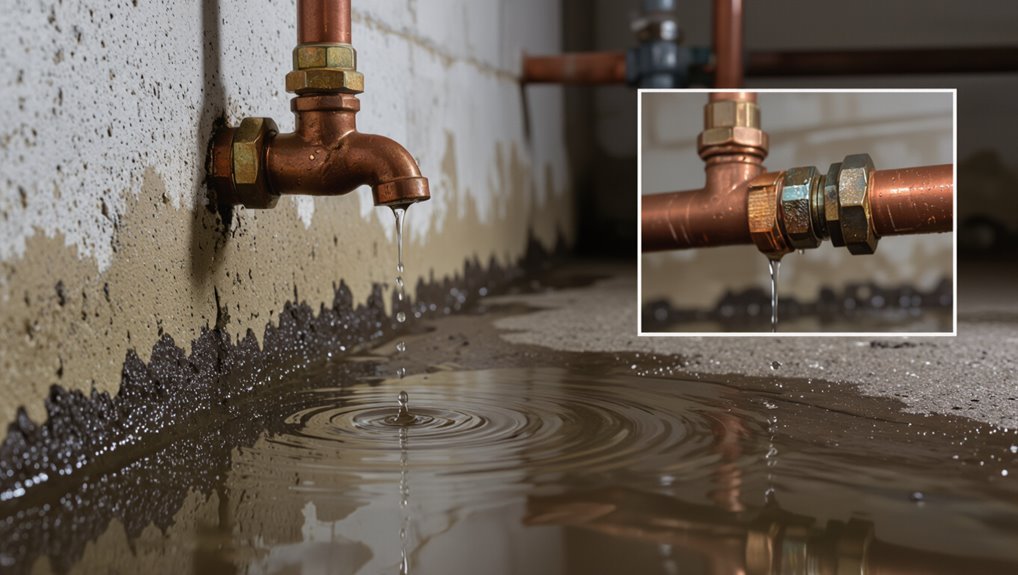
Do homeowners insurance cover damage from leaking pipes? Coverage depends on cause and policy terms.
Insurers typically pay for sudden, accidental pipe bursts that produce direct damage to the structure and belongings. Preventive neglect, long-term seepage, and wear-related corrosion are commonly excluded.
Policyholders may receive repairs for resulting secondary issues—like mold remediation—only if the triggering event is covered. Additional endorsements, such as water backup or service line coverage, can fill gaps.
Prompt mitigation, documented maintenance, and timely claims reporting improve outcomes. Homeowners should review their declarations, exclusions, and available add-ons to understand specific protections and limitations.
What Insurers Mean by “Sudden” vs. “Gradual” Water Damage
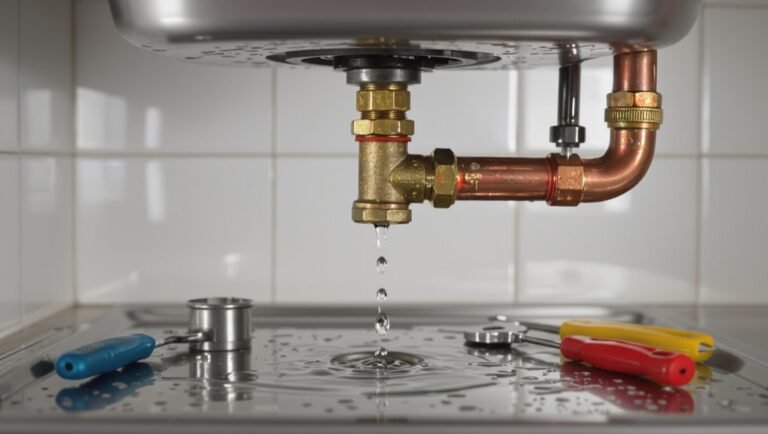
Insurers distinguish “sudden” water damage—such as a burst pipe that releases a large volume at once—from “gradual” seepage that occurs over time.
The classification depends on how and when the water entered the home and on evidence of the loss progression.
That distinction directly affects whether a claim is covered and what remediation the policy will pay for.
Sudden Versus Gradual Defined
When evaluating water damage claims, insurance policies typically draw a clear line between “sudden” events—like a burst pipe or an overflowing appliance—and “gradual” deterioration, such as slow leaks or ongoing seepage, because coverage and claimant responsibility often hinge on that distinction.
Insurers define “sudden” as an accidental, identifiable event occurring over a short time, often resulting in covered damage.
“Gradual” refers to damage developing over months or years from wear, corrosion, or maintenance neglect, typically excluded.
Documentation of timing, visible signs, and maintenance history helps insurers classify incidents and determine eligibility under policy terms.
Damage Cause And Timing
Having established how policies distinguish sudden events from gradual deterioration, attention turns to how insurers attribute cause and timing for water damage claims.
Insurers investigate indicators—staining patterns, corrosion, repair history, and moisture maps—to determine whether damage was instantaneous or developed over time.
Policy language, inspection reports, and expert opinions converge to assign causation. Accurate documentation by the homeowner at discovery improves clarity.
Timing often hinges on when the leak began versus when it was noticed. Disputes arise when evidence is ambiguous; insurers then weigh probability, maintenance records, and prior complaints to reach a coverage decision.
- Staining and pattern analysis
- Corrosion and material age
- Repair and maintenance records
- Moisture mapping and expert reports
Coverage Implications Explained
Because policy rules hinge on timing and cause, insurers treat “sudden” and “gradual” water damage as distinct legal and practical categories that determine whether a loss is covered, excluded, or subject to reduced recoveries.
Sudden events—pipe bursts, accidental discharge—are typically covered under standard dwelling or personal property provisions, contingent on prompt mitigation.
Gradual damage—slow leaks, ongoing seepage, long-term corrosion—is often excluded as maintenance failure or wear and tear.
Insurers expect proof of cause, inspection reports, and repair timelines; failure to show suddenness can lead to denied claims or only partial reimbursement for emergency mitigation rather than full restoration.
When Pipe Leaks Are Covered by Homeowners Insurance
If a pipe bursts suddenly or a hidden defect causes an unexpected rupture, standard homeowners insurance policies will often cover resulting water damage and related repair costs; however, coverage depends on cause, policy language, and whether the homeowner met maintenance obligations.
- Sudden ruptures: Policies typically cover damage from abrupt pipe failures and necessary structural repairs.
- Hidden defects: Damage from concealed deterioration that manifests suddenly may qualify, subject to proof.
- Resultant losses: Reasonable costs for water extraction, drying, and damaged personal property are often included.
- Mitigation duties: Coverage can hinge on prompt reporting and reasonable steps to prevent further damage.
Common Pipe Leak Scenarios Insurers Usually Deny
Insurers commonly deny claims tied to gradual wear and tear, arguing that slow deterioration falls under homeowner responsibility rather than covered sudden damage.
Policies also frequently exclude losses stemming from neglected maintenance issues, such as ignored leaks or failed preventative repairs.
Preexisting or undisclosed damage is another typical basis for denial, since carriers expect accurate disclosure and timely remediation.
Gradual Wear And Tear
When pipes corrode, loosen, or slowly fracture over months and years, the resulting leaks are typically classified as gradual wear and tear and are excluded from standard home insurance coverage.
This classification reflects the expectation that homeowners maintain and replace aging plumbing before failure. Insurers view such deterioration as predictable, preventable loss rather than a sudden, accidental event. Coverage dispute often hinges on evidence of timing and prior condition.
Documentation of routine inspections can influence determinations but does not guarantee payment for age-related failure.
Common examples include:
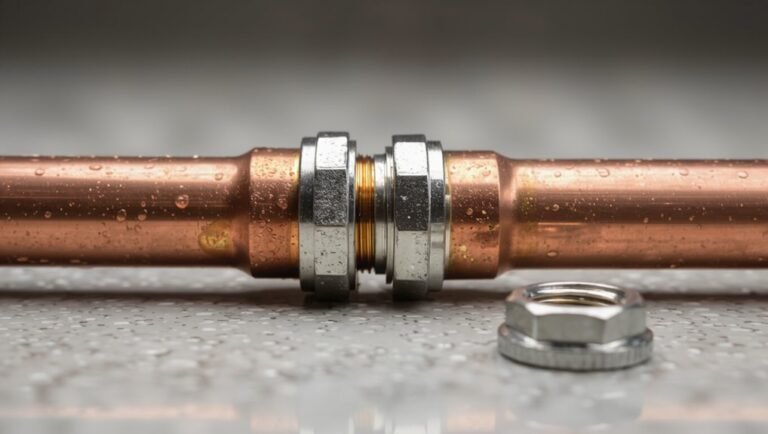
- Corroded copper fittings developing slow weeps.
- Galvanized pipe interior scaling reducing wall thickness.
- Rubber hose deterioration at appliance connections.
- Aging solder joints progressively cracking.
Neglected Maintenance Issues
Gradual deterioration often overlaps with outright neglect, but insurers treat routine maintenance failures differently than age-related wear.
Insurers commonly deny claims when leaks result from ignored maintenance: unfixed drips, corroded fittings, clogged drains, or failing seals that owners were expected to repair.
Evidence of long-term neglect—mold, repeated patch jobs, or postponed plumbing inspections—signals responsibility lies with the homeowner.
Policy language usually excludes damage caused by lack of upkeep.
To preserve coverage, homeowners must document regular maintenance, promptly address minor issues, and follow recommended service intervals; failure to do so can convert a simple leak into a denied claim.
Preexisting Or Undisclosed Damage
Although damage predating a policy or undisclosed prior issues may be subtle, carriers routinely deny claims tied to conditions known to the homeowner before coverage began.
Insurers expect disclosure of previous leaks, repairs, and inspections; failure to report voids coverage for resulting losses. Underwriters view concealed deterioration as an avoidable risk, not an insurable sudden event.
Documentation proving ignorance and recent occurrence can mitigate denials but rarely overrides clear evidence of preexisting harm. Policyholders should proactively record repairs and inspections to preserve coverage eligibility.
- Previous leaks without repair records
- Known but undisclosed water stains
- Unreported pipe corrosion identified during sale
- Prior temporary fixes
Dwelling vs. Water-Damage Coverage: Which Pays What
Distinguishing between dwelling coverage and water-damage (or personal property) coverage is essential for determining which portions of a leaking-pipe loss an insurer will pay: dwelling coverage typically addresses repairs to the home’s structure and built-in systems, while water-damage or contents coverage handles replacement or restoration of personal belongings and, in some policies, cleanup costs.
Policy wording, exclusions (such as for neglect or undetected slow leaks), and cause-of-loss provisions ultimately decide the allocation of benefits.
Typically, structural repairs—walls, floors, plumbing—fall under dwelling limits, while damaged furniture, clothing, and electronics fall under contents limits, subject to separate sublimits.
How Deductibles, Limits, and Depreciation Affect Payouts
Claims payments for pipe-related water damage are shaped first by the policyholder’s deductible, which reduces the amount payable on each claim.
Policy limits set the maximum the insurer will pay, potentially leaving homeowners responsible for excess repair costs.
Depreciation and whether the policy covers actual cash value or replacement cost determine if payouts reflect current value or full replacement expenses.
Deductible Impact On Claims
When a homeowner files a claim for damage caused by leaking pipes, the insurer calculates the payout by subtracting the policy deductible and applying any coverage limits or depreciation to the repair or replacement cost.
The deductible directly reduces the amount the insurer pays; if repair costs are near or below the deductible, no payment occurs. Depreciation may lower recoverable value for older materials.
Policyholders should compare deductibles against likely repair costs to decide when filing is worthwhile. Documentation of pre-loss condition can reduce depreciation disputes and clarify whether the claim exceeds the deductible threshold.
- Assess deductible vs. repair estimate
- Document pre-loss condition
- Expect depreciation on older items
- File only if net payout exceeds deductible
Policy Limits Explained
Policy limits define the maximum an insurer will pay for covered water-damage losses, and they interact with deductibles and depreciation to determine the actual recovery a homeowner receives.
The policy limit caps payout regardless of repair cost, so large losses may exceed coverage and leave owners responsible for the balance.
After the deductible is subtracted from the covered amount, depreciation may further reduce the payout based on item age and condition.
Aggregate limits or sublimits for water damage, fittings, or contents can further restrict recovery.
Understanding these limits helps homeowners assess exposure and consider endorsements or higher limits to close gaps.
Depreciation And Replacement Cost
After outlining how limits cap the insurer’s maximum payout, attention turns to how deductibles and depreciation further shape the amount actually received for water-related repairs.
The insurer subtracts the deductible from the payable amount and may apply depreciation to older materials under actual cash value (ACV) policies. Replacement cost policies omit depreciation but still require the deductible and are subject to policy limits.
Claimants should document age and condition to contest excessive depreciation. Understanding the interaction of deductible, limit, and valuation method determines realistic recovery expectations for pipe leaks and related restorations.
- Deductible subtraction
- Depreciation under ACV
- Replacement cost coverage
- Documentation importance
Are Mold and Secondary Damages Covered by Insurance?
How often mold and other secondary damages are covered depends on the cause, the policy language, and the insured’s promptness in addressing the leak.
Insurers commonly cover sudden, accidental water damage and ensuing mold remediation if policy terms include such losses; they often exclude damage from long-term neglect or unresolved maintenance issues.
Coverage limits, sublimits for mold, and endorsement requirements vary. Policyholders should review exclusions, timeframes for mitigation, and any required professional remediation standards.
Documented mitigation efforts and timely notifications improve the likelihood of coverage, while failure to act can result in denial or reduced recovery.
What Evidence Insurers Want for a Pipe Leak Claim
Insurers typically request clear photographs showing the extent and location of water damage to verify a pipe leak claim.
They also expect records of repairs and routine maintenance to establish whether the damage resulted from sudden failure or long-term neglect.
Providing both visual documentation and service histories helps substantiate coverage and speed claim handling.
Documented Damage Photos
Photographs serve as the primary visual record for a pipe leak claim, so clear, well-composed images of affected areas are essential. The insurer expects images that establish extent, cause indicators, and timeline.
Photos should show close-ups of leaks, surrounding structural damage, personal property affected, and any visible corrosion or failed fittings. Date-stamped images and varied angles improve credibility.
Maintain original files; avoid filters or edits. Organized submission with captions explaining context helps adjusters evaluate loss quickly and reduces disputes over severity or preexisting conditions.
- Close-ups of leak source
- Wide shots of room context
- Detail of damaged contents
- Corrosion and fittings
Repair And Maintenance Records
Maintenance records form the documentary backbone of a pipe leak claim, showing prior upkeep, repairs, and the homeowner’s diligence. Insurers evaluate dates, contractor details, receipts, and routine maintenance logs to determine negligence versus sudden failure. Clear, chronological records reduce disputes and speed processing. Include inspection reports, parts replaced, and emergency interventions. Digital timestamps and vendor contact information strengthen credibility. Absent or sporadic documentation can shift burden onto the claimant.
| Document Type | Key Detail | Why It Matters |
|---|---|---|
| Receipt | Date, cost | Verifies repair timing |
| Inspection | Inspector name | Confirms condition |
| Photo | Timestamped | Visual proof |
| Log | Routine checks | Shows maintenance |
Step-by-Step: What to Do Immediately After a Leak
Immediately after discovering a leak, the priority is to stop the flow and limit damage: shut off the water source if possible, turn off electricity in affected areas, and move valuables and absorbent materials away from wet surfaces.
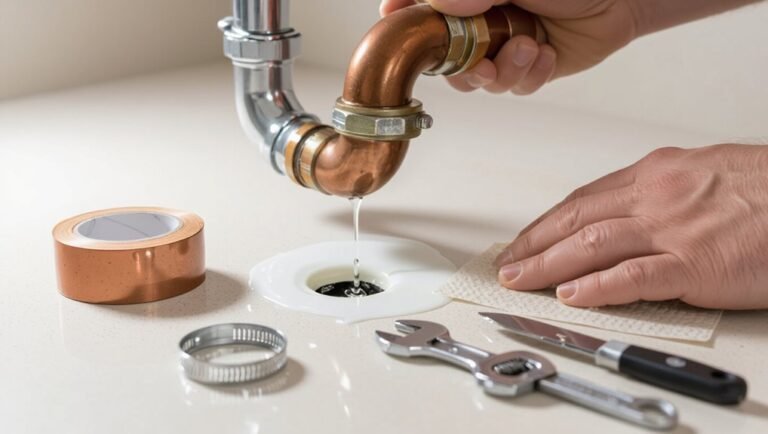
The homeowner documents the scene with photos, notes time and visible damage, and contains spread using towels and buckets. Temporary fixes, like pipe clamps, may reduce loss until a professional arrives.
Contacting a licensed plumber and the insurer promptly preserves options.
- Photograph and timestamp the damage.
- Shut main water and affected circuits.
- Perform temporary containment measures.
- Notify insurer and schedule repairs.
How Insurers Investigate Claims (And Signs of Negligence)
When a homeowner reports a leak, an insurer initiates a structured investigation to determine cause, scope, and coverage eligibility: an adjuster inspects the site, reviews photographs and repair records, interviews the claimant and any witnesses, and may request plumbing or forensic specialists to assess whether the damage resulted from a sudden event or from long-term wear and neglect.
The investigator documents water entry points, timelines, and prior maintenance history. Indicators suggesting possible negligence include ignored repair requests, documented recurring leaks, incompatible materials, and evidence of deferred maintenance.
Findings are compared against policy terms; clear, objective documentation shapes coverage decisions and potential denials.
When Maintenance Problems Can Void Coverage
If routine care is neglected to the point that damage becomes foreseeable, an insurer may deny or limit coverage on the basis that the loss resulted from homeowner neglect rather than a covered sudden event.
Insurers assess whether deferred maintenance — corroded pipes, unresolved leaks, frozen lines, or chronic dampness — converted a sudden loss into a preventable one. Denials often cite lack of timely repairs, ignored inspection recommendations, or prolonged exposure to moisture that weakened systems.
Policyholders should document maintenance and repairs to rebut claims of negligence. Typical maintenance failures that threaten coverage include:
- Corrosion left untreated
- Repeated small leaks ignored
- Failure to winterize plumbing
- Prolonged mold or dampness
Estimating Repair vs. Replacement Costs After a Leak
After establishing whether lack of upkeep contributed to a loss, attention turns to determining whether damaged components should be repaired or replaced.
Estimation combines scope, residual value, and policy limits. A professional assesses structural elements, plumbing, finishes, and hidden moisture, documenting damage and expected lifespan.
Repair is favored when fixes restore function and value without exceeding a significant fraction of replacement cost. Replacement suits compromised systems, safety risks, or pervasive mold.
Cost estimates should itemize labor, materials, disposal, and permit fees. Insurers compare contractor bids to adjuster valuations; policyholders should obtain multiple quotes and keep receipts to support claims.
Upgrades and Endorsements That Reduce Denials and Premiums
Although upgrades and endorsements cannot eliminate all denials, targeted improvements and policy additions greatly lower risk profiles and clarify coverage expectations.
Homeowners who install modern pipe materials, replace aging plumbing, and add automatic shutoff valves demonstrate proactive maintenance, reducing both claim frequency and insurer resistance.
Endorsements for sewer backup, water damage from appliance failure, and scheduled personal property can broaden protection where standard policies exclude losses.
Insurers may offer premium credits for documented upgrades and regular inspections.
Clear records and contractor receipts support smooth underwriting and claims handling.
- Pipe material upgrades
- Automatic shutoff systems
- Sewer backup endorsement
- Regular inspection documentation
What to Do If Your Claim Is Denied: Adjusters & Legal Options
Having upgraded plumbing and purchased targeted endorsements reduces the chance of denial, but claim refusals still occur; when they do, homeowners should understand the adjuster process and available legal remedies.
An independent adjuster review can identify factual or procedural errors; request a written explanation and photos.
If discrepancies persist, obtain contractor estimates and a plumber’s report documenting cause and maintenance history.
File an internal appeal with the insurer, citing evidence and policy language.
If necessary, contact state insurance regulators, hire a public adjuster, or consult an attorney experienced in insurance law to evaluate bad-faith or breach-of-contract actions.
Conclusion
When the house becomes a map of pipes and promises, the insurer’s policy is the compass: sudden storms find shelter, slow leaks do not. Homeowners watch the dripping clockwork—maintenance as armor, documentation as torchlight—so small neglect does not become a flood of denial. In the end, responsibility is a key: tended systems and timely fixes open doors to coverage, while unattended decay leaves only the hollow echo of lost protection.