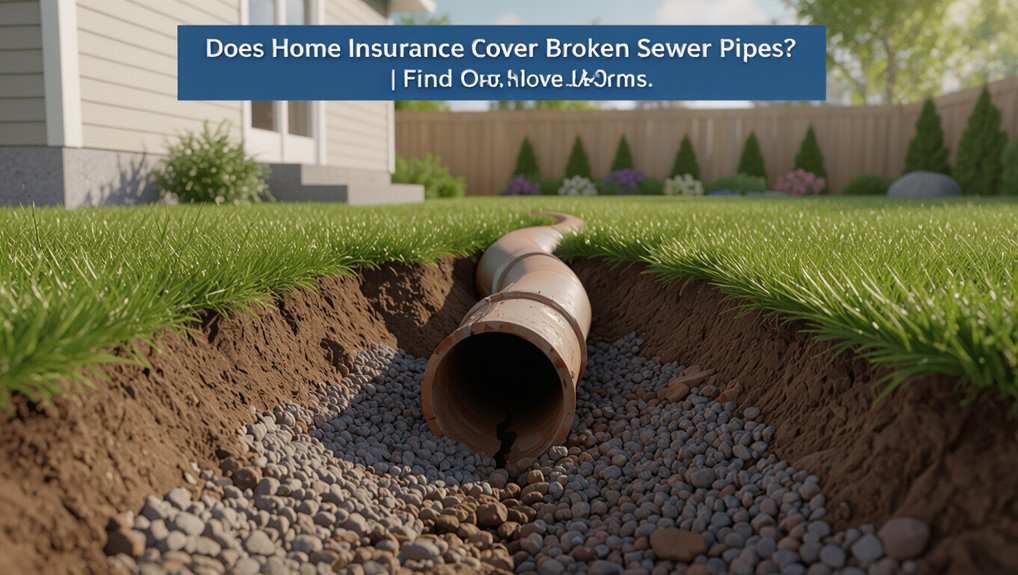
Does Home Insurance Cover Broken Sewer Pipes? Find Out Now
Homeowners insurance may cover a broken sewer pipe if the damage is sudden and accidental, such as from construction impact or a flash event. However, it usually excludes damage caused by gradual wear, corrosion, or poor maintenance.
Key Takeaways:
- Coverage may fall under dwelling, other structures, or a sewer/water backup endorsement (if purchased).
- Limits or exclusions often apply based on policy language.
- Timely documentation and prompt mitigation are crucial for claim outcomes.
For further details on causes, claims, and fixes, refer to your policy or consult with your insurance provider.
Does Homeowners Insurance Cover Sewer Pipe Damage? (Short Answer)
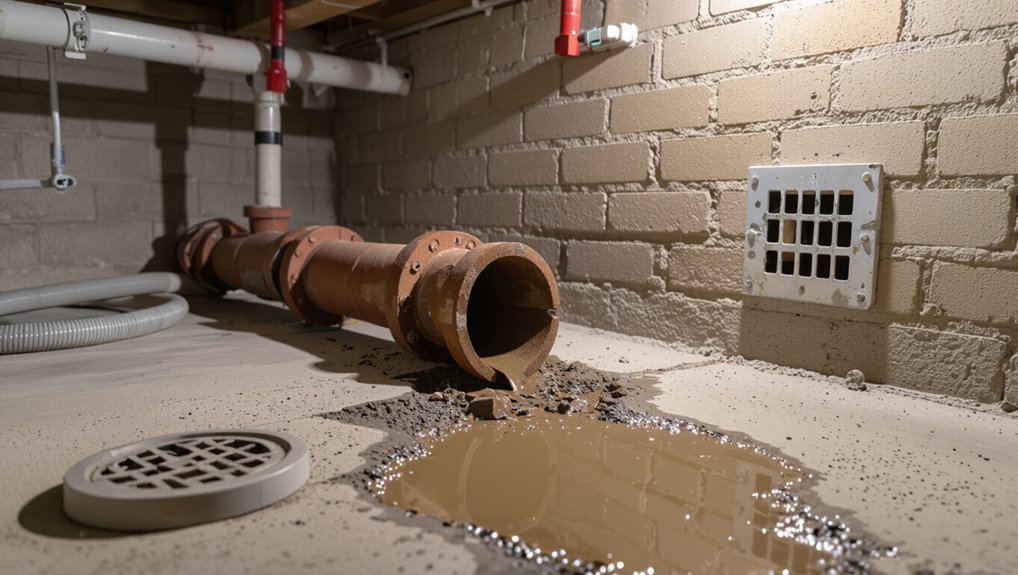
Although policies vary, homeowners insurance typically does not cover gradual sewer pipe deterioration from wear or corrosion; coverage is more likely when damage results from a sudden, accidental event like a nearby construction accident or a covered peril such as a fallen tree.
The short answer: routine aging, clogs from roots, and slow leaks are generally excluded as maintenance issues.
If a sudden incident causes a break or backup, a policyholder may have a claim under dwelling, other structures, or water backup endorsements if purchased.
Policy language, exclusions, limits, and endorsements determine outcome; documentation and prompt mitigation affect claim decisions.
Which Causes Are Covered : Sudden Damage vs. Wear-and-Tear?
When determining whether sewer pipe damage is covered, insurers distinguish between sudden, accidental events and losses that result from gradual wear, deterioration, or lack of maintenance.
Coverage generally applies to abrupt, unexpected failures caused by events like a tree root intrusion that suddenly collapses a section or an accidental construction impact.
Conversely, damage from long-term corrosion, gradual shifting, or chronic neglect is typically excluded as wear-and-tear.
Policy language and claim investigation determine classification; documentation of maintenance and timing of failure can influence outcome.
- Sudden accidental events: typically covered.
- Gradual deterioration: usually excluded.
- Evidence and timing matter.
Common Exclusions, Limits, and Useful Endorsements
After distinguishing sudden failures from wear-and-tear, attention turns to how policies actually limit or exclude coverage and which endorsements can fill gaps.
Standard homeowners policies commonly exclude gradual deterioration, maintenance-related damage, and sewer backups unless a specific endorsement is purchased. Coverage limits may cap payout for sewer or plumbing-related losses and could apply separate deductibles.
Useful endorsements include sewer or water backup coverage, service line protection, and equipment breakdown riders that extend protection to buried or external pipes and mechanical components.
Policyholders should review limits, waiting periods, and exclusions carefully to determine whether additional endorsements are necessary for adequate protection.
How To Document, File, and Maximize a Homeowners Insurance Claim
Documenting a broken sewer pipe claim requires prompt, organized action: the policyholder should secure the scene, stop further damage if safe, and begin gathering clear evidence—photos and video of the failure, timestamps, repair estimates, and any relevant invoices or maintenance records.
The claimant should notify the insurer immediately, submit a concise written description, and keep copies of all correspondence. Obtain licensed contractor assessments and keep temporary repair receipts.
Track living-expense losses if displacement occurs. Preserve damaged items for inspection and avoid unauthorized full replacements until adjuster review.
- Photograph and timestamp evidence
- Collect contractor estimates and receipts
- Log communications and expenses
If Insurance Won’t Help: Low-Cost Repairs and Prevention Steps
If a homeowner’s policy denies coverage for a broken sewer pipe or leaves significant out-of-pocket exposure, practical low-cost repairs and preventative measures can limit damage and future claims.
The homeowner should start with temporary fixes: use inflatable drain plugs or epoxy putty for small leaks, and rent a wet vacuum to remove sewage quickly.
Schedule affordable professional inspections like camera scans to pinpoint issues before costly collapse.
Improve prevention by installing backflow valves, maintaining trees away from sewer lines, avoiding grease and non‑flushables, and insulating exposed pipes.
Keep receipts, photos, and a maintenance log to support future claims.
Conclusion
Like a homeowner finding a burst pipe hidden beneath the floorboards, insurance can be a lantern: it lights sudden calamity but cannot warm the slow rot of neglect. The policy shelters against abrupt, accidental breaks yet often shutters its windows against wear, clogs, and deferred maintenance. When coverage falters, the wise tend their pipes as a gardener tends roots—repair promptly, document thoroughly, and plant preventive care to keep the house flourishing.