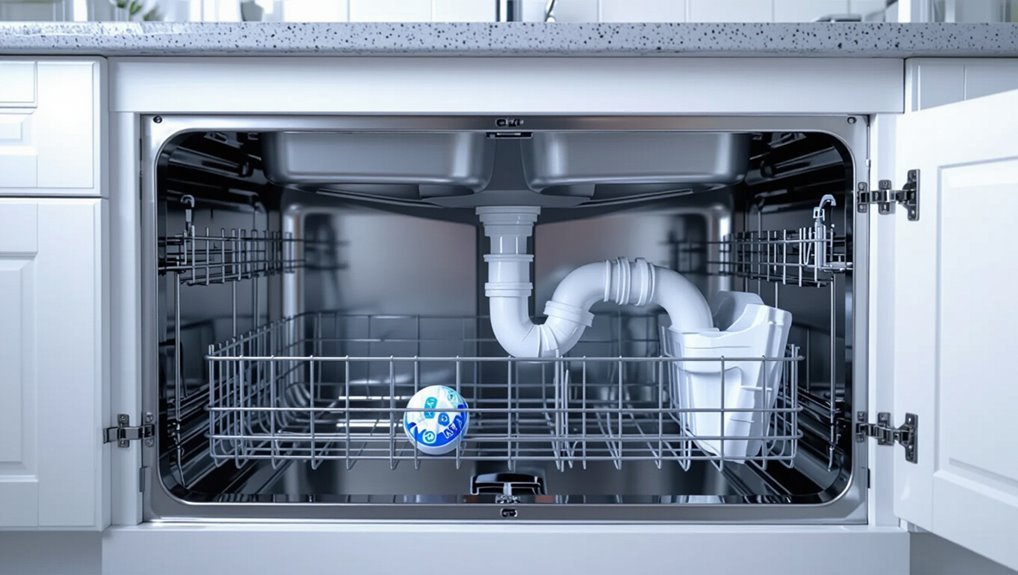
Why Dishwasher Pods Clog Pipes €” Easy Fixes & Prevention Tips
Dishwasher pods can clog pipes due to sticky detergent film, trapped food, and mineral scale buildup, leading to slow drains, unpleasant odors, and standing water. Key takeaways for addressing this issue include:
1. Identify the Cause: Low-temperature cycles, hard water, and damaged or wet pods exacerbate residue accumulation.
2. Simple Fixes:
- Remove visible fragments and clean the drain filter and P-trap.
- Flush the hose and carefully plunge if necessary.
3. Prevention Tips: Change the type of pods used and ensure proper storage to minimize future clogs.
For detailed step-by-step clearing, maintenance, and prevention tips, continue reading.
Quick Fixes: Clear a Pod Clog in 5–15 Minutes
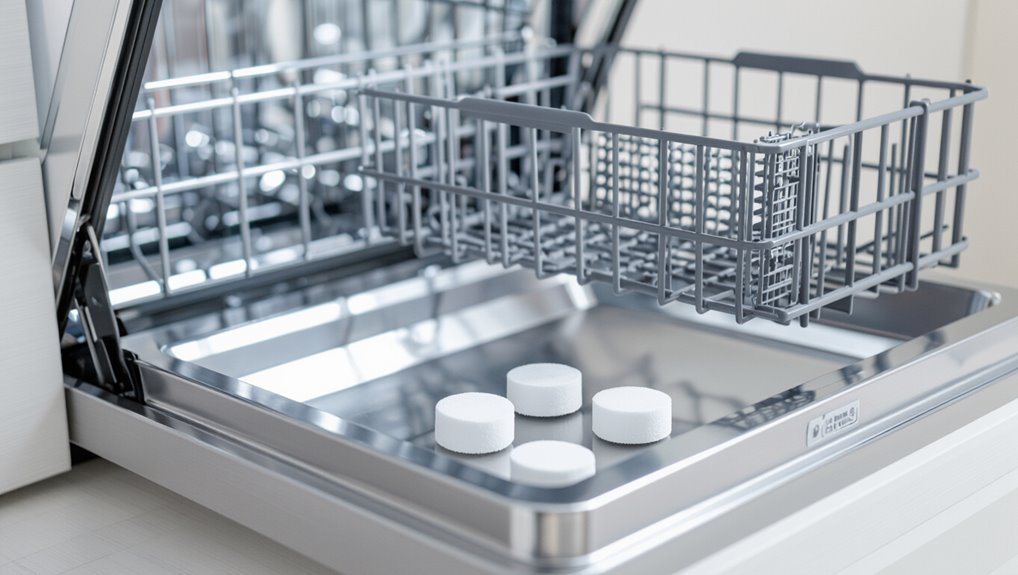
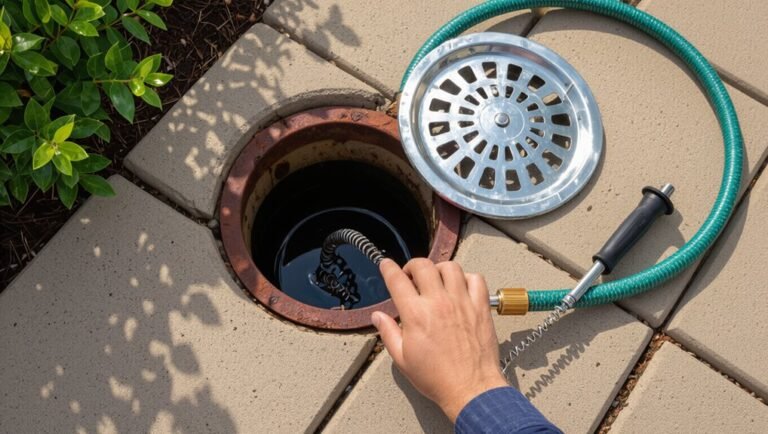
Start by turning off water to the affected fixture and removing visible pod fragments from the drain opening; this prevents further swelling and makes the clog easier to access.
The individual then uses protective gloves and a flashlight to inspect the trap. If reachable, a plunger applied over the drain often dislodges the obstruction within minutes.
When plunging fails, removing and cleaning the P-trap captures dissolved or swollen pod residue.
For deeper blockages, a hand auger or a wet/dry vacuum set to suction can extract softened material.
After clearing, run hot water to flush residues and reassemble fittings, checking for leaks.
Signs a Dishwasher Pod Is Causing a Clog
A slowing sink or dishwasher cycle can indicate a dishwasher pod is obstructing the drain.
Accompanying this, a persistent sour or rotten smell often signals trapped food and detergent residue.
Noting both symptoms early helps target the pod as the likely cause.
Slow Drainage Notice
If the sink or dishwasher begins to empty noticeably slower after using detergent pods, homeowners should suspect a pod-related obstruction.
Reduced flow may show as standing water in the dishwasher basin or a slowly draining kitchen sink linked to the appliance’s discharge. Intermittent slowdown occurring after cycles points to partial blockages from dissolved residue, film, or intact pod fragments catching on the trap or hose.
Consistent monitoring of drainage speed after pod use helps isolate the appliance as the source. Early detection prevents buildup escalation; addressing restricted flow involves checking the filter, drain hose, and air gap for trapped material.
Foul Odor Presence
Slow or stalled drainage often accompanies the other clear sign of a pod-related clog: persistent foul odors emanating from the dishwasher or nearby sink.
These smells usually result from trapped food, dissolved detergent residue, and stagnant water collecting around a dissolving or broken pod. The odor may be sour, rotten, or chemical, and it can intensify after cycles or when the appliance sits unused.
Detecting this smell alongside slow drainage indicates a localized obstruction rather than general plumbing odor. Addressing the clog—cleaning filters, running a rinse cycle, or inspecting the drain hose—often eliminates the source and the smell.
Slow Drains vs Full Clogs: What Each Means
A slow-draining dishwasher often shows water pooling at the basin and a weaker-than-normal drain flow, which commonly signals partial obstruction from residue or dissolved pod film.
A full clog presents as standing water that does not move and can be caused by compacted pod fragments, grease buildup, or trapped debris.
If simple measures like running hot water or using a safe clog remover fail, a professional plumber should be contacted to prevent pipe damage.
Slow Drain Indicators
When water begins to back up gradually around the dishwasher or sink, it signals a developing restriction rather than an outright blockage; slow drains typically indicate partial obstructions like trapped food, detergent residue, or kinked hoses, whereas full clogs stop flow entirely and often produce gurgling, odors, or standing water.
Indicators of a slow drain focus on diminished performance rather than complete failure: subtle symptoms allow earlier intervention to prevent escalation.
- Slower-than-normal emptying after a cycle
- Small pools remaining in the sink basin
- Intermittent gurgling without persistent odors
- Need for repeated manual clearing or plunging
Causes Of Full Clogs
Although both slow drains and complete blockages interfere with plumbing function, their causes often differ in scale and origin. Full clogs typically result from accumulated solids hardening into an obstruction: congealed detergent residues, compacted food scraps, grease binding with pod film, or foreign objects lodged at trap or pipe joints. Repeated partial blockages encourage buildup until flow stops. Biological growth in warm, stagnant sections can cement debris. Mechanical collapse or collapsed pipe sections, though less common, create sudden full clogs. Inspection focuses on location and material to determine removal method and targeted prevention.
| Cause | Location | Example |
|---|---|---|
| Detergent film | P-trap | Hardened pod residue |
| Grease | Drain line | Congealed fat layer |
| Foreign object | Elbow/joint | Utensil or sealant blockage |
When To Call
How should a homeowner decide whether to call a professional? A homeowner evaluates symptoms: slow drains often indicate partial blockages or buildup from pods dissolving; full clogs cause standing water and backups.
Simple tests and DIY clearing may suffice for slow issues, but persistent or worsening symptoms require pros. Consider safety, tool access, and warranty concerns.
- Slow draining after multiple cycles suggests gradual buildup.
- Gurgling sounds or multiple fixtures affected hint at main-line problems.
- Standing water, foul odors, or recurring clogs warrant immediate professional help.
- Repeated DIY failures justify calling a plumber.
Why Dishwasher Pods Can Clog Drains
Because dishwasher pods are compact and coated, they can release concentrated detergent and binding agents unevenly, which increases the likelihood that residues will adhere to pipe walls or combine with grease and food particles to form clogs.
Water temperature, cycle length, and dispenser timing affect dissolution; cooler or short cycles may leave soft solids that re-solidify farther down the drain.
Fragments from partially dissolved films accumulate at bends or low-flow sections, especially in older or narrow pipes. Repeated buildup narrows passages, slows drainage, and traps additional debris.
Routine maintenance and correct loading reduce risk by ensuring more complete pod dissolution and flow.
What’s Inside Pods and How the Ingredients Behave
The pod fillings typically combine concentrated surfactants, enzymes, builders, and binders in a water-soluble film.
These ingredients are designed to activate with heat and water, but interactions between enzymes, minerals, and grease can produce residues that stick to pipes.
Understanding each component’s solubility and reaction pathways helps explain how pods contribute to buildup and blockages.
Composition Of Pod Fillings
When exposed to water, dishwasher pod fillings dissolve to release a concentrated mix of cleaning agents, enzymes, water softeners, and polymers engineered to remove grease, break down proteins, and control mineral deposits.
The formula typically combines surfactants for soils, proteases and amylases for organic residues, chelants that sequester calcium and magnesium, and film-forming polymers to stabilize suds and suspensions.
Solid particulates, fragrances, and rinse aids may be included. Concentration and binder choice affect solubility and residue potential. Understanding composition clarifies why incomplete dissolution or binder buildup can initiate clogs.
- Surfactants: grease emulsification
- Enzymes: protein/carbohydrate breakdown
- Chelants: scale prevention
- Polymers: film and binder formation
How Ingredients React
Although formulated to dissolve rapidly, pod ingredients interact with water, heat, and pipe environments in distinct ways that determine whether they fully disperse, form residues, or bind to other materials.
Surfactants lower surface tension and rinse soils but can emulsify fats into sticky films that cling to pipe walls. Enzymes break down proteins and starches; their activity depends on temperature and pH, so inefficiency leaves fragments behind.
Builders (phosphates or alternatives) sequester hardness ions but can precipitate as scale under high mineral loads. Polymers and fragrances may not dissolve completely, accumulating as slimy layers.
Combined, these reactions dictate residue formation and clog risk.
When Pods Don’t Dissolve (Common Dissolution Problems)
If dishwasher pods fail to dissolve, they can leave behind sticky residue that accumulates in trapways, spray arms, and drain lines, leading to reduced cleaning performance and potential clogs.
Common causes include detergent film resisting water penetration, machine cycles too short or low temperature, improper placement blocking water flow, and damaged or old pods whose films no longer dissolve.
Detecting undissolved fragments after a cycle signals trouble. Remedies focus on correct loading, choosing compatible pods, verifying cycle settings, and inspecting spray arms or filters for blockages.
- Short, cold cycles prevent full dissolution
- Pods tucked under dishes stay dry
- Compromised film resists water
- Clogs begin as small pellets
How Hard Water Makes Pod Residue Worse
Hard water increases mineral deposits in dishwasher plumbing, which can trap and hold pod residue against pipe walls.
Those mineral films also interfere with the detergent film’s ability to dissolve fully, leaving more undissolved particles.
Together, accelerated scaling and reduced solubility raise the likelihood of clogs and persistent buildup.
Mineral Build-Up Accelerates Residue
Minerals dissolved in municipal water supply, chiefly calcium and magnesium, accelerate dishwasher pod residue by reacting with detergents to form insoluble salts that adhere to pipes and trap food particles.
This inorganic film accumulates in bends and low-flow areas, narrowing passages and creating rough surfaces where softer pod gel and organic debris cling. Over time, microscopic deposits grow into visible scale that reduces drainage efficiency and promotes recurring clogs.
- Scale forms preferentially at cooler sections and pipe joints
- Roughened surfaces increase mechanical trapping of particles
- Deposits resist simple rinsing and require descaling
- Mineral hotspots correlate with repeated clog patterns
Reduced Solubility Of Pod Detergent
One key effect of high-calcium water is a pronounced reduction in the solubility of the concentrated detergent gels used in dishwasher pods.
As calcium and magnesium ions interact with surfactants and builders, they form insoluble complexes and precipitates that resist dissolution during the wash cycle.
Partially dissolved gel releases less active cleaner, leaving sticky residues that adhere to pipes and trap food particles.
Repeated cycles compound buildup, narrowing drains and promoting clogs.
Mitigation includes water softening, using liquid or powder detergent formulated for hard water, and periodic high-temperature rinses to improve dissolution and flush accumulated deposits.
Why Low‑Temperature Cycles Leave Residue
Why do low-temperature dishwasher cycles often leave a filmy residue?
Cold cycles fail to dissolve concentrated pod ingredients fully, so surfactants and polymers redeposit on dishes and drain lines. Enzymes that break down proteins activate poorly at lower temperatures, leaving organic films. Incompatible water hardness exacerbates buildup, as minerals bond with partially dissolved chemicals.
- Incomplete dissolution of pod film-forming polymers
- Reduced enzyme activity for soil breakdown
- Mineral interactions increasing deposition
- Lower rinsing efficiency from cooler water
These factors combine to create persistent residues that can cling to surfaces and initiate gradual pipe fouling if unaddressed.
Why Broken, Old, or Wet Pods Matter
Broken, old, or wet dishwasher pods compromise cleaning performance and accelerate plumbing buildup by releasing their concentrated ingredients unevenly.
Damaged pods can leak powdered or concentrated gel into crevices and drain lines before the wash cycle begins, creating sticky deposits.
Stale pods lose enzymatic and surfactant potency, requiring more detergent to achieve the same result and leaving excess residues.
Moisture-damaged pods clump, block dispenser doors, or dissolve prematurely, depositing undiluted chemicals into the dishwasher’s interior and drain.
Consistent use of intact, properly stored pods reduces scent and film transfer, lowering the frequency of pipe buildup and maintenance.
How Overfilling the Dispenser Causes Residue
When too many pods are placed into the dispenser, the compartment becomes overloaded and cannot open or rinse properly.
The pressure and lack of water flow cause tablets to dissolve unevenly, leaving partially dissolved fragments.
Those fragments and sticky residue tend to collect in corners and crevices, creating buildup that can contribute to clogs.
Dispenser Becomes Overloaded
Placing too many pods or compressing detergent into an already full compartment can overload the dispenser, preventing proper water flow and causing pockets of concentrated residue to remain after the cycle.
This overloaded state restricts spray access and leaves undissolved material that later breaks free, contributing to clogs. Regular inspection and measured dosing reduce buildup. Simple maintenance prevents residue migration into plumbing.
- Check dispenser capacity before loading
- Use only manufacturer-recommended pod counts
- Avoid stuffing tablets into damp or compacted spaces
- Rinse dispenser periodically to remove trapped detergent
Consistent habits stop concentrated deposits before they reach pipes.
Tablet Dissolves Unevenly
Overfilling the dispenser can cause a tablet to sit partially exposed, so water reaches only one side and dissolves unevenly; the remaining solid portions then wash into the drain as concentrated slugs of detergent.
When a pod partially resists flow, concentrated detergent bypasses normal dilution, increasing local chemical load in pipes and trap passages. These concentrated slugs promote sticky residues and accelerate buildup where flow velocity drops.
Uneven dissolution also leaves larger fragments that lodge in bends or screens, later releasing bursts of detergent.
Proper loading and single-tab placement guarantee full exposure to spray, producing consistent dilution and reducing pipe stress.
Residue Builds In Corners
Uneven dissolution can leave fragments and concentrated detergent streams that hug the dispenser chamber’s edges, where spray pressure is weakest.
Overfilling the dispenser forces compacted pod material into corners, creating dense deposits that resist rinse cycles. Leftover residue hardens, attracting food particles and reducing water flow to the spray arms.
Regular inspection and correct dosing prevent buildup and downstream blockages.
- Check dispenser capacity before loading pods
- Use single pods or follow manufacturer limits
- Clean corners with a soft brush monthly
- Run an empty hot cycle with vinegar to dissolve deposits
Preventive habits reduce corner residue and pipe clogs.
How Pre‑Rinsing Dishes Affects Pod Dissolution
How does pre‑rinsing influence the way dishwasher pods dissolve?
Pre‑rinsing removes loose debris and excess detergent‑binding soils, altering water chemistry and flow inside the machine. With fewer food particles, pods encounter cleaner water and can dissolve more uniformly, reducing partial disintegration that leaves filmy fragments.
Conversely, heavily rinsed items may lower water turbidity and slightly speed dissolution, but over‑rinsing wastes water without meaningful benefit. Minimal scraping is sufficient; eliminate large solids that can block spray arms.
Proper loading and correct pod placement matter more than aggressive pre‑rinsing for consistent dissolution and reduced residue buildup in internal plumbing.
How Grease and Food Mix With Pod Residue
When grease and food particles meet partially dissolved dishwasher‑pod film, they form sticky agglomerations that adhere to spray arms, filters, and trap areas.
This mixture reduces water flow and concentrates in low‑pressure zones, where repeated cycles build layered deposits. Temperatures and enzyme activity affect cohesion; cooler cycles leave more tacky residue.
Mechanical action often fails to dislodge compacted masses, so buildup grows around bends and filter edges. Prevention focuses on reducing available grease and loosening food before cycles to limit binding surfaces.
- Residue captures fine solids, creating a paste
- Oils increase stickiness and resist rinsing
- Starch causes gelling with enzymes
- Repeated cycles compact deposits
Why Detergent Buildup Hides in the Drain Trap
Detergent residues often form soap scum that adheres to the pipe walls and collects where flow slows.
Reduced water velocity through partial blockages and slow drain flow encourages further buildup rather than flushing it away.
Imperfect trap geometries and design flaws create low-flow zones and crevices where scum and food particles accumulate over time.
Soap Scum Accumulation
Soap scum forms a thin, adherent film of calcium and magnesium salts bound to surfactant residues, and it readily clings to the curved surfaces inside a drain trap where water flow is intermittent.
Over time, dishwasher pod residues build layered deposits that reduce smoothness and encourage further accumulation. The trap’s geometry and cooler temperatures favor precipitation and adhesive bonding. Periodic disturbance is required to dislodge compacted films.
- Mineral-rich water accelerates crystallization onto surfactant matrices.
- Enzymes and fillers in pods can leave sticky organics behind.
- Low-frequency flushing allows drying and hardening of deposits.
- Mechanical abrasion from flow is insufficient in tight bends.
Slow Drain Flow
Flow slows inside the drain trap as compacted detergent films narrow passageways, creating zones of low velocity and partial stagnation where residues settle instead of being swept away.
Over time, concentrated pod detergents congeal with food particles and grease, forming slick layers that resist flow and trap additional debris. Intermittent water currents fail to mobilize these deposits, so thin films thicken into obstructive collars along horizontal surfaces.
Reduced flow increases retention time, promoting chemical binding and odor. Regular rinses, periodic hot-water flushing, and enzymatic or biodegradable cleaners break bonds and restore throughput before compacted layers mature into persistent blockages.
Trap Design Flaws
As slowed currents make films more likely to cling, the physical geometry of common P-traps and S-traps further encourages accumulation.
Sharp bends and low-flow zones create eddies where dissolved surfactants re-solidify. Warm, wet surfaces promote sticky deposits and trapped food particles act as nuclei. Access is limited, so buildup often goes unnoticed until odors or backups appear.
- Narrow cross-sections increase surface contact time.
- Vertical offsets trap low-density residues.
- Infrequent flushing allows layer consolidation.
- Difficult access prevents thorough cleaning.
Recognition of these design tendencies guides targeted cleaning, trap replacement, or rerouting to reduce detergent entrapment and future clogs.
Why the Dishwasher Drain Hose Clogs Frequently
Frequent clogs in the dishwasher drain hose often stem from a buildup of food particles, grease, and residue from detergent pods that accumulate where the hose dips or bends, restricting water movement.
The flexible hose’s corrugated interior and low spots trap solids and congealed fats, while persistent moisture allows soap scum to harden into adhesive deposits.
Backflow from poorly routed drains introduces additional debris.
Small obstructions reduce flow, causing standing water that captures more particulates and encourages odors.
Recurrent clogging is consequently a function of geometry, trapped residues, and flow reduction rather than a single isolated cause.
How to Inspect the Drain Hose and Fittings
Begin by disconnecting power and water to the dishwasher, then visually and physically examine the drain hose and its fittings for kinks, cracks, loose clamps, or blockages.
The inspector notes hose routing, attachment points, and condition of rubber or corrugated tubing. Look for signs of wear, hardened or swollen sections, and evidence of leaks where fittings meet the machine or sink.
Confirm clamps are tight and corrosion-free. If accessible, flex the hose gently to feel internal obstructions without disassembling.
- Check hose routing for high loops or sharp bends
- Inspect clamps and ferrules for rust or looseness
- Examine hose material for brittleness
- Verify fitting seals are intact
Clear the Dishwasher Drain Hose Step‑by‑Step
Disconnect power and shut off the water before attempting any work, then place a towel and a shallow pan beneath the hose connection to catch spills.
Detach the hose at both ends, noting orientation and clamps. Inspect interior with a flashlight for debris, soap scum, or kinks.
Run water through the hose backward with a garden hose or compressed air to dislodge blockages. Use a flexible brush or plumber’s snake for stubborn buildup, avoiding sharp tools that can puncture.
Rinse thoroughly, reattach clamps securely, restore water and power, then run a short cycle to confirm clear flow and no leaks.
How Garbage Disposals Affect Dishwasher Waste
After clearing the drain hose, attention shifts to the role of the garbage disposal, since its condition and configuration directly influence what reaches the dishwasher drain.
A properly installed, functioning disposal reduces food solids entering the dishwasher drain line; a clogged or poorly aligned unit redirects debris and increases backup risk.
Regular use and occasional cleaning keep grinding chambers clear, while septic-safe practices matter for system compatibility.
Faulty seals or improper knockout plugs cause leaks or allow large particles through.
- Grinding efficiency affects particle size
- Knockout plug status determines direct flow
- Seals and fittings prevent leaks
- Routine maintenance limits buildup
Unclog the Sink Trap Connected to the Dishwasher
The sink trap connected to the dishwasher should be removed and inspected for trapped dishwasher pod residue or food debris.
Any buildup and trapped particles must be cleaned thoroughly, using gloves and a brush or rag as needed.
After cleaning, the trap should be reassembled and tested for leaks before running the dishwasher.
Remove And Inspect Trap
Loosen the slip nuts securing the sink trap to both the tailpiece and the dishwasher drain stub; this P-trap often collects food particles, grease, and detergent residue that block flow.
Drain water into a bucket, then carefully remove the trap and set it on a protected surface. Inspect the curve and inlet for compacted solids, sticky films, or lodged pod fragments.
Note damage, corrosion, or misalignment that might cause leaks or repeat clogs. If replacement seems necessary, record measurements before buying a new trap.
- Check for trapped pod fragments or hardened detergent.
- Look for oil or grease coatings.
- Inspect gasket condition.
- Verify alignment and threads.
Clean And Reassemble Trap
Once the trap has been inspected and cleared of large debris, attention turns to thorough cleaning and careful reassembly to restore reliable drainage.
The trap is rinsed with hot water and a mild detergent or vinegar solution to dissolve residue from pods and grease. A small brush removes trapped film and buildup from curves and threads; compressed air or a flexible brush clears the inlet and outlet.
All seals and washers are checked and replaced if cracked or deformed. Reassemble hand-tight, align slip nuts, then finish with a quarter-turn using pliers.
Run water and a rinse cycle to confirm a leak-free connection.
Use a Plunger Safely on Dishwasher Clogs
Plunging can dislodge food debris and detergent residue that block a dishwasher’s drain, but it must be done carefully to avoid damaging seals or forcing water into areas it shouldn’t go.
The user should seal the dishwasher air gap or overflow, create a tight plunger fit at the drain, and use short, controlled thrusts. Avoid excessive force that could harm hoses or gaskets.
After clearing, run a rinse cycle to flush loosened material. If resistance persists, stop and consult a technician to prevent internal damage.
- Guarantee a snug plunger seal
- Use controlled, short pumps
- Protect nearby seals and hoses
- Flush with a rinse cycle
Disassemble and Clean the Dishwasher Drain
Begin by turning off power and water to the dishwasher and removing the lower rack to access the drain area; this guarantees safety and gives unobstructed working space.
Next, remove visible debris from the drain opening and detach the drain cover or sump housing per the manufacturer’s instructions.
Inspect the impeller, swivel arm, and surrounding passages for buildup; use a soft brush and warm soapy water to clean components.
Check and clear the drain hose connection at the pump for blockages.
Reassemble parts securely, restore water and power, and run a short cycle to verify proper drainage and silence any remaining leaks.
How to Remove Pod Residue From Filters and Screens
Loosen and lift the filter assembly to inspect for sticky, concentrated residue left by dishwasher pods. The technician removes loose debris, then soaks filters in warm vinegar solution to dissolve concentrated detergent gels.
Stubborn deposits are gently scrubbed with a soft brush, avoiding damage to mesh and seals. Rinse thoroughly and dry before reinstallation to prevent re‑clumping.
- Use a 1:1 white vinegar and warm water soak for 15–30 minutes.
- Scrub with a soft toothbrush, focusing on mesh holes and crevices.
- Avoid metal brushes or harsh chemicals that harm finishes.
- Reassemble only when completely clean and dry.
Why Drain Screens and Filters Get Gummed Up
Drain screens and filters commonly become gummed up from a mixture of grease and soap that leaves a sticky film.
Leftover food particles collect and compact against that film, accelerating blockage.
Over time mineral scale from hard water further hardens deposits, reducing flow and trapping more debris.
Grease And Soap Buildup
Many dishwasher users notice that drain screens and filters gradually become coated with a slick, grayish residue composed of soap scum, food fats, and emulsified grease. This buildup forms when detergent compounds bind with fatty particles and calcium in the water, creating stubborn deposits that trap debris and restrict flow.
Over time the residue hardens, reducing drainage and stressing pumps. Regular cleaning and correct detergent levels prevent accumulation.
Typical contributors include:
- Excess detergent reacting with hard water minerals
- Warm water dissolving fats that re-solidify on cool surfaces
- Oils from greasy dishes emulsifying into sticky films
- Infrequent filter maintenance allowing layering
Food Particle Accumulation
Because dishwashers rely on fine meshes and tight channels to keep solids from entering the pump, small food fragments, rice grains, and fibrous bits rapidly accumulate on screens and filters; these particles lodge in crevices, combine with soap residues, and form compact mats that impede flow and trap odors. Routine inspection prevents buildup from restricting drainage or causing mechanical strain. Simple rinsing, brushing, and periodic deep cleaning remove trapped debris before compaction occurs. Prompt removal of large scraps, occasional filter disassembly, and avoiding excess food in dishes mitigate gum-up risk and extend component life.
| Problem | Action |
|---|---|
| Fragments | Rinse |
| Fibers | Brush |
| Rice | Shake |
| Residue | Soak |
| Odor | Sanitize |
Mineral Scale Formation
After food fragments and soap residues collect on screens and filters, hard water minerals begin to bond with those deposits, forming a gritty, adhesive scale that tightens around mesh and channel edges.
This mineral buildup reduces flow, traps particles, and accelerates clogging. Periodic inspection and targeted cleaning dissolve and dislodge scale before it cements. Simple vinegar soaks, descaling solutions, and brushing restore passageways.
Also, softening water or using rinse aids lowers future accumulation. Attention to mineral control preserves filter function and prevents pods from contributing to pipe blockages.
- Vinegar soaks loosen calcium and magnesium deposits
- Softener use reduces mineral load
- Brushes access tight mesh
- Rinse aids limit residue
When to Use Enzyme Cleaners vs Chemical Drain Cleaners
Decide between enzyme and chemical drain cleaners based on the nature of the clog, pipe material, and urgency of removal: enzyme cleaners are appropriate for organic buildup (hair, food residue, grease) and for routine maintenance because they work slowly and are gentle on pipes, while chemical cleaners are suited only for stubborn, inorganic or severe clogs that require rapid action but carry higher risk of pipe damage and hazardous fumes. Enzyme products are recommended for regular use and septic systems; chemicals are for last-resort situations. Assess risks, follow label instructions, ventilate, and avoid mixing products.
| Type | Best For | Risk |
|---|---|---|
| Enzyme | Organic buildup | Low |
| Chemical | Severe blockages | High |
Signs You Should Call a Plumber
Visible water backing up from the dishwasher or kitchen drains indicates a blockage that may be beyond simple home remedies.
A persistently slow drain, even after using enzyme cleaners, suggests the obstruction is lodged deeper in the line.
In these cases, professional inspection and repair are recommended to prevent worsening damage.
Visible Water Backups
When water appears in sinks, tubs, or around the dishwasher where it does not belong, it often signals a serious drainage issue that requires professional attention.
Visible backups can indicate blockages from compacted detergent residues, trapped food particles, or damaged seals. Standing water risks leaks, mold, and appliance failure. A plumber can locate the obstruction, assess pipe integrity, and prevent recurrence.
Homeowners should note frequency, location, and any accompanying odors. Relevant signs include:
- Water pooling at multiple fixtures after a dishwasher cycle
- Gurgling sounds in drains
- Foul sewage or chemical smells
- Sudden water overflow from drain outlets
Persistent Slow Drain
Water backing up into fixtures often precedes a persistently slow drain, but reduced flow can also appear without obvious backups and still indicate a serious problem.
A gradual decline in drainage after multiple wash cycles suggests partial obstruction beyond the trap—soap residue, compacted dishwasher pod fragments, and grease can collect further down the line.
Slow drains confined to the sink or spreading to other fixtures suggest different blockage locations; simultaneous slowing points to main sewer or vent issues.
Professional inspection is advised when plunging and cleaning the trap fail, odors persist, or slow drainage recurs despite routine maintenance.
Choose Dishwasher Pods That Reduce Clog Risk
Although many pods promise convenience, selecting ones formulated to dissolve fully and resist leaving residue is essential to reduce clog risk. Buyers should favor trusted brands with consistent dissolution and avoid overly concentrated or waxy coatings.
Packaging claims matter less than real-world results; small tests in a sink can reveal lingering film. Consider water hardness compatibility and rinse aid interactions when choosing. Practical selection reduces frequency of buildup and pipe maintenance.
- Prefer pods that dissolve cleanly in varied temperatures
- Avoid products that leave visible film after rinsing
- Check for compatibility with home water hardness
- Test a single pod before bulk buying
How Pod Formulations Differ (What to Look For)
Because pod ingredients and coatings vary widely, understanding their formulation helps consumers predict dissolution, residue, and clog potential.
Manufacturers combine surfactants, enzymes, builders, anti-redeposition agents, and binders; some add polymers or oils for glass protection. Water-soluble film type and thickness control release timing; slow-dissolving films may leave semi-solid fragments in low-temperature cycles.
High enzyme content improves organic breakdown but requires adequate water and temperature. Builders (phosphates or alternatives) affect mineral interactions and scaling. Fragrances and dyes can contribute inert residues.
For clog prevention, favor pods with fast-dissolving films, balanced enzyme-to-surfactant ratios, and minimal nonwater-soluble additives.
Why Cheap Pods Sometimes Leave More Residue
Cheap dishwasher pods often contain low-grade detergent fillers that do not rinse away completely, leaving a thin film on dishes and inside pipes.
They also frequently use incomplete dissolving agents that break down only under ideal water temperatures and agitation, so portions can remain solid.
Together, these formulation shortcuts increase the likelihood of residue buildup and eventual pipe clogs.
Low-Grade Detergent Fillers
A significant factor in why some dishwasher pods leave behind more residue is the use of low-grade fillers and bulking agents that do not dissolve fully or react properly during the wash cycle.
These ingredients can increase gritty deposits on filters, spray arms, and pipes. Economical formulations may substitute inert powders for higher-quality surfactants or enzymes, reducing cleaning efficiency and promoting buildup.
Consumers may notice film, specks, or dullness despite rinsing. Key contributors include:
- Starch-based bulking agents that swell but don’t break down
- Inert mineral fillers that settle in traps
- Low-activity binding polymers
- Cheap anti-caking additives
Incomplete Dissolving Agents
Many inexpensive dishwasher pods include dissolving agents that are engineered to release too slowly or not at all under typical cycle conditions, leaving detectable residues on dishes and inside plumbing.
These agents—binders, polymer coatings, and low-grade surfactants—can survive short or cool cycles, accumulating as gummy films in trap bends and spray arms. Residue reduces rinse effectiveness and traps food particles, promoting clogs and odors.
Users who switch to higher-quality pods or adjust to hotter, longer cycles typically see fewer deposits. Regularly inspecting and cleaning filters, running empty hot cycles, and avoiding compacted loading mitigates buildup from incomplete dissolving agents.
Store Dishwasher Pods So They Stay Effective
Although dishwasher pods are convenient, improper storage quickly reduces their cleaning power and can lead to clumping or dissolving before use.
Proper storage preserves active ingredients and prevents moisture-related issues that can contribute to partial dissolving and pipe buildup. Store pods in a cool, dry place away from steam sources. Keep them in their original sealed container or an airtight, childproof jar.
Avoid open-air bins near the dishwasher or sink. Rotate stock using older pods first to maintain potency.
- Choose a moisture-proof container
- Avoid humid environments
- Keep away from direct heat
- Label and rotate supplies
How Many Pods to Use : Household Usage Guidelines
Proper storage preserves pod integrity and also influences how dosage should be approached for each load.
Manufacturers recommend one pod per normal wash; using more rarely improves cleaning and increases residue risk. Heavily soiled or large loads may justify an extra pod or tablet, but assess soil level first and pre-rinse only when necessary.
For compact or partial loads, a single pod remains adequate; splitting pods is discouraged because exposure degrades ingredients and dosing becomes uneven.
Households with hard water should consider a built-in water softener or rinse aid rather than increasing pod count to avoid buildup and pipe clogs.
Eco Cycles, Soft‑Start, and Clog Risk
Eco and soft‑start dishwasher programs reduce water temperature and flow rates to save energy and cut noise, but those gentler cycles can leave higher concentrations of undissolved pod residues in the wash chamber and drain line.
Reduced turbulence and lower rinse heat slow dissolution, increasing the chance that films or gel fragments travel to the trap. Observations note more frequent partial blockages when pods aren’t fully dissolved.
Users should be aware of tradeoffs and monitor drains. Consider:
- Lower agitation limits mechanical breakdown of pods
- Cooler rinse temps preserve residue viscosity
- Gradual pump starts reduce shear forces
- Accumulation risk grows over repeated cycles
Adjust Dishwasher Settings for Better Dissolution
When users increase water temperature, extend wash times, or select higher-agitation programs, dishwasher pods dissolve more completely and are less likely to leave gel fragments that can travel into the drain.
Adjusting settings mitigates partial dissolution caused by energy‑saving modes. A higher initial rinse temperature and longer main wash provide sustained heat and mechanical action to break pod films.
Boost or sanitize options, intensive cycles for pots, and delayed starts that allow the heater to ramp up improve outcomes. Users should consult machine manuals to balance energy use and effectiveness.
Regularly testing different cycles reveals which combination reliably prevents residue without overtaxing the appliance.
How to Prevent Grease and Food Reaching the Drain
Several simple habits greatly reduce the amount of grease and food that reaches the drain: scraping plates into compost or trash, pre-rinsing heavily soiled cookware, and using a sink strainer to catch solids.
The remainder of prevention focuses on minimizing fatty residue and suspended solids before they enter plumbing. Cold water rinses help solidify fats for disposal, while hot-water disposal flushes are avoided. Routine disposal of collected scraps prevents buildup. Use enzyme-based degreasers occasionally to break down residue safely.
- Scrape and scrape again before loading
- Install and clean a sink strainer weekly
- Pour cooled fat into containers, not down drain
- Rinse with cold water to solidify grease
Maintain Your Dishwasher Filter and Seals
Check and clean the dishwasher’s filter and door seals regularly to prevent food particles and residue from accumulating and causing clogs or leaks. The filter traps solids; inspect it after heavy loads, rinse with warm water, and remove trapped debris. Wipe door seals with a damp cloth and mild detergent to remove films that invite odor or mildew. Examine seals for cracks and replace if brittle to maintain proper drainage and prevent leaks that can lead to pipe issues. Small, routine attention reduces buildup and prolongs appliance health.
| Item | Action | Frequency |
|---|---|---|
| Filter | Rinse debris | Weekly |
| Seal | Wipe clean | Monthly |
| Damage | Replace if cracked | As needed |
Monthly Dishwasher Maintenance Checklist
Having kept filters and seals clean, the next step is a concise monthly checklist to keep the dishwasher and its drain lines operating reliably.
Inspect spray arms for obstructions and clear any debris from holes. Run a short hot-water cycle with dishwasher-safe cleaner to dissolve grease and residue.
Check and tighten hose connections under the sink; replace any cracked or swollen hoses. Verify the drain basket and air gap (if present) are free of buildup to guarantee unobstructed flow.
- Inspect spray arms and clear blockages
- Run a hot-water cleaner cycle
- Tighten and inspect drain hoses
- Clean drain basket and air gap
Test and Treat Hard Water to Prevent Buildup
A simple water hardness test is the starting point for preventing mineral buildup that can clog dishwasher drains and reduce cleaning performance. Home test strips or kits quickly reveal calcium and magnesium levels.
If results indicate hard water, a homeowner can install a point-of-entry water softener or a compact point-of-use softener dedicated to the dishwasher. Periodic regeneration and salt checks maintain effectiveness.
For mild hardness, routine use of a rinse aid and occasional descaling cycles with citric acid reduce deposits. Monitoring water hardness annually and adjusting treatment prevents scale accumulation and prolongs dishwasher function.
Switch Detergents Safely: A Step‑by‑Step
When changing dishwasher detergents, proceed methodically to avoid residue buildup, foam issues, or damage to seals and filters.
The appliance should be emptied, and remaining detergent residues rinsed by running an empty short cycle. New detergent should be introduced gradually, starting with a single load using the manufacturer’s recommended dose.
Monitor for excess suds, poor rinsing, or odors over the next three cycles and inspect the filter and pump area for film.
- Read labels for compatibility with hard water and rinse agents
- Use recommended dosages, avoid doubling up products
- Run a quick rinse after first use
- Keep spare pods sealed tightly
Balance Cleaning Performance With Pipe Health
Because powerful detergents and concentrated pods can clear tough residues yet also leave waxy or binding films that accumulate in household plumbing, homeowners must weigh cleaning performance against long-term pipe health.
Choosing formulations with biodegradable surfactants and lower phosphate levels reduces buildup risk while maintaining cleanliness. Moderating pod frequency, avoiding overloading, and using rinse aids sparingly help prevent residue accumulation.
Periodic cold-water final rinse cycles can minimize film deposition. When switching products, compare ingredient lists and manufacturer guidance for compatibility with existing plumbing.
Prioritize balanced performance: sufficient soil removal without repeated reliance on highly concentrated chemistries that accelerate pipe fouling.
Track Long‑Term Signs of Pod‑Related Pipe Damage
Monitoring pipe condition over time complements product-selection and use strategies by revealing whether pods are contributing to gradual deterioration.
Observations should be recorded and evaluated periodically to detect slow changes that indicate buildup, corrosion, or seal degradation. Homeowners or maintenance staff track performance metrics and physical signs to decide if interventions are needed.
- frequency of slow drains and partial backups
- changes in water pressure or flow patterns
- discoloration, residue, or white crust around joints
- repeated need for enzymatic or mechanical clearing
Consistent logs enable trend analysis, targeted inspections, and timely professional assessment before major failures.
Quick Prevention Recap: Habits That Protect Your Pipes
A few straightforward habits can markedly reduce the risk that dishwasher pods will contribute to clogs or pipe damage: using the manufacturer‑recommended pod type and dosage, avoiding placement in areas where pods can disintegrate directly into plumbing rather than the dishwasher dispenser, rinsing heavily soiled dishes before loading, and periodically running a cycle with a vinegar or enzyme cleaner to prevent residue buildup.
Regularly inspect and clean the dishwasher filter and spray arms, avoid overfilling, secure pods in the dispenser, and address leakage promptly.
Combining these measures minimizes soluble film accumulation, reduces foreign‑material entry to drains, and lowers clog incidence.
Conclusion
In a world where dishwasher pods aspire to become urban plumbers, household pipes quietly suffer. Satirically applauding these ambitious detergent nuggets, one notes that clogging isn’t valor but poor teamwork: solid shells, gooey middles and overzealous rinses conspire. Fortunately, modest human interventions—smarter habits, gentler detergents, quick fixes—keep domestic plumbing from staging a dramatic strike. Treat pods like performers, not architects: applaud, then guide them offstage before they redecorate your pipes with chaos.