
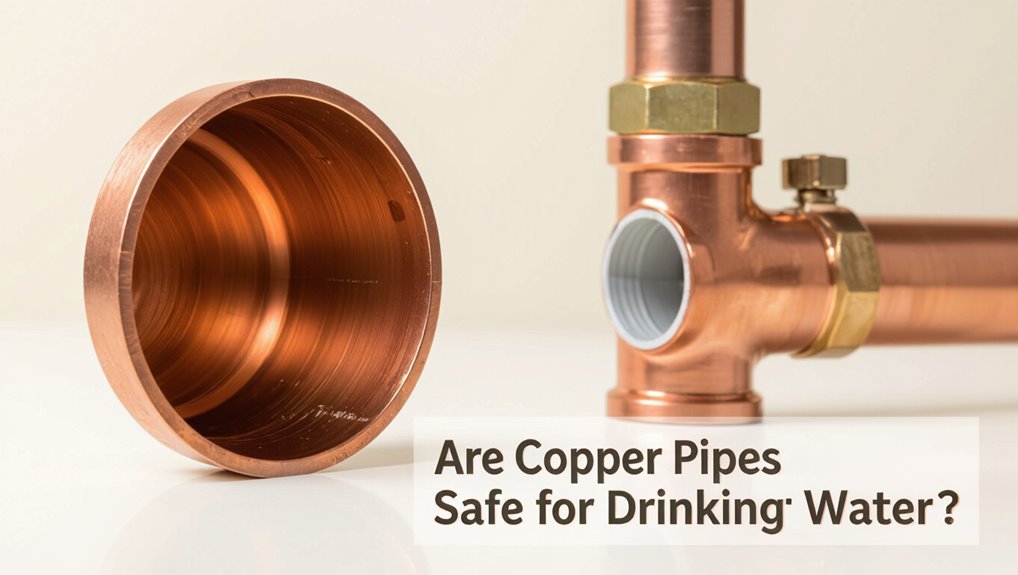
Are Copper Pipes Safe? Home Plumbing Guide & Health Tips
Copper plumbing is safe for drinking water if installed and maintained properly. However, factors like corrosion, acidic water, and aging fittings can lead to copper leaching, resulting in a metallic taste or blue-green stains. Short-term exposure may cause stomach upset, while chronic high levels can harm the liver and kidneys, especially in vulnerable groups like infants and those with Wilson’s disease. To minimize risks, flush your pipes, use cold water for drinking, conduct regular water tests, and consider using filters. This guide offers practical tips for prevention and inspection.
Are Copper Pipes Safe for Drinking Water?
Do copper pipes pose a risk for drinking water? Generally, copper plumbing is safe when properly installed and maintained.
While corrosion can release copper into the water, well-maintained systems typically keep copper levels below health-based limits. Factors such as water chemistry, stagnation time, and the condition of fittings can affect copper concentrations.
Older systems or homes with acidic water may experience higher copper levels. To minimize exposure, routine monitoring and corrosion control measures are recommended.
Additionally, using point-of-use filters certified for copper removal can provide extra safety. Overall, copper pipes are durable and have bacteriostatic properties, making them a viable option for drinking water when managed effectively.
Short Answer: Who’s at Risk and When Copper Matters
Certain groups are particularly at risk for elevated copper exposure, including infants, pregnant individuals, and those with Wilson’s disease or compromised kidney function.
Copper levels in water can become problematic due to factors like acidity, prolonged stagnation in pipes, or corrosion.
To determine the need for mitigation, assess water chemistry, the condition of plumbing, and the health of occupants.
Who’s Most Vulnerable
Certain groups are more vulnerable to elevated copper levels in plumbing due to specific health and environmental factors.
Infants and young children are at higher risk because their smaller body weight means that even small amounts of copper can have a larger impact.
Pregnant individuals should also be cautious, as copper exposure can affect fetal development.
Those with Wilson disease or other copper metabolism disorders, as well as individuals with chronic gastrointestinal issues, face increased risks.
Additionally, people using private wells, seldom-used fixtures, or living in homes with corroded pipes may encounter higher copper concentrations.
It’s important for healthcare providers, landlords, and homeowners to test and take action to protect these vulnerable populations from the health risks associated with excessive copper exposure.
When Copper Matters
Copper is essential for health, but high levels in drinking water can pose risks, especially for certain groups. Infants, pregnant individuals, and those with specific health conditions (like Wilson disease) are most vulnerable. People using private wells, homes with old plumbing, or those experiencing changes in water quality should also be cautious.
To ensure safety, consider these key actions:
| Risk Group/Location | Typical Signs | Recommended Actions |
|---|---|---|
| Infants/Pregnant People | Nausea, blue-green stains | Test water, use filters |
| Private Wells | High ppm readings | Regular testing, treatment |
| Old/Corroded Pipes | Discolored water | Replace or line pipes |
Taking prompt action can significantly reduce exposure and health risks associated with copper in drinking water.
How Copper Changes Water Quality and Taste
Copper pipes can introduce a subtle metallic taste to your water due to trace amounts of copper leaching into it.
This can also affect the mineral balance, altering the water’s hardness and flavor. The extent of these changes depends on the rates of corrosion and leaching over time.
If you’re concerned about water quality, consider testing for copper levels and exploring alternatives to copper plumbing.
Metallic Taste Development
How does copper affect the taste of drinking water?
Copper ions can give water a metallic or bitter flavor, influenced by factors such as concentration, water acidity, temperature, and stagnation time. Newly installed or disturbed copper pipes may lead to a stronger metallic taste due to higher initial leaching, which decreases as protective oxide layers form.
Water with low pH or low mineral content can increase copper ion release, intensifying the taste. To minimize this metallic flavor, avoid letting water sit in pipes for long periods, flush taps briefly before use, and prefer cold water for drinking.
Sensitive individuals may notice the taste at lower concentrations, raising concerns about water quality, even if copper levels are safe. Regular monitoring and corrosion control can help maintain a pleasant taste without posing health risks.
Mineral Content Changes
When plumbing incorporates copper, trace amounts of the metal can leach into drinking water, which may subtly alter its mineral content and taste. Typically, these changes are minor, with concentrations remaining low and often below health concern levels. However, variations in mineral balance can affect flavor, interact with water hardness, and influence freshness. Key factors such as water chemistry, pH, and source minerals dictate the degree of these changes.
| Factor | Effect on Minerals | Taste Impact |
|---|---|---|
| pH | Modulates solubility | Alters sharpness |
| Hardness | Competes with ions | Changes mouthfeel |
| Source chemistry | Baseline minerals | Determines change |
Consumers might notice slight metallic or mineral flavors, especially when levels fluctuate seasonally or following plumbing updates. Understanding these effects is essential for selecting suitable treatments, filters, or maintenance to maintain optimal water quality and taste.
Corrosion And Leaching
Corrosion and leaching in copper plumbing can affect water quality and taste. When water, especially if acidic or soft, interacts with copper pipes, it can release copper ions, leading to metallic, bitter, or slightly sweet flavors. Signs of elevated copper levels include blue-green staining.
To address these concerns, consider the following:
- Factors Influencing Leaching: pH, alkalinity, temperature, and water hardness can all impact copper leaching.
- Health Risks: Monitor copper levels, especially if they exceed regulatory limits, as chronic exposure can pose health risks.
- Mitigation Strategies: Options include adjusting pH, using corrosion inhibitors, replacing damaged pipes, or switching to alternative materials.
- Regular Monitoring: Conduct water testing and visual inspections to catch early signs of corrosion and take corrective action.
For the best water quality, stay proactive about maintenance and testing.
Health Risks From Copper: Short- and Long-Term Effects
Copper is a vital trace element, but excessive exposure can lead to significant health risks. Short-term exposure through ingestion or inhalation can cause symptoms like nausea, vomiting, abdominal pain, diarrhea, metallic taste, and headache. Severe cases may result in dehydration and electrolyte imbalances.
Long-term exposure raises the risk of liver and kidney damage, indicated by fatigue, jaundice, and altered kidney function. Neurological issues, such as irritability and cognitive disturbances, can also arise with prolonged excess intake.
Certain groups, including infants and individuals with Wilson’s disease or impaired liver function, are more susceptible to these effects.
If you suspect exposure, especially at low levels over an extended period, monitoring for potential hematological and immune system changes is advisable.
Why Copper Leaches: Causes and Common Warning Signs
Copper leaching in pipes can occur due to various factors that affect water chemistry and pipe integrity. Key causes include acidic or soft water, low mineral content, high dissolved oxygen, aggressive disinfectants, and physical abrasion.
Here are common warning signs to look out for:
- Metallic taste or odor in drinking water: A noticeable change in taste can indicate copper leaching.
- Blue-green stains on sinks or fixtures: This discoloration suggests copper corrosion.
- Brownish or cloudy water: Discoloration may signal metal dissolution into the water supply.
- Localized pinhole leaks or damp spots: These can indicate weakened pipe walls from corrosion.
To prevent health risks, routinely monitor your water quality and visually inspect your plumbing.
If you notice any of these signs, consider assessing your water’s chemistry and seeking professional help for mitigation strategies before pipe replacement becomes necessary.
Does Pipe Type or Age Change Corrosion Risk?
When it comes to copper plumbing, both pipe type and age significantly influence corrosion risk. Different copper alloys and manufacturing methods can affect how quickly corrosion occurs. For example, K-type and L-type copper pipes typically corrode more slowly than thinner, lower-grade tubing.
Additionally, connections made from brass or mixed metals can create galvanic potentials that increase localized corrosion.
As pipes age, their vulnerability to corrosion increases. Over time, protective layers can be compromised by changes in water flow, scale removal, or thermal cycling, exposing new metal to corrosion.
Older systems are often more prone to pinhole leaks and increased particulate release.
Test for Copper in Your Water and Pipes
How can homeowners test for copper in their plumbing and water? Here’s a straightforward guide:
- Visual Inspection: Look for greenish-blue stains around faucets, blue-green deposits, or discoloration in water after sitting.
- Water Testing: Use EPA-approved test kits or send samples to a lab to measure copper levels. Compare results to health standards.
- Pipe Inspection: Check visible pipes for copper material, signs of corrosion, or green patina.
- Sample Collection: Collect first-draw water samples (the first water after stagnation) and flushed samples to determine the source of copper.
- Professional Help: Consider hiring a licensed plumber or water quality specialist for accurate testing and to help interpret results.
This approach ensures you effectively identify any copper issues in your home’s water supply.
Simple Fixes to Reduce Copper in Tap Water
If you’re concerned about high copper levels in your tap water, here are some effective steps you can take:
- Flush Your Taps: Run cold water for 1-2 minutes before using, especially after water has been sitting in pipes for a while.
- Use Cold Water: Always use cold water for drinking and cooking, as hot water can dissolve copper more quickly.
- Install Filters: Consider adding point-of-use filters on kitchen faucets that are certified to remove copper (look for NSF/ANSI 53 or 58).
- Adjust Water pH: Keep your water pH neutral to slightly alkaline to reduce corrosion.
Consult a water treatment specialist for advice on adjustments or soda ash dosing.
- Maintain Fixtures: Regularly clean aerators and replace any old fixtures that may contain brass or copper alloys.
- Test Water Regularly: After making changes, periodically test your water to ensure copper levels have decreased.
Implementing these measures can help effectively reduce copper levels in your tap water.
Repair or Replace Copper Plumbing: Decision Checklist
When deciding whether to repair or replace your copper plumbing, consider the following key factors:
- Pipe Condition: Look for signs of corrosion, such as green or blue staining, and check for sediment buildup.
- Water Quality: Review recent water chemistry tests and elevated copper levels.
- Leak History: Count the frequency and locations of past leaks or repairs; multiple issues may indicate the need for replacement.
- Cost Comparison: Evaluate the immediate costs of repairs against the potential expenses of a full or partial replacement.
If you notice minor leaks or localized corrosion, repairs may suffice.
However, widespread damage or repeated failures typically warrant a full replacement to prevent further issues.
Always consult a plumber for a professional inspection and water analysis to guide your decision.
Prioritize safety, insurance requirements, and potential resale impacts.
Alternatives to Copper and Quick Maintenance Tips
When considering alternatives to copper piping, homeowners often look for materials that offer cost savings and durability.
Popular options include:
- PEX: Known for its flexibility and freeze resistance, PEX is less expensive to install but can be vulnerable to UV exposure and rodents.
- CPVC: This material is appreciated for its chemical resistance and ability to withstand high temperatures, though it may become brittle over time.
- Stainless Steel: Offering exceptional durability, stainless steel is ideal for corrosive environments, but it comes with a higher price tag.
To maintain your piping system and extend its lifespan, follow these quick maintenance tips:
- Conduct visual inspections regularly for leaks or signs of corrosion.
- Flush your lines after periods of stagnation to prevent buildup.
- Insulate exposed pipes to protect against temperature fluctuations.
- Monitor water chemistry to minimize corrosivity.
- Replace worn fittings promptly to avoid leaks.
- Schedule professional inspections every few years for thorough checks.
Conclusion
Copper plumbing is generally safe, but around 10% of U.S. homes have copper levels exceeding the EPA’s action guideline, posing some risk. Short-term exposure can lead to stomach upset, while long-term ingestion or corrosive water may raise concerns for liver and kidney health, especially in infants and individuals with Wilson’s disease. To ensure safety, consider routine testing, pH control, corrosion inhibitors, or targeted replacements when evaluating copper pipes.