How Much Pipe Tape to Use: Quick Guide for Sealing Pipes Correctly
Key Takeaway: How Much Pipe Tape to Use for Sealing Pipes
For sealing typical threaded pipe joints, it’s essential to apply PTFE tape correctly. Here’s a quick guide:
- Application: Wrap the tape clockwise to match the tightening direction.
- Layering: Use enough layers to fill gaps without hindering metal engagement.
- Recommended Wraps:
- Small NPT (1/8″–1/4″): 3–4 wraps
- 3/8″–1/2″: 4–6 wraps
- Larger or Damaged Threads: May require more wraps
- Tape Type: Use yellow gas tape for fuel lines, heavier tape for coarse threads, and consider using paste for high-pressure or damaged fittings.
Follow these guidelines to ensure a proper seal and prevent leaks.
Quick Answer: How Many Wraps of Pipe Tape Per Joint?
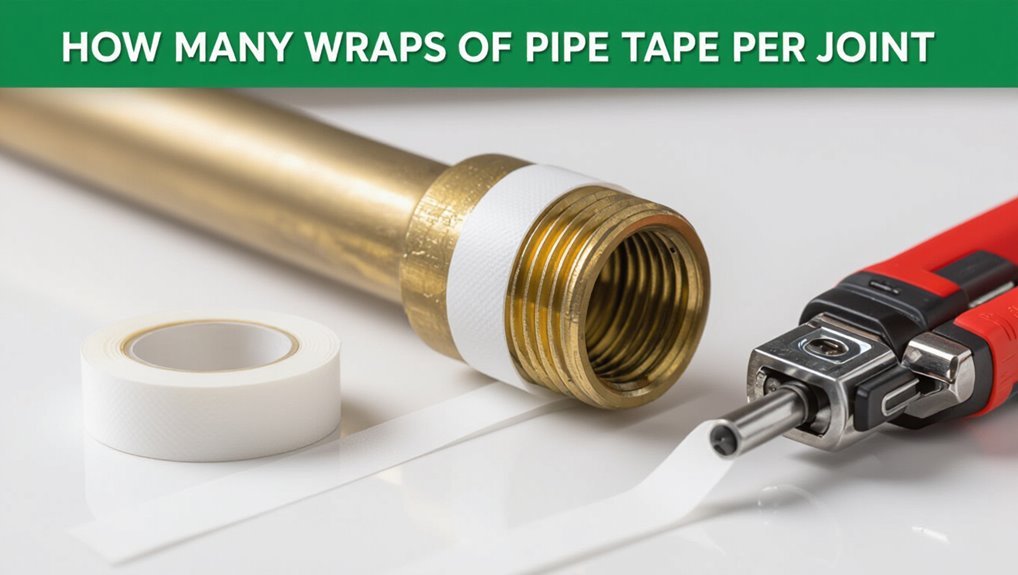
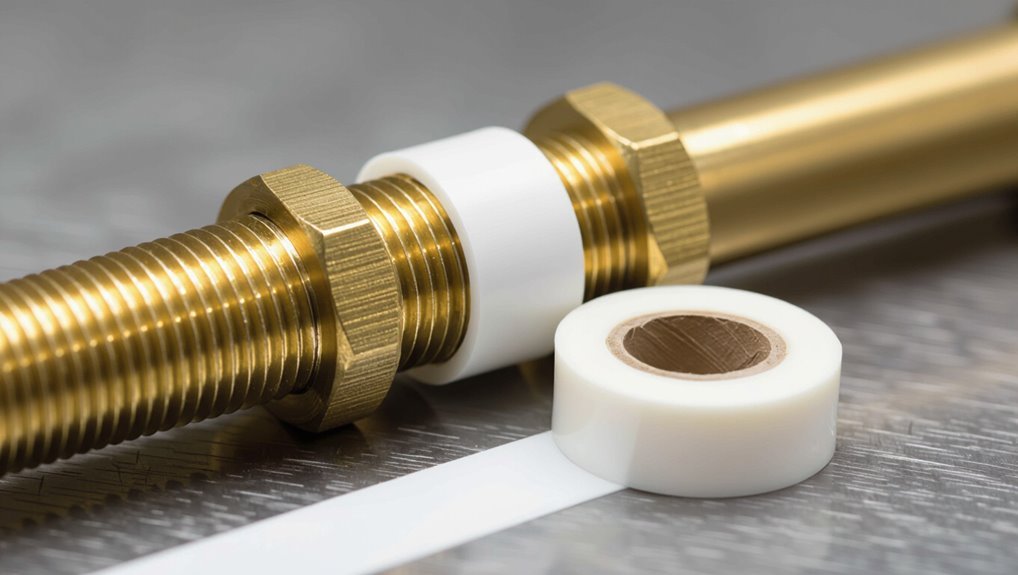
Typically, plumbers recommend wrapping PTFE (Teflon) tape around male pipe threads three to five times per joint; this range provides enough sealing material to fill thread gaps without causing excess buildup that can prevent proper threading or shear off into the pipeline.
For most household plumbing, three wraps suffice on standard NPT threads; thicker or damaged threads may benefit from four or five wraps. Wrap in the direction of threading, overlap slightly, and keep tape tensioned to avoid bunching.
Excessive layers can impede proper tightening and increase leak risk. Clean, dry threads and correct wrap count yield reliable, repeatable seals.
When to Use PTFE Tape vs Thread Sealant (Pipe Dope)
The choice between PTFE tape and thread sealant depends on application, materials, and pressure requirements. PTFE tape suits most water and gas fittings for ease and clean removal, while pipe dope offers better sealing on uneven threads, high-pressure systems, or dissimilar metals.
In some cases a thin layer of dope over tape combines the benefits of lubrication, gap filling, and long-term sealing.
When To Use PTFE
Choose between PTFE tape and thread sealant based on the joint type, pressure, and fluid being conveyed. PTFE tape suits metal pipe threads where clean, dry assembly is possible and moderate pressures and nonreactive fluids are present. It seals by filling thread voids and lubricates during tightening, reducing galling risk. Use PTFE when disassembly may be needed or when fitting tolerances are tight.
- Use PTFE for standard plumbing threads and low-to-moderate pressure lines.
- Prefer PTFE with water, air, and many noncorrosive gases.
- Avoid PTFE where high pressure, aggressive chemicals, or submerged joints demand other solutions.
When To Use Pipe Dope
When conditions make PTFE tape less suitable, thread sealant (pipe dope) becomes the better option for creating leak-tight metal pipe joints. Pipe dope suits tapered metal threads, high-pressure lines, and fittings subject to vibration or movement because it fills imperfections and bonds threads, reducing loosening and leaks.
It works with lubricating compounds for easier assembly and permits disassembly without thread damage when chosen correctly. Use oil- or solvent-based formulations for fuel, gas, or outdoor exposure and water-safe variants for plumbing. Avoid dope on plastic threads unless specified. Follow manufacturer cure times and application thickness for reliable seals.
Combining Tape And Dope
Decide between PTFE tape and thread sealant based on thread type, service conditions, and maintenance needs: PTFE tape suits clean metal threads and low-pressure water lines where disassembly may be needed, while pipe dope is preferable for tapered metal threads, high-pressure systems, gas or fuel lines, or fittings exposed to vibration.
Combining both can be effective when manufacturers allow it, using tape to fill voids and dope to bond and protect threads. Consider these guidelines:
- Use tape alone for easily serviced, noncritical water lines.
- Use dope alone for pressure, gas, or tapered threads.
- Use both only when compatible and needed.
NPT vs BSPP: Why Thread Type Changes Tape Use
Comparing NPT and BSPP threads reveals why tape use differs: NPT is a tapered, seal-by-interference thread that often requires tape to fill gaps and aid sealing, while BSPP is a parallel, straight thread that seals primarily at a mating face and may need less or different tape application.
For NPT, wrap tape clockwise around the male taper to complement metal-to-metal engagement and prevent leakage; multiple thin wraps are typical.
For BSPP, tape use depends on whether a gasket or flat face provides the seal; excessive tape can obstruct the face seal.
Thread standard, pressure, and fluid type guide tape choice.
How to Identify Your Pipe Thread Size Fast
After noting how thread type affects tape use, identifying a pipe’s thread size quickly becomes the practical next step for proper sealing. A fast, reliable approach helps choose the right tape amount and prevents leaks.
- Measure outside diameter (OD) with calipers; compare to a chart for nominal size.
- Count threads per inch (TPI) using a small ruler or thread gauge to distinguish NPT from BSPP variants.
- Check fit with a mating coupling or use a known-size adapter; hand-threading should feel snug without excessive play.
Record results and label fittings to speed future maintenance and tape selection.
PTFE Tape Grades: Standard, Heavy, and Gas-Rated Explained
Several distinct PTFE tape grades exist to match differing pipe materials, pressures, and fluid types.
Standard white tape suits common plumbing: water lines and low-pressure fittings.
Heavy-duty (often thicker or denser) tape provides improved gap filling and durability for coarse threads or higher vibration.
Gas-rated (usually yellow) tape is formulated and certified for fuel and natural gas systems; it resists permeation and meets relevant codes.
Selection depends on application: use standard for everyday water, heavy for robust mechanical connections, and gas-rated only for gas service.
Proper grade selection improves seal reliability and compliance with safety requirements.
Why Tape Thickness (Mils) Changes Required Wraps
While tape grade determines chemical compatibility and density, the thickness of PTFE measured in mils directly affects how many wraps will create an effective seal.
Thicker tape fills threads faster, reducing wraps needed; thinner tape requires more layers to achieve equivalent compression and gasketing.
Installers adjust wrap count based on mils to avoid gaps or excess buildup that can prevent proper joint engagement.
- Thinner (3–4 mil): more wraps to reach sealing thickness, higher risk of unfilled voids.
- Medium (7–10 mil): moderate wraps, common for general plumbing.
- Thick (12+ mil): fewer wraps, suited for coarse threads and gas fittings.
How Tape Direction Affects Sealing Success
Proper wrap direction influences the effectiveness of pipe tape by ensuring it follows the thread angle.
The tape should be applied in the same rotational direction that tightens the fitting so that it does not bunch or unwind as threads engage.
Following the thread helix keeps the seal consistent and reduces the chance of gaps.
Wrap Direction Matters
How should tape be wrapped around pipe threads to guarantee a reliable seal? The wrap direction should follow the rotation direction used when tightening the fitting so the tape does not bunch or unravel during assembly. Consistent wrapping prevents gaps and maintains compression as metal threads engage.
- Wrap in the same direction as final threading to avoid unspooling.
- Overlap each turn by about half the tape width for uniform coverage.
- Stretch lightly and smooth the tape into thread grooves to fill voids without excess bulk.
Proper direction reduces leaks and speeds installation when combined with correct tape quantity.
Threads Should Guide Wrap
Following the guidance to wrap in the same direction as final threading, the threads themselves serve as the practical guide for how tape should lie on the fitting.
Observing thread pitch and orientation guarantees tape overlaps follow helix lines, preventing bunching or bridging that compromises seal integrity.
Aligning tape with thread travel allows fittings to draw tape into crevices as tightened, enhancing thread engagement and reducing risk of unraveling.
For tapered threads, begin at the end and progress toward the body, keeping tension consistent and trimming excess.
Properly guided wraps produce uniform compression, predictable sealing behavior, and fewer leaks under pressure.
How Many Wraps for 1/8″–1/4″ NPT Threads?
Typically, for 1/8″–1/4″ NPT threads, three to four wraps of PTFE tape provide a reliable seal without overbuilding the joint. The smaller diameter and finer thread pitch favor a modest application that fills voids and prevents leaks while allowing proper thread engagement. Excess tape can bunch and inhibit tightening; too little risks seepage. Preparation—clean, dry threads—and wrapping direction matching thread turn remain important. Guidance follows:
- Use 3 wraps for light-duty, steady-pressure fittings.
- Use 4 wraps when higher pressure or slight thread damage exists.
- Avoid more than 4 wraps to prevent assembly issues.
How Many Wraps for 3/8″–1/2″ NPT Threads?
For 3/8″–1/2″ NPT threads, four to six wraps of PTFE tape are generally recommended to guarantee a reliable seal while maintaining proper thread engagement; the larger diameter and coarser pitch require slightly more tape than smaller sizes to fill gaps and resist pressure.
Apply tape clockwise from the first thread toward the pipe end, overlapping about half the tape width each pass. Avoid excessive layering that prevents full thread coupling.
Smooth tape into threads with finger pressure to seat it, and trim loose edges. For dissimilar metals or high-temperature systems consider thread sealant compatibility instead of extra tape.
How Many Wraps for 3/4″–1″ NPT Threads?
Three to five wraps of PTFE tape are commonly recommended for 3/4″–1″ NPT threads to balance sealing and thread engagement; these larger-diameter, coarser-pitch threads need slightly more tape than smaller sizes to fill voids and resist pressure without preventing full coupling.
For typical plumbing and low-to-moderate pressure gas lines, three wraps often suffice; use four to five wraps for higher pressures or rougher threads.
Apply tape clockwise, overlap evenly, and avoid covering the first thread to prevent bunching.
- Use 3 wraps for standard applications.
- Use 4–5 wraps for higher pressure or damaged threads.
- Inspect fit before final tightening.
Wraps for 1-1/4 and Larger NPT Threads
Larger NPT sizes such as 1-1/4″ and above generally require more PTFE tape than smaller diameters because their coarser threads and wider gaps demand greater compound volume to seal reliably. For 1-1/4″ to 2″ threads, typical guidance is 6–8 wraps; for larger sizes, 8–12 wraps may be appropriate. The installer should apply firm, even tension, covering threads without bunching. Excess tape can interfere with fit, so avoid overbuilding. When using sealant paste in combination, reduce tape accordingly. Refer to manufacturer recommendations for critical systems and always test assemblies for leaks after pressure-up.
| Size Range | Recommended Wraps |
|---|---|
| 1-1/4″–2″ | 6–8 |
| >2″ | 8–12 |
Adjusting Wrap Count for Tapered vs Straight Threads
Because tapered threads create a wedging action that compresses sealant as the male and female components tighten, fewer wraps of PTFE tape are usually needed than on straight threads, which do not generate the same interference and consequently rely more on tape volume to fill gaps.
Guidance differentiates both types for reliable seals:
- Tapered threads: apply 2–3 wraps, focusing near the thread start to prevent excess buildup.
- Straight threads: apply 4–6 wraps or use a complementary sealant to compensate for lack of wedging.
- Inspect and test assemblies; add or remove wraps based on leak performance.
Tape Use on Bronze, Brass, Steel, and PVC Fittings
Material compatibility affects both tape selection and wrap technique.
Bronze and brass accept standard PTFE tape; thin, fewer wraps prevent overbuild that can misalign fittings.
Steel threads tolerate thicker, denser tape for added sealing and corrosion resistance; consider pipe dope on older or damaged threads.
For PVC, use PTFE designed for plastic or a lighter wrap to avoid splitting brittle threads; avoid solvent-based compounds that soften plastic.
When dissimilar metals join, choose non-reactive tape and minimal layers to reduce galvanic risk.
Clean, dry threads and consistent wrapping direction remain essential for all four materials.
Temperature and Pressure: Choosing Tape and Wrap Count
Often, selection of PTFE tape type and the number of wraps depends on the operating temperature and pressure of the system. Higher pressures generally require more wraps to fill threads and prevent blowout; elevated temperatures can thin tape effectiveness and demand heat-rated variants. Consider thread fit, sealant compatibility, and service fluid when adjusting wrap count.
Guidance examples:
- Low pressure, ambient temperature: 2–3 wraps for standard PTFE.
- Moderate pressure or vibration: 4–6 wraps and tighter winding.
- High pressure or elevated temperature: use heat/pressure-rated tape and 6+ wraps, verifying manufacturer limits.
Choosing the Right PTFE Tape Grade for the Job
Which PTFE tape grade best suits a given application depends on pressure, temperature, chemical compatibility, and thread type. The guide differentiates common grades: standard white for general plumbing, thicker white for higher pressure, yellow gas-grade for fuel lines, and specialized filled tapes for chemical resistance. Selection prioritizes compatibility with media and thread form; denser or filled tapes improve sealing where plastics or tapered threads are present. Inspect specifications for temperature and chemical charts. Test under operating conditions when uncertain. Proper grade reduces leaks and avoids tape degradation, complementing correct wrap count and installation technique.
| Application | Recommended Grade |
|---|---|
| General plumbing | Standard white |
| High pressure | Thick white |
| Gas/fuel | Yellow gas-grade |
| Chemical exposure | Filled/specialty-grade |
How Tape Thickness Dictates Wraps: Examples and Table
The section outlines common PTFE tape thickness categories and the typical number of wraps recommended for each.
It then presents concise example calculations showing how many wraps are required for various tape thicknesses on standard pipe diameters.
A clear table summarizes thickness-to-wrap conversions for quick reference.
Tape Thickness Categories
Grouping tape by thickness clarifies how many wraps are needed for a reliable seal: thin tapes (around 3–5 mil) require many more turns, medium tapes (6–8 mil) balance ease and coverage, and thick tapes (10+ mil) build a solid seal with fewer wraps.
Categories focus on material behavior, compressibility, and gap-filling capacity. Selection depends on pipe type, pressure, and thread condition.
Typical categories:
- Thin (3–5 mil): flexible, conforms well but needs more layers.
- Medium (6–8 mil): general-purpose, good balance of conforming and sealing.
- Thick (10+ mil): fills larger gaps, fewer wraps required.
Wraps Per Thickness
Different tape thicknesses call for different wrap counts to achieve a reliable seal: thinner tapes require many more turns to build up sufficient material, medium tapes balance wraps and coverage, and thick tapes reach sealing bulk with fewer passes.
Guidance ties tape gauge to recommended wraps per thread pitch: ultra-thin (0.05–0.07 mm) often needs 8–12 wraps; standard (0.10–0.15 mm) typically uses 4–8 wraps; heavy (0.18–0.25 mm) commonly requires 2–4 wraps.
Adjust for thread size, pressure, and application. Overlapping evenly and wrapping downstream prevents gaps.
Inspect visually and test for leaks rather than relying on counts alone.
Example Wrap Calculations
When calculating wraps, tape thickness and thread pitch together determine how many overlapping turns are required to form a continuous, compressible seal.
Examples clarify: a fine-pitch 1/16″ thread with 0.003″ tape may need 6–8 wraps for three-layer overlap; a standard 1/8″ pitch with 0.004″ tape often uses 4–6 wraps; a coarse 1/4″ pitch with 0.006″ tape can seal with 2–4 wraps.
Practical tables map pitch, tape thickness, and recommended wraps.
Installers should adjust by thread damage, pipe diameter, and pressure; when in doubt, add one extra wrap and test for leaks.
Estimating Tape Length Per Joint (Quick Math)
A simple rule of thumb makes estimating tape per joint quick: multiply the pipe’s nominal diameter by the number of wraps recommended (commonly 6–8 for standard threads) and add a small allowance for overlap and end tuck—about 10–15% extra.
Using this, calculate circumference ≈ π × diameter, then multiply circumference by wrap count to find raw length. Apply the 10–15% allowance for security, rounding up to avoid shortage.
For fittings with tapered threads, add slightly more allowance due to deeper engagement.
Record the result in inches or millimeters per joint for consistent, repeatable application.
Calculating Rolls Needed for a Project
Estimate total tape needs by multiplying the per-joint length (from the previous calculation) by the number of joints, then converting that total length into rolls using the roll length specified by the manufacturer. The calculation yields required rolls; include a small contingency (10–20%) for waste or tight wraps. Round up to whole rolls since partial rolls are impractical.
- Calculate: per-joint length × number of joints = total length.
- Convert: total length ÷ roll length = raw roll count.
- Adjust: add contingency and round up to obtain final roll quantity.
Document assumptions (joint types, overlaps) to avoid underordering.
Step-by-Step: Wrap Pipe Tape for a Leak-Free Seal
In preparing to wrap pipe tape for a leak-free seal, the installer first verifies threads are clean, dry, and free of old tape or sealant so the tape seats evenly.
Next, the tape is unrolled toward the thread end, holding the tape with slight tension. The wrap proceeds clockwise so the tape follows the tightening direction, overlapping each pass by about half the tape width.
Three to five full turns cover standard threads; thicker or damaged threads may need more.
After wrapping, the installer presses the tape into crevices, trims the excess flush, and assembles fittings without disturbing the seal.
Common Wrapping Mistakes and How to Avoid Them
Common wrapping mistakes often stem from improper overlap, too many layers, or wrapping in the wrong direction.
Overlapping should be consistent to maintain a uniform seal without adding bulk.
Wrapping direction must follow the thread orientation to prevent unraveling and avoid excess tape that can impede fitting.
Overlapping Wraps Correctly
Often, installers err by overlapping thread seal tape inconsistently, which compromises the seal and wastes material. Proper overlap guarantees uniform compression and avoids gaps where leaks form.
The following concise practices prevent common errors:
- Wrap snugly in the thread direction, overlapping each pass about half the tape width to create a continuous barrier.
- Maintain even tension; too loose leaves voids, too tight stretches and thins the tape, reducing effectiveness.
- Start one thread back from the pipe end to prevent tape shredding into the joint and finish flush with threads for a clean seal and reliable engagement.
Avoiding Excess Layers
Regularly, installers pile on too many layers of thread seal tape, creating bulk that prevents proper thread engagement and invites leaks.
Excessive wrapping compresses inconsistently, distorts fittings, and can shear off into the flow path.
The correct approach uses only enough tape to fill thread roots without building a thick cushion.
Inspect tape thickness visually and by feel before assembly, and remove surplus layers if threads won’t seat smoothly.
Use steady, even tension when applying and stop after the recommended number of turns for the thread type.
When in doubt, rewrap clean threads rather than adding more material to an existing roll.
Direction Of Wraps
After removing excess tape and confirming a smooth fit, attention turns to the direction of wraps.
Consistent wrapping prevents unraveling and assures seals compress correctly when fittings tighten.
The tape should follow the thread spiral so tightening drives tape into threads rather than bunching.
- Wrap with the thread direction to avoid loosening when assembly rotates.
- Overlap each turn about half the tape width for continuous coverage without bulking.
- Stop short of the pipe end to prevent tape entering the flow and to allow the first thread to seat cleanly.
Proper direction reduces leaks and speeds reliable installations.
Using PTFE Tape on Tapered (NPT) Fittings Correctly
When joining tapered NPT fittings, PTFE tape must be applied so it fills the threads without building a thick ridge that interferes with thread engagement; the goal is a thin, uniform wrap that improves sealing on the male threads while allowing the taper to tighten fully into the female fitting.
The installer wraps tape clockwise from the first full thread back toward the pipe body, covering threads evenly while keeping tape tension moderate.
Typically two to three wraps suffice; excess material risks jamming or preventing metal-to-metal contact.
After wrapping, the tape tail is smoothed into the grooves and the fitting tightened to specification for a reliable seal.
Using Tape on Parallel (BSPP/Straight) Fittings Correctly
In dealing with parallel (BSPP) or other straight-thread fittings, PTFE tape should not be relied on to seal the thread face-to-face but used only on the male thread to protect against leakage through minor surface imperfections while allowing the sealing washer, O‑ring, or metal shoulder to provide the primary seal. Proper technique matters: wrap tape clockwise, smooth edges, and avoid covering the first thread to prevent interference with the seat.
Considerations include:
- Use light, even wrapping—2–3 turns typically suffice.
- Make certain the sealing surface (washer/O‑ring) is intact and clean.
- Tighten fittings to manufacturer torque to compress the seal.
Combining Tape With Thread Sealant Safely
Having established that PTFE tape on parallel (BSPP) fittings serves only as a supplemental barrier while the washer or O‑ring provides the primary seal, combining tape with a compatible liquid thread sealant can offer added protection against leaks in questionable threads or under vibration. The practitioner should select sealants rated for use with PTFE, apply tape first in the thread direction, then a thin bead of sealant sparingly to avoid squeeze‑out and contamination. Allow cure time per manufacturer. Avoid mixed chemistries and high‑pressure incompatibilities.
| Material | Order | Cure |
|---|---|---|
| PTFE | first | none |
| Sealant | second | specified |
| Notes | sparing | verify |
Removing Old Tape and Preparing Threads for Resealing
Before applying new sealant, the old PTFE tape and any residue must be fully removed so threads sit clean and undamaged for reliable resealing. Proper preparation prevents leaks and guarantees tape adherence.
Inspect threads for corrosion, nicks, or deformities; replace fittings if defects compromise the seal. Clean threads using a brass brush or soft wire brush to remove tape fragments and debris, then wipe with a lint-free cloth and a suitable solvent like isopropyl alcohol.
Allow drying before reapplying tape. Follow this concise sequence:
- Inspect threads for damage.
- Brush and remove residue.
- Solvent wipe and dry before resealing.
How Long Tape Seals Should Last Under Normal Use
Once threads are properly cleaned and resealed with PTFE tape, the expected lifespan of that seal under normal household conditions is typically measured in years rather than months.
Longevity depends on factors like water chemistry, temperature cycles, vibration, and joint assembly quality. Indoor potable water lines in stable environments commonly remain leak-free for 5–20 years.
Occasional thermal expansion or minor movement can shorten this, while correct tape application and proper torque extend it.
External corrosive environments or high-pressure, high-temperature systems reduce lifespan markedly. Routine visual checks are prudent, but under normal use PTFE tape provides durable, long-lasting seals.
Inspecting and Pressure-Testing Taped Joints
Inspect the taped joint visually and then subject it to a controlled pressure test to confirm sealing integrity. The inspector looks for uniform tape coverage, no gaps or wrinkles, and proper tape end seating.
After visual approval, gradually apply pressure to rated operating levels while monitoring for drops or audible leaks.
- Record baseline pressure, hold for specified dwell time, note any decline.
- Inspect threaded area and adjacent fittings under pressure for seepage or sweat.
- Release pressure slowly, re-inspect tape condition and retighten if fittings shifted.
Document results and follow safety protocols during testing.
Troubleshooting Persistent Leaks After Taping
If pressure testing reveals persistent leaks despite proper tape application and visible coverage, troubleshooting should proceed systematically to identify root causes.
First, confirm tape direction and number of wraps; improper overlap can leave gaps. Next, disassemble and inspect threads for damage, corrosion, or contaminants that prevent sealing. Check thread type and fit — tapered versus straight threads may need different sealing approaches. Clean mating surfaces thoroughly and reapply tape starting at the first thread, stretching slightly for adhesion.
If leaks persist, try a compatible pipe joint compound or replace damaged fittings. Document findings and retest under controlled pressure conditions.
Tape on Gas Lines vs Water Lines: Safety and Rules
The article contrasts code-mandated requirements for gas line sealing with accepted practices for plumbing to clarify when specialized products are required.
It notes approved water-safe tape types and warns that not all thread sealants are suitable for potable systems.
It also outlines basic installation safety practices to prevent leaks and comply with regulations.
Gas Line Code Requirements
When connecting threaded gas fittings, installers must follow specific code requirements that differ from those for water lines, because gas systems demand materials and methods that guarantee airtight seals and resist combustion hazards. Codes typically mandate approved sealing compounds or yellow (gas-rated) PTFE tape, proper thread engagement, and torque limits. Inspectors require visible marking and manufacturer compliance.
Common rules include:
- Use only gas-approved thread sealant or yellow PTFE tape wrapped clockwise (typically 2–3 wraps).
- Do not use paste or tape rated solely for water or mixed chemicals.
- Follow local code and utility company specifications, and obtain inspection.
Water-Safe Tape Types
Frequently, plumbers and DIYers must distinguish between tape types for gas and water lines because safety, material compatibility, and code compliance differ sharply.
For potable water, plumber’s (PTFE) tape rated for drinking water systems should be used; it is typically white, thin, and chemically inert. Use only tapes labeled safe for potable water and compatible with pipe material and fittings. Avoid using yellow gas-rated tape on water lines.
For metal versus plastic threads, select appropriate thickness and consider thread sealants when specified. Documentation and manufacturer guidance determine acceptable products; local codes may mandate specific certifications for potable water applications.
Installation Safety Practices
Distinguishing tape use on gas versus water lines is critical for safety and code compliance: gas fittings require fuel-rated sealants (often yellow PTFE) and stricter application practices, while potable water systems demand water-safe, non-toxic tapes and adherence to manufacturer and regulatory specs.
- Follow codes: verify local code and manufacturer instructions before selecting tape; improper choice voids warranties and risks leaks.
- Apply correctly: clean threads, wrap in direction of thread engagement, avoid overwrapping which prevents proper tightening; count consistent turns per fitting type.
- Inspect and test: pressure-test installations, check for odor or moisture, and replace tape after disassembly or damage.
Using Tape on Plastic Fittings Without Damaging Threads
Because plastic threads can be softer and more easily distorted than metal, selecting and applying thread seal tape requires care to prevent cross-threading or stripping. One method is using thinner PTFE (3–4 mil) and wrapping 2–3 turns clockwise, keeping tape tension light. Avoid overwrapping and make certain tape does not extend beyond the first thread to prevent extrusion into fittings. Inspect threads for burrs and clean debris before application. Hand-tighten then finish with minimal wrench force suited to plastic. The table summarizes key choices and limits.
| Tape Type | Wraps | Max Torque Guidance |
|---|---|---|
| Thin PTFE | 2–3 | Low |
| Regular PTFE | 3–4 | Moderate |
Tape Performance in High-Heat and Cryogenic Systems
How does PTFE tape behave outside typical temperature ranges? In extreme heat PTFE softens, loses some mechanical strength, and may creep under sustained pressure; in cryogenic conditions it becomes stiffer and retains sealing properties but can embrittle adhesives or fillers. Selection and application adjust for temperature extremes.
- High-heat: expect reduced tensile strength, avoid prolonged exposure above rated temperature, and consider thicker wraps or high-temp grades.
- Cryogenic: PTFE remains chemically stable but monitor for thermal contraction and differential expansion at joints.
- Testing: validate assembly under real-temperature cycles to confirm leak-free performance and material compatibility.
Yellow Gas Tape vs White PTFE: When to Use Each
When should one choose yellow gas tape over plain white PTFE? Yellow tape is specified for gas lines due to thicker, denser formulation and manufacturer labeling; white PTFE suits water, compressed air, and general plumbing. Selection depends on application, pressure, and regulatory requirements. Consider compatibility, presence of additives, and code mandates rather than aesthetics.
| Feature | Recommendation |
|---|---|
| Application | Yellow for gas; white for water/air |
| Thickness | Yellow thicker; better for thread fill |
| Regulatory | Follow local codes; gas often mandates yellow |
| Chemical compatibility | Check fluids and additives |
Inspect joints and follow fitting manufacturer guidance.
How Many Wraps When Using Gas-Rated (Yellow) Tape?
After choosing yellow gas-rated PTFE for a gas line based on compatibility and code, attention turns to the number of wraps applied to the male threads.
Guidance balances seal integrity and avoidance of excess tape that could interfere with fittings.
Typically, installers apply:
- Three full wraps for most 1/8″–1″ NPT fittings where thread engagement is standard.
- Four to five wraps for coarse or worn threads needing more fill.
- Two wraps for very fine threads or shallow engagement to prevent bulk.
Wrap direction follows thread pitch; smooth, even overlap without bunching guarantees a reliable gas-tight seal.
Storing PTFE Tape to Preserve Performance
In storage, PTFE tape retains its sealing properties best when kept clean, dry, and shielded from UV and extreme temperatures.
Stored rolls should remain in original packaging or sealed containers to prevent dust, grease, or moisture contamination.
Shelving in a cool, stable environment away from direct sunlight preserves pliability and prevents deformation.
Avoid heavy stacking that crushes cores or causes edge fraying.
Labeling with purchase date and grade helps rotate stock and use older rolls first.
Inspect tape before use for brittleness, discoloration, or adhesive loss; damaged rolls should be discarded to guarantee reliable seals.
How UV and Chemicals Affect Tape Life
Exposure to sunlight can cause PTFE tape to become brittle and lose sealing effectiveness over time.
Chemical exposure requires checking compatibility tables, since solvents and strong acids or bases can degrade tape or its adhesive properties.
In corrosive or UV-rich environments, applying protective coatings or using specialized tape formulations is recommended to extend service life.
UV Exposure Effects
Under prolonged sunlight, pipe tape undergoes chemical and physical changes that reduce sealing performance. UV breaks polymer chains, causing embrittlement, loss of elasticity, and microcracking. Color fading signals degradation but does not quantify remaining strength.
- Inspect regularly: look for stiffness, cracking, and adhesive failure after outdoor exposure.
- Limit exposure: store rolls in opaque containers and avoid prolonged sun on installed joints.
- Replace proactively: when tactile or visual signs appear, swap tape to prevent leaks rather than relying on age.
These practices extend service life without addressing specific chemical compatibility, which requires separate evaluation.
Chemical Compatibility Concerns
Sunlight-induced breakdown of polymers often accelerates the effects of chemical contact, so consideration of chemical compatibility follows naturally from UV-related concerns. Tape formulation determines resistance to acids, bases, solvents, oils and fuels; selecting tape rated for the specific fluid prevents swelling, softening, embrittlement or adhesive failure. Temperature and exposure duration interact with chemical aggressiveness to shorten service life. Compatibility charts and manufacturer datasheets provide guidance; when uncertain, test samples under realistic conditions.
In retrofit or mixed-material systems, guarantee adhesives do not react with sealants or pipe coatings. Periodic inspection compensates for unforeseen chemical degradation.
Protective Coatings Needed
When subjected to UV radiation and chemically aggressive environments, most common thread-sealing tapes lose flexibility, adhesion, or thickness unless guaranteed by appropriate coatings. A thin, compatible protective layer prolongs tape life by blocking UV, resisting solvents, and reducing mechanical abrasion. Selection depends on exposure, temperature, and chemical type; silicone, fluoropolymer, or polyurethane coatings are common choices. Application must guaranteed full coverage without altering thread fit or curing to a brittle state. Consider compatibility testing before field use.
Recommended practices:
- Use UV-stable coatings for outdoor lines.
- Choose chemical-resistant coatings for solvent exposure.
- Inspect coatings periodically for degradation.
Wrapping Technique for Tight or Awkward Fittings
For tight or awkward fittings, proper wrapping technique focuses on maintaining tape alignment and tension so the seal remains continuous without bunching or gaps.
The practitioner begins at the thread shoulder, anchoring the tape with a few initial turns while pulling taut to conform to thread contours.
Wrap in the direction of thread engagement so tape won’t unravel during assembly.
Use short, overlapping passes for confined areas and smooth each layer with a fingertip to prevent air pockets.
Trim excess cleanly and press the final edge flat.
If needed, employ a small tool or pick to guide tape into recessed threads.
How Pros and Plumbers Decide Wrap Count On-Site
Typically, experienced plumbers quickly assess pipe size, thread type, pressure requirements, and the material being joined to determine wrap count. They rely on experience, visual cues, and simple rules of thumb to choose tape layers that guarantee a leak-free joint without excess buildup. Decisions factor in thread pitch, sealant compatibility, and whether fittings are metal or plastic. On-site judgment balances ease of assembly with sealing effectiveness.
- Small, fine-thread fittings: 3–5 wraps.
- Standard plumbing threads: 5–7 wraps.
- High-pressure or coarse threads: 7–10 wraps.
Codes and Regulations for Tape Use (Gas & Water)
The article next addresses regulatory requirements that govern tape use on water and gas fittings, noting that local plumbing codes can specify acceptable materials and application methods.
It highlights that gas line work often requires tapes meeting specific standards and certifications separate from those for potable water.
Readers are reminded that compliance with local code and applicable gas line standards is essential to guarantee safety and pass inspection.
Local Plumbing Code Requirements
In municipalities across different jurisdictions, local plumbing codes dictate whether and how thread sealant tape may be used on water and gas fittings, specifying acceptable materials, application methods, and any prohibitions to guarantee safety and compliance.
Inspectors and code books often require documented approvals or specific tape types for potable water and for fuel gas. Installers must consult local code language, permits, and inspection requirements before sealing connections.
Common code concerns include compatibility, number of wraps, and joint testing. Failure to follow local rules can void permits or insurance.
- Verify permitted tape types.
- Follow prescribed application practices.
- Keep proof of compliance.
Gas Line Tape Standards
Why does gas-line tape attract more regulatory attention than general plumbing sealants? The text explains that gas systems pose higher explosion and inhalation risks, so codes mandate approved materials and application methods.
Regulations specify tape type—often yellow PTFE rated for gas—wrap direction, number of turns, and compatibility with pipe alloys and joint compounds. Inspectors enforce manufacturer listings, certification marks (e.g., ASTM, ANSI), and local authority having jurisdiction (AHJ) rules.
Water-line tape may allow generic PTFE; gas service requires certified products and documented installation. Compliance reduces leaks, liability, and failed inspections, ensuring safe, code-compliant gas connections.
Tape for Quick DIY Fixes vs Permanent Repairs
When weighing tape as a temporary fix versus a long-term solution, consider planned pressure, joint movement, and exposure to elements: tape can quickly seal small threads or slow a leak, but it rarely matches proper fittings, sealants, or soldering for durability and safety.
Tape suits short-term DIY stops, low-pressure lines, or to buy time before professional repair. For permanent repairs, mechanical joints, proper sealants, or replacement parts are preferred. Choose tape rated for the fluid and temperature, and inspect frequently.
- Use tape for emergency, low-stress fixes.
- Prefer permanent methods for pressurized or mobile joints.
- Replace tape fixes promptly.
Budgeting for Tape and Sealants in a Repair Job
After deciding whether tape is a temporary stop or a longer-term fix, the next step is estimating costs for tape and compatible sealants before starting repairs.
The planner lists required materials—PTFE tape lengths, thread sealant, adhesive wraps, and any primer or solvent—and compares unit prices.
Quantities account for waste, overlap, and multiple fittings.
Labor or specialty tool rental is noted if applicable.
Prioritize cost-effective combinations that meet pressure and temperature demands rather than cheapest items.
A small contingency (10–15%) covers unexpected needs.
Final budgeting balances safety, durability, and overall repair scope to avoid repeat work.
Choosing Tape Brands: What to Look for on the Label
When comparing pipe tape brands, the label should clearly state compatible materials to guarantee a proper seal on the specific pipe type.
It should list tape thickness and density or provide a technical gauge to indicate durability and fill characteristics.
Certifications and a maximum pressure rating are essential for safety and regulatory compliance.
Material Compatibility Checks
Evaluating material compatibility on the tape label helps prevent chemical reactions, seal failure, or damage to pipe threads; key things to look for include listed substrate materials (e.g., copper, PVC, galvanized steel), temperature and pressure ratings, and any warnings about solvents or adhesives that could degrade certain plastics or rubbers.
Labels that specify compatible metals, plastics, or composite materials guide selection. Also note chemical exposure limits and recommended applications (water, gas, hydraulic).
When uncertain, choose tapes with broad compatibility or consult manufacturer data sheets. Confirm compliance with relevant standards for the system in question.
- Verify listed compatible substrates.
- Check chemical and temperature limits.
- Confirm applicable certifications.
Tape Thickness And Density
Although thin tapes may seem economical, tape thickness and density directly affect sealing performance and durability. The guide notes that thicker, denser tape fills thread gaps better and resists tearing during application. Labels often list thickness (mil or mm) and material density; higher values generally indicate improved longevity but may be less flexible. Select tape matching thread form and joint type. Manufacturers’ specs help compare products; consider application temperature and chemical exposure when interpreting density figures.
| Feature | Typical Value | Effect |
|---|---|---|
| Thickness | 0.1–0.5 mm | Gap filling |
| Density | 0.9–1.4 g/cm³ | Durability |
| Flexibility | Low–High | Conformity |
| Tear resistance | Low–High | Longevity |
Certifications And Pressure Rating
Why does a tape’s label matter as much as its material? The label provides verified performance data that guides selection for specific systems. Certifications confirm compliance with industry standards; pressure ratings specify safe operating limits.
Compare labels to assure compatibility with fluid type, temperature, and joint size.
Key label items include:
- Certification marks (e.g., NSF, ISO, ASTM) indicating tested chemical and sanitary suitability.
- Maximum pressure rating (PSI or bar) showing the tape’s rated sealing capability.
- Temperature range and recommended applications to avoid degradation under system conditions.
Choosing labeled, certified tape reduces leaks and liability.
When to Use Alternative Sealing Methods Instead of Tape
When conditions exceed the design limits of PTFE tape, a different sealing method should be chosen.
Alternative methods suit high temperatures, aggressive chemicals, irregular or damaged threads, soft metals, and dynamic or vibrating connections where tape may creep or shear.
Options include anaerobic thread sealants for metal threads requiring pressure resistance, pipe dope for long-term static seals, joint compounds for dissimilar metals, and mechanical seals or gaskets for flanged or soft-plastic assemblies.
Selection depends on pressure, temperature, media compatibility, disassembly needs, and applicable codes.
Proper surface preparation and manufacturer guidance guarantee the chosen method outperforms tape under demanding conditions.
Why Over-Taping Can Fail a Joint and How to Avoid It
Excessive tape can prevent proper thread engagement, causing misalignment and weakening the mechanical joint.
Bulky wraps also compress unevenly under torque, creating voids or extruded sealant that undermines the seal.
To avoid failure, apply the correct number of wraps and seat the threads carefully so the tape remains thin and uniform.
Too Much Tape
Although adding extra layers may seem like extra security, too much pipe tape can prevent proper thread engagement and compressibility, leading to leaks or stripped threads.
Excess tape builds bulk, stops threads from fully mating, and can shear when tightened. To prevent failure, use the correct tape grade and wrap count for the thread size and material.
Keep tape neat, aligned, and tensioned to fill grooves without creating a ridge. If a sealant is required instead, remove tape completely before applying.
- Inspect threads before taping.
- Apply 2–4 thin, even wraps.
- Test under low pressure first.
Thread Misalignment Risk
Prisoned between threads, surplus tape can shift the mating surfaces so the male and female threads no longer align, producing uneven load, gaps in the seal, or cross-threading during assembly. The installer observes resistance or wobble as engagement begins; forcing the joint risks damage and leaks. Proper technique uses minimal wraps, consistent tension, and alignment checks before tightening. If misalignment is suspected, back off, remove excess tape, and reapply sparingly. Visual and tactile cues prevent damage. Emotional stakes—frustration, regret, relief—follow action and outcome, reinforcing care over hurried excess.
| Fear | Relief |
|---|---|
| Frustration | Confidence |
| Damage | Repair |
| Waste | Economy |
Sealant Compression Issues
Misaligned threads are not the only hazard of too much tape; over-taping also alters how the sealant compresses under torque, turning a pliable filler into a springy spacer that prevents metal-to-metal contact and proper gasket deformation.
Excess layers lift flanges, reduce clamp load, and can unseat seals. Torque readings become misleading as compression is taken up by tape resilience rather than joint seating.
To prevent failure, apply correct tape thickness, use thread sealant paste where appropriate, and tighten to specified torque.
- Cut layers to recommended turns
- Inspect fit before final torque
- Reapply if joints loosen
Conclusion
In the quiet snap of a tightened joint, a few neat wraps of tape promise security while a careless mound of layers courts seepage. Like a surgeon’s steady hand beside a tumbling toolkit, correct PTFE choice and measured application reconcile precision with practicality. Knowledge of thread type, tape grade and when to use dope turns guesswork into certainty; small restraint yields durable seals, while excess or misfit invites the very leaks the tape was meant to stop.