Galvanized Pipe Replacement Cost Guide: What to Expect (2026)
In 2026, the cost to replace galvanized pipes in a full house typically ranges from $3,000 to $15,000. Key factors influencing this cost include the choice of material (PEX, copper, or CPVC), the size of your home, the complexity of access to the pipes, and regional labor rates. Here are essential points to consider:
- Labor Costs: Labor accounts for 40–60% of the total expense.
- Additional Expenses: Permits, drywall repair, and reconnecting fixtures can increase the overall price.
- Scope of Work: The extent of corrosion and the pipe layout will determine if a partial or whole-house replacement is necessary.
Further sections will detail material lifespans, financing options, and tips for comparing bids effectively.
Repiping Galvanized Pipes: Typical Total Cost (2026)
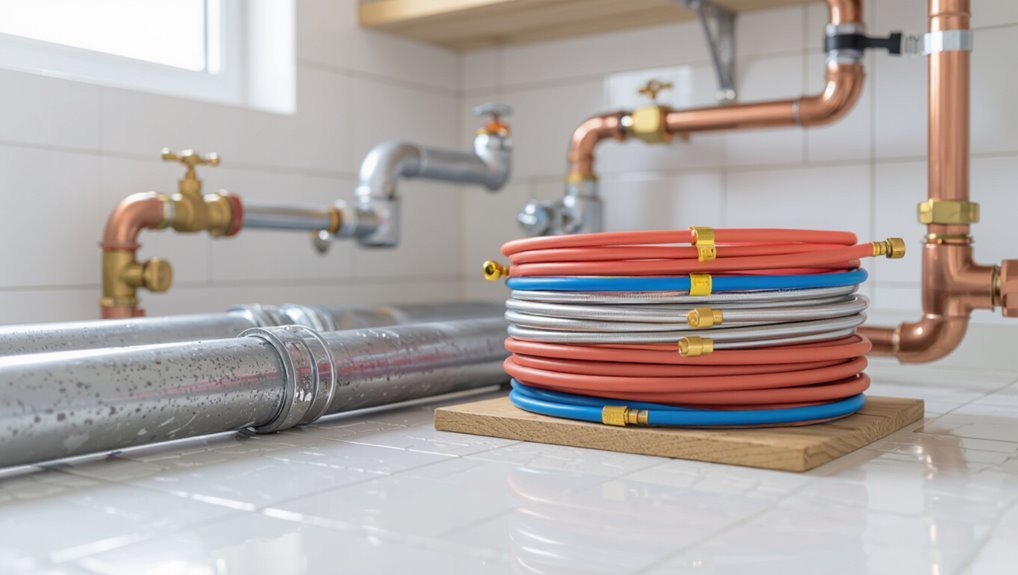
Typically, replacing an entire home’s galvanized plumbing in 2026 costs between $3,000 and $15,000, depending on pipe material chosen, home size, labor rates, and accessibility.
Estimates vary: small homes with PEX may run toward the low end, while larger properties using copper trend higher. Labor comprises the largest share, influenced by wall or slab access and required permits. Material choice affects longevity and resale value; PEX offers cost-efficiency, copper yields durability.
Additional expenses can include fixture reconnections, drywall repair, and disposal. Accurate quotes require on-site inspection; bids should itemize labor, materials, permits, and contingencies.
How to Tell If You Need Galvanized Pipe Replacement Now
Often homeowners recognize the need to replace galvanized pipes from specific, measurable signs rather than gut feeling.
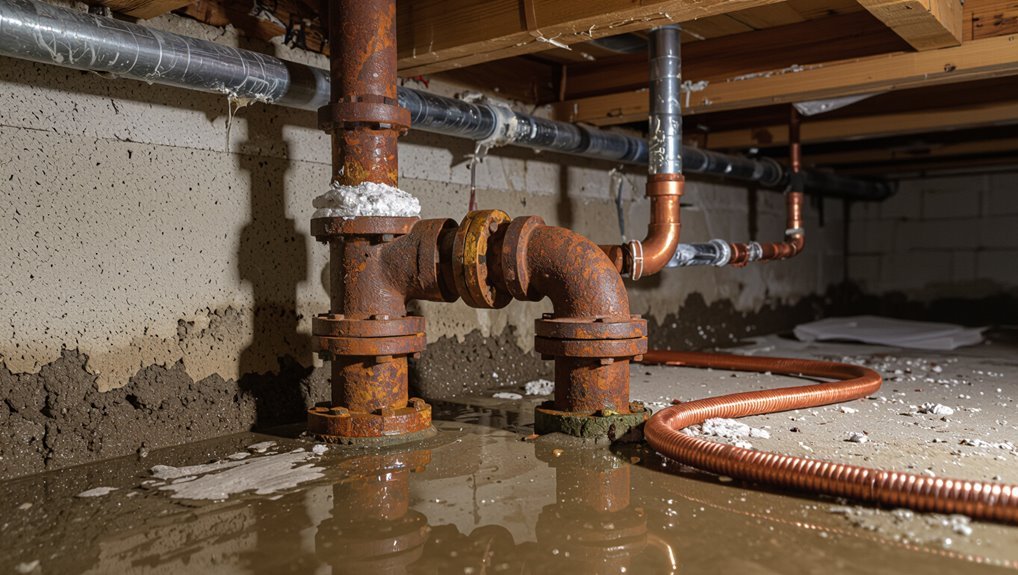
Visible rust or flaking on exposed pipes, frequent pinhole leaks, and persistent low water pressure across fixtures indicate internal deterioration.
Discolored, brown or reddish water that returns after flushing signals iron buildup and pipe breakdown.
Recurrent copper staining on fixtures and appliances suggests corrosion byproducts.
Waterborne debris or metallic taste and odor point to failing pipe interiors.
If two or more indicators persist despite localized repairs, scheduling a professional inspection and planning replacement is prudent to prevent sudden failures.
How Corrosion, Pipe Layout, and Age Affect Repipe Scope
Corrosion severity is assessed from surface rust to advanced pitting and perforation, with more severe damage typically requiring larger sections or full-system replacement.
Pipe layout complexity—such as multiple branches, concealed runs, and long horizontal stretches—increases labor and access costs and can change whether partial repiping is feasible.
Together with pipe age, these factors determine the overall scope, timeline, and budget for a repipe project.
Corrosion Severity Levels
Several distinct severity levels—ranging from surface pitting to advanced section loss—determine how extensively galvanized pipe must be replaced, because the visible condition, pipe layout, and service age together dictate whether spot repairs, partial repiping, or a full repipe is necessary.
Level one: light surface corrosion with cosmetic scaling and minor flow impact; monitoring and local cleaning often suffice.
Level two: moderate pitting and internal buildup reducing diameter; targeted replacements and valve work usually recommended.
Level three: through-wall perforation, extensive rust, or multiple failing joints; complete repiping is typically required to restore reliability and water quality.
Pipe Layout Complexity
In buildings where galvanized piping weaves through walls, ceilings, and crawlspaces, the physical arrangement of runs and fittings strongly influences whether localized fixes suffice or a full repipe is necessary.
Complex layouts—multiple branches, long runs, buried or concealed sections, and numerous elbows or tees—raise labor and access costs and increase failure points. When corrosion appears at several inaccessible junctions or when age has thinned pipe walls across a network, replacing main trunks and reconfiguring distribution is more practical than piecemeal repairs.
Simple, accessible straight runs with limited fittings often allow targeted replacement, lowering scope and expense.
How Home Size and Total Pipe Length Determine Price
Home size and the total length of existing galvanized pipes are primary factors in estimating replacement costs because they directly determine the amount of material, labor hours, and access work required.
Larger homes with extensive pipe runs raise material costs proportionally and extend crew time, increasing hourly labor and supervision expenses.
Long runs often require more fittings, supports, and pressure testing, and can necessitate staged work to minimize disruption.
Crawlspaces, attics, and multi-level routing add access complexity tied to length.
Accurate measurement of linear footage enables reliable bids, while conservative estimates mitigate unforeseen extensions during demolition and routing.
One-Room Repipe vs Whole-House Repipe: Cost Comparison
A one-room repipe typically carries lower material and labor costs because it targets a limited area and shorter pipe runs.
A whole-house repipe requires more pipe, fittings, and labor time, increasing the upfront expense but often providing longer-term reliability and fewer future repairs.
Comparing the two options helps determine whether a targeted repair or a full replacement is the more cost-effective choice for a given property.
One-Room Repipe Costs
When replacing galvanized pipe, homeowners often weigh the cost of repairing a single room against repiping the entire house. A one-room repipe typically targets visible problem areas—kitchen or bathroom—and involves replacing supply lines, shutoffs, and fixtures in that space.
Labor and material costs vary with access difficulty, pipe material chosen (copper, PEX), and fixture count; expect lower upfront expense than whole-house work but higher per-foot cost.
Benefits include faster completion and localized disruption.
Drawbacks include potential future failures elsewhere and compatibility issues at tie-ins. A clear inspection and written estimate clarify scope and avoid surprise costs.
Whole-House Repipe Costs
Choosing between repairing a single room and repiping an entire home hinges on cost, long-term risk, and convenience.
A whole-house repipe typically ranges higher upfront—commonly $4,000–$12,000 for average homes—depending on size, pipe material, access, and labor rates. It eliminates recurring leaks, restores full water quality and pressure, and increases property value.
Disruption is greater: demolition, fixture removal, and follow-up repairs for walls and finishes.
Over time, total savings can exceed repeated spot repairs by avoiding emergency calls and collateral damage. Homeowners weigh immediate expense against reduced maintenance, insurance claims, and improved system reliability.
Repiping Cost by Material: Copper, PEX, CPVC, Steel
Several common repiping materials—copper, PEX, CPVC, and steel—differ markedly in upfront cost, installation complexity, durability, and long-term maintenance needs.
Copper typically commands higher material and labor costs due to soldering and fittings but resists corrosion and handles heat well.
PEX offers lower material and labor expenses, flexible layout options, and faster installation with fewer joints.
CPVC occupies a midrange price point, rigid like PVC but suitable for hot water with solvent-welded joints.
Steel (black or galvanized replacement) is least common for modern repipes, often more labor-intensive and prone to corrosion concerns, increasing replacement-related work and expense.
Expected Lifespan and Warranties by Material
Expected lifespans for common repiping materials vary widely—copper often exceeds 50 years, PEX typically lasts 30–40 years, CPVC around 25–40 years, and steel or galvanized options are generally shorter due to corrosion.
Warranty terms mirror those differences, with manufacturer and installer coverage varying by material, product grade, and installation conditions.
Comparing projected service life against warranty length helps determine long-term value and risk when choosing a replacement material.
Material Lifespan Estimates
When evaluating galvanized pipe replacement, lifespan estimates and manufacturer warranties offer the primary guidance for planning and budgeting; actual service life, however, depends on water chemistry, installation quality, and environmental exposure.
Typical expected lifespans: galvanized steel 40–70 years in ideal conditions but often less with corrosive water; copper 50–70 years when properly installed; CPVC and PEX 25–50 years depending on UV and temperature exposure; stainless steel 50+ years with higher initial cost; PVC mains 50–100 years under low-pressure, non-sunlight conditions.
Manufacturer warranties vary by material and application; buyers should compare documented expected life and standard warranty durations.
Warranty Coverage Differences
A comparison of warranty coverage highlights how materials differ not only in projected service life but also in what manufacturers will repair or replace if failures occur.
Warranties for galvanized steel are generally shorter and often prorated, reflecting corrosion risks and variable installation conditions. Copper and CPVC typically carry longer, sometimes transferable warranties covering leaks from manufacturing defects, with exclusions for improper installation or chemical exposure. PEX warranties emphasize freeze resistance and flexibility but may limit coverage to fittings or assemblies.
Homeowner obligations, registration requirements, and proof of proper installation frequently determine claim validity, making careful documentation essential.
Average Labor Rates for Repiping and Regional Variation
Across regions, labor rates for repiping vary considerably due to local wage levels, cost of living, and contractor demand. Typical hourly rates span roughly $50–$150, with urban centers and high-cost states at the top end. Flat-rate jobs for whole-house repipes are often priced per linear foot or per fixture, shifting total labor expense by home size and complexity.
Labor accounts for 40–60% of overall repiping cost in many estimates. Seasonal demand, prevailing union wages, and local licensing requirements further influence pricing. Homeowners should obtain multiple detailed bids and compare labor line items when budgeting.
How Access (Basement, Crawlspace, Walls) Changes Cost
In tight basements, shallow crawlspaces, or walls packed with insulation and wiring, the ease of access directly affects labor time and material choices for a galvanized pipe replacement.
Restricted spaces require more time for cutting, fitting, and safety precautions, increasing labor costs. Crawlspaces may need temporary supports or protective flooring; basements might permit easier staging and larger tools. Wall access often demands selective demolition and targeted routing, influencing the choice of fittings and prefabricated runs.
Longer, convoluted piping runs raise material waste and connector counts. Accessibility also affects permit logistics and equipment rental needs, all of which raise total project cost.
Extra Costs: Fixture Replacement, Drywall Repair, Finishes
Restricted access often forces pipes to be rerouted through walls or ceilings, which can necessitate removing fixtures, cutting drywall, and restoring finishes once plumbing work is complete.
Contractors frequently itemize fixture replacement when corrosion, outdated fittings, or damage occur; expect separate charges for sinks, faucets, toilets, and shower valves.
Drywall repair costs depend on patch size, texture matching, and paint blending; larger openings raise labor and material fees.
Finish restoration—tiling, trim, cabinetry touch-ups—adds variable expense based on materials and finish quality.
Homeowners should obtain detailed estimates distinguishing plumbing labor from fixture and finish replacement to avoid unexpected bills.
Supply Lines vs Drain Lines: Different Repipe Costs
Because supply and drain systems serve different functions and face different stresses, their repipe costs typically differ.
Supply lines carry pressurized water, require materials rated for pressure (copper, PEX), more fittings, and often higher labor for tight routing.
Drain lines handle gravity flow, use larger-diameter piping (PVC, ABS), and may need fewer joints but more access for slope correction.
Cost drivers include material, labor, routing complexity, and demolition needs.
- Supply: pressure-rated materials, more fittings, potential shutoff work
- Drain: larger pipe, slope assurance, trap and vent integration
- Material choice impacts unit cost substantially
- Labor intensity varies by access and layout
Permit, Inspection, and Utility Fees to Budget For
When planning a repipe, homeowners should factor permit, inspection, and utility fees into the overall budget since these costs can add several hundred to a few thousand dollars depending on jurisdiction and project scope.
Permit fees cover municipal review and vary by permit type and project value.
Inspection fees pay for mandatory rough‑in and final inspections to verify code compliance.
Utility fees may include water shutoff coordination charges and sewer reconnection or abandonment fees.
Unexpected requirements—such as environmental permits or historical‑district approvals—raise costs.
Contractors typically estimate these charges, but verifying local fee schedules prevents budget shortfalls.
Timeline: Typical Schedule and How Timing Affects Price
At the outset of a repipe project, a clear timeline helps homeowners understand how scheduling choices influence total cost and disruption. A typical residential galvanized pipe replacement spans planning, permitting, demolition, installation, and final inspection; each phase duration affects labor rates, temporary water arrangements, and potential surge pricing for expedited work.
Seasonal demand and contractor availability can raise costs or extend waits. Shorter schedules increase labor intensity and premium charges; longer ones may lower daily rates but prolong living inconvenience.
Key timing considerations include:
- Permit processing time
- Material lead times
- Crew availability
- Weather or access constraints
How Contractors Estimate Repipe: What They Inspect
Contractors begin by evaluating the visible condition of exposed galvanized pipe, noting corrosion, pitting, and joint integrity.
They also evaluate system access challenges such as confined spaces, wall or ceiling removal, and routing complexity that affect labor and time.
Those observations form the basis for material estimates, labor hours, and any contingency allowances.
Visible Pipe Condition
One clear indicator used to estimate a repipe is the visible condition of exposed galvanized lines: inspectors look for rust, pitting, scale buildup, and any discoloration or leakage at joints and fittings.
Technicians document corrosion patterns, note reduced pipe diameter from scaling, and assess active versus historical leaks to prioritize replacement.
Visible deterioration informs material choices, sectioning strategy, and time estimates.
Evidence of brittle or flaking metal often raises labor complexity.
Photographs and measurements support bids and homeowner discussions.
- Rust progression along runs
- Pitting depth and frequency
- Scale accumulation impacting flow
- Stains or dampness at fittings
System Access Challenges
When evaluating a repipe, inspectors first map how accessible existing galvanized lines are, noting wall cavities, floor chases, crawlspaces, and attic routes that determine cutting, patching, and rerouting needs.
They record pipe locations relative to structural members, insulation, and finished surfaces to estimate demolition and restoration scope.
Entry points for new runs, required clearances, and obstacles like HVAC ducts or electrical bundles are cataloged.
Access limitations driving labor intensity — tight spaces, multi-story pulls, or concealed stacks — are weighed against options such as partial reroutes, exterior runs, or localized repairs.
Accurate access assessment directly shapes time, materials, and cost estimates.
What to Include in Accurate Bids and How to Compare Quotes
How should a bid be structured to reflect true replacement costs and allow fair comparison between providers? Bids should itemize labor, materials (with grades and quantities), permits, and contingency allowances, enabling apples‑to‑apples comparisons. They must state timeline, access assumptions, and warranty terms. Clear exclusions reduce surprises. Evaluate unit prices and total cost, not just lowest bid.
- Detailed labor hours and crew composition
- Material specifications (pipe type, fittings, valves)
- Permit, inspection, and disposal fees
- Contingency percentage and change‑order procedure
Comparative review should normalize differences and seek written clarifications before award.
Red Flags in Bids and Contractor Terms to Avoid
Watch for specific warning signs in bids and contract terms that indicate potential cost overruns, poor workmanship, or contractor unreliability.
Vague scope descriptions, missing itemized pricing, or allowance-heavy estimates make final costs unpredictable.
Short warranty periods, absence of written guarantees, or exclusions for consequential damage shift risk to the owner.
Demands for large upfront cash payments, no lien waivers, or unclear change-order procedures enable disputes.
Lack of proof of licensing, insurance, or permits signals regulatory and liability exposure.
Ambiguous cleanup, disposal, and restoration responsibilities can inflate post-job costs.
Clear, itemized, licensed, and insured bids reduce surprises.
DIY vs Licensed Work: What Homeowners Can Do Safely
The guide outlines clear criteria for when a homeowner can reasonably tackle galvanized pipe tasks and when a licensed professional should be called.
Simple jobs like small section repairs or replacing accessible fixtures may be suitable for confident DIYers with appropriate tools and permits.
Complex work involving whole-house replacement, concealed piping, or code-sensitive connections is best handled by licensed plumbers.
When to DIY
In weighing whether to tackle galvanized pipe work personally, homeowners should match the scope of the job to their skills and local code requirements: small tasks like replacing a short section of corroded pipe, swapping accessible fittings, or installing a simple shutoff can be done safely by someone with basic plumbing experience and the right tools, while any work involving the main supply line, structural alterations, gas lines, complex soldering or pipe threading, concealed leaks, or permit‑required replacements is best left to a licensed professional.
DIY candidates should confirm permits, isolate water, and use proper materials.
- Assess skills and tool availability
- Inspect accessibility and corrosion extent
- Verify local code and permit needs
- Prioritize safety and shutoff capability
When To Hire
Because errors with plumbing can cause extensive damage or violate codes, homeowners should hire a licensed plumber for any work that affects the main supply, involves concealed or hard‑to‑access piping, requires permits, touches gas lines or sewer connections, or demands specialized techniques such as soldering, threading, or pressure testing. Licensed professionals guarantee code compliance, carry insurance, and provide durable solutions. DIY is reasonable for visible fixtures, short accessible runs, or temporary shutoffs when skill and tools suffice. For aging galvanized systems, prioritize professional assessment to avoid hidden corrosion and improper connections that raise replacement costs and liability.
| Suitable for DIY | Requires a Pro |
|---|---|
| Visible fixtures | Main supply |
| Short runs | Gas/sewer |
| Temporary fixes | Permits/tests |
Financing Repiping: Loans, Terms, and Payment Options
When homeowners face the expense of replacing galvanized pipes, exploring financing options can make the project manageable without depleting savings. Lenders, contractors, and credit providers offer varying loan products, interest rates, and repayment terms; borrowers should compare APRs, fees, and eligibility requirements. Shorter terms reduce interest but raise monthly payments; longer terms lower payments but increase total cost. Some contractors provide in-house plans or partner with finance companies for deferred interest offers. Home equity and personal loans typically offer lower rates than credit cards but require qualification.
- Compare APR, term length, and total repayment
- Check for origination or late fees
- Verify contractor-affiliated lender terms
- Review prepayment penalties
Water and Energy Savings Plus Resale ROI After Repiping
Repiping with modern materials reduces leaks, improves flow, and lowers hot-water heat loss, producing measurable water and energy savings that can offset part of the project cost over time.
Reduced consumption often lowers monthly utility bills; fewer leaks decrease water damage risks and emergency repairs.
Efficient hot-water delivery shortens recovery cycles and may reduce heater runtime, cutting energy use.
Appraisers increasingly favor updated plumbing, and documented repiping can raise perceived value or simplify inspections, boosting resale prospects.
Owners should track utility changes post-repipe and retain invoices and warranties to demonstrate improvements to potential buyers and appraisers.
Project Checklist and Payment Milestone Schedule
After documenting post-repipe savings and compiling warranties, the homeowner and contractor should move to a clear project checklist and payment milestone schedule that aligns expectations and protects both parties.
The checklist enumerates pre-job inspections, material selections, access requirements, and final walkthrough criteria.
Payment milestones tie disbursements to verifiable progress and holdbacks for punch-list completion. Signatures on each milestone confirm acceptance and trigger lien waivers.
Record retention procedures preserve invoices, permits, and warranty transfers.
- Pre-job inspection and permit confirmation
- Material delivery and staging verification
- Mid-project inspection and partial payment
- Final inspection, punch-list completion, final payment
Local Market Factors That Change Repiping Costs (2026)
Across regions and municipalities, local market conditions in 2026 exert significant influence on galvanized pipe replacement costs, driven by labor availability, regional material pricing, permitting fees, and supply-chain disruptions.
Labor scarcity or union rates elevate hourly charges; metropolitan areas typically incur higher crew and service-call premiums.
Material costs vary with local distributors, metal tariffs, and transport distances.
Permit requirements, inspection frequency, and utility coordination add fixed administrative expenses.
Contractor competition, seasonal demand, and emergency-response premiums shift bids.
Warranty expectations and prevailing building codes affect scope and cost.
Accurate estimates require local quotes reflecting these dynamic, place-specific factors.
Conclusion
Replacing galvanized pipes can feel like renovating a home’s circulatory system — messy, necessary, and ultimately life-giving. By weighing corrosion, layout, home size, and local market factors, homeowners can predict costs, choose financing, and time projects to maximize water and energy savings plus resale value. With a clear checklist and payment schedule, a repipe becomes less gamble and more investment: plumbing renewed, peace of mind restored, and future leaks quietly prevented.