
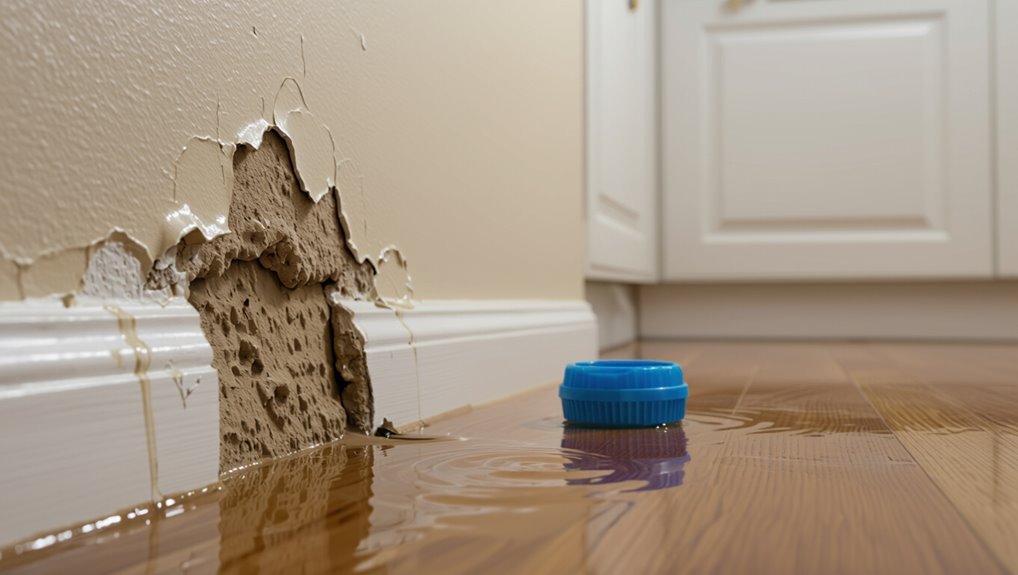
Burst Pipe Repair Cost Guide: How Much to Fix a Burst Pipe?
Key Takeaway: The cost to repair a burst pipe in a residential setting typically ranges from $300 to $1,500 for visible and straightforward fixes. However, costs can increase significantly for concealed, slab, or freeze damage. Additional factors such as emergency callouts, after-hours work, temporary solutions, and insurance can also influence the total expense.
For a comprehensive understanding, continue reading about specific actions, cost drivers, and tips for hiring professionals in the plumbing industry.
Burst Pipe Repair Cost: National Range and Quick Answer
Although repair costs vary by location, the national range for fixing a burst pipe typically falls between $300 and $1,500 for straightforward residential jobs.
Costs depend on pipe access, material, and whether localized patching or section replacement is sufficient. Labor rates, emergency service premiums, and necessary permits can shift estimates upward.
More complex situations—frozen-pipe damage, hidden leaks inside walls, or corroded systems—raise expenses beyond the stated range.
Homeowners should expect the lower end for quick, visible repairs and the higher end when minor demolition or specialty parts are required. Regional pricing variance remains a key factor.
Immediate Checklist: What to Do and What You’ll Likely Pay Today
After establishing the likely national cost range for burst pipe repairs, homeowners need immediate, practical steps to limit damage and understand same-day expenses.
First, shut off the main water valve and open faucets to drain lines. Turn off electricity near flooded areas to reduce shock risk. Use towels, buckets, and a wet/dry vacuum to remove water and protect belongings. Call a licensed plumber and be ready to authorize temporary measures such as pipe clamps or patches.
Expect same-day charges for labor and materials—typically a service visit fee plus hourly labor and small parts—documenting costs for insurance claims.
Emergency Callout Fees and After-Hours Rates
Typically, plumbers charge extra for emergency callouts and after-hours work, with fees reflecting the urgency and timing of the service.
Emergency callout fees often include a fixed dispatch charge plus elevated hourly rates for nights, weekends, and holidays. Rates vary by region, company, and severity; expect premiums from 1.5× up to 3× standard labor. Some firms set a minimum charge for any after-hours visit.
Clear communication about arrival windows, scope, and temporary fixes helps limit costs.
Customers should request written estimates for emergency work and confirm whether parts, travel, and disposal are included to avoid surprises.
When You Can Safely DIY (And Typical Savings)
Frequently, homeowners can handle minor burst-pipe issues themselves when the leak is small, accessible, and the required fixes are limited to shutting off water, draining the line, and replacing a short section of pipe or a coupling.
DIY suitability depends on basic plumbing skills, proper tools (pipe cutter, fittings, flux or compression fittings), and correct material matching.
Typical savings range from $100 to $500 versus hiring a plumber, mainly from avoided labor fees and call-out charges.
Time investment and risk of mistakes should be weighed; careful work prevents rework costs.
For complex, concealed, or high-pressure situations, professional service remains advisable.
Repairs You Should Never DIY
Certain repairs should never be attempted as DIY projects because they carry high risk, require specialized equipment or codes knowledge, or can cause extensive property damage if done incorrectly. Professionals should handle main sewer line breaks, gas-line adjacent plumbing, and projects requiring permited rerouting. Electrical proximity, structural alterations to access plumbing, and complex multi-story leaks also demand licensed trades. Insurance claims may be voided by amateur fixes. The table below highlights critical non‑DIY categories.
| Sewer mains | Gas-adjacent pipes | Structural penetrations |
|---|---|---|
| Multi-story leaks | Permit-required reroutes | Electrical-proximate work |
Burst Pipe Repair Types: Patch, Replace, or Re-Route
After outlining which repairs are inappropriate for a homeowner, attention turns to the options professionals use when a pipe bursts: patching the damaged section, replacing the pipe, or rerouting the supply or drain.
Patching uses clamps, epoxy, or solder for localized failures when the surrounding system is sound.
Full replacement removes compromised lengths or entire runs when corrosion, multiple breaks, or incompatible materials exist.
Rerouting alters the plumbing path to avoid inaccessible or repeatedly failing areas, often during remodeling or when original routing caused stress.
Choice depends on access, material, long-term reliability, building code, and minimizing future disruption.
Cost Comparison: Patch vs. Replace vs. Re-Route
The cost comparison weighs short-term savings of a patch against its typically shorter lifespan.
Full replacement usually demands higher upfront labor and materials costs but offers greater longevity and fewer follow-up repairs.
Re-routing can be the most expensive option initially, justified when access or repeated failures make replacement impractical.
Patch Cost vs. Longevity
Weighing a quick patch against replacement or re-routing requires comparing upfront expense, expected lifespan, and risk of repeat failure. A patch is typically least expensive initially, addressing leaks with clamps, epoxy, or localized coupling. Its longevity varies widely—weeks to years—depending on pipe material, corrosion extent, pressure, and patch quality.
Short-term fixes suit emergency stops or budget constraints but carry higher probability of recurrence and hidden damage. Decision-makers should quantify expected service life, factor cumulative cost of repeated repairs, and weigh disruption risk. When projected lifespan of patches is short, investing in permanent solutions often becomes more economical.
Replace And Re-Route Costs
In comparing costs for replacement and rerouting versus patching, direct material and labor expenses must be balanced against long-term reliability and indirect impacts like downtime and collateral damage.
Replacement typically entails higher immediate costs for new pipe, fittings, and removal of damaged sections, but yields predictable lifespan and warranty coverage. Rerouting adds design and access complexity, often increasing labor and permitting costs, yet avoids repeated failures in compromised zones.
Decision factors include pipe material, access difficulty, system age, and occupancy needs; lifecycle cost modeling clarifies when higher upfront investment prevents future emergency expenses and property damage.
- Immediate material and labor differences
- Access and demolition requirements
- Permits and design fees
- Expected service life and warranties
- Downtime and occupant disruption
Materials and Cost: Copper, PEX, PVC
The guide now considers material choices and their effect on repair expenses, comparing copper to PEX and PVC.
Copper generally carries higher upfront material and labor costs, while PEX and PVC offer lower purchase prices and easier installation.
These differences influence total repair estimates and long-term value depending on application and local labor rates.
Copper Versus Cost
How much more does copper cost compared with PEX or PVC when repairing a burst pipe? Copper typically carries higher material and labor costs due to metal prices and soldering or brazing requirements. It offers durability and heat resistance, which can justify the premium in long-term installations. Cost differences depend on local copper rates, access for repair, and required fittings. Consideration of lifespan, potential for corrosion, and resale value informs decisions. Evaluate upfront expense versus longevity when choosing materials.
- Higher material price per foot
- Increased labor time for joins
- Greater durability and heat tolerance
- Susceptible to corrosion in certain soils
- Often raises property resale value
PEX And PVC Pricing
While copper often commands a premium for materials and labor, many homeowners and contractors choose PEX or PVC as lower-cost alternatives for burst-pipe repairs. PEX offers flexibility, faster installs, and resistance to freezing, lowering labor time; material costs are moderate. PVC is cheapest per foot for non-pressurized drain applications and some cold-water lines but lacks freeze resilience and flexibility. Choice depends on application, local code, and long-term durability expectations. The table below compares typical attributes and relative costs.
| Type | Typical Cost | Key Advantage |
|---|---|---|
| PEX | Moderate | Flexible, quick install |
| PVC | Low | Cheapest material cost |
Burst Pipe Repair Cost by Location: Wall, Slab, Crawlspace
In many homes, repair costs for burst pipes vary dramatically depending on whether the leak is inside a wall, under a concrete slab, or within a crawlspace. Costs reflect access difficulty, required demolition, and restoration. Wall repairs often need drywall removal and patching; slab repairs may require concrete cutting or slab tunneling; crawlspace work can involve tight-space access and mold mitigation. Insurance coverage and regional labor rates influence totals. Preventive insulation and regular inspections can reduce risk and expense.
- Wall: cosmetic restoration adds to cost
- Slab: highest disruption and expense
- Crawlspace: access challenges
- Insurance impacts out-of-pocket
- Preventive measures lower risk
Labor vs. Materials : Typical Cost Breakdown
A typical burst-pipe repair bill is split between labor—usually 60–80%—and materials, which account for the remainder.
Labor covers diagnostics, cutting, fitting, welding or soldering, reinstating insulation, and patching finishes; experienced plumbers and emergency call-out premiums raise this share.
Materials include pipe sections, fittings, valves, adhesives, clamps, and any replacement drywall or trim; specialty materials like copper or PEX and corrosion-resistant components increase costs.
Permits and disposal may be allocated to materials or minor fees.
Geographic wage differences, access difficulty, and required trade skills determine the precise division between labor and material expenses.
Average Repair Time and How Time Affects Price
Typical burst pipe repairs often take one to four hours depending on access and damage extent.
Technicians charge higher rates for after-hours or emergency call-outs, sometimes adding flat premiums or hourly surcharges.
Overall repair time directly affects labor costs and can increase total price when extended diagnostics or multiple visits are required.
Typical Repair Durations
Repair durations for burst pipe work vary widely, commonly ranging from one hour for a simple leak clamp to several days for extensive pipe replacement and water damage restoration.
Time depends on access, pipe material, extent of damage, required drying, and permit needs.
Faster jobs often lower labor costs; prolonged work raises hourly charges, equipment rental, and secondary remediation expenses.
Scheduling and crew availability also influence duration and price.
Clear assessment up front helps set expectations and cost estimates.
- Simple clamp or patch: ~1 hour
- Small section splice: 1–3 hours
- Behind-wall repairs: half to full day
- Whole-line replacement: 1–2 days
- Extensive damage with drying: several days
After-Hours Emergency Rates
Operating outside normal business hours often triggers emergency premiums, with contractors charging higher hourly rates and minimum-call fees to cover overtime, travel, and standby costs.
Average after-hours response for a burst pipe ranges from 30 minutes to several hours depending on proximity and call volume.
Technicians may bundle diagnostics and immediate mitigation into an emergency flat fee, then bill additional work at premium rates.
Materials needed urgently can incur markups.
Clear estimates before work begins reduce surprises.
Homeowners should confirm arrival windows, hourly vs flat emergency pricing, and any guarantees on response time to weigh immediate repair against temporary measures.
Time Impact On Cost
When a burst pipe is addressed, the clock directly shapes labor charges and total cost: short fixes like replacing a section of pipe or a failed fitting often take one to three hours and incur only standard hourly labor plus parts, while complex jobs—such as locating hidden leaks, cutting into walls, reconfiguring piping, or drying water-damaged areas—can extend to a full day or more and produce proportionally higher labor, equipment, and containment expenses.
Response time, crew size, diagnostic effort, repair complexity, and remediation duration each alter estimates. Faster service can cost more; prolonged work increases cumulative rates and ancillary fees.
- Response time impacts emergency premiums
- Diagnostic time raises initial bills
- Complexity extends labor hours
- Drying/remediation adds equipment rental fees
- After-hours work multiplies hourly rates
Typical Parts and Price Ranges (Fittings, Valves, Patch Kits)
Typically, a burst pipe job requires a small set of common parts—fittings, valves, and patch kits—whose costs vary by material and size; copper and brass fittings are pricier than PVC, ball valves command higher prices than simple gate valves, and emergency patch kits are economical but only temporary.
Common fittings (couplings, elbows, tees) range $2–$25 each depending on material and diameter. Ball valves typically cost $15–$75; gate or stop valves often $8–$30. Repair clamps and rubber patch kits run $5–$40. Compression fittings and specialty adapters add $3–$50. Labor and local pricing affect final selection.
How Water Damage, Drywall, and Flooring Add to the Bill
Beyond the immediate plumbing repair, water damage to surrounding materials often becomes the largest expense: soaked drywall, warped subflooring, and ruined finish flooring can require partial or full replacement rather than simple patching.
Restoration costs depend on contamination level, drying time, and material types. Mold remediation, structural fixes, and matching finishes raise prices. Insurance coverage and documentation affect out-of-pocket expenses. Contractors often separate demolition, drying, and rebuild line items. Homeowners should expect staged work and variable timelines. Quick mitigation reduces costs; delays compound damage and expense.
- Drywall removal and replacement
- Subfloor repair or replacement
- Hardwood or tile restoration
- Mold inspection and remediation
- Finish carpentry and repainting
How to Get Accurate Plumber Quotes: 10 Questions to Ask
Although a burst pipe repair may seem straightforward, securing accurate plumber quotes requires asking targeted questions to compare scope, cost, and timelines reliably. The homeowner should request itemized estimates, warranties, license and insurance proof, anticipated permits, exact materials, labor hours, start and completion dates, contingency handling, payment terms, and references. Clear answers reduce surprises and permit fair comparison without invoking verdicts about low bids or scams. Record responses and insist on written estimates. Use the table below to track three core quote elements for each plumber.
| Element | Notes |
|---|---|
| Materials | Type, grade |
| Labor | Hours, rate |
Comparing Quotes: Red Flags and Estimate Traps
When comparing burst pipe repair bids, unusually low estimates should prompt scrutiny rather than immediate approval.
Equally concerning are quotes with vague scope details that omit materials, labor breakdowns, or permit costs.
Consumers are advised to request itemized estimates and clarification before accepting any offer.
Unusually Low Estimates
Occasionally an estimate that looks surprisingly low is less a bargain than a warning sign; unusually low quotes often omit necessary repairs, use inferior materials, or rely on hidden fees that surface later.
A careful reviewer notes gaps without assuming bad faith. Low estimates may reflect inexperienced labor, temporary fixes, or subcontracted work that shifts cost later. Homeowners should verify licenses, warranty terms, and material specs. Comparable bids help identify outliers. Documentation and clear payment schedules protect against surprises.
- Ask for itemized breakdowns
- Confirm brand and material quality
- Check for labor warranties
- Verify contractor credentials
- Compare timelines and milestones
Vague Scope Details
Noting omissions and imprecise language is critical when reviewing pipe-repair quotes, because a vague scope can conceal missing tasks, undefined responsibilities, or assumptions that shift costs to the homeowner. Evaluators should seek line-item clarity: pipe location, materials, access work, disposal, and warranty. Ambiguous timelines or “as needed” provisions invite extra charges. Comparing quotes requires asking for exclusions and confirmation of who handles permits and repairs to finishes. Document verbal promises in writing. A clear, detailed estimate reduces disputes and unexpected bills.
| Item | Example detail |
|---|---|
| Location | Basement main line |
| Material | Type and gauge |
| Access | Wall/ceilings needed |
| Finish | Patch and paint included |
| Warranty | Duration and coverage |
Insurance: What Homeowners Should Expect to Cover
Homeowners typically find that a standard homeowners insurance policy covers sudden and accidental water damage from a burst pipe, including repairs to damaged drywall, flooring, and personal property up to policy limits.
Coverage often excludes gradual damage, maintenance-related failures, and sewer backups unless specific endorsements are purchased. Deductibles apply, and replacement cost versus actual cash value affects payout amounts.
Temporary living expenses may be covered if the home is uninhabitable. Policyholders should review limits, endorsements, and wait periods to set expectations before filing a claim.
- Sudden/accidental repair costs
- Personal property limits
- Deductible impact
- Endorsements needed
- Additional living expenses
Documenting Damage for Insurance and Estimates
Homeowners should photograph all visible damage immediately, capturing wide and close-up shots with timestamps when possible.
They should retain repair receipts and any estimates to document costs and contractor work.
An itemized inventory list of affected possessions, including purchase dates and values, streamlines claims and replacement estimates.
Photograph All Damage
Photographing all visible damage creates an objective record that speeds insurance claims and gives contractors accurate information for estimates.
Photographs should capture wide views, close-ups of material damage, timestamps, levels of standing water, and affected belongings.
Images provide verifiable evidence of pre-repair conditions and help avoid disputes over scope or timeline.
- Take wide-angle shots of each room
- Photograph close-ups of pipe breaks and material damage
- Include timestamped or geotagged photos when possible
- Capture damaged personal property and serial numbers
- Document progression over multiple visits to show changes
Keep Repair Receipts
Receipts and invoices for emergency services, materials, and labor provide a clear financial trail that insurers and contractors rely on when evaluating burst pipe damage.
Keeping originals and digital copies organized by date and category speeds claims and prevents disputes.
Records should note vendor contact details, scope of work, part numbers, warranties, and payment method.
Timestamped receipts from mitigation services, temporary repairs, and equipment rentals are particularly important.
Clear documentation supports accurate estimates, establishes eligible expenses, and may influence reimbursement levels.
Homeowners should store files in a secure, backed-up location and provide copies promptly to adjusters upon request.
Create An Inventory List
After gathering receipts and organizing invoices, the next step is a detailed inventory of damaged property to support claims and repair estimates.
A complete inventory lists each item, description, purchase date, value, damage extent, and photos. It enables accurate contractor bids and speeds insurer approvals. Photographic evidence and time-stamped notes strengthen credibility. Keep backups and share copies with adjusters.
Prioritize high-value and structurally relevant items first to avoid overlooking essentials during cleanup and repairs.
- Item name and brief description
- Original purchase date and cost
- Degree and type of damage
- Photographs with timestamps
- Location within the property
Cost-Saving Strategies: Temporary Fixes, Timing, Competitive Bids
Several practical strategies can reduce the immediate and long-term expenses of a burst pipe: apply temporary patches to limit water damage, time nonurgent repairs to take advantage of lower labor demand, and solicit multiple bids to compare prices and approaches.
Temporary measures—pipe clamps, rubber and hose clamps, or epoxy putty—minimize structural and content losses until professionals arrive.
Scheduling nonurgent work during off-peak seasons or weekdays can lower labor rates.
Obtaining three written estimates clarifies scope, materials, and warranties; requesting itemized bids reveals markup and alternatives.
Clear communication about access and expectations prevents costly change orders and expedites completion.
Preventive Upgrades That Lower Future Burst-Pipe Costs
Beyond immediate fixes and smart timing, homeowners can reduce long-term burst-pipe costs by investing in preventive upgrades that strengthen the plumbing system and limit vulnerability. Strategic improvements lower failure risk, simplify repairs, and cut insurance or emergency expenses. Focused choices address temperature, pressure, material longevity, and access. Cost-benefit varies by property age and climate; professional assessment optimizes priorities.
Common, effective upgrades include:
- Replacing aging galvanized or corroded pipes with PEX or copper
- Adding pipe insulation in unheated areas and crawlspaces
- Installing a whole-house water pressure regulator
- Upgrading to frost-resistant outdoor valves and shutoffs
- Improving access panels for faster repairs
Quick Hiring Checklist: Vetting, Licenses, and Guarantees
When hiring for burst-pipe repairs, homeowners should follow a concise checklist that covers vetting, licensing, and guarantees to make certain quality work and protect against future costs.
Verify contractor credentials: confirm state or local plumbing license numbers, insurance for liability and workers’ compensation, and any specialty certifications.
Check references and recent reviews, requesting photos of similar jobs.
Obtain written estimates detailing scope, materials, labor, and timelines.
Require clear warranty terms for parts and workmanship, including duration and claim process.
Insist on permits when required and keep all documents.
Prefer contractors who offer itemized invoices and responsive post-repair support.
Conclusion
Like a shepherd guiding scattered sheep through a sudden storm, timely action steadies a household beset by a burst pipe. Small, deliberate moves—shutting valves, calling a trusted tradesperson, documenting damage—consolidate rescue and repair. Investing in sturdy fences (upgrades and prevention) and choosing seasoned guides (licensed plumbers with guarantees) reduces future storms’ toll. What begins as chaos can become a lesson in vigilance, turning costly surprises into manageable, learned practice.