How to Straight Pipe a Truck: Step-by-Step Guide for Loud Exhaust
Key Takeaway: Straight-piping a truck involves removing the catalytic converter and muffler to create a direct exhaust path, resulting in increased noise and improved throttle response. However, this modification can violate emissions and noise regulations and may lead to inspection failures.
Straight-piping a truck means replacing the factory exhaust system with a straight exhaust run, which reduces backpressure and amplifies engine noise. This process can change throttle response and may impact fuel trim and engine temperature. The modification requires cutting or unbolting existing parts, fitting high-temperature pipe, securing with clamps or welds, and ensuring proper hangers. It is important to consider local emissions and noise laws before proceeding, as this modification often contravenes regulations. Continue for a full step-by-step guide and safety notes.
Quick Answer: What Straight‑Piping a Truck Does
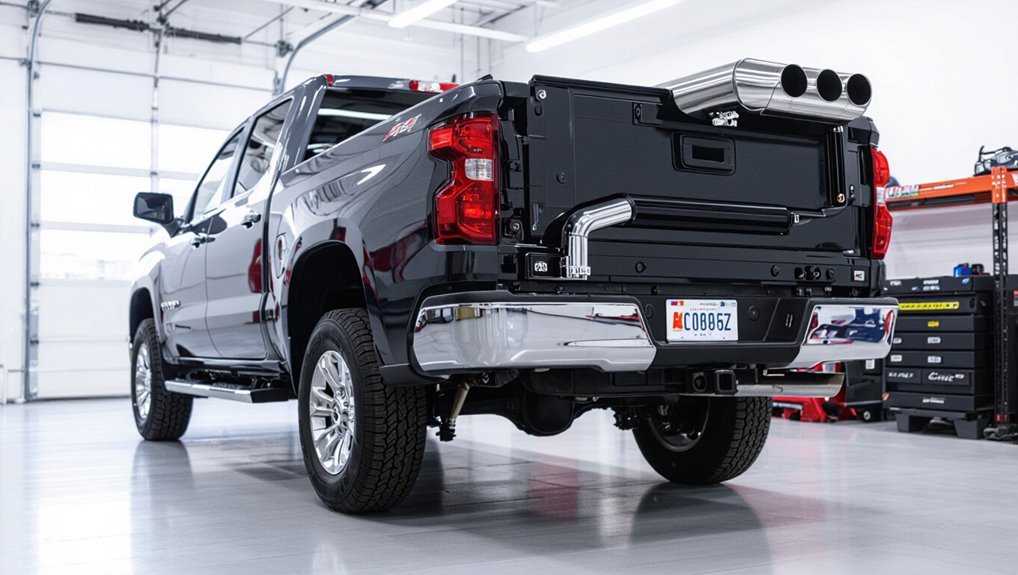
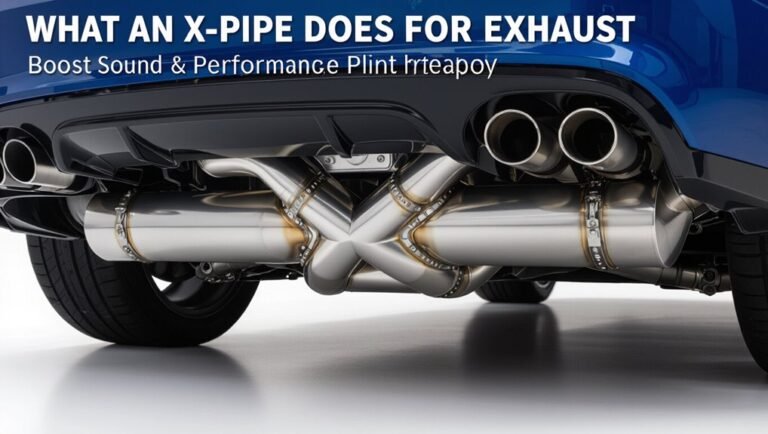
Straight‑piping a truck removes the catalytic converter and muffler from the exhaust system and replaces them with a straight, unobstructed pipe, which increases exhaust flow and typically makes the engine louder.
The modification reduces backpressure, which can slightly alter power delivery and throttle response depending on engine tuning. It changes exhaust tone to a raw, aggressive sound and can expose mechanical noises.
Fuel efficiency effects vary; some engines see negligible change while others require tuning to avoid running lean or rich.
Installation is relatively simple for practiced technicians, involving cutting, fitting pipe sections, and secure mounting to the vehicle’s existing hangers.
Legal and Safety Warnings (Inspections, Emissions, and Liability)
Removing catalytic converters and mufflers can have immediate legal and safety consequences that owners must consider before modifying a truck. Authorities may cite violations for emissions, noise ordinances, and tampering with pollution controls; inspections can fail and registration risk exists.
Increased exhaust temperatures and altered backpressure affect engine tuning, sensor function, and fire risk. Liability rises if altered vehicles cause noise complaints, health hazards, or accidents; insurance may deny coverage after unauthorized modifications.
Owners are advised to research local laws, obtain necessary permits or exemptions, document any approved modifications, and consult qualified professionals to mitigate legal and safety exposure.
Tools and Parts Checklist (What to Buy Before You Start)
Preparation begins with a concise list of specialized tools and replacement parts to guarantee the job proceeds safely and efficiently.
The checklist prioritizes durability, correct fitment, and personal protection, ensuring downtime and surprises are minimized. Items should be quality-rated and sized for the specific truck model.
Consumables and fasteners must match exhaust temperatures and corrosion exposure. Recommended purchases include:
- High-temperature straight pipe tubing or pre-bent sections with correct diameter
- Exhaust clamps, high-temp gaskets, and stainless U-bolts
- Heavy-duty hangers and isolators rated for load and heat
- Safety gear: gloves, eye protection, jack stands, and a torque wrench
Install the Straight Pipe: 5 Clear Steps
Begin by securing the vehicle on level ground and supporting it with jack stands, then allow the exhaust to cool completely before touching any components.
Step 1: Remove the muffler and any obstructing hangers, retaining hardware for reference.
Step 2: Test-fit straight pipe sections under the chassis, aligning bends and ensuring clearance from heat-sensitive parts.
Step 3: Clamp or weld joints starting at the header/downpipe, working rearward; maintain consistent gap for thermal expansion.
Step 4: Reinstall or adjust hangers and use isolation mounts to minimize vibration.
Step 5: Inspect for leaks, torque fasteners, lower vehicle, and perform a brief road test.
Choose Layout & Troubleshoot: Single vs. Dual, Placement, Inspections, and Fixes
With the straight pipe installed and a preliminary road test completed, the next decision is selecting the exhaust layout and identifying common issues that affect performance and longevity.
The installer evaluates single versus dual outlets for backpressure, balance, and clearance, then confirms hanger placement, heat shielding, and legal concerns.
Routine inspections target leaks, cracks, hanger wear, and rattles. Troubleshooting prioritizes sealing joints, realigning bends, replacing corroded clamps, and adding insulating wraps where needed.
- Single pipe: simpler, lighter, potential uneven flow
- Dual pipe: improved flow, increased complexity
- Inspect: welds, hangers, clearances, heat damage
- Fixes: clamps, weld repairs, bracket replacement
Conclusion
To sum up, the truck now roars like a libertarian at a PTA meeting — unapologetically loud, questionable in legality, and unmistakably proud. The guide’s steps promise simplicity; the reality offers grease, squints, and a newfound respect for mufflers. Readers proceed armed with tools, warnings, and smug confidence, possibly to be stopped by an officer or applauded by a neighbour two blocks away. Either way, it’s a noisy commitment one won’t soon forget.