Fix a Leaking Pipe Fast: Simple DIY Plumbing Repair Guide
To quickly fix a leaking pipe, follow these essential steps:
1. Shut Off Water: Immediately turn off the water supply to stop further leaking.
2. Dry the Area: Wipe down the surrounding area to better inspect the leak.
3. Locate the Leak: Identify whether it’s a pinhole, joint, or crack.
- Pinhole: Clean the area and apply epoxy putty.
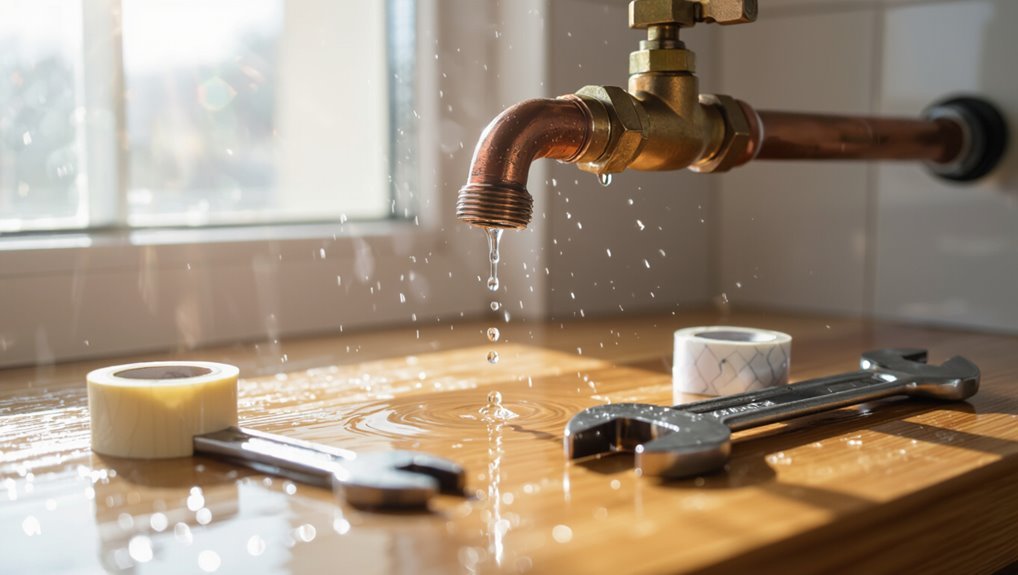
- Threaded Joints: Use PTFE tape or tighten the fittings.
- Larger Cracks: Use a rubber patch secured with hose clamps or a repair clamp.
4. Emergency Kit: Keep an emergency kit handy with wrenches, tape, putty, clamps, and gloves.
5. Test the Repair: Start with low water flow and gradually restore pressure to check for leaks.
For detailed permanent repair instructions and safety tips, refer to the continued guidelines.
Stop a Leaking Pipe Now (10‑Minute Temporary Fixes)
A few quick measures can halt most small leaks long enough for a proper repair; the person addressing the problem should first shut off the water supply, dry the area, and assess the leak’s source—pinhole, joint, or fitting—so they can choose the appropriate temporary fix such as pipe tape, epoxy putty, a rubber patch with hose clamps, or a compression sleeve.
The responder applies the chosen patch, conforms materials to pipe contours, and allows recommended cure time. After restoring minimal flow, the repair is monitored for seepage.
If leakage persists or the pipe shows corrosion or a major fracture, professional service is advised.
Gather Tools & Supplies for Fast DIY Repairs
Before starting any emergency plumbing repair, the responder should assemble a compact kit of essential tools and supplies so work proceeds quickly and safely.
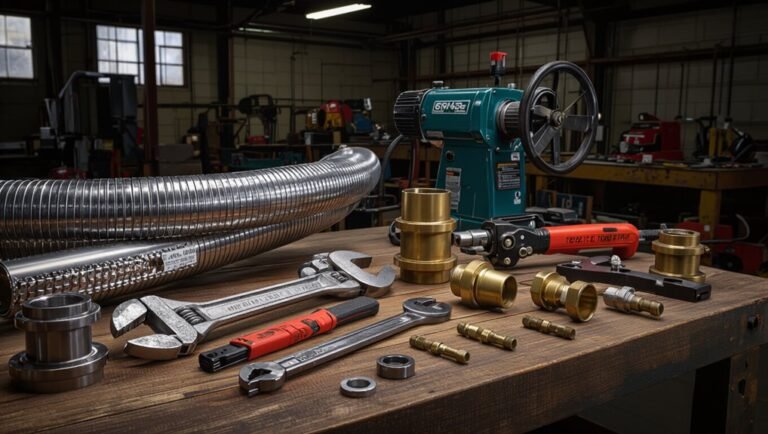
The kit should include adjustable wrench, pipe wrench, slip-joint pliers, tubing cutter, utility knife, and a set of screwdrivers.
Add plumber’s tape, rubber repair tape, hose clamps, a roll of plumber’s putty, and nitrile gloves.
Include a flashlight, rags, bucket, and small drain snake.
For copper or PVC, keep replacement fittings and appropriate primer/adhesive or soldering materials available.
Store items in a portable case labeled for easy retrieval during emergencies.
Fix Small Leaks (Pinhole & Joint): Epoxy, Tape, Solder, Replace
Repairing small leaks requires evaluating the size, location, and pipe material to choose the quickest reliable fix.
For pinholes, epoxy putty or cold welds cure fast; clean, dry metal, apply, and shape to cover the hole.
Thread or joint leaks may respond to PTFE tape, pipe dope, or tightening; disassemble if necessary.
For copper, soldering a small joint provides a permanent repair when done correctly.
Severely corroded sections should be replaced rather than patched.
Consider water shutoff and drying first, then test under normal pressure.
- Epoxy putty for pinholes
- PTFE tape or pipe compound for threads
- Solder or replace failing joints
Repair Burst Pipes: Clamp Patches, Cut‑and‑Replace, and Solder Basics
When a pipe bursts, the immediate priority is isolating the water supply and evaluating the damage to determine whether a clamp patch, a cut‑and‑replace section, or soldering will provide a safe, lasting fix.
A clamp patch suits large cracks or temporary containment: clean the area, position rubber gasket and stainless clamp, and tighten evenly.
For irreparable sections, cut out damaged pipe with a tubing cutter, deburr, measure and fit replacement using couplings or compression fittings.
Soldering copper requires flux, properly fitted joints, and even heating to draw solder into the seam.
Each method demands correct materials and solid joints for reliable repair.
Troubleshooting, Safety Tips, and When to Call a Plumber
Although many minor plumbing issues can be resolved with basic tools and materials, accurate troubleshooting and strict safety practices determine whether a repair will hold and remain safe.
The technician assesses leak source, water pressure, and material compatibility before acting. Protective gear and shutting off supply minimize risk; verify dryness and test after repair.
Know limits: corrosive damage, hidden leaks, or structural involvement require pros.
- Inspect visible joints, listen for hidden drips, and use dye tests.
- Wear gloves, eye protection, and avoid open flames near pipes.
- Call a licensed plumber for gas lines, major ruptures, or repeated failures.
Conclusion
When a pipe decides to misbehave, quick fixes offer a genteel pause rather than a permanent answer. The guide encourages calm intervention—temporary seals, clamps, and judicious replacements—to keep water where it belongs while planning a proper resolution. With basic tools, thoughtful precautions, and an eye for escalation, a homeowner can delay catastrophe and buy time. If uncertainty persists, calling a professional guarantees the situation is handled with enduring discretion and care.