
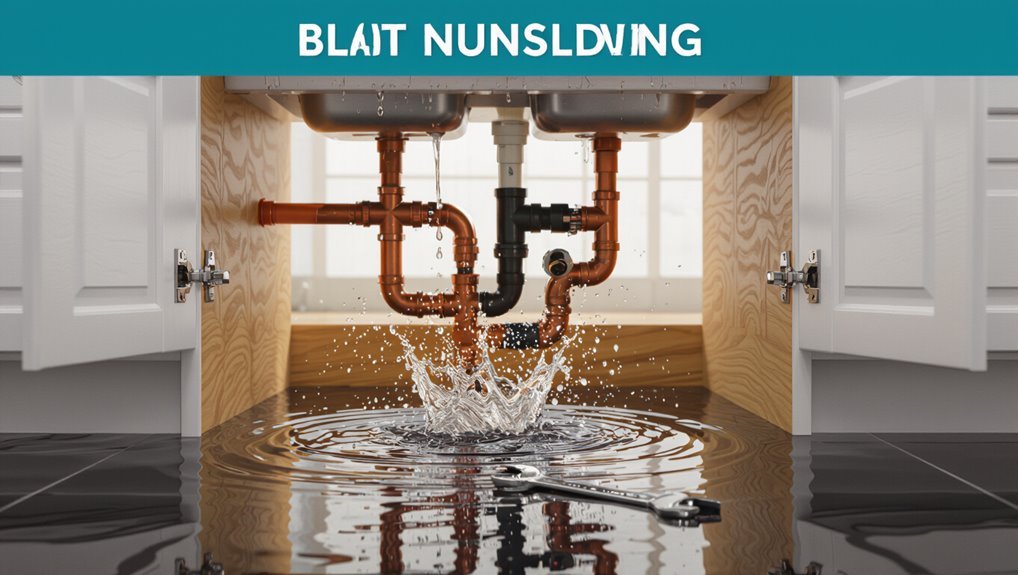
How to Tell If a Pipe Burst: 7 Signs & Quick Fixes for Homeowners
If you suspect a pipe has burst in your home, look for these key signs: visible water, sudden loss of water pressure, hissing or gurgling sounds, discolored water, water stains or bulging drywall, warped floors or soft spots, and an unexplained spike in your water bill.
Key Takeaways for Homeowners:
- Immediate Actions: Shut off the main water supply, turn off nearby power, and contain any water with towels and buckets.
- Temporary Fixes: Use patches or hose clamps for small leaks.
- Preventive Measures: Move valuables and dry affected areas to limit mold growth.
If you notice any of these signs, take action quickly, and don’t hesitate to call a professional if the situation escalates.
Confirm the Leak and Shut Off Water
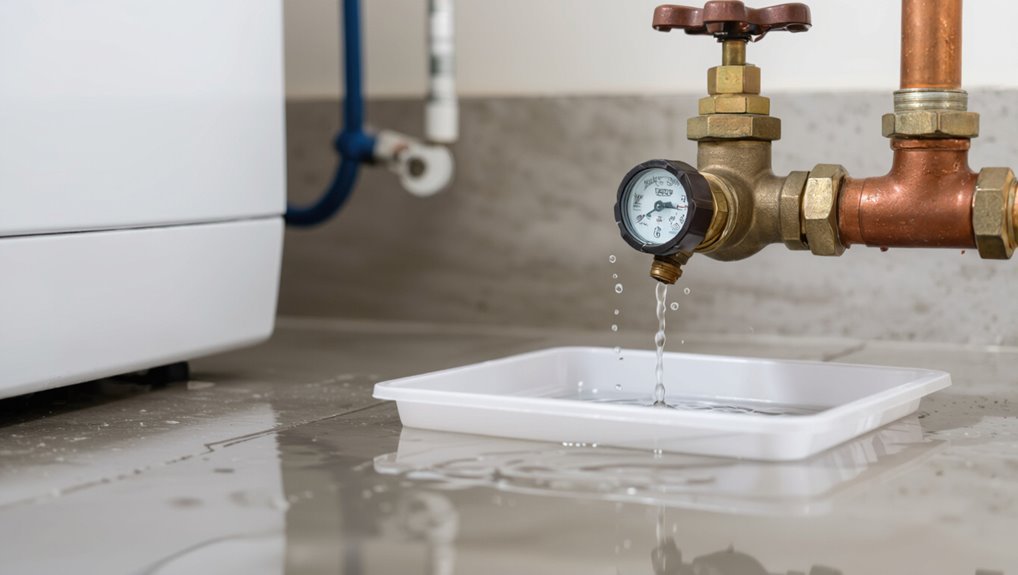
Locate the source of water quickly and decisively: check visible pipes, fixtures, ceilings, and walls for active spraying, pooling, or steady dripping. The observer verifies leak location, notes flow rate, and photographs damage for records.
Next, the main shutoff valve is identified and turned off to stop water supply; if inaccessible, individual fixture valves are closed. Electrical circuits near the leak are switched off to reduce shock risk. Water from faucets is drained to relieve pressure.
Temporary containment—buckets, towels, and plastic—limits spread. Professional repair is arranged promptly; documentation supports insurance and service assessments.
Spot a Burst Pipe: 7 Clear Signs
After the leak is contained and water shut off, attention turns to confirming whether a pipe has actually burst.
Visible pooling, damp walls, or warped flooring indicate active breach. Sudden loss of water pressure or dry fixtures while the supply is shut suggests hidden damage.
Unusual sounds—hissing, gurgling, or rushing—point to escaping water. Discolored water or debris from taps can signal internal pipe failure.
A spike in the water bill or unexplained mold and mildew growth indicates prolonged leakage. Frost-cracked or swollen pipes in cold areas are classic burst evidence requiring prompt repair.
Where Burst Pipes Usually Happen : How to Find Them Fast
Most burst pipes are discovered in low, cold areas such as basements and crawl spaces where standing water or frost can go unnoticed.
Exterior hose bibs and their supply lines are also common failure points, especially after seasonal use or freezing conditions.
Checking these locations first speeds detection and reduces damage.
Basement And Crawl Spaces
In basements and crawl spaces, where pipes are often exposed and temperatures fluctuate, signs of a burst pipe can appear quickly and be tracked down with focused inspection.
Attention to sound, smell, and visible moisture helps locate failures before major damage occurs. Inspect low corners, behind appliances, and along foundation walls. Check insulation and pipe joints for rupture patterns. Act promptly to shut off water and isolate the area.
- Listen for steady dripping or rushing water in quiet moments
- Smell musty or moldy odors indicating hidden leaks
- Look for pooled water, wet insulation, or discolored concrete
- Trace dampness toward pipe runs and fittings
Exterior Hose Bibs
Exterior hose bibs are common failure points because they sit at the edge of the plumbing system and are exposed to freezing, impact, and wear. Homeowners should inspect exterior faucets after cold snaps and seasonal changes.
Signs of trouble include damp soil or pooling near the foundation, rusty or frozen-looking spigots, reduced water pressure, and sudden spikes in the water bill. Probe for soft ground or new depressions indicating underground leaks.
Test by shutting interior supply valves and watching the meter or hose bib for continued flow. Promptly drain, insulate, or replace compromised hose bibs to prevent burst pipes and foundation damage.
Immediate DIY Stops for a Burst Pipe (5 Quick Fixes)
Several quick actions can temporarily stop water from a burst pipe and limit damage until a professional arrives.
The homeowner should act calmly: shut off the main water valve, open nearby faucets to relieve pressure, and drain remaining water. If the leak is accessible, apply temporary patches using available materials.
Keep electricity away from wet areas and move valuables to a dry location. Emergency measures buy time but are not permanent repairs.
- Turn off the main water supply immediately.
- Open faucets to drain trapped water and reduce pressure.
- Use a rubber patch and hose clamp for small visible leaks.
- Contain water with buckets and towels.
Why Pipes Burst : 3 Checks You Can Run Now
The article now turns to common causes behind burst pipes and three quick checks homeowners can run immediately.
First, inspect for signs of cold-weather stress such as frost lines or poorly insulated sections.
Then look for corrosion or visible wear on fittings and measure household water pressure to detect excessive force on the plumbing.
Cold Weather Stress
Cold temperatures put pipes under mechanical and thermal stress, increasing the chance of cracks or bursts as water contracts, freezes, and expands inside confined lines.
The homeowner should inspect exposed and poorly insulated pipes, check for drafts near crawlspaces and attics, and monitor outdoor faucet and meter areas.
Pay attention to sudden pressure changes or slow drips that signal intermittent freezing.
Preventive measures include insulating vulnerable runs and maintaining steady indoor heat.
If a section feels icy or shows frost, treat it immediately to avoid rupture.
- Inspect exposed pipes and insulation
- Check for cold air leaks near pipes
- Monitor pressure and flow changes
- Keep indoor temperatures steady
Corrosion And Wear
Although often gradual, corrosion and mechanical wear steadily weaken pipes until a failure occurs, so homeowners should know the signs before a leak becomes a rupture. Visual inspection reveals rust, pitting, flaking, or mineral buildup on metal and greenish deposits on copper. Listen for dripping, hissing, or rubbing noises where pipes contact framing. Touch suspect areas for soft spots or reduced wall thickness. Three quick checks help prioritize repairs:
| Check | What to look for |
|---|---|
| Surface appearance | Rust, scale, discoloration |
| Sound | Persistent dripping or rubbing |
| Physical test | Soft spots, dents, movement |
High Water Pressure
High water pressure strains joints, fittings, and pipe walls, increasing the chance of sudden failure when weak spots exist. A quick pressure check helps prioritize repairs: sustained pressures above 60 psi accelerate wear and stress.
Homeowners can monitor for hammering noises, frequent leaks at fixtures, or bulging pipe sections. A pressure-reducing valve often solves system-wide excess pressure. When readings are high, temporary shutoff and professional diagnosis prevent bursts.
- Measure static pressure with a gauge at an outdoor faucet
- Listen for water hammer during valve closure
- Inspect visible pipes for bulges or sweating
- Consider installing a pressure regulator
Protect Belongings and Cut Mold Risk After a Burst Pipe
Once water is contained, the priority shifts to protecting possessions and preventing mold growth by removing wet items, increasing ventilation, and lowering indoor humidity; prompt action within 24–48 hours greatly reduces permanent damage and microbial colonization.
Salvageable textiles and papers should be separated, air-dried or frozen if immediate drying isn’t possible.
Elevate furniture on blocks, remove cushions and dry frames. Discard porous items heavily soaked or contaminated.
Use dehumidifiers and fans, open windows when weather permits, and monitor humidity below 50%.
Clean and disinfect surfaces with appropriate cleaners. Document damage with photos for records, and inspect hidden cavities for residual moisture.
When to Call a Plumber: What to Tell Them and Typical Costs
When a homeowner suspects a burst pipe, calling a licensed plumber promptly can prevent further water damage and costly repairs. Immediate contact is warranted if water is actively flowing, meters continue to run with fixtures off, there is visible structural damage, sewage backup, or an inability to isolate the leak.
A plumber should be told the location, symptoms (flow, noises, staining), how long the issue has existed, and any recent work or freezing events.
Typical costs vary: emergency visits, diagnostic fees, parts, and labor. Expect higher rates after hours; get an estimate and authorization before repairs.
- Location and visible symptoms
- Duration and recent causes
- Emergency vs. routine timing
- Estimate and payment terms
Conclusion
Homeowners should act immediately when a pipe bursts: shut off the water, confirm the leak, and use quick temporary fixes while protecting belongings to stave off catastrophic mold and damage. Recognizing seven clear signs and common burst locations helps find problems fast, and a few simple checks prevent future breaks. If DIY measures fail or the situation is complex, calling a plumber promptly—armed with location details—limits costs and long-term loss.

