Does Wind Chill Affect Water Pipes? Prevent Freezing Tips & Facts
Key Takeaway: Wind chill does not directly lower water temperature, but it does increase the risk of freezing in water pipes by accelerating heat loss.
When temperatures approach or fall below 0°C (32°F), moving air can strip heat from pipe surfaces, making exposed or poorly insulated pipes—especially those on exterior walls, in crawlspaces, basements, and garages—most vulnerable to freezing.
To prevent pipes from freezing, consider these practical tips:
- Allow short bursts of water to run through the pipes.
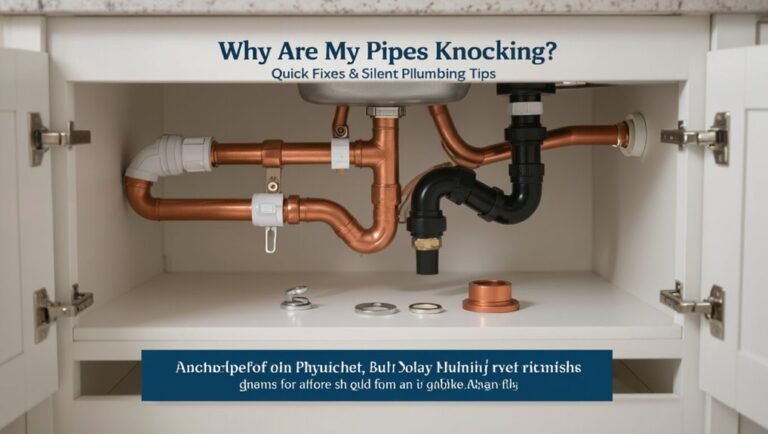
- Open cabinet doors to circulate warm air.
- Use insulated covers for outdoor spigots.
- Seal any drafts around pipes.
For longer-term protection, focus on proper insulation, sealing gaps, and implementing targeted heating solutions.
Short Answer: Can Wind Chill Freeze Your Pipes?

Can wind chill freeze pipes? The short answer: wind chill cannot lower water temperature below the ambient air temperature, so it does not directly freeze water inside pipes.
However, wind can speed the loss of heat from pipe surfaces, making pipes reach ambient temperature faster and increasing the risk of freezing when air temperatures are below 0°C (32°F).
Exposed, poorly insulated, or unheated pipes are most vulnerable.
Protective measures—insulation, sealing drafts, maintaining indoor heat, and allowing slow faucet flow during extreme cold—address the risk that wind-enhanced cooling poses to pipes, rather than any direct freezing by wind chill.
How Wind Increases Heat Loss Around Pipes
When wind passes over a pipe, it strips away the thin layer of warm air that normally insulates the surface, increasing the temperature difference between the pipe and the surrounding environment and accelerating convective heat loss.
Cold, moving air forces heat out faster than still air, lowering pipe-surface temperature and raising freeze risk. Moisture on surfaces can cool further through evaporation.
Exposed fittings and joints lose heat unevenly, creating weak points.
- A sudden gust can make a fragile line shudder with cold.
- Constant wind wears away the comfort of insulation.
- Night breezes coax ice into formation.
- Silent drafts betray vulnerability.
Most Vulnerable Pipes: Locations and Materials
Pipes routed along exterior walls and in uninsulated crawlspaces are highlighted as especially susceptible to freezing when exposed to wind-driven cold.
Old metal lines and polybutylene piping are noted for their higher risk due to thinner walls, corrosion, or material brittleness.
The discussion now shifts to why these locations and materials fail first and what preventive measures are most effective.
Exterior Walls And Crawlspaces
Because exterior walls and crawlspaces lack the thermal buffering of interior rooms, water lines routed near them are among the most susceptible to freezing and rupture.
Pipes in these zones face wind-driven cold, poor insulation, and intermittent heat loss. Vulnerability increases where vents, gaps, or thin sheathing exist. Risk concentrates on small-diameter lines and those with limited water flow.
Prevention focuses on sealing, insulating, and ensuring occasional circulation or heat trace where practical.
- Frigid drafts can penetrate framing cavities rapidly.
- Narrow crawlspaces trap cold against pipe surfaces.
- Moisture worsens thermal conduction and corrosion.
- Sudden temperature drops accelerate ice formation.
Old Metal And Polybutylene
Aged metal and polybutylene lines present disproportionate freeze and failure risks compared with modern materials. They corrode, develop pinholes, or become brittle; joints and crimped fittings fail under thermal stress. Locations with limited insulation—basements, crawlspaces, exterior walls—amplify hazards. Replacement and targeted insulation reduce exposure; periodic pressure tests and visual inspections detect deterioration early. Owners should prioritize upgrades where polybutylene remains or galvanized steel shows rust.
| Material | Typical issue |
|---|---|
| Polybutylene | Brittle cracks, fittings fail |
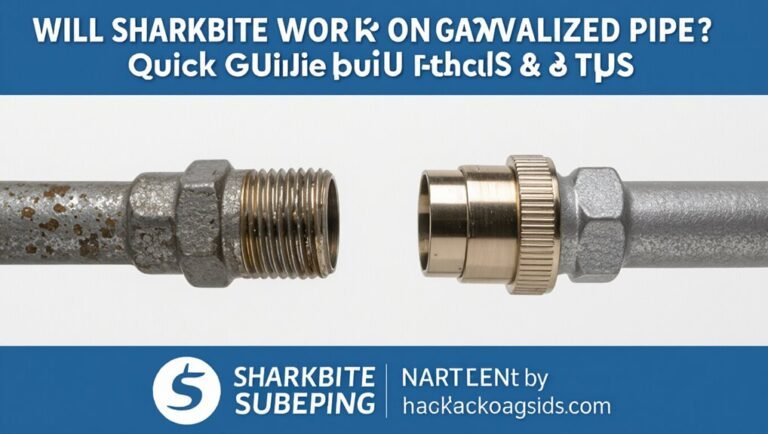
| Galvanized steel | Corrosion, reduced flow |
| Copper (old) | Pinholes, corrosion |
| PVC/PEX | Generally resilient |
Protect Pipes Tonight: Quick, No-Tools Steps
Act quickly to reduce the risk of frozen pipes tonight with a few simple, no-tools measures anyone can do.
One person can check accessible indoor pipes, open cabinet doors to share home heat, and let faucets drip slightly to keep water moving.
Close garage doors if plumbing is attached. Move portable heaters safely closer to vulnerable areas, but never leave them unattended.
- A quiet drip can prevent disaster and calm worry.
- Warmed air in a cabinet feels like relief for fragile pipes.
- Seeing a stream reduces anxiety about morning surprises.
- Small actions tonight protect tomorrow.
Long-Term Fixes: Insulation, Sealing, and Routine Checks
Short-term measures can stave off immediate problems, but preventing repeated freezes requires planned, long-term work: insulating exposed pipes, sealing gaps where cold air enters, and scheduling regular inspections.
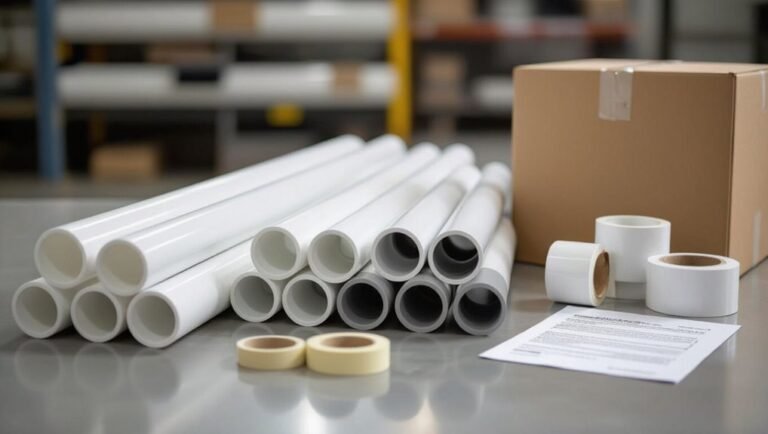
Homeowners should wrap vulnerable runs with foam or fiberglass insulation rated for plumbing, add heating tape where recommended, and protect outdoor spigots with insulated covers.
Air leaks around foundations, vents, and service penetrations must be sealed with caulk or expanding foam to reduce convective cooling.
Routine checks before cold seasons identify sagging insulation, moisture intrusion, or pest damage.
Documenting repairs and maintaining clear attic, crawlspace, and exterior access speeds future prevention and professional evaluation.
Diagnose Frozen or Burst Pipes and Emergency Actions
The section outlines how to recognize frozen pipes—such as reduced flow, strange odors, or visible frost—and how to identify signs of a burst, including wet spots, bubbling noises, or sudden pressure loss.
It then presents immediate actions to limit damage: shut off the main water supply, open faucets to relieve pressure, and apply safe thawing methods where appropriate.
Finally, it advises contacting a licensed plumber and, if needed, the homeowner’s insurance provider to document and address significant damage.
Signs Of Frozen Pipes
A rigid faucet, a hairline fissure in a basement pipe, or a sudden loss of water pressure are clear indicators that pipes may be freezing or have already burst.
Visual signs include frost on exposed piping, bulging sections, or ice crystals near joints. Unusual sounds—creaks, knocks, or hissing—suggest internal stress or leakage. Reduced flow isolated to one fixture points to a localized freeze.
Emotional cues often accompany these signs: worry at sudden cold, frustration from lost water, urgency when dripping begins, and dread at swollen walls.
Prompt recognition limits damage and guides appropriate response.
- Worry at sudden cold
- Frustration from lost water
- Urgency when dripping begins
- Dread at swollen walls
Emergency Steps For Bursts
Assess the situation quickly: determine whether a pipe is frozen or has burst by checking for visible ice, listening for running water, and noting drops in pressure or damp spots.
If a burst is suspected, shut off the main water valve immediately to limit flooding. Open nearby faucets to relieve pressure and drain remaining water.
Turn off electricity in affected areas if water risks contact with outlets or appliances. Contain leaks with buckets and towels; move valuables away.
Call a licensed plumber without delay. Document damage with photos for insurance.
Avoid using heat sources directly on pipes; wait for professional repair to restore service.
Conclusion
Wind chill does not literally freeze water inside pipes, yet wind accelerates heat loss, increasing freeze risk. Readers may object that modest wind seems harmless; however, even a brief, bitter gust can turn an uninsulated pipe into a frozen liability. Taking simple precautions tonight — open cabinets, drip faucets, seal drafts — averts costly bursts and sleepless worry. Acting now protects a home and preserves the warm sense of safety families deserve.