Can You Use Black Pipe for Water? Plumbing Guide & Safety Tips
Black pipe is not recommended for potable water systems due to its tendency to rust, potential for leaching contaminants, and lack of corrosion-resistant coatings found in approved materials. It may be permitted for non-potable applications, outdoor lines, or specific uses like gas and fire suppression where local codes allow. Always check local regulations, as they often prohibit black pipe for drinking water and may require specific testing and inspections.
Key Takeaway:
- Not Suitable for Drinking Water: Black pipe rusts and can leach harmful substances.
- Possible Uses: May be acceptable for non-potable systems or specific applications like gas and fire suppression.
- Check Local Codes: Regulations often prohibit black pipe for potable water and require inspections.
What This Guide Covers and Who It’s For
Although aimed primarily at homeowners and entry-level DIYers, this guide also serves landlords, property managers, and novice tradespeople seeking a clear introduction to common plumbing tasks and safety practices.
It outlines basic system components, routine maintenance, leak identification, and safe tool use. It explains risk awareness, personal protective equipment, and when to shut off water.
Stepwise, non-technical procedures for minor repairs are presented alongside guidance on materials selection and code awareness without exhaustive technical detail.
The aim is practical competence: enable readers to assess problems, perform simple fixes safely, and know when professional intervention is warranted.
Quick Answer: Can You Use Black Pipe for Water?
Can black pipe be used for water supply? In short: not generally recommended for potable cold or hot water in modern plumbing.
Black iron/steel pipe may serve for certain non-potable uses, gas lines, or temporary water applications where code, corrosion, and health concerns are addressed.
Many jurisdictions prohibit black pipe for drinking water because of rust, internal scale, and potential contamination; it also lacks corrosion-resistant coatings found on approved potable materials.
Where allowed, proper fittings, corrosion protection, and adherence to local codes are required. Homeowners should consult plumbing codes and use certified potable materials for long-term water systems.
What “Black Pipe” Actually Means in Plumbing
Black pipe” refers to uncoated, threaded steel or iron tubing commonly used for gas lines, sprinkler systems, and some industrial water applications; its distinctive dark finish comes from mill scale and light oil left on the metal rather than a protective coating.
In plumbing contexts the term denotes material composition and surface condition rather than a single standard: sizes follow nominal iron pipe dimensions, joints are typically threaded, and pressure ratings depend on wall thickness and grade.
Corrosion susceptibility, threading practice, and adherence to local codes determine suitability for particular services; identification clarifies handling, joining, and inspection requirements.
Types of Black Pipe: Threaded, Seamless, and Coated
A variety of black pipe types are used in plumbing and industrial systems, most commonly threaded, seamless, and coated versions, each distinguished by manufacturing method, surface treatment, and typical applications.
Threaded black pipe has machined ends enabling screw connections; it suits low-pressure gas lines and temporary water runs where fittings permit disassembly.
Seamless pipe, formed without a welded seam, offers greater uniformity and is used where strength and leak resistance matter.
Coated black pipe features protective finishes—paint, galvanizing alternatives, or specialized coatings—applied to inhibit corrosion in exposed or damp environments while extending service life.
Black Pipe Materials: Mild Steel vs. Black Iron
While both are common choices for piping, mild steel and black iron differ in composition, mechanical properties, and typical uses:
mild steel (low-carbon steel) emphasizes ductility and weldability, whereas black iron—an older trade term—often refers to heavier, less refined carbon steel stock used historically for gas and structural pipes.
Mild steel typically offers more uniform chemistry, better formability, and predictable tensile properties, making it suitable for welded or fabricated systems.
Black iron’s heavier gauge and variable microstructure provide robustness in older gas and fire-suppression installations.
Corrosion behavior and joining methods vary; selection depends on application, code requirements, and service conditions.
Black Pipe vs. Galvanized Steel
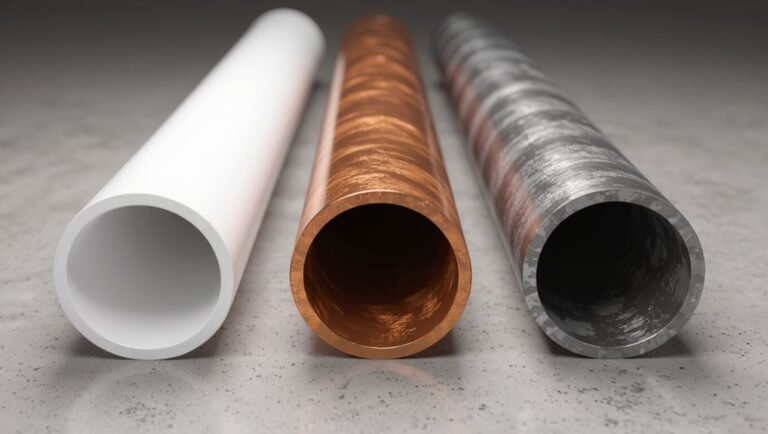
The comparison between black pipe and galvanized steel highlights key differences in corrosion resistance, with galvanized offering a protective zinc coating while black pipe is prone to rust without treatment.
Threading and fittings vary as galvanized often uses standard pipe threads with a smoother surface, whereas black pipe threads may require sealants or tape and careful matching to fittings.
Typical water usability differs too: galvanized is commonly used for potable water where coating integrity is intact, while black pipe is generally reserved for gas and non-potable applications.
Corrosion Resistance Differences
Corrosion performance distinguishes black pipe and galvanized steel in long-term plumbing applications: black pipe, untreated carbon steel, corrodes more rapidly when exposed to moisture and oxygen, while galvanized steel, coated with a zinc layer, resists rusting until that coating is breached. The choice affects longevity, maintenance frequency, and water quality; black pipe may develop internal scale and perforation sooner, whereas galvanized shows sacrificial protection that fails over time. Consider environment, water chemistry, and inspection intervals when selecting material.
| Property | Black Pipe | Galvanized Steel |
|---|---|---|
| Surface coating | None | Zinc |
| Corrosion rate | Higher | Lower (initial) |
| Failure mode | Pitting/holes | Coating loss/rust |
Threading And Fittings
Threaded connections and fittings differ notably between black pipe and galvanized steel, affecting installation technique, sealant choice, and long-term joint integrity.
Black pipe commonly uses tapered NPT threads with fittings designed for gas and non-potable water; joints rely on pipe dope or PTFE tape and mechanical engagement, creating strong seals but requiring careful torque to avoid thread galling.
Galvanized steel employs similar NPT threading yet arrives pre-coated, which can hide thread imperfections and complicate sealing; zinc can flake when threaded repeatedly.
Adapters and specialty fittings exist for both metals, but compatibility and corrosion at joints dictate selection and maintenance practices.
Typical Water Useability
After outlining how threading and fittings affect joint integrity, attention turns to how black pipe and galvanized steel perform with potable and non-potable water.
Black pipe, untreated carbon steel, resists external corrosion but corrodes internally when exposed to oxygenated water, risking rust buildup and taste issues; it is commonly used for gas and some non-potable supplies.
Galvanized steel features a protective zinc coating that delays internal corrosion, making it historically popular for potable systems, though coatings eventually fail and galvanic action can cause contamination.
For long-term potable use, alternatives like copper, PEX, or properly lined steel are generally recommended.
Where Black Pipe Is Commonly Used Today
Black pipe is commonly used for natural gas lines because of its strength and ability to handle combustible gases safely.
It is also found in many fire sprinkler systems where durability and high-pressure resistance are required.
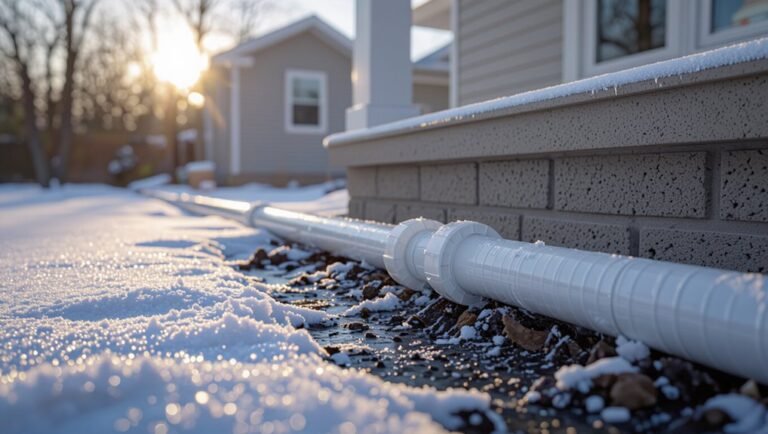
Additionally, black pipe is often chosen for outdoor water lines due to its robustness and resistance to mechanical damage.
Natural Gas Lines
Many residential and commercial natural gas supply systems still rely on black iron pipe for main and branch runs because of its strength, durability, and suitability for threaded connections. Installers must follow local codes, use proper fittings and sealants rated for gas service, and confirm joints are leak-tested before putting a line into service.
Black pipe resists compression and handles typical service pressures, making it common for indoor and some protected outdoor applications. Corrosion protection, support spacing, and avoidance of dissimilar metal contact are important.
Only qualified technicians should alter lines; permits, pressure testing, and odorization checks confirm safe operation and regulatory compliance.
Fire Sprinkler Systems
Beyond gas distribution, black iron pipe remains a preferred choice for wet and dry fire sprinkler mains due to its mechanical strength, threaded and grooved joint options, and proven performance under sustained water pressure.
It is commonly installed in commercial and multi‑story residential buildings where code permits, offering durability and predictable failure modes.
Corrosion protection, proper support spacing, and correct joint assembly are critical to system reliability.
Installers must follow NFPA standards and local codes for sizing, pressure testing, and seismic bracing.
While painted or epoxy‑coated finishes extend life, routine inspections and maintenance guarantee long‑term functionality and compliance.
Outdoor Water Lines
When installed underground for irrigation, well service, or rural water distribution, black iron pipe is valued for its strength, ease of joining, and resistance to external mechanical damage. It is often used for outdoor water lines where burial and minimal corrosion control are acceptable. Installers prefer threaded connections for simple repairs; however, protective coatings or conduit are recommended where soil moisture or salts accelerate rust. Regular inspection at exposed joints and proper frost-depth placement reduce failure risk. Compatibility with potable water requires local code checks and possible lining. Practical use balances cost, durability, and regulatory compliance.
| Application | Consideration |
|---|---|
| Irrigation | Cost-effective, durable |
| Well service | Strength, threaded joins |
| Rural distribution | Long runs, repairs |
| Protection | Coatings, conduit |
Is Black Pipe Approved for Potable Water by Code?
Is black steel pipe acceptable for potable water service under modern plumbing codes?
Typically, black steel (black iron) is not listed for potable water in current model codes. Approved materials usually include copper, CPVC, PEX, and galvanized steel where permitted.
Black pipe’s internal corrosion, iron leaching, and lack of corrosion-resistant coatings raise health and longevity concerns, prompting code restrictions. Exceptions may exist for specific industrial or nonpotable applications, but potable approval generally requires certification and material listings.
Installers and inspectors consult the adopted plumbing code and product listings; nonlisted black steel should not be used for drinking water supply.
How Local Codes Affect Using Black Pipe
Local plumbing codes determine whether black pipe can be used and often require permits for any changes to water or gas systems.
They also specify which pipe materials and fittings are approved for potable water, gas, or mechanical applications.
Homeowners and contractors should check local regulations before selecting or installing black pipe.
Permit Requirements
How do permit requirements shape the use of black pipe in plumbing installations?
Permit processes determine whether black pipe can be installed, what inspections are required, and documentation needed. Local building departments enforce code compliance and safety standards before work begins.
- Submit plans and material specifications to obtain approval, noting proposed use and locations.
- Schedule rough‑in and final inspections; inspectors confirm installation methods, ventilation, and joint integrity.
- Retain permits and inspection records; municipalities may require permits for repairs, replacements, or conversions.
Failure to secure permits can result in fines, mandated removal, or denial of occupancy approvals.
Approved Pipe Types
Approved pipe types for plumbing systems are specified by jurisdictional codes, which determine whether black pipe is permitted for a given application based on material properties, pressure ratings, and proposed use.
Local plumbing codes reference standards (ASTM, ANSI, CSA) and list approved materials for potable water, drainage, gas, and fire protection. Inspectors and permitting authorities enforce these lists; deviations require engineered justification or special approval.
Factors include corrosion resistance, interior coating, joint type, and temperature limits. Builders must consult local code books and utility requirements before selecting black pipe; failure to comply can trigger rework, fines, or denied occupancy.
Health Risks: Rust, Corrosion, and Drinking Water Safety
Although corrosion and rust often begin as minor pipe blemishes, they can compromise water quality and pose health risks when left unchecked. Signs include discoloration, metallic taste, and sediment.
Regular inspection, water testing, and timely replacement reduce exposure. Vulnerable populations—children, pregnant people, and immunocompromised individuals—face greater risk from contaminants mobilized by corrosion.
Preventive actions focus on maintenance and material choice. Consider these precautions:
- Monitor water appearance and odor; test for iron, lead, and bacterial contamination.
- Replace heavily corroded sections and use approved potable-water materials.
- Maintain appropriate water chemistry and avoid prolonged stagnation.
Interior Corrosion and Water Quality
Interior corrosion occurs through chemical and electrochemical reactions that break down pipe materials and release metals into the water.
These processes can alter taste, color, and safety of potable water while promoting sediment and bacterial growth.
Regular inspection, pH control, corrosion-resistant materials, and targeted maintenance reduce deterioration and protect water quality.
Corrosion Mechanisms Explained
Corrosion in plumbing systems results from electrochemical reactions between metal surfaces and the water that surrounds them, with factors such as dissolved oxygen, pH, chloride levels, and conductivity determining the rate and form of attack.
Variations in source water chemistry—soft versus hard water, acidic versus alkaline, and the presence of sulfates or aggressive ions—can promote uniform corrosion, pitting, or galvanic corrosion when dissimilar metals are connected.
- Oxygen-driven uniform corrosion gradually thins pipe walls and is accelerated by high conductivity.
- Chloride ions and localized chemistry create pits that penetrate rapidly and unpredictably.
- Galvanic couples occur when metals with different potentials touch, concentrating attack at the anodic member.
Impact On Water Quality
The chemical and electrochemical processes that degrade metal surfaces also directly alter the water moving through a plumbing system, affecting taste, color, odor, and safety. Interior corrosion releases iron, manganese, and other metal ions that stain fixtures, produce metallic tastes, and encourage discolored, cloudy water. Corrosion by-products can increase turbidity and harbor bacteria, raising health concerns when concentrations are elevated. Monitoring water chemistry reveals shifts in pH and dissolved oxygen tied to corrosion rates. Treatment choices depend on measured contaminants and concentrations; assessment informs whether replacement or filtration is required.
| Contaminant | Typical effect |
|---|---|
| Iron | Rust color/taste |
| Manganese | Dark staining |
Prevention And Maintenance
Preventive maintenance reduces metal degradation and preserves water quality by addressing factors that drive corrosion before damage occurs.
Regular inspection, timely repairs of fittings, and replacing compromised sections limit rust and particulate release into supply lines. Water chemistry control—pH adjustment and corrosion inhibitors—minimizes electrochemical attack. Flushing and filtration remove sediments and reduce contact time with metal surfaces. Recordkeeping supports trend detection and proactive intervention.
- Schedule periodic visual and pressure tests.
- Use certified filtration and corrosion control methods.
- Replace aged black pipe with approved materials when deterioration appears.
Consistent, documented practices sustain system integrity and potable water safety.
When Black Pipe Is Acceptable for Non-Potable Water Lines
Black steel pipe can be suitable for non-potable water applications where durability and cost-effectiveness are priorities, provided it is installed and maintained under appropriate conditions.
It is appropriate for confined, low-corrosion environments such as boiler feed, compressed air condensate, and certain industrial process lines where water will not contact potable systems.
Acceptability depends on local codes, pressure ratings, proper threading or welding, and corrosion protection like coatings or sacrificial anodes.
Isolation from drinking water, clear labeling, and routine inspections are required.
It should not be used where chemical compatibility, sanitation, or code restrictions demand alternative materials.
Black Pipe for Irrigation and Sprinkler Systems: Pros and Cons
Many irrigation professionals weigh black pipe against alternatives when selecting materials for sprinkler and irrigation systems, balancing cost, strength, and longevity.
Black pipe offers high pressure tolerance and abrasion resistance, making it useful for main lines and buried runs where mechanical damage is a concern. Corrosion and internal rust can affect longevity and water quality for sensitive plants.
Installation requires threaded joints and unions, increasing labor versus plastic alternatives. Consider local codes and expected maintenance when choosing materials.
- Strength: durable under pressure and impact
- Cost: often cheaper than copper, pricier to install than PVC
- Durability: susceptible to corrosion over time
Black Pipe for Outdoor Hose Bibs and Yard Plumbing
Black pipe is commonly used for outdoor hose bibs and yard plumbing because it is strong and readily available.
Its susceptibility to rust when exposed to moisture requires consideration of protective measures such as coatings, wraps, or periodic maintenance.
Evaluating local climate and installation detail helps determine whether additional corrosion protection is necessary.
Outdoor Use Suitability
For outdoor hose bibs and yard plumbing, standard steel piping commonly referred to as black pipe can perform adequately when properly protected from moisture and soil contact.
It is suitable for aboveground runs, temporary installations, and locations with limited exposure to constant wetness. Longevity depends on installation practices, drainage, and ambient conditions. Recommendations focus on appropriate fittings, secure mounting, and freezing protection where temperatures drop.
Consider water quality and mechanical stresses when selecting pipe size and support spacing.
- Use aboveground or well-ventilated exposed placements.
- Avoid direct burial without additional barriers.
- Provide adequate slope and support to prevent pooling.
Corrosion And Protection
Prone to rust when exposed to moisture, carbon steel pipe used for outdoor hose bibs requires targeted corrosion control to maintain function and safety.
Protective measures include quality coatings (epoxy, galvanizing, or specialized paints), regular inspection for flaking or pitting, and prompt repair of damaged sections.
Drainage and insulation reduce freeze-thaw damage that accelerates corrosion.
Dielectric unions prevent galvanic corrosion where dissimilar metals join.
Soil composition and buried pipe burial depth matter; wrapping and conduit mitigate contact with corrosive soils.
Proper maintenance schedules and replacement planning extend service life and reduce contamination risks in yard plumbing systems.
Black Pipe in Fire Sprinkler Systems vs. Domestic Water (Code Differences)
Although both systems transport water, fire sprinkler piping and domestic potable plumbing are governed by different codes because of distinct performance, material, and safety requirements.
Codes for sprinkler systems (NFPA) permit certain black steel pipe specific to fire use, while plumbing codes (IPC/UPC) restrict materials contacting potable water and require corrosion-resistant or approved linings.
Inspectors check different fittings, joint methods, and labeling. Installation standards, testing, and maintenance schedules diverge to assure system-specific reliability and water quality.
Key distinctions include:
- Approved materials and linings for potable water versus fire service
- Testing, inspection, and documentation requirements
- Backflow and water quality safeguards
Pressure Rating Limits for Black Pipe in Water Service
Having outlined how fire sprinkler and potable-water systems differ in allowed materials and linings, attention turns to the pressure-rating limits that govern use of black steel pipe in water service.
Black pipe is manufactured to specific schedules (e.g., SCH 40) with published maximum working pressures that decrease as diameter increases. Pressure ratings depend on wall thickness, joint type, and applicable standards; installers must consult manufacturer tables and local code.
System design must include safety factors, consider transient pressures, and use pressure-reducing devices or alternatives when service pressures exceed the pipe’s rated capacity to prevent leaks or failures.
Temperature Limits: Hot Water and Black Pipe Performance
When exposed to elevated hot-water temperatures, black steel pipe exhibits changes in mechanical properties and service performance that must be accounted for in system design.
Thermal exposure can reduce yield strength, accelerate corrosion, and increase scaling rates, shortening service life if not mitigated. Designers should limit operating temperature, select appropriate grade, and use insulation where needed.
Consideration of joint integrity under thermal cycling is important, as is compatibility with water chemistry at temperature.
- Limit continuous operating temperature per manufacturer data and applicable codes
- Insulate runs to reduce heat loss and external oxidation
- Monitor for accelerated corrosion and pressure loss
Threaded Fittings: Sealing Black Pipe Water Connections
After addressing temperature effects and corrosion risks, attention turns to the methods used to join black steel pipe for water service, where threaded fittings remain common for smaller diameters and repair work.
Threaded connections rely on male and female NPT threading; proper engagement prevents leaks and accommodates disassembly. Sealing is achieved with compatible tape or paste—PTFE tape rated for potable water or pipe thread sealant designed for steel—applied correctly to avoid contamination and over-application.
Threads must be clean, cut squarely, and hand-started to prevent cross-threading. Tightening should follow torque recommendations to preserve seal integrity without damaging threads.
Welding and Joining Black Pipe
Welds and mechanical joints provide the most permanent, pressure‑capable connections for black steel pipe used in water systems.
Welding (SMAW, MIG, TIG) yields continuous fusion joints when performed by certified welders following code and cleanliness requirements.
Mechanical couplings and grooved fittings offer reliable alternatives where welding is impractical, allowing easier maintenance and replacement.
Selection depends on pressure class, accessibility, and code compliance.
- Welding: fusion integrity, requires certification and inspection
- Grooved/mechanical: faster installation, accommodates movement
- Threaded adapters: shift to threaded components, torque and sealing considerations
Proper testing (hydrostatic, visual) verifies joint integrity before service.
Corrosion Protection Options: Coatings, Linings, and Wraps
The section introduces common approaches for protecting pipework from corrosive attack, covering surface coatings, internal linings, and external wraps.
It compares protective coating types such as paints, epoxies, and galvanic coatings.
It outlines internal pipe linings used for potable and industrial lines and reviews corrosion wrap methods for buried or insulated runs.
Practical selection criteria—service fluid, temperature, soil conditions, and inspection access—are noted to guide appropriate choices.
Protective Coating Types
A variety of protective coatings, linings, and wraps are used to prevent corrosion on plumbing systems by creating physical and chemical barriers between metal surfaces and corrosive environments.
Common exterior coatings include paints and epoxies that resist moisture and chemicals. Wraps and tapes provide mechanical isolation and sacrificial protection, useful for irregular shapes and repairs.
Selection depends on exposure, temperature, and compatibility with potable water.
- Epoxy and polyurethane coatings for durable, waterproof surface protection
- Bituminous or rubberized wraps for damping and external corrosion control
- Zinc-rich primers and galvanic tapes for sacrificial protection
Internal Pipe Linings
Internal pipe linings form a critical barrier between conveyed fluids and metal surfaces, preventing corrosion, reducing contamination, and extending service life.
Linings include epoxy, cement mortar, polyurethane, and thermoplastic options chosen for compatibility with water chemistry, pressure, and temperature.
Application methods—spray, centrifugal, or trowel—affect thickness, adhesion, and uniformity. Proper surface preparation and curing are essential to avoid delamination and pinholing.
Inspections use visual checks, holiday testing, and thickness measurements. Linings can restore aging black pipe and meet potable water standards if certified.
Selection balances longevity, cost, maintenance, and regulatory compliance for safe water delivery.
Corrosion Wrap Methods
Following discussion of pipe linings, attention turns to external corrosion wraps as a complementary protection strategy for buried or exposed piping.
These wraps provide a physical barrier, reduce moisture contact, and can accommodate irregular surfaces. Selection depends on soil conditions, temperature, and expected lifespan. Proper surface preparation and overlap sealing are critical for performance.
Typical considerations include adhesion, puncture resistance, and compatibility with coatings or cathodic protection systems.
- Bituminous tape: flexible, moisture-resistant, good for many soils.
- Polyethylene sleeves: robust, long-lasting, suitable for burial.
- Rubberized coatings: conformable, good for irregular fittings.
Cathodic Protection for Steel Pipe
Cathodic protection prevents corrosion of steel pipe by making the pipe the cathode of an electrochemical cell, either by attaching sacrificial anodes or by applying an impressed current.
This method reduces metal loss where coatings, wraps, or isolation fittings cannot fully prevent electrolyte contact. Sacrificial anodes (magnesium, zinc, aluminum) corrode preferentially and are suitable for buried or submerged lines; impressed current systems use external power and inert anodes for larger or more complex networks.
Design considers soil resistivity, stray currents, bonding, and monitoring points. Routine potential measurements confirm protection levels and guide anode replacement or system adjustment.
How to Inspect Existing Black Pipe for Safety and Leaks
Inspection of existing black pipe begins with a visual corrosion check to identify rust, pitting, or coating failure.
The condition of joints and fittings should be assessed for loose connections, thread damage, and signs of seepage.
Where concerns arise, controlled pressure and leak testing confirm integrity before repair or replacement.
Visual Corrosion Check
A careful visual corrosion check of existing black pipe begins with a systematic scan for surface changes that indicate deterioration or leaks. The inspector notes rust color shifts, pitting, blistering, and flaking along accessible runs.
Areas near supports, hangers, and low spots receive special attention for moisture accumulation and streaking that suggest active seepage. Record locations and severity with photos and brief notes.
Prioritize sections showing deep corrosion or through-wall thinning for prompt action. Recommended observations include:
- Rust pattern type and extent (surface vs. deep pitting)
- Presence of moisture stains or mineral deposits
- Localized discoloration near penetrations or condensate-prone areas
Joint And Fitting Inspection
When examining joints and fittings of existing black pipe, the inspector methodically checks for loose connections, visible thread damage, and signs of leakage such as fresh corrosion, mineral buildup, or residue at seals.
The inspector verifies tightness without over-torquing, inspects pipe ends and coupling faces for nicks or misalignment, and notes degraded thread sealant or missing tape.
Compression and flare fittings receive attention for cracked ferrules or seating distortion.
Where compounded joints exist, evidence of recurring repairs or incompatible materials is logged.
All findings are photographed, dated, and prioritized for repair or replacement based on severity.
Pressure And Leak Testing
Begin pressure and leak testing by isolating the black pipe segment and confirming all downstream valves and fixtures are secured to create a closed system.
The inspector then pressurizes the segment with water or air at a controlled rate, monitoring gauges for pressure loss and watching fittings and joints for visible seepage.
If pressure drops, localized testing with soapy water or electronic leak detectors pinpoints flaws. Repairs follow manufacturer and code-approved methods; retest after repairs.
Safety measures include slow pressurization and proper PPE.
- Monitor pressure gauges steadily
- Check threads, joints, and welded seams
- Use approved testing pressures only
Signs You Should Replace Black Pipe in a Home Water System
How can a homeowner tell that black pipe in their water system needs replacing?
Visual corrosion, flaking rust, or pinhole leaks indicate metal degradation. Persistent leaks at joints, fittings, or along runs signal failure beyond simple repairs.
Discolored water—brown, black, or metallic taste—suggests internal rust or sediment. Low water pressure without other causes can result from internal buildup narrowing the bore.
Repeated patching or frequent joint failures point to systemic aging. Visible deformation, crushed sections, or fire-damaged pipe require replacement.
If inspection reveals multiple problem spots or safety concerns, full replacement should be considered promptly.
Retrofitting Black Pipe to Copper, PEX, or CPVC Systems
Retrofitting black pipe requires careful selection of compatible fittings and methods when connecting to copper, ensuring a corrosion-resistant barrier and proper threading or soldering techniques.
Shifting to PEX typically uses compression or crimp fittings and may require isolating adapters to prevent galvanic corrosion where metals meet.
Each approach demands attention to local codes, pressure ratings, and leak-testing to secure a reliable system.
Joining To Copper
When integrating existing black iron (steel) gas or water lines with modern copper, PEX, or CPVC systems, attention to compatible fittings, corrosion prevention, and proper joining methods is essential to guarantee a safe, durable connection.
Connections to copper typically use threaded galvanized-to-copper adapters, dielectric unions, or copper couplings with short black pipe nipples. Preparation includes cleaning threads, applying appropriate sealant, and ensuring no stray ferrous particles contact copper.
Prevent galvanic corrosion and leaks by isolating metals and using proper fittings.
- Use dielectric fittings or brass adapters rated for potable water.
- Inspect threads; use PTFE tape or pipe dope.
- Tighten to manufacturer torque specs.
Transitioning To PEX
Several common methods exist for converting black iron lines to PEX, and each requires attention to pressure ratings, gas vs. potable water use, and approved adapters.
Retrofitting typically uses a black-pipe-to-copper nipple or threaded adapter, then a copper-to-PEX interchange fitting, or a specialized black-iron-to-PEX compression or push-fit adapter where code allows.
Installers must deburr and clean threads, apply proper sealant, and verify compatibility with potable water.
Support and expansion/contraction allowances for PEX differ from rigid pipe.
Pressure testing after connection and adherence to local plumbing codes guarantee a safe, durable conversion from black iron to PEX.
Cost Comparison: Black Pipe vs. Copper vs. PEX for Water Lines
Although material choice often depends on local codes and installer preference, cost remains a primary deciding factor for water-line projects.
Black pipe typically offers the lowest material price, favored for durability where approved for water, while copper costs more upfront but provides longevity and resale appeal. PEX sits between them, usually cheaper than copper and flexible for many layouts.
- Black pipe: lowest material cost, long service life if allowed, minimal corrosion issues in certain water chemistries.
- Copper: highest material cost, proven performance, recyclable.
- PEX: moderate cost, material savings, suitable for retrofits and complex runs.
Labor Considerations: Ease of Installation and Required Tools
Labor for installing water lines varies considerably by material, affecting project time, skill level, and tool needs.
Black pipe requires threading and cutting with a pipe cutter, reamer, and threader or fittings pre-threaded, increasing labor when compared with push-fit PEX. Skilled threading and sealing with pipe dope or tape are necessary to prevent leaks.
Corrosion-resistant PEX demands fewer specialized tools and faster installation; copper requires soldering equipment and flame safety measures.
Work in confined spaces increases difficulty regardless of material.
Labor estimates should account for tool rental, contractor skill, and additional time for precise measuring and alignment.
Common Mistakes When Using Black Pipe for Water Lines
Why do mistakes with black pipe occur so frequently in water-line work? Common errors stem from assumptions about suitability and shortcuts that compromise safety.
Installers may misuse fittings, overlook corrosion risks, or fail to protect against contamination.
Typical pitfalls include:
- Using black pipe where approved potable materials are required, causing code violations and health risks.
- Improper threading and sealing, leading to leaks and weakened joints.
- Neglecting corrosion prevention and stray current protection, shortening service life.
Awareness of these mistakes helps identify when black pipe is inappropriate or when additional measures are necessary before proceeding with a water-line installation.
Best Practices for Running Black Pipe Inside a House
When running black pipe indoors, attention to corrosion protection—such as coatings, dielectric unions, and proper insulation—is essential to prolong service life.
Installations must also comply with local indoor plumbing codes regarding material use, ventilation, and clearances.
A clear plan that addresses both protection methods and code requirements reduces risk and future maintenance.
Corrosion Protection Methods
Although black steel pipe offers strength and affordability for indoor gas and water lines, it requires deliberate corrosion protection to guarantee long-term performance.
Implementing coatings, isolation, and environmental control reduces rust and contamination risk. Common methods include applying primer and paint, using dielectric unions where dissimilar metals join, and maintaining dry, ventilated spaces to limit moisture exposure.
Regular inspection and touch-up of protective layers extend service life. Selection should consider water chemistry and accessibility for maintenance.
- Apply factory or field-applied protective coatings and paint systems.
- Electrically isolate mixed-metal connections with dielectric fittings.
- Control humidity and avoid direct soil contact indoors.
Indoor Installation Codes
After addressing corrosion protection, attention shifts to the codes and best practices governing indoor runs of black steel pipe to guarantee safety, functionality, and code compliance.
Installers must follow local plumbing and building codes, including approved use for potable water where allowed, required fittings, and testing protocols.
Pipes should be supported at specified intervals, kept away from electrical wiring, and routed to permit access and future maintenance.
Penetrations through fire-rated assemblies require appropriate firestopping.
Threaded joints need proper sealant and torque.
Inspectors typically require pressure testing and documentation.
Where prohibited, alternatives such as galvanized or certified potable materials must be used.
Best Practices for Running Black Pipe Underground or Buried
If buried, black iron pipe requires specific precautions to prevent corrosion, guarantee mechanical protection, and maintain a reliable gas or water line over time.
Best practice mandates coating or wrapping with approved corrosion-resistant materials, selecting correct burial depth per code, and avoiding direct soil contact when possible.
Use protective sleeving at road crossings and where the pipe passes through concrete. Ascertain proper backfill with sand or fine gravel to cushion the pipe and prevent sharp rock contact.
- Apply corrosion-resistant coating and seal joints.
- Maintain required minimum cover and slope.
- Mark and map runs for future access.
Insulation and Freeze Protection for Black Pipe Water Lines
The section outlines common insulation material options for black pipe water lines, including foam sleeves, fiberglass wrap, and closed‑cell elastomeric insulation.
It also summarizes freeze protection strategies such as heat tape, increased burial depth, and controlled heat sources in enclosures.
Recommendations focus on matching materials and methods to climate, pipe exposure, and maintenance access.
Insulation Material Options
When selecting insulation for black steel water lines, professionals weigh material properties, installation complexity, and expected thermal performance to prevent freezing and condensation.
Suitable materials balance R-value, moisture resistance, and mechanical durability. Closed-cell foam offers high R-value and water resistance for exposed runs.
Fiberglass with a vapor barrier suits conditioned spaces but needs careful sealing. Rubber elastomeric insulation resists condensation and remains flexible for fittings.
- Closed-cell foam: compact, moisture-resistant, good thermal performance
- Fiberglass with jacket: cost-effective in protected areas, requires vapor sealing
- Rubber elastomeric: durable, flexible, low condensation risk
Freeze Protection Strategies
Because black steel water lines are vulnerable to freezing and corrosion, freeze protection strategies combine insulation, heat sources, and moisture control to maintain fluid integrity in cold conditions.
Install closed-cell foam or fiberglass with vapor barriers to reduce conductive and convective heat loss. Apply pipe heating cables with thermostat control where temperatures approach freezing; follow manufacturer spacing and grounding requirements.
Seal gaps in walls and crawlspaces to limit cold air intrusion. Drain and winterize unused lines. Monitor susceptible runs with temperature sensors or smart controllers.
Regular inspection and maintenance prevent insulation compression, moisture buildup, and degraded heat cable performance over time.
How to Connect Black Pipe to Modern Plumbing Fixtures
Connecting black iron pipe to modern plumbing fixtures requires attention to thread type, sealing method, and corrosion compatibility to guarantee a leak-free, code-compliant joint.
Proper conversion often uses threaded adapters, dielectric unions, or flanged connections to match fixture materials and prevent galvanic corrosion. Installers should confirm pipe schedule and thread standard (NPT) before assembly.
Torque fittings to manufacturer specs and support joints to avoid stress. Inspect for alignment and test at working pressure. Consider protective coatings where exposed.
- Use threaded adapter to brass or stainless fixture connections
- Employ dielectric unions between dissimilar metals
- Select flanges with compatible gaskets and bolts
Thread Sealants and Tapes Safe for Potable Water Joints
Thread sealants and tapes suitable for potable water joints provide a reliable, code-compliant barrier against leaks while remaining safe for drinking water. Approved products include NSF/ANSI 61-certified pipe dope, lead-free anaerobic thread sealants, and PTFE tape labeled for potable use.
Application follows manufacturer torque and cure-time instructions; tapes wrap clockwise with two to three turns, avoiding overfill of joints. Sealants compatible with iron, brass, and stainless fittings prevent galvanic issues and odor taint.
Inspect threads for cleanliness and damage before applying. Maintain records of product specifications and certifications to satisfy code inspections and homeowner safety expectations.
Testing Black Pipe Water Systems: Pressure and Leak Tests
Begin pressure testing a black pipe water system only after all joints, supports, valves, and fixture connections are properly installed and visually inspected.
The procedure uses controlled hydrostatic pressure to verify integrity, following code-specified test pressures and durations. Observe gauges, watch for pressure decay, and inspect every fitting for seepage. If pressure drops, isolate sections and recheck joints; repair with approved fittings or rethread as needed.
Safety protocols require slow fill to expel air and use of pressure relief devices.
- Use water-only hydrostatic tests per local code.
- Monitor pressure for the full required hold time.
- Record results and corrective actions.
Long-Term Maintenance for Black Pipe Water Installations
Long-term care of black pipe water systems includes scheduled inspections for corrosion to catch pitting, rust, and joint degradation early.
Regular checks and reapplication of thread sealant on fittings prevent leaks as threads age and settle.
Monitoring water quality for pH, mineral content, and contaminants helps identify conditions that accelerate corrosion and guides corrective treatment.
Routine Corrosion Inspections
Regular inspections of black pipe water systems focus on identifying early signs of corrosion—pitting, flaking, rust-colored deposits, or dark staining at joints and fittings—so that deterioration can be addressed before leaks or structural failures occur.
Inspectors document condition, note locations of concern, and prioritize repairs based on severity and access. Visual checks are complemented by felt probes and simple tap tests to detect thinning.
Frequency depends on water chemistry and environment: more often in aggressive or humid settings.
Recommended actions include:
- Record keeping: date, location, observations, photos.
- Targeted monitoring: known weak points and high-stress fittings.
- Prompt replacement: sections showing progressive metal loss.
Thread Sealant Maintenance
After documenting corrosion and prioritizing repairs, attention should shift to the condition of thread sealants used on joints and fittings, since degraded sealant can undermine otherwise sound pipe segments.
Inspect visual signs: cracking, hardening, discoloration, or residue migration. Verify compatibility of replacement sealant with black pipe materials and potable-water approvals.
When re-taping, remove old material, clean threads, apply appropriate PTFE tape or approved pipe compound evenly, and avoid over-application that can obstruct flow or interfere with valve operation.
Record sealant type and replacement date in maintenance logs and schedule periodic reinspection based on exposure, vibration, and service temperature.
Water Quality Monitoring
Water quality monitoring for black pipe water installations establishes baseline conditions and detects changes that can indicate corrosion, contamination, or compromised system integrity.
Regular testing includes pH, hardness, iron, and microbial checks at intervals tied to usage and age. Results guide maintenance: flushing, filtration upgrades, or pipe replacement when trends show deterioration.
Documenting data creates a useful history for risk assessment and regulatory compliance.
Recommended practices include:
- Schedule quarterly sampling for new systems and annual thereafter.
- Use certified labs and keep chain-of-custody records.
- Correlate water chemistry with visual inspections and pressure tests to pinpoint issues.
Retrofitting Old Black Pipe to Meet Modern Code Requirements
When connecting legacy black iron piping to contemporary plumbing systems, code-compliant retrofits focus on corrosion control, appropriate fittings, and approved materials to prevent leaks and health hazards.
Inspectors assess wall thickness, joints, and evidence of internal corrosion; failing sections require replacement. Changeover joints must use listed adapters and dielectric unions where dissimilar metals meet.
Threaded connections are requalified or replaced with flanged or press fittings per local code. New pipe installation follows current sizing, support, and seismic requirements.
Documentation of materials and permit-approved work guarantees compliance. Pressure testing and water quality sampling confirm the retrofit meets regulatory and safety standards.
When Insurers or Lenders Object to Homes With Black Pipe Water Lines
If insurers or lenders raise concerns about a home with black iron water lines, their objections typically center on corrosion risk, potential for leaks, and uncertainty about remaining useful life.
Often underwriting requires documentation, inspection, or replacement estimates before issuing coverage or approving loans.
Appraisers and agents may request:
- A licensed plumber’s inspection report detailing condition and projected service life.
- Written estimates for partial or full replacement with compliant materials.
- Evidence of recent repairs, corrosion mitigation, or protective coatings.
Negotiations can include higher premiums, conditional endorsements, or escrowed funds for remediation.
Timely, documented repairs usually resolve most financing or insurance barriers.
Environmental Impact and Recyclability of Black Pipe Material
Although black iron pipe is primarily composed of steel—a material with a high recycling value—its environmental impact depends on factors such as manufacturing processes, in-service corrosion, and end-of-life handling. The material’s embodied energy, coatings, and residual contaminants influence recyclability; proper removal and sorting enable recovery, while corroded or coated sections may require special processing. Lifecycle emissions vary with transport and scrap markets. Reuse and recycling reduce landfill burden but need safe decontamination. Municipal programs and metal recyclers accept cleaned steel; documented chain-of-custody improves environmental outcomes.
| Factor | Impact | Mitigation |
|---|---|---|
| Coatings | Complicate recycling | Remove/preprocess |
| Corrosion | Lowers scrap value | Segregate/clean |
| Transport | Emissions | Local recycling |
Alternatives to Black Pipe for Different Water Applications
Having considered the recyclability and lifecycle impacts of black iron pipe, attention shifts to alternative materials that better suit specific water uses. Options vary by corrosion resistance, pressure rating, and code acceptance.
For hot, potable, or corrosive environments, materials with proven longevity and safety records are preferred. Common alternatives include:
- Copper: durable, bacteriostatic, suited for potable and hot-water lines where permitted.
- PEX (cross-linked polyethylene): flexible, freeze-resistant, easy to install for residential supply.
- PVC/CPVC: cost-effective for cold (PVC) and hot (CPVC) potable or drainage applications when approved by local codes.
Choosing the Right Material for Potable vs. Non-Potable Water
Selecting the appropriate piping material for potable versus non-potable water hinges on health safety, chemical compatibility, and regulatory approval; potable systems demand materials that resist leaching, biofilm growth, and corrosion, while non-potable applications may prioritize cost, durability, or chemical resistance over strict sanitary standards.
For potable use, certified materials such as copper, CPVC, PEX, and NSF/ANSI-listed plastics are preferred because they maintain water quality and meet code.
Non-potable systems (irrigation, industrial cooling) can safely employ galvanized steel, black iron, or untreated metals where contamination risk is minimal, provided chemical compatibility and system pressure are appropriate.
Cost-Benefit Scenarios: When Black Pipe Is a Reasonable Choice
When evaluating material choices, black pipe can be justified for short-term temporary use where longevity and corrosion resistance are not critical.
It is commonly selected for outdoor non-potable lines such as irrigation or construction site water supply because of its low upfront cost and ease of installation.
Decision-makers should weigh replacement frequency and exposure conditions against savings to determine if black pipe is appropriate.
Short-Term Temporary Use
Although meant for temporary installations, black pipe can be the most cost-effective choice for short-term water or gas runs where low upfront cost and ease of sourcing outweigh long-term durability concerns.
It suits construction site hookups, emergency repairs, or rented property fixes where replacement is planned. Users should weigh corrosion exposure and local code compatibility before installation.
Recommended practices include inspecting fittings, limiting service duration, and documenting locations for future replacement.
- Short-term construction water feed: inexpensive and readily available.
- Emergency repair: quick to deploy with common fittings.
- Temporary gas line for testing or commissioning.
Outdoor Non-Potable Lines
For outdoor non-potable lines, black pipe can be a reasonable choice where cost, availability, and planned lifespan align with performance limits.
It performs well for irrigation, drainage, or fire-suppression feed lines exposed to open air or buried with protective coatings, provided corrosion risk, local codes, and required water quality are acceptable.
Advantages include low material cost, easy sourcing, and mechanical strength.
Disadvantages are susceptibility to rust without coatings, limited longevity in corrosive soils, and inapplicability for potable water.
Decision factors: expected service life, maintenance capacity, soil chemistry, exposure, compatibility with fittings, and compliance with regulations.
When risks are mitigated, black pipe is pragmatic.
Hiring a Pro vs. DIY: When to Call a Licensed Plumber
Deciding whether to tackle a plumbing issue as a DIY project or to hire a licensed plumber rests on evaluating scope, risk, and cost: simple tasks like faucet replacement or unclogging a sink can suit a competent homeowner, but leaks, gas lines, sewer problems, or work affecting building codes require professional expertise to prevent damage, guarantee safety, and avoid costly permits or failed inspections.
When uncertainty exists, prefer a pro. Licensed plumbers carry insurance, ascertain code compliance, and offer warranties.
Consider budget, time, permit requirements, and personal skill before choosing.
- Safety and liability concerns
- Code and permit complexity
- Long-term reliability and warranty
Questions to Ask Your Plumber About Black Pipe Work
What specific concerns should homeowners raise when discussing black pipe work with a plumber?
The homeowner should ask about code compliance, permitted uses, and whether black pipe suits potable water lines in the local jurisdiction.
Inquire about corrosion control, protective coatings, and ventilation where gases or moisture could accelerate rust.
Request details on joint methods, leak testing, and expected lifespan.
Ask for alternatives and cost comparisons, including long‑term maintenance needs.
Confirm the plumber’s experience with black pipe installations, warranties, and documentation of materials used.
Finally, clarify cleanup, potential disruptions, and contingency plans for unexpected findings during installation.
Case Studies: Safe Black-Pipe Installs and Failures
After reviewing the questions homeowners should ask about black pipe, examining real-world installations highlights how those issues play out in practice.
Case studies show both proper preparation and costly oversights: corrosion where protective coatings were omitted, successful isolated gas-line conversions with proper fittings, and failures from incompatible thread sealants.
Lessons emphasize material compatibility, skilled fitting, and routine inspection.
Key takeaways include:
- Documented success: coated pipe, correct joint methods, scheduled maintenance.
- Typical failure: exposed ends, improper sealant, galvanic corrosion.
- Preventive measure: verify code compliance, use correct fittings, monitor for leaks.
Quick Checklist: Is Black Pipe Right for Your Water Project?
Is black pipe suitable for a given water project depends on pressure, water chemistry, code requirements, and planned exposure.
Use this checklist to decide quickly:
- verify local code permits black iron for potable or nonpotable use;
- confirm water pH and hardness won’t accelerate corrosion;
- evaluate operating pressure and temperature against pipe ratings;
- determine indoor versus outdoor exposure and need for corrosion protection or coatings;
- assess connection types and compatibility with fittings and valves;
- consider future access for repairs and inspection;
- review potential for galvanic corrosion with dissimilar metals;
- weigh cost versus longevity and alternative materials before final selection.
Permits, Inspections, and Documentation You’ll Need for Black Pipe Work
Before starting black pipe installation, the project must be evaluated for required permits, inspection milestones, and recordkeeping so work meets local codes and passes final approval.
Authorities often require a building or plumbing permit, plans showing pipe routing and connections, and contractor licensing.
Inspections typically occur at rough-in, pressure test, and final stages; scheduling and passing each is mandatory.
Documentation—permit receipts, inspection reports, test results, and material invoices—should be retained for warranty, resale, and compliance.
Failure to comply can lead to fines or rework.
- Obtain permits before purchasing materials
- Schedule and pass required inspections
- Keep complete records on file
Common Product Codes and Standards to Check Before Buying Black Pipe
Having verified permits, inspections, and documentation, attention shifts to the product codes and standards that govern black pipe selection to secure code compliance and safe performance.
Buyers should confirm ASTM specifications (commonly A53, A106 for black steel) and identify grade, schedule, and seam type. Verify NSF/ANSI certifications where applicable for potable-water use, and check local plumbing code references (IPC, UPC) for permitted materials.
Pressure ratings, temperature limits, and corrosion allowances must match application requirements. Look for manufacturer traceability, mill test reports, and compatible fittings standards (ASME/ANSI).
Ascertain third-party listings (UL, FM) if required by jurisdiction.
Next Steps: Planning a Safe Water Line Using or Replacing Black Pipe
When planning a water line that will use or replace black pipe, the project must start with a clear assessment of application requirements—service type (potable, nonpotable, gas), expected pressure and temperature, and compatibility with existing materials—so that pipe grade, schedule, fittings, and corrosion protection are selected to meet code and performance needs.
The planner should verify local codes, decide between replacement or lining, and schedule inspections. Safety, testing, and recordkeeping are essential. Consider professional installation for potable systems.
- Confirm code and permit requirements
- Specify corrosion control and compatible fittings
- Plan pressure testing and documentation
Conclusion
In conclusion, black pipe can serve in specific water applications but demands careful selection, preparation, and compliance; it is not a universal solution. Like a seasoned tool in a mechanic’s box, it performs well when matched to the job and maintained, yet becomes a liability if misused or left unprotected. Homeowners and professionals should weigh material, coating, code requirements, and long‑term corrosion risk before deciding to use or replace black pipe.