How to Clog a Drain Without a Plug: Quick DIY Methods to Stop Water Flow Safely
If you need to temporarily stop water flow from a sink or tub without a plug, try using common household items. Effective methods include stretching rubber gloves over the drain, sealing plastic wrap with tape, placing a weighted jar lid, or inserting a compressed sponge. For short-term blockage, flexible materials and damp cloths with waterproof tape work well. Avoid using sharp objects or permanent adhesives that could damage your pipes. For more reliable solutions and detailed instructions, continue reading for practical tips and precautions.
Stop Water Flow in a Sink or Tub Without a Plug: Immediate Solutions
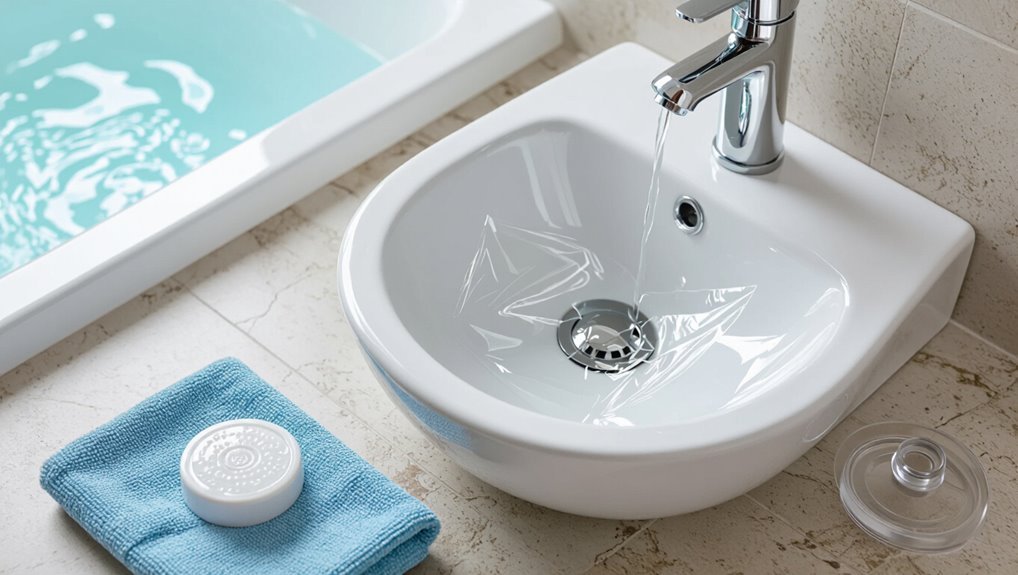
The section outlines quick sealing techniques using everyday items to halt water in sinks, tubs, or showers.
It describes simple temporary stoppers fashioned from improvised materials and notes which methods suit sinks versus tubs or shower floors.
Guidance emphasizes choosing the appropriate quick fix based on water depth, drain size, and available materials.
Quick seal methods using common household items
Several quick household fixes can temporarily seal a sink or tub drain when a plug is missing, using items most people have on hand. The guide explains how to clog a drain without a plug safely, listing methods sized to fit, materials, and cautions.
| Item | Method | Note |
|---|---|---|
| Rubber glove | Stretch over drain | Seal, not permanent |
| Plastic wrap | Press and secure | Good for low pressure |
| Jar lid | Center and hold | Requires weight |
| Tape | Layer and press | Avoid residue |
| Sponge | Compress and block | Replace when wet |
Temporary stoppers from improvised materials
Any available household item can serve as a temporary stopper when a sink or tub lacks a proper plug, provided it matches the drain size and seat.
Firm, flexible materials—rubber gloves, silicone spatulas, folded cloths sealed with waterproof tape, or a jar lid pressed over the opening—can halt flow briefly.
Guarantee a snug fit and avoid materials that may disintegrate or block traps.
When to use each quick method (sink vs tub vs shower)
Choice of method depends on drain type, water volume, and available materials: for sinks, compact flexible items like rubber gloves or a jar lid pressed into the seat work best; for tubs, larger flat seals such as a folded waterproof cloth taped around the rim or a silicone spatula can cover wider openings and withstand more weight; for showers, a firm suction-cap or tightly wedged rubber piece prevents flow while allowing quick removal.
| Sink | Tub | Shower |
|---|---|---|
| Small | Broad | Vertical |
| Quick | Durable | Removable |
| Gentle | Heavy-duty | Fast |
How to Make a Reliable Temporary Plug Step-by-Step
The section lists required materials and basic safety precautions before outlining four practical methods for creating a temporary drain plug.
Method one uses a rubber glove or balloon to form a seal, while method two employs a plastic bag and tape for quick coverage.
Method three recommends a wet cloth with putty for molding, and method four describes crafting a gasket from a jar lid or silicone for a more durable fit.
Materials needed and safety precautions
Tools and materials should be assembled before attempting a temporary drain plug to confirm efficiency and safety.
Required items: clean cloth or rag, waterproof tape, rubber sheet or cut glove, bucket, gloves, goggles, pliers, flashlight.
Precautions: wear protective gloves and eye protection, verify area is dry, avoid chemical mixtures, ventilate enclosed spaces, test stability gently, keep children and pets away, and dispose of materials responsibly.
Method 1 Rubber glove or balloon technique
Stretching a clean rubber glove or inflated balloon over the drain creates a quick, effective seal by using elastic pressure to block water flow and can be done with minimal tools.
Press edges firmly, remove excess air beneath, and test by running a small stream. Reapply or replace if slipping occurs.
Suitable for sinks and tubs; avoid sharp edges and chemical contamination.
Method 2 Plastic bag and tape method
After using a glove or balloon, a plastic bag and tape offers a low-cost alternative for creating a temporary seal over a sink or tub drain.
Cut a sturdy bag to size, press it flat over the drain, then secure edges with waterproof tape, overlapping firmly.
Test by adding a little water; reseal gaps as needed.
Remove gently when finished.
Method 3 Wet cloth and putty technique
When sealing a drain without a plug, a damp cloth paired with pliable putty creates a reliable, adaptable temporary seal that conforms to irregular drain shapes.
The cloth provides an initial barrier while the putty molds and hardens around edges to stop water flow.
Press the cloth into the drain, wrap putty over it, compress to fill gaps, smooth edges, then test for leaks.
Method 4 DIY rubber gasket from jar lid or silicone
Create a snug temporary seal by repurposing a jar lid or molding silicone into a rubber-like gasket sized to the drain opening.
Remove the lid’s insert, trim to fit, and add a soft rim with tape or rubber for compression.
For silicone, press uncured material into a shallow mold matching the drain, cure per instructions, then seat and press firmly for a watertight temporary plug.
Testing the seal and adjusting for leaks
Begin by filling the basin or sink with a modest amount of water—enough to reach a level that will reveal any leaks without overflowing.
Observe for drips around the gasket or lid for several minutes. If seepage appears, reposition, add a thin bead of plumber’s grease or silicone, and retest.
Continue adjustments until the water holds steady, indicating a reliable temporary seal.
Tools and Products That Work Better Than Makeshift Options
A range of purpose-built stoppers—such as suction-cup and universal sink stoppers—offers a more reliable seal than improvised materials for routine tasks.
Inflatable bathtub stoppers and dedicated drain plugs provide adjustable, watertight solutions for larger fixtures or when a tight seal is critical.
Guidance on when to purchase a proper tool versus improvising helps readers balance cost, convenience, and the risk of leaks or damage.
Suction cups and universal sink stoppers
Many modern sinks can be sealed quickly and reliably using suction-cup stoppers or universal sink stoppers, which form an airtight seal over the drain without requiring permanent fixtures.
These devices are reusable, inexpensive, and compatible with varied drain sizes. They resist light pressure differences, are simple to position and remove, and reduce risk of damage compared with makeshift plugs or adhesives.
Inflatable bathtub stoppers and drain plugs
Inflatable bathtub stoppers and drain plugs provide a quick, adaptable seal for tubs and irregular drains where rigid stoppers fail. They inflate to match contours, resist slipping, and are reusable; care is needed to avoid overinflation. Recommended for temporary sealing and gentle surfaces.
| Feature | Benefit |
|---|---|
| Flexibility | Conforms to shapes |
| Portability | Easy storage |
| Reusability | Cost-effective |
| Surface-safe | Non-scratching |
When to buy versus improvising
Consider whether time, cost, and risk favor a purchased solution over a makeshift fix: professionally designed stoppers and specialty tools offer reliable seals, predictable sizing, and safer materials that often outweigh the convenience of improvised methods for frequent use or delicate fixtures.
- Durable rubber stoppers for repeated sealing.
- Adjustable sink plungers for varied drains.
- Inflatable or silicone plugs for fragile surfaces.
Safety Considerations and Preventing Damage
When describing safe ways to block a drain, attention should be given to avoiding chemical reactions and heat that can harm pipes or release fumes.
Surfaces and overflow openings must be protected to prevent scratches, staining, or unintended sealing.
The guidance should clearly list prohibited items such as sharp tools and permanent adhesives that can cause lasting damage.
Avoiding chemical interactions and heat damage
Mixing household chemicals or applying heat to plumbing can cause dangerous reactions or permanent damage to pipes and fixtures.
Professionals recommend avoiding bleach with ammonia or acids, and not pouring boiling water into plastic or older metal pipes. Use cold or lukewarm water and mechanical barriers instead.
If chemical use is unavoidable, consult product labels and a plumber to prevent corrosion, leaks, or toxic fumes.
Protecting drain finishes and overflow openings
Protecting drain finishes and overflow openings requires deliberate care to prevent scratches, discoloration, and clogs that compromise both function and appearance.
Use soft, nonabrasive materials and gentle pressure when creating temporary seals. Keep debris out of overflow slots and inspect seals frequently for residue.
Rinse surfaces after use, dry metal finishes to avoid spotting, and remove temporary measures promptly to preserve longevity.
What not to use (sharp objects, permanent adhesives)
Avoid using sharp objects or permanent adhesives to block drains; they introduce safety hazards and can cause irreversible damage to finishes and plumbing. The writer recommends temporary, nonabrasive materials and warns against chemicals that corrode seals. Below is a quick reference:
| Risk | Consequence |
|---|---|
| Nails | Punctured pipe |
| Superglue | Bonded fixtures |
| Razor blades | Scratched finish |
| Epoxy | Permanent clog |
Troubleshooting Common Problems
Common failures of temporary seals, such as gaps, improper materials, or wear, are identified and practical repair steps are outlined.
Strategies for managing slow drains while attempting to block flow focus on inspection, partial clearing, and controlled sealing.
Procedures for recognizing and responding to overflow or sudden pressure increases prioritize safe reduction of inflow and secure containment.
Why seals fail and how to fix them
Seals around drains fail primarily from material degradation, improper installation, or mechanical damage, each producing characteristic leaks and odors that point to different remedies. Diagnosis focuses on visual inspection, leak source isolation, and material matching. Repairs include replacing gaskets, re-seating fittings with proper torque, and using compatible sealants; damaged conduits may require component replacement.
| Cause | Symptom | Fix |
|---|---|---|
| Degradation | Cracks, brittle | Replace gasket |
| Misfit | Leakage at joint | Re-seat/tighten |
Dealing with slow drains while blocking water
Several simple interventions can temporarily restore flow while preventing backflow or overflow when a drain slows. A plunger, drain snake, or enzymatic cleaner can dislodge partial clogs without removing temporary seals.
Inspect visible trap for debris and loosen connections to clear blockages. Maintain gentle flow tests after each step and avoid aggressive chemicals that may degrade improvised seals or piping joints.
Handling overflow or unexpected water pressure
What steps should be taken when a sink suddenly overflows or water surges with unexpected pressure? The person should immediately stop the water source, close nearby valves, and unplug electrical devices. Use towels to contain spills and a bucket to catch water. Inspect for blocked vents or partial clogs causing backpressure. If unsure or pressure persists, contact a plumber to prevent damage and guarantee safety.
Practical Use Cases and Scenarios
Situations arise where temporarily stopping a drain is practical, such as bathing small children or pets without a proper plug.
Filling a basin for cleaning or soaking can also require simple clogging techniques to retain water.
In emergencies, improvised methods can serve as a short-term measure to control leaks until professional repairs are made.
Bathing small children or pets
When bathing small children or pets in a sink or tub without a plug, caregivers may need simple, safe methods to retain water for rinsing; practical options focus on supervision, low water depth, and temporary sealing.
| Method | Safety | Notes |
|---|---|---|
| Rubber mat | High | Prevents slipping |
| Plastic wrap | Medium | Short-term seal |
| Hand cupping | High | Controlled rinse |
Filling a basin for cleaning or soaking
After addressing methods for retaining water during child or pet baths, attention shifts to filling a basin for general cleaning or soaking tasks.
Procedures recommend sealing the drain with a temporary barrier—rubber, silicone, or tightly stretched plastic—testing for leaks, and partially filling to required depth.
Emphasis rests on avoiding harsh adhesives, monitoring water temperature, and ensuring easy removal without damaging fixtures.
Emergency plumbing stops during leaks
Act quickly to contain leaks with simple, temporary measures that minimize water damage until a permanent repair is made.
A person employed towel barriers, buckets, and improvised seals—rubber, duct tape, or a jar lid pressed over a drain—to slow flow.
Shutting main or localized valves, isolating affected fixtures, and calling a plumber follow.
These actions limit damage and buy time for proper repair.
Tips to Improve Temporary Seals and Long-Term Alternatives
Practical methods for enhancing adhesion and creating stronger pressure seals can greatly extend the effectiveness of temporary drain closures.
Guidance on maintaining and inspecting reusable stoppers helps prevent leaks and preserves performance over time.
Clear criteria for when to call a plumber versus relying on temporary fixes aid readers in choosing safe, durable solutions.
Enhancing adhesion and creating better pressure seals
Improve adhesion and pressure retention by selecting materials and surface prep methods suited to the drain and surrounding finish. The writer recommends cleaning, roughening slippery surfaces, and using conformable sealants or layered compressible materials for pressure distribution. Consider durable alternatives for longevity and avoid chemical damage.
| Surface | Prep | Recommended material |
|---|---|---|
| Porcelain | Clean, scuff | Silicone sheet |
| Metal | Degrease | Rubber gasket |
| Plastic | Light sand | Foam tape |
Maintenance tips for reusable stoppers
Having prepared surfaces and chosen suitable materials, attention shifts to maintaining reusable stoppers so they keep sealing effectively and last longer.
Regular cleaning removes residue, inspections catch cracks or warping, and occasional lubricant or silicone conditioner preserves flexibility.
Store stoppers flat, away from heat and sunlight.
Replace worn seals promptly and consider investing in purpose-made rubber or silicone plugs for dependable long-term performance.
When to call a plumber versus temporary fixes
When should a homeowner keep using a makeshift seal and when is it time to call a professional?
Temporary fixes suit minor, short-term needs: slow leaks, non-pressurized sinks, or sealed bathtubs.
Call a plumber for persistent leaks, structural damage, or gas/contaminant risks.
Consider durable alternatives like proper stoppers, flange repair, or pipe replacement for lasting safety and code compliance.
- Permanent repair
- Monitor minor issues
- Safety risks
Conclusion
In conclusion, when a sink or tub plug is absent, practical temporary methods—such as rubber, plastic, or fabric seals, improvised stoppers, and purpose-made products—offer quick, safe ways to stop water flow. Applying proper technique and precautions prevents damage and makes temporary fixes hold like a charm while longer-term solutions are pursued. With attention to materials, tools, and troubleshooting, homeowners can manage urgent needs confidently and avoid creating bigger problems down the line.