
How to Make Your Water Hose Water Warm Fast: Simple DIY Tricks and Safety Tips
To warm your water hose quickly, flush out the cold water, place the hose in direct sunlight, or use warm indoor water to prime the line. Consider using temporary insulation or a black hose to enhance solar heating, and for faster results, inline electric heaters can be effective. Always check the water temperature before use, adhere to electrical safety guidelines, and avoid using warmed hose water for drinking or infant care. Below, you’ll find step-by-step instructions, necessary materials, and important safety tips.
How to Quickly Warm Up Water in an Outdoor Hose
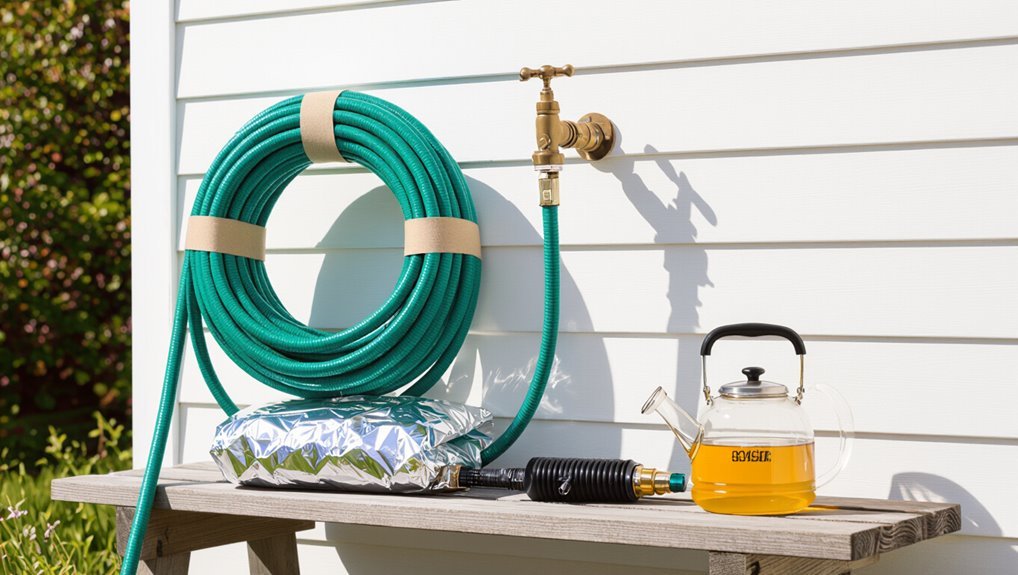
The section outlines immediate methods to produce warm water from an outdoor hose, such as flushing trapped cold water, running the hose in sunlight, or briefly warming it with hot water sources.
It also clarifies when these quick fixes are suitable—for short tasks or when only a modest temperature rise is needed—and when they are inadequate, such as for sustained hot water requirements or when freezing conditions persist.
Practical risks and limitations of each approach are noted to help the reader choose an appropriate tactic.
Immediate methods to get warm water from a hose
When warm water is needed from an outdoor hose without waiting for the sun or a long flush, several quick techniques deliver usable results immediately:
use a short hot-water source to prime the line,
loop and insulate a sun-exposed section briefly,
run water through a hot sink or kettle attachment,
or recirculate warmed water into the hose.
These methods explain how to make water hose water warm promptly.
When these quick methods are appropriate and when they are not
Having outlined quick ways to warm hose water, this section explains appropriate contexts and limitations for those techniques.
These methods suit short tasks—washing pets, rinsing gear, or brief gardening—when mild warmth suffices. They are not appropriate for drinking, infant care, medical use, or prolonged flows.
Safety, material compatibility, and weather conditions restrict effectiveness; when in doubt, use regulated hot water systems.
Why hose water is cold and what affects its temperature
Cold hose water results from a mix of environmental and physical factors that determine how much heat the water gains or loses before it exits the spigot.
Ambient air temperature, sunlight exposure, pipe material, hose color, length, diameter, and the presence of insulation all influence the water’s temperature.
Seasonal shifts and time of day further modify these effects, with cooler nights and early mornings typically producing colder water than warm, sunlit afternoons.
How ambient temperature, sunlight, and pipe material influence water temperature
Although outdoor water often feels icy, several clear factors determine its temperature as it travels through a hose: the surrounding air temperature sets the baseline, direct sunlight can heat the hose and its contents, and the hose’s material and color control how quickly heat is gained or lost.
Cooler ambient air chills water; sun-exposed sections warm it. Rigid, metal pipes conduct heat differently than flexible rubber or vinyl.
The role of hose color, length, diameter, and insulation
Hose characteristics—color, length, diameter, and insulation—directly shape how quickly water inside gains or loses heat as it moves from source to nozzle.
Darker colors absorb more solar energy; lighter colors reflect it. Shorter hoses reduce heat exchange time. Wider diameters hold more water, warming or cooling slower.
Insulation slows thermal losses, preserving temperature during transit for faster warm output.
Seasonal and time-of-day effects on hose water temperature
Seasonal shifts and daily sunlight cycles dictate the baseline temperature of standing and flowing hose water. Understanding when and why water becomes uncomfortably cold depends on time of year, time of day, and recent weather.
Winter and cool nights lower incoming supply and cool exposed hose; sunny afternoons warm exposed lengths. Rapid temperature swings follow cold fronts, cloud cover, and overnight radiational cooling.
Fast DIY techniques to warm hose water before use
The section outlines quick, practical methods for raising hose water temperature before use.
It compares passive options like coiling a black hose in direct sun or running it through warm areas and adding temporary insulation or reflective covers, with active approaches such as safely using warm indoor backflow and short-term electric fixes like inline heaters or heated hose tape.
Readers are guided to weigh speed, safety, and equipment needs when choosing a technique.
Using sunlight and black hose wraps to heat water
Many DIYers speed warm water by exposing a hose to direct sunlight and wrapping it with black material to maximize heat absorption.
This method raises water temperature quickly: black wrap absorbs solar radiation, warming the hose exterior and transferring heat inward.
Use UV‑resistant fabric or tape, secure snugly, and allow several minutes in strong sun.
Monitor temperatures to avoid scalding and material degradation.
Coiling hose in direct sun vs. running it through warm areas
Building on sunlight and black‑wrap methods, coiling a hose in direct sun or routing it through warm spots offers quick, low‑cost ways to raise outlet temperature before use.
Coiling maximizes exposure time and surface area; routing through heated soil, near HVAC discharge, or along a warm wall leverages ambient warmth.
Always flush briefly before use to avoid trapped hot or stagnant water.
Temporary insulation and reflective covers for rapid heating
Using simple temporary insulation and reflective covers can noticeably speed warming by trapping heat and redirecting sunlight onto the hose.
A layer of foam pipe insulation or bubble wrap reduces cooling, while a reflective mylar blanket or aluminum foil strip focuses solar gain.
Secure materials with clips or tape, avoid sharp edges, and remove coverings before high flow to prevent overheating or damage.
Using warm water backflow from indoor taps (safe methods)
After applying temporary insulation or reflective covers, homeowners can exploit warm indoor tap water to quickly raise hose temperature without complex equipment.
They should briefly open an indoor hot faucet, run the hose until warm water flows, then close and reconnect outdoors.
Use check valves or backflow preventers to protect potable supply; avoid prolonged reuse of stagnant heated water to reduce bacterial risk.
Short-term electric solutions: inline water heaters and heated hose tapes
Several compact electric options enable rapid warming of hose water for short-term tasks: inline cartridge heaters and flexible heated tape systems are the most practical for DIY use.
Inline units mount near the faucet, offering quick temperature rise and flow control; heated tapes wrap hoses for freeze prevention and modest warming.
Both require proper GFCI protection, weatherproofing, and adherence to electrical and plumbing safety standards.
Step-by-step setups for common scenarios
The section outlines clear, practical setups for heating hose water across everyday needs.
It compares quick methods tailored to gardening and vehicle washing, animal care, outdoor bathing, and simple solar solutions. Each scenario includes step-by-step guidance and basic materials lists.
- Warming hose water for gardening and car washing
- Warming hose water for pets and livestock
- Warming hose water for outdoor showers and camping
- How to set up a temporary solar-heated water bag or coil
Warming hose water for gardening and car washing
Prepare a few straightforward setups to bring hose water to a comfortable temperature for gardening and car washing, focusing on safety, ease, and available resources.
Use short coil-in-sun exposures in dark tubing, loop hose through warm garage air, or run water through insulated or black-painted sections.
Test temperature before use, avoid hot extremes for plants or paint, and flush cold water before washing.
Warming hose water for pets and livestock
Aim to provide comfortably warm water for animals without sudden temperature spikes that can harm them.
For pets and livestock, route hose through sun-warmed tubing or loop it across a heated surface; test flow with a thermometer.
Use insulated sleeves, short runs, and shaded storage tanks to moderate extremes.
For large animals, supply multiple shallow troughs to prevent crowding and guarantee consistent temperatures.
Warming hose water for outdoor showers and camping
After covering methods suited to animals, the focus shifts to warming hose water for outdoor showers and camping with step-by-step setups tailored to common situations.
Recommendations include pre-warming hose in sun, routing through dark tubing, insulating exposed lengths, using portable inline mixers or faucet blankets, flushing cold water before use, and testing temperature.
Emphasize safety: avoid scalding, monitor pressure, and secure connections.
How to set up a temporary solar-heated water bag or coil
A simple solar-heated water bag or coil can supply pleasantly warm water for an outdoor shower or campsite washing station with minimal materials and setup.
This section outlines step-by-step configurations for common situations, including small portable bags, larger gravity-feed bladders, and coiled black tubing systems.
Place bag/coil in full sun, fill partially for expansion, elevate for gravity flow, route to hose or showerhead, insulate exposed connections, test temperature, and secure to prevent tipping.
Materials, tools, and products that make a difference
This section outlines which hose materials and colors best retain heat, compares insulation options and reflective wraps, and highlights practical heating products.
It notes trade-offs between flexibility, durability, and thermal performance when choosing rubber, vinyl, or reinforced hoses and darker colors.
Recommended accessories include foam or fiberglass insulation, reflective tape, inline electric heaters, heat tape, and solar-powered hose warmers.
Best hose types for retaining heat (materials and colors)
Material choice and surface color play the largest roles in a hose’s ability to retain heat: dense, insulating inner cores (such as EPDM rubber or reinforced PVC with foam layers) slow heat loss, while darker outer jackets absorb and hold solar warmth more effectively than pale or reflective finishes.
Commercial garden hoses with thick EPDM or neoprene cores and matte dark covers outperform thin vinyl lines and translucent options.
Insulation materials and reflective wraps to consider
When protecting a hose from heat loss, selecting the right combination of insulating sleeves, foam wraps, and reflective jackets greatly improves performance; closed-cell polyethylene foam and neoprene strips offer efficient thermal resistance, while aluminumized or reflective Mylar wraps reduce radiant heat exchange.
Weatherproof adhesive tape, UV-resistant outer jackets, and zip-on sleeve systems extend durability; secure seams and drip-resistant fittings preserve insulation effectiveness.
Recommended inline heaters, heat tape, and solar heaters
Having addressed passive insulation options, active solutions offer faster, controlled heat delivery for hoses that must remain thawed or warm on demand.
Recommended choices include low-watt inline electric heaters with thermostats, self-regulating heat tape for lengthwise wrapping, insulated heater jackets, and portable solar hose heaters for daytime warming.
Select UL-listed products, match wattage to hose length, and prioritize GFCI protection.
- Inline electric heaters
- Self-regulating heat tape
- Insulated heater jackets
- Solar hose heaters
Safety precautions and health considerations
The section outlines key safety and health considerations when warming a water hose, including methods to test temperature to avoid scalding and safe handling of hot hoses and fittings.
It highlights electrical precautions for outdoor heated devices and the need to protect cords, connections, and power sources from moisture.
It also addresses preventing bacterial growth and risks from stagnant water through regular flushing and proper storage.
Avoiding scalding and testing water temperature safely
Every user should verify hose water temperature before prolonged contact to prevent scalding, especially after rapid heating methods; simple, safe checks reduce burn risk and help identify malfunctioning equipment.
Use a wrist or forearm test for initial assessment, then a thermometer for accuracy. Gradually adjust exposure, supervise children and pets, and flush lines before use to remove overheated pockets and contaminants.
Electrical safety when using heated devices outdoors
Although outdoor heating devices can quickly warm hose water, users must treat any electrical equipment near water as a serious hazard and follow strict precautions.
Ground-fault circuit interrupters, weatherproof outlets, and rated extension cords are essential. Keep connections elevated and dry, avoid DIY wiring without expertise, and unplug devices before handling hoses.
Inspect cords for damage and follow manufacturer safety instructions.
Preventing bacteria growth and stagnant water risks
Many garden hoses and standing water in irrigation systems can become breeding grounds for bacteria and algae if left stagnant, so users should minimize residence time and routinely flush lines.
Regular draining, periodic disinfection with appropriate solutions, and storing hoses off the ground reduce contamination.
Avoid using warmed hose water for drinking or food prep without proper treatment; inspect fittings and replace compromised hoses promptly.
Safe handling of hot hoses and fittings
While minimizing stagnant water and bacterial growth reduces health risks, attention must also shift to handling hoses that have been intentionally warmed or exposed to heat.
Users should wear insulated gloves, avoid sudden contact with hot fittings, and allow hoses to cool before disconnecting.
Inspect for softening, leaks, or damage from heat.
Keep children and pets away until temperatures are safe.
Energy, efficiency, and cost comparison
A brief comparison of common warming methods highlights differences in heat-up speed, energy consumed, and estimated operating cost to help readers choose an appropriate approach. The table below summarizes typical values for each method based on small residential setups. Readers can use these figures as a starting point for weighing performance against expense.
| Method | Heat-up speed | Estimated cost (per hour) |
|---|---|---|
| Hot water circulation | Fast (minutes) | $0.20–$0.50 |
| Electric inline heater | Very fast (seconds–minutes) | $0.50–$1.50 |
| Insulation + sun warming | Slow (hours) | $0.00–$0.10 |
Heat-up speed, energy use, and estimated cost for each method
Several common methods for warming a water hose differ noticeably in how quickly they raise temperature, how much energy they consume, and what they cost to run; comparing these factors helps determine the best option for a given need.
Solar wrap: slow, zero fuel cost, cheap.
Hot-water circulation: fast, high energy use, moderate to high cost.
Electric tape: moderate speed, continuous power draw, low to moderate cost.
Insulation: no energy, minimal cost, no heat gain.
Common mistakes and how to avoid them
Common mistakes often stem from ineffective insulation or poor placement that leaves sections of hose exposed to cold.
Equally risky are misuse of electric devices or improvised setups that create shock or fire hazards.
The following section outlines how to identify and prevent these errors.
Ineffective insulation or poor placement errors
Failing to insulate the hose correctly or placing it where cold air accumulates undermines any effort to warm water quickly.
Common errors include using thin or discontinuous insulation, leaving long exposed sections, routing hoses through shaded or windy areas, and resting them on cold surfaces.
Instead, apply continuous foam or wrap, secure overlaps, choose sun-exposed routes, and elevate hoses from cold ground for consistent warming.
Misusing electric devices or creating unsafe setups
Use caution when adding electric devices to a hose-heating setup, because improper selection or installation can create fire, shock, or water-damage hazards.
Avoid jury-rigging immersion heaters, exposed wiring, or non-weatherproof components. Prefer certified outdoor-rated equipment, ground-fault protection, and professional installation for wired elements.
Regularly inspect connections, secure cords away from traffic, and never leave active electric heaters unattended.
Maintenance and long-term tips for warm-water readiness
Seasonal storage and routine care keep a hose flexible and guarantee fittings transfer heat efficiently.
Inspecting for cracks, mineral buildup, and worn connectors helps identify when cleaning, repair, or replacement is needed.
Replacing an aging hose or accessories can restore performance and improve warm-water readiness.
Seasonal storage and hose care to preserve performance
Proper storage and routine care extend a hose’s service life and keep it ready to deliver warm water when needed.
Drain fully after use, coil without kinks, and store off the ground in a shaded, frost-free area.
Inspect fittings and washers, clean debris, and apply silicone lubricant sparingly.
Avoid prolonged sun exposure and freezing temperatures to prevent cracks and performance loss.
When to replace hose or accessories for better heating
After routine storage and care, attention turns to knowing when parts should be replaced to maintain efficient warm-water delivery.
Inspect hoses, fittings, and nozzles seasonally for cracks, soft spots, or mineral buildup that reduce insulation and flow.
Replace aging or damaged hoses, worn washers, and corroded connectors.
Upgrading to heat-retentive hose materials and insulated accessories improves warming speed and prevents leaks.
Quick troubleshooting guide
When warming attempts fail, the guide explains common reasons why water remains cold despite applied methods.
It outlines quick checks for flow restrictions, insulation gaps, and exposure to cold surfaces that can sap heat.
Practical diagnostic steps for identifying hose-related heat loss are presented so fixes can be applied rapidly.
Why water is still cold after trying warming methods
If water remains cold despite attempted warming methods, several common causes should be checked to pinpoint the issue quickly.
Possible reasons include long stagnant water in the hose, low incoming supply temperature, insufficient insulation or heating duration, heat loss through metallic fittings, or bypass via leaks and open spigots.
Seasonal ambient cold and high flow rates can also prevent appreciable warming.
How to diagnose hose-related heat loss issues
A simple step-by-step check can quickly reveal where heat is lost along a hose so corrective action targets the real problem.
Inspect for kinks, pinches, or long exposed runs. Feel for temperature gradients along sections.
Test fittings and connectors for leaks or conductivity. Verify insulation integrity and sun exposure.
Replace damaged sections or add insulation, heat tape, or rerouting as needed.
Conclusion
Quick solutions and simple habits can turn icy hose water into a usable stream, saving time and frustration while respecting safety. Like a patient gardener coaxing blooms, these DIY tricks—insulation, sun-warming, recirculation, and brief pre-rinses—work together to raise temperature quickly without undue cost. With sensible materials, careful setup, and routine maintenance, outdoor hoses stay warm when needed; small precautions prevent burns, leaks, and wasted energy, ensuring reliable performance.
